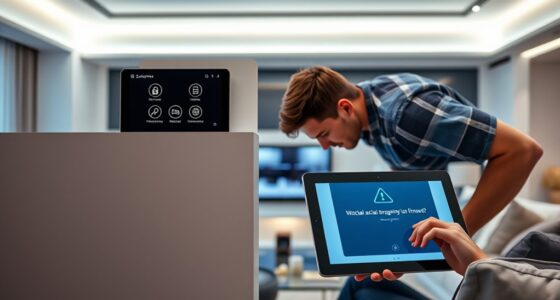

The human layer remains the weakest part of many smart homes because your knowledge, habits, and security practices directly affect the system’s safety. If you neglect to update passwords, configure privacy settings, or stay informed about vulnerabilities, your devices become easy targets for hackers. Active engagement and awareness are essential to protect your personal data and maintain security. Keep learning to find out how to strengthen this critical layer and keep your smart home safe.

Get privacy and security gear delivered free with Prime
- Fast, free delivery on millions of items
- Prime Video, Amazon Music and more included
- Member-only deals all year
Key Takeaways
- Human users often neglect updating passwords and security settings, creating vulnerabilities.
- Lack of user awareness about device features and risks increases chances of compromise.
- Overconfidence in device security leads to neglecting regular updates and active management.
- Users may unintentionally expose personal data through insufficient privacy controls.
- Continuous education and vigilance are essential to address human errors and strengthen smart home security.
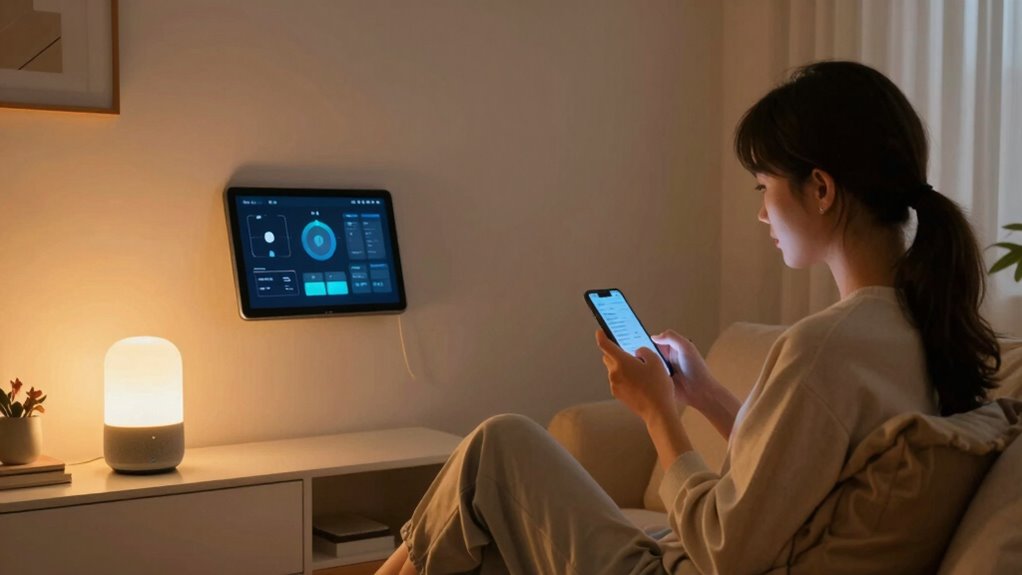
Have you ever wondered how smart homes truly enhance daily living? They offer convenience, energy efficiency, and seamless automation, but the real strength depends on how well you understand and manage these systems. The human layer remains the weakest part of many smart homes because user education often falls short. If you’re not fully informed about how your devices work or the best practices for security, you risk making mistakes that compromise your home’s safety and functionality. For example, you might forget to update passwords or neglect to set proper privacy settings, leaving your personal data exposed. Without proper guidance, it’s easy to underestimate the importance of privacy concerns, which can lead to vulnerabilities.
Many users assume that once devices are installed, they’ll operate flawlessly without needing ongoing attention. However, this misconception can be dangerous. User education is essential to ensure you understand how to secure your smart home, configure privacy settings, and recognize potential threats. Manufacturers often provide user manuals, tutorials, or customer support, but it’s up to you to actively seek out this information and stay informed about new updates or security patches. If you ignore these steps, your smart home system might become an easy target for hackers or malicious actors, exposing sensitive data or even allowing unauthorized control of your home. Developing a security awareness can significantly reduce these risks and help you stay ahead of potential threats.
Ongoing user education is vital to secure your smart home and prevent vulnerabilities.
Privacy concerns are another critical aspect that often gets overlooked. You might be comfortable with voice assistants listening to commands, but you should also be aware of what data is being collected, stored, and shared. Many devices continuously monitor your habits, routines, and even conversations, which can be quite intrusive if you’re not careful. It’s vital to review your privacy settings regularly and understand what data your devices collect. Without this awareness, you could inadvertently expose personal information or give third parties access to your home environment. Regularly updating privacy controls is essential to maintaining control over your personal data and ensuring your smart home remains secure. Additionally, understanding the concept of cybersecurity best practices can help you implement effective safeguards. Staying informed about device vulnerabilities and how to patch them is also crucial for ongoing protection.
Ultimately, your role in maintaining a secure, efficient smart home hinges on ongoing user education and vigilance about privacy. It’s not enough to simply install devices and forget about them; you need to stay proactive. Take the time to learn about your system’s features, update passwords, and configure privacy controls. Recognize that your actions directly impact the safety and effectiveness of your smart home. When you understand and respect the human layer’s importance, you turn a potentially vulnerable setup into a truly smart, secure, and convenient living space. Being aware of biodiversity and its interconnectedness can serve as a reminder that maintaining balance and awareness within your smart home is essential for a resilient and sustainable living environment.
As an affiliate, we earn on qualifying purchases.
Frequently Asked Questions
How Can Humans Unintentionally Compromise Smart Home Security?
You can unintentionally compromise your smart home security through social engineering scams, where hackers trick you into revealing sensitive info or granting access. Poor password hygiene also puts you at risk—using weak or reused passwords makes it easier for attackers to infiltrate your devices. To protect yourself, stay vigilant against social engineering tactics and practice strong, unique passwords for all your smart home accounts.
What Training Is Recommended for Safe Smart Home Usage?
You should undergo training focused on smart device ergonomics and user patience to guarantee safe smart home usage. Learn how to properly set up and operate devices to avoid security risks, and practice patience when troubleshooting or updating systems. This helps prevent unintentional security lapses caused by hurried or improper handling. Developing these skills makes you more confident and mindful, reducing the chances of compromising your smart home’s safety.
How Does User Behavior Impact Smart Home System Effectiveness?
Your user habits directly influence your smart home system’s effectiveness. When you adapt your behavior to follow best practices, like updating passwords regularly and avoiding complex commands, the system functions smoothly and securely. Conversely, inconsistent habits or neglecting system updates can create vulnerabilities and reduce efficiency. By consciously shaping your behaviors, you help the smart home adapt better to your needs, ensuring peak performance and enhanced security.
Are There Age-Specific Challenges in Managing Smart Home Technology?
Ironically, managing smart home tech is easiest for teens with their quick tech habits, yet the elderly face unique hurdles. Elderly usability often suffers because interfaces aren’t designed with their needs in mind, leading to frustration. Meanwhile, teens master voice commands and app controls effortlessly. So, while young users adapt swiftly, older adults struggle, highlighting how age-specific challenges can hinder smart home effectiveness.
How Can Users Improve Their Cybersecurity Awareness at Home?
To improve your cybersecurity awareness at home, prioritize smart encryption and secure authentication methods. Always update your devices’ firmware, use strong, unique passwords, and enable two-factor authentication where possible. Be cautious about sharing access, avoid clicking suspicious links, and regularly review your device permissions. Educate yourself on common threats and stay informed about cybersecurity best practices to protect your smart home from potential vulnerabilities.
smart home privacy settings guide
As an affiliate, we earn on qualifying purchases.
As an affiliate, we earn on qualifying purchases.
Conclusion
Remember, even the most advanced smart home relies on you. Like Icarus flying too close to the sun, you’re the weakest link if you neglect security or understanding. Technology can’t replace awareness, nor can it fix carelessness. To truly harness the power of your smart home, stay vigilant and informed. In the end, it’s not just about gadgets—it’s about the human touch that keeps everything running smoothly, like the steady hand guiding a ship through stormy seas.
smart home security camera with alerts
As an affiliate, we earn on qualifying purchases.
As an affiliate, we earn on qualifying purchases.
smart device security update kit
As an affiliate, we earn on qualifying purchases.
As an affiliate, we earn on qualifying purchases.
Fall Picks
fall essentials
As an affiliate, we earn on qualifying purchases.