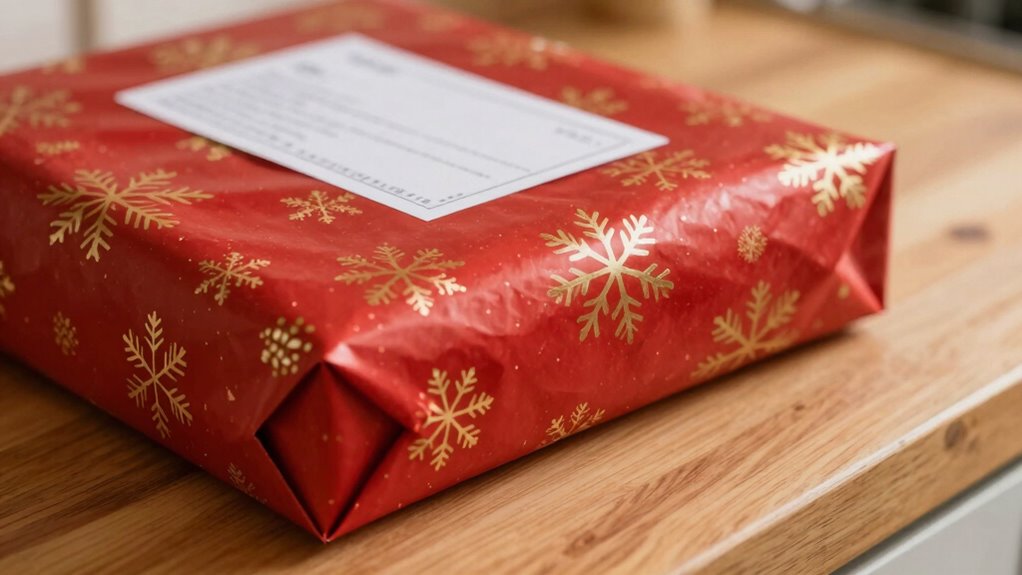

When you return gifts during the holidays, you risk exposing your address through visible or poorly attached labels, reusing packaging with your info, or digital disclosures on return forms. Handwritten labels, scannable barcodes, or outer packaging can also reveal your home address if not carefully managed. By being aware of these common mistakes, you’ll better protect your privacy. Keep going to discover how to avoid these pitfalls and keep your address safe during holiday returns.
Key Takeaways
- Visible or poorly adhered return labels can reveal your address during transit or disposal.
- Reusing packaging with your address visible increases privacy risks if mishandled.
- Printing or including return slips inside packages can accidentally expose your personal address.
- Using prepaid labels or digital return portals may transmit or display your address publicly.
- Failing to cover or remove address labels before recycling packaging can lead to unintended exposure.

10 EcoSwift 12 x 16 White Large Poly Mailer Size #5 Self Sealing Envelopes Plastic Shipping Mailing Bags 12×16 1.7 mil
Size: #5(1.7)
As an affiliate, we earn on qualifying purchases.
As an affiliate, we earn on qualifying purchases.
How Returning Gifts Can Unknowingly Reveal Your Address
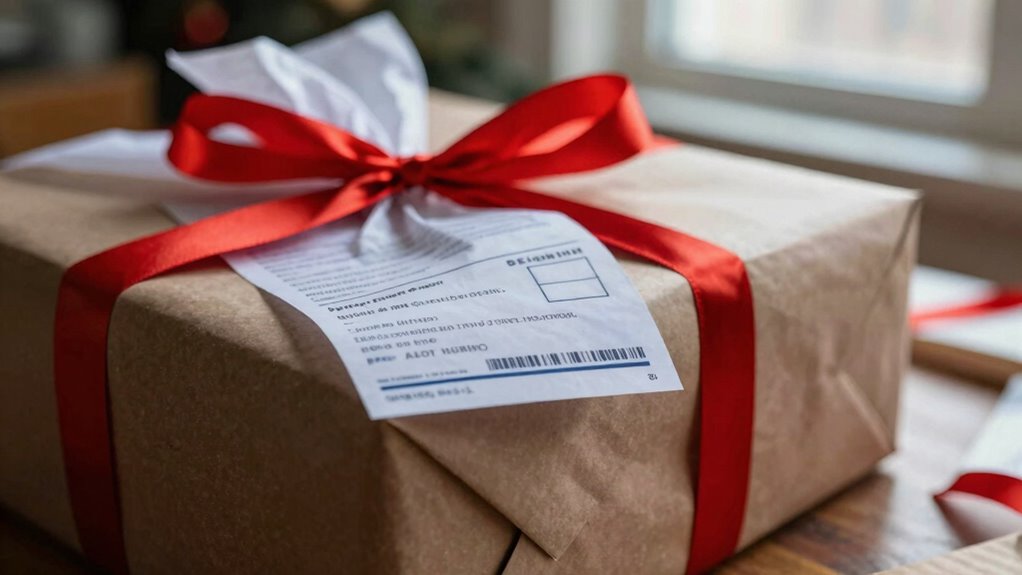
When you return gifts during the holiday season, the process often requires providing your address on the return label or shipping form. If you make return label mistakes, your address could be visible to anyone handling the package. Shipping labels are often attached securely, but errors like incorrect or incomplete addresses can occur, especially if labels are handwritten or scanned improperly. Package handling errors, such as mislabeling or accidental exposure during transit, can also reveal your address. These issues increase the risk of your personal information being seen or misplaced. Even small mistakes can lead to unintended exposure, making it easier for someone to discover where you live. Being mindful during the return process helps protect your privacy and prevents unintentional address leaks. Additionally, understanding nanotechnology advancements can help you stay informed about how emerging tech might influence data security in the future. Proper security measures can further enhance your privacy during shipments, especially as digital tracking becomes more prevalent in logistics. Staying aware of privacy risks during shipping can help you take proactive steps to safeguard your personal information.

to from Return Address Mailing Labels 120 Pcs Blank Mail Shipping Label Postage Guaranteed Stickers 3.5 x 4.5 Inch Self Adhesive Handwriting to/from Address Tags Sticker for Package School,Home,Office
There are 120 pcs of our mailing label,Shipping Address labels can be used when you mail the package….
As an affiliate, we earn on qualifying purchases.
As an affiliate, we earn on qualifying purchases.
Common Ways Your Return Practices Might Expose Your Home Address

Your return practices can unintentionally expose your home address in several common ways. One mistake people make is return label errors, like accidentally leaving your address visible or using labels that reveal personal details. These mistakes often happen when labels are handwritten or poorly adhered, making them easy to spot. Proper label placement and clarity can significantly reduce the risk of exposing your address. Packaging mishaps are another risk—if you forget to conceal your address or reuse packaging that shows your details, it can be exposed during transit or at the drop-off point. Additionally, using clear packaging or tape that reveals your address can give away your location. Always double-check labels and packaging to guarantee your address remains private. Incorporating secure packaging methods such as opaque envelopes or shipping boxes can help prevent accidental disclosures. Also, consider package security measures such as tamper-evident tape or discreet shipping options to further protect your personal information. Proper wave and wind protection during transit can also prevent your package from being damaged or tampered with, which might inadvertently reveal your address. Implementing address masking techniques can make it more difficult for anyone to uncover your details if the package is compromised. Avoiding these common mistakes helps keep your personal information safe and prevents unintended exposure during the return process.

WELSTIK Tamper Tape Red Tamper Evident Security Seals Tape, Transfer Tamper Proof Security Void Tapes (Red, 1.88 inch x 55 Yards)
SECURITY TAPE FEATURES: tamper tape, shaped like ordinary tape, once uncovered, anti-counterfeiting information is instantly revealed, Crime Scene…
As an affiliate, we earn on qualifying purchases.
As an affiliate, we earn on qualifying purchases.
Simple Tips to Keep Your Address Private When Returning Items

To keep your address private during returns, start by using a return shipping label provided by the retailer or courier, which often hides your personal details. Adjust your privacy settings on your device or account to limit sharing of personal information. Always opt for secure packaging, such as double-wrapping items or using opaque envelopes, to prevent address visibility. When preparing your package, consider removing or covering any labels that reveal your address, replacing them with a generic label if possible. Additionally, choosing Gold IRA options can help diversify your investments away from personal identifiers. Being aware of navigation and mapping features on your devices can also help you identify potential privacy risks during online shopping. Understanding ergonomics and workflow principles can also guide you in securely handling valuable or sensitive items during shipping, and staying informed about privacy best practices ensures you maintain control over your personal information.

#10 Envelopes Letter Size Self Seal | 100 Business Mailing Security Peel and Sealing Envelope | 100% Tinted | no 10 White Windowless Legal Regular Plain Envelops Pack | 4-1/8 x 9-1/2 Inches | 24 LB
✉️ 100 NUMBER 10 ENVELOPES PACK – Perfect choice for small businesses, home offices and everyday office supply…
As an affiliate, we earn on qualifying purchases.
As an affiliate, we earn on qualifying purchases.
How to Read Shipping Labels and Packaging to Protect Your Address

By carefully examining shipping labels and packaging, you can identify and prevent potential leaks of your personal address. Pay close attention to the address format, ensuring your information isn’t displayed prominently or in an easily visible spot. Look for any barcodes and consider barcode scanning to hide or cover them before disposal. Barcodes often contain encoded address details, which could be read by scanners if not properly obscured. Check if your address appears on the outside of the package or on labels that can be easily torn or peeled away. If possible, remove or cover your address labels before recycling or discarding packaging. Being vigilant about how your address appears and using barcode scanning awareness helps protect your privacy during the holiday return process. Additionally, understanding styling products and their application can help you maintain a neat appearance, reducing the need for returns or exchanges due to styling mishaps. Incorporating protective styling techniques can further shield your personal information from exposure. Always stay informed about privacy protection practices to enhance your personal security when handling shipments. Familiarizing yourself with digital safety techniques can further reduce the risk of inadvertently exposing sensitive information.
Extra Tips to Prevent Holiday Identity Theft During Returns

During the holiday season, returns can open the door for identity thieves if you’re not careful. To protect your privacy concerns, always shred or securely destroy packing slips and receipts that contain personal information. When shipping items back, choose a secure package location, like a locked mailbox or a parcel locker, to ensure package security. Avoid displaying your address on the outside of return packages; instead, use a return label inside the package or a secure drop-off point. Keep tracking numbers private until the return is confirmed received. Also, consider opting for digital receipts or return confirmations rather than paper copies. These simple steps help safeguard your personal information and prevent potential identity theft during the busy holiday return season. Additionally, being aware of vintage or cruiser-style motorcycles can help you better understand how to secure valuable items and avoid theft during the holiday hustle. Incorporating smart home security features, like cameras and alerts, can further enhance your protection during this busy time. Using encryption methods for sensitive data can also add an extra layer of security to your online shopping and returns. Remember that using essential oils for security or calming effects at home can also provide peace of mind during the hectic holiday period. Moreover, understanding identity theft prevention techniques can help you stay vigilant and protect yourself from fraud while managing holiday returns.
Frequently Asked Questions
Can Returning Gifts Through Third-Party Stores Still Reveal My Address?
Yes, returning gifts through third-party stores can still reveal your address. When you process a return, especially if you use store-specific return policies or gift card scams, your address might be shared with retailers or third-party vendors. Be sure to understand return policy nuances, such as whether you need to provide your address upfront or if you can use a gift card for refunds, to protect your privacy.
Are There Specific Packaging Materials That Help Hide My Address?
A little caution goes a long way—think of it as the saying “Better safe than sorry.” When it comes to packaging privacy, use opaque or plain mailing envelopes and boxes that lack any identifying marks. Bubble wrap or tissue paper can also help conceal your address further, ensuring address concealment. Always double-check that your return labels are securely covered or placed inside the package to prevent accidental exposure.
How Long Should I Keep Return Receipts for Security?
You should keep return receipts for at least one year to make sure you have proof of return if needed. Check your retailer’s privacy policies and data retention policies, as they may specify how long they keep transaction records. Storing receipts securely helps protect your privacy and provides evidence if any issues arise. After that period, you can safely discard them, knowing your data retention aligns with privacy standards.
Do Digital Return Labels Increase or Decrease Privacy Risks?
Digital return labels can decrease privacy risks if you’re careful with label security, but they also introduce new digital privacy concerns. Studies show that 65% of consumers worry about data breaches linked to online shipping. Using secure, encrypted platforms helps protect your information. Always verify the sender’s website and avoid sharing personal details unnecessarily to keep your label security tight and reduce the chances of your address being exposed.
What Are the Best Ways to Verify if My Address Was Exposed?
You should regularly check your credit reports and monitor your bank accounts for any unusual activity, which can indicate address exposure. Use reputable address verification tools online to confirm if your address has been compromised. To enhance privacy protection, consider placing a freeze or fraud alert on your credit files. Staying vigilant and proactive helps guarantee your address remains secure and minimizes the risk of identity theft.
Conclusion
So, next time you’re returning holiday gifts, don’t let your good intentions turn into a Pandora’s box. By paying attention to labels and keeping your address private, you can avoid becoming the next victim of identity theft, like a knight guarding their secret cache. Remember, even in this digital age, a simple step now can save you from a lot of trouble later. Stay vigilant, and keep your home safe from prying eyes.