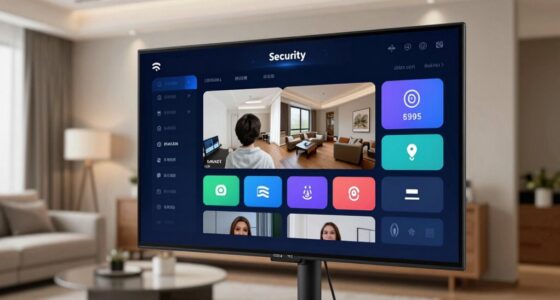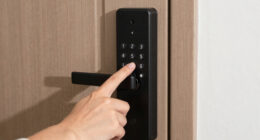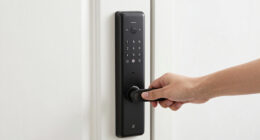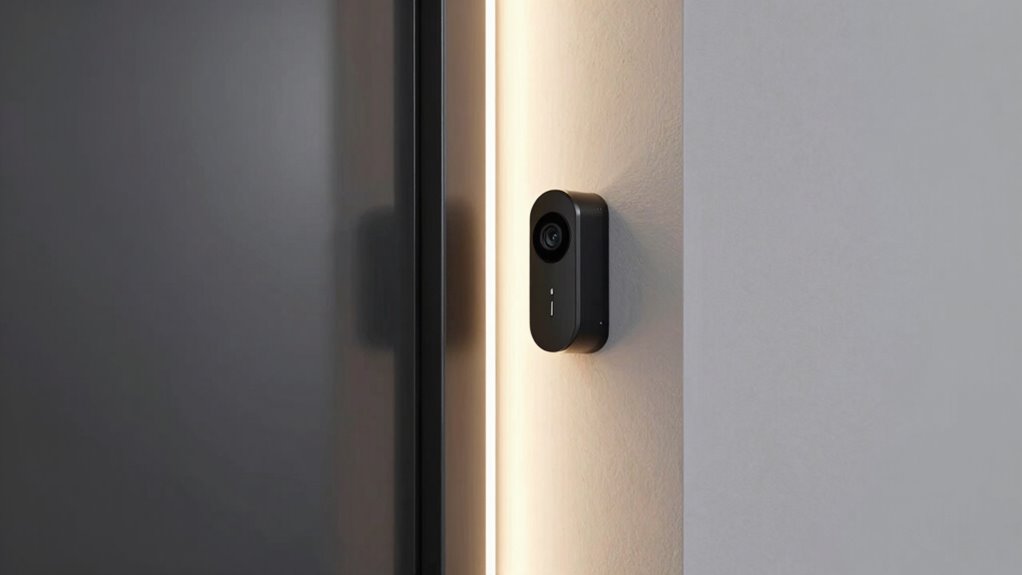

The cleanest way to combine camera events and door sensors is by choosing a compatible smart hub that supports both devices and integrates seamlessly. Connect your sensors and cameras to the hub, then create automation rules that trigger alerts, recordings, or actions like lighting or locking doors when activity is detected. Secure your system with encrypted data and reliable connections. To make everything work smoothly and efficiently, following these steps will help you get started and optimize your setup.
Key Takeaways
- Use a compatible smart hub to centralize camera and door sensor integration for seamless event management.
- Automate alerts and responses by linking door sensors with cameras through automation rules in the system.
- Ensure device compatibility and proper placement to enable reliable sensors and camera triggers without false alarms.
- Enable real-time syncing and testing to confirm accurate detection and prompt security responses.
- Prioritize secure data encryption and privacy settings to protect footage and sensor information during integration.

Tapo Door Sensor Starter KIT, Matter Compatible, 3X Smart Door Window Contact Sensor and 1x Smart Hub with Built-in Chime, Smart Automation, Real-Time Notification, T31 KIT
𝐀𝐝𝐝𝐞𝐝 𝐒𝐞𝐜𝐮𝐫𝐢𝐭𝐲 𝐟𝐨𝐫 𝐲𝐨𝐮𝐫 𝐓𝐚𝐩𝐨 𝐒𝐦𝐚𝐫𝐭 𝐇𝐨𝐦𝐞 – This purchase includes 3x Tapo T110 Contact Sensors and 1x…
As an affiliate, we earn on qualifying purchases.
As an affiliate, we earn on qualifying purchases.
Why Integrating Camera Events With Door Sensors Boosts Your Home Security

Integrating camera events with door sensors substantially enhances your home security by providing real-time, exhaustive monitoring. When motion detection triggers camera alerts based on sensor activity, you get immediate insight into what’s happening outside your door. This combination helps you respond quickly to any unusual activity, whether it’s a package delivery or potential intruders. However, privacy concerns can arise with constant surveillance. You need to balance security benefits with respecting personal privacy, configuring cameras to avoid unnecessary recordings or alerts. By syncing door sensors with camera events, you ensure thorough coverage without overwhelming notifications. This integration allows you to monitor your home efficiently, making it easier to identify genuine threats while maintaining control over your privacy. Additionally, understanding the science behind detection technology can help you optimize your system’s effectiveness and safety. Incorporating proper calibration ensures that your sensors and cameras work together seamlessly, reducing false alarms and enhancing overall reliability.

Orbitell 1080p Wireless Wi-Fi Video Doorbell Camera with Two Way Audio, Night Vision, Cloud Storage, Smart AI Motion Detection, Support 2.4GHz Wi-Fi only
AI-Powered Smart Detection: Advanced AI technology accurately identifies people while filtering out vehicles and animals, so you only…
As an affiliate, we earn on qualifying purchases.
As an affiliate, we earn on qualifying purchases.
How to Choose the Best Platform for Connecting Cameras and Door Sensors
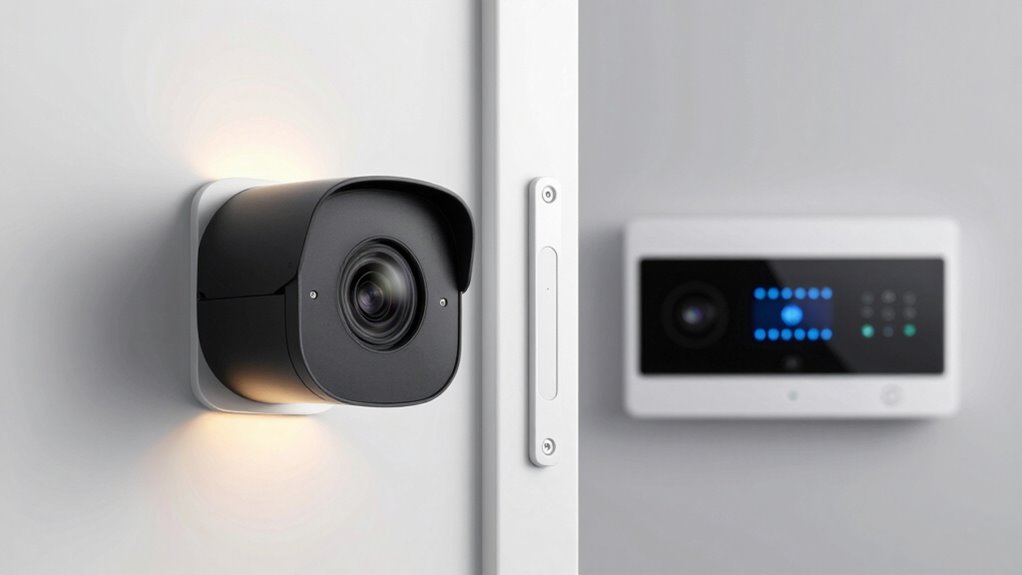
When selecting a platform, you need to contemplate how well it works with your existing devices. Look for seamless integration capabilities that simplify connecting your cameras and door sensors. Also, choose a user-friendly interface so you can manage your security system without frustration. Additionally, consider connectivity options that support various smart gadgets and ensure reliable operation across your outdoor security setup. Exploring European cloud infrastructure can further enhance data security and compliance with regional regulations. Opting for a platform with real-time alerts can also significantly improve your ability to respond swiftly to security events. Paying attention to network reliability is essential to maintain continuous protection of your connected devices, especially when employing local automation features to reduce latency and dependence on external servers.
Compatibility With Devices
Choosing the right platform for your cameras and door sensors starts with checking their device compatibility. You want a system that supports your specific devices, whether they’re brands or models. Confirm that the platform can recognize and communicate with each device type without issues. Additionally, consider how often the platform receives firmware updates, as these updates improve security, fix bugs, and add features. A platform that stays current with firmware updates guarantees your devices remain compatible and secure over time. Compatibility issues can lead to missed events or false alerts, so verifying these aspects beforehand saves you headaches later. Ultimately, selecting a platform with robust device compatibility and a consistent update schedule helps keep your smart home running smoothly and reliably. Ensuring device interoperability is seamless is crucial for maintaining an effective security system. Regularly checking for software updates ensures ongoing compatibility and security enhancements, preventing potential vulnerabilities. Staying informed about firmware support from device manufacturers can further enhance your system’s stability and performance. Moreover, choosing a platform that emphasizes reliable integration can make managing your security devices more straightforward and dependable.
Integration Capabilities
Once you’ve confirmed your devices are compatible, the next step is to evaluate how well the platform integrates with your cameras and door sensors. Look for seamless connectivity that allows real-time event syncing without lag. Consider whether the platform supports automation rules, so your sensors trigger camera recordings automatically. Privacy concerns are essential—ensure the platform uses strong data encryption to safeguard your footage and sensor data from breaches. Check if it offers secure cloud storage or local options to maintain control over your information. Compatibility with multiple device brands and protocols also matters, so your system remains flexible. A platform with robust integration capabilities will streamline your setup, reduce troubleshooting, and keep your smart home secure and private. Additionally, understanding the underlying kitchen science of device compatibility and data transmission can help you troubleshoot issues more effectively. Being aware of system interoperability standards can further enhance reliability and future-proof your setup. Familiarity with data synchronization principles can also improve your system’s responsiveness and overall performance.
User Interface Ease
A user-friendly interface makes connecting and managing your cameras and door sensors much simpler. When choosing a platform, prioritize one that offers intuitive navigation and clear controls, reducing setup time and errors. Look for features like customizable dashboards and straightforward alerts, which streamline your monitoring. Guarantee the platform respects user privacy by implementing robust data encryption, protecting your sensitive information from breaches. An easy-to-use interface helps you quickly review footage and sensor activity without frustration, making daily management more efficient. Additionally, a platform that emphasizes security and privacy shows a commitment to safeguarding your data, giving you peace of mind. Ensuring the platform incorporates proper security measures is essential for maintaining the integrity of your home monitoring system. Incorporating user consent management options allows you to control how your data is used and shared, further enhancing your privacy. A well-designed platform also considers user experience by minimizing complexity and maximizing functionality, which is crucial for long-term satisfaction. Ultimately, simplicity combined with strong privacy protections makes for a reliable, hassle-free experience.

SKYLINK SK-250 Deluxe Connected Wireless Security Alarm and Home Automation System with Camera, Compatible with iOS, Android, Echo Alexa, Google Home and IFTTT and No Monthly Fees, White
Easy installation and do-it-yourself (DIY) with No Monthly Fees. Arm/disarm the system and monitor the sensor status with…
As an affiliate, we earn on qualifying purchases.
As an affiliate, we earn on qualifying purchases.
Setting Up Your Door Sensors for Seamless Integration
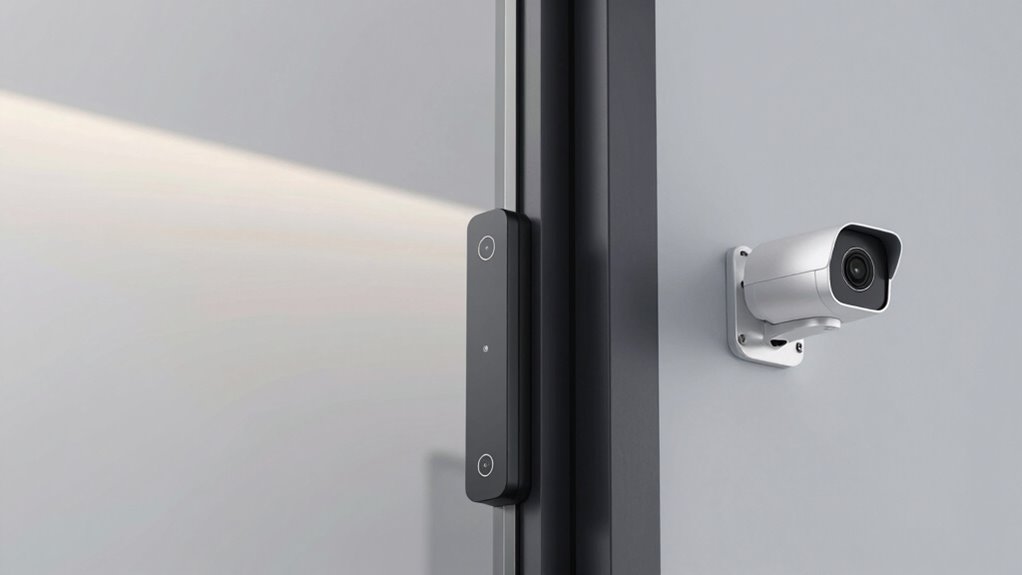
To guarantee your door sensors work smoothly, start with proper placement to avoid blind spots and false alerts. Next, connect them securely to your hub, following the manufacturer’s instructions. Proper sensor placement is essential for accurate detection and minimizing errors. Additionally, consider compact living principles when designing your sensor setup to maximize efficiency and space utilization. Finally, test and calibrate your sensors to confirm they respond accurately and reliably. Incorporating connected technology can further enhance their performance and integration within your smart kitchen setup. Ensuring your sensors have proper navigation and mapping helps maintain consistent operation and prevents misreads.
Sensor Placement Tips
Proper sensor placement is crucial for ensuring your door sensors work reliably and seamlessly integrate with your security system. Start by choosing a strategic location where the sensor can clearly detect the door’s movement or opening. Correct device positioning is key—place sensors on the door frame or edge, aligning them with the magnet or contact point. Avoid mounting sensors near metal objects or sources of interference, as these can disrupt signals. Confirm the sensor is straight and firmly attached for consistent contact. Keep the sensor away from drafts, extreme temperatures, and moisture, which could affect performance. Test the placement after installation by opening and closing the door to confirm the sensor triggers correctly. Proper sensor placement guarantees prompt alerts and smooth system operation. Understanding the importance of sensor positioning helps optimize detection accuracy and system reliability.
Connecting to Hub
Once you’ve installed your door sensors in the right spots, the next step is connecting them to your hub for seamless operation. Start by enabling your hub’s compatible wireless protocols, like Zigbee or Z-Wave, to ensure smooth communication. Make sure your sensors have reliable power sources—either batteries or wired power—so they stay operational. Follow the manufacturer’s instructions to pair each sensor with the hub, typically via a simple sync process. Once paired, verify that the sensors are responding correctly through your hub’s app or control panel. This secure connection guarantees real-time alerts and integration with your camera system. Properly linking your sensors to the hub lays the foundation for a smart, responsive home security setup.
Testing and Calibration
Before relying on your door sensors for security, it’s vital to test and calibrate them to guarantee accurate detection. Start by verifying the sensor’s motion detection sensitivity, ensuring it responds only to genuine door activity and not passing shadows or environmental changes. Next, adjust the calibration settings so the sensor correctly triggers lighting control when needed, avoiding false alarms. Walk through the detection zone to confirm that the sensor activates promptly and deactivates after no motion is detected. Regular testing helps you fine-tune the system, ensuring seamless integration with your camera events. Proper calibration not only enhances security but also optimizes lighting control, creating an efficient and reliable setup that responds accurately to door activity.

REOLINK 4K Solar Security Camera Outdoor, Encrypted Local Storage Camera System, 360° Pan Tilt, Smart Detection, No Monthly Fee, Home Hub with 4X PT Ultra + Solar Panel
4K 8MP FULL-COLOR FOOTAGE DAY & NIGHT: Experience the ultimate clarity in the 4K 8MP footage. From day…
As an affiliate, we earn on qualifying purchases.
As an affiliate, we earn on qualifying purchases.
How to Connect Camera Events to Door Sensors Using a Smart Hub
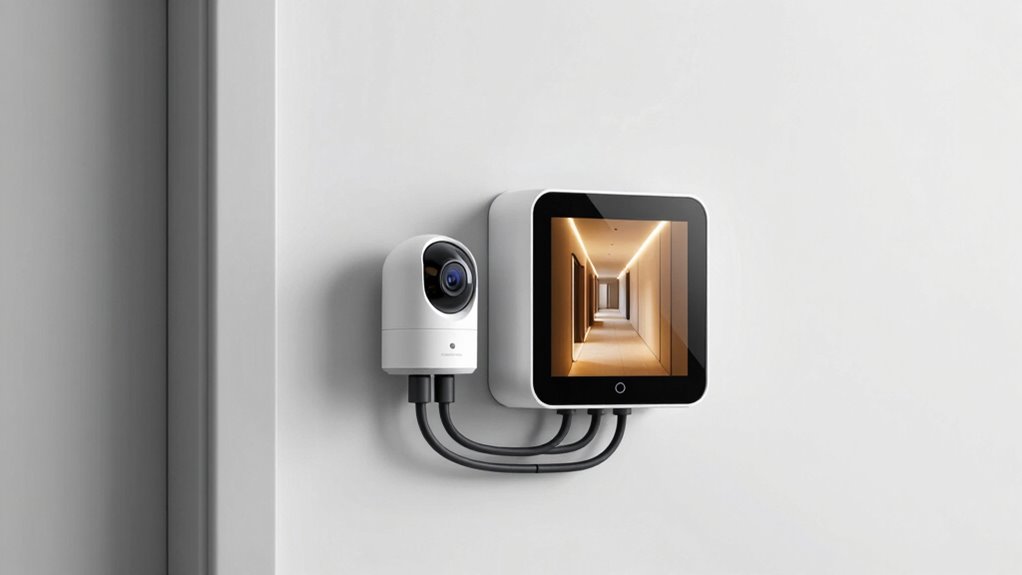
Connecting your camera events to door sensors through a smart hub enhances your home security by enabling automated responses. First, confirm your cameras support motion detection and are properly powered—either via power sources or batteries. Next, select a compatible smart hub that integrates both devices. Connect the camera to the hub using its app or setup process, then do the same with your door sensors. Most hubs allow you to create rules that trigger actions—like unlocking a door or sending alerts—when motion is detected by the camera and the sensor is activated. This setup guarantees seamless communication between devices, reducing false alarms and increasing responsiveness. Always verify that your devices are connected securely and functioning correctly before moving to automation.
Automate Alerts and Actions for a Simple, Secure Workflow
Automating alerts and actions transforms your home security into a proactive system that responds immediately to potential threats. When your camera detects motion, you can set up instant alerts to notify you or trigger specific actions, like turning on lights or locking doors. This guarantees you’re always aware of activity without constantly monitoring feeds. To protect your data privacy, it’s essential to choose secure platforms that encrypt your footage and restrict access. Automations streamline your workflow, reducing false alarms and saving you time. By integrating motion detection with smart responses, you create a simple, effective security system that enhances safety while respecting your privacy. This setup keeps you informed and in control, all while maintaining data security.
Troubleshooting Common Camera and Sensor Integration Issues
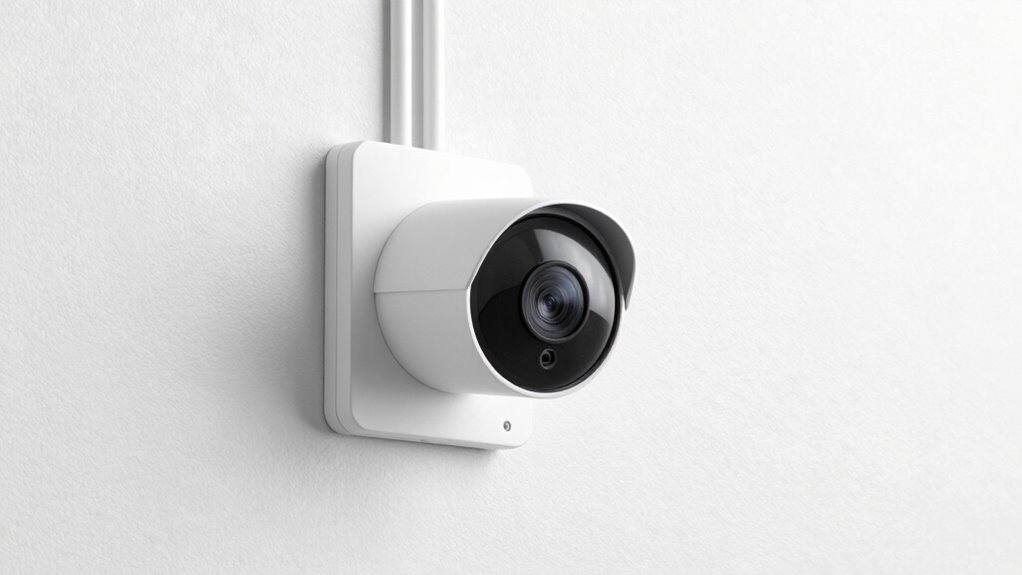
When your camera or sensor isn’t working properly, troubleshooting quickly becomes essential to restore your security system’s effectiveness. If motion detection isn’t triggering alerts or recording, check the camera’s placement and ensure nothing obstructs its view. Verify that sensitivity settings haven’t been accidentally lowered, which can cause missed events. Privacy concerns may cause some devices to disable certain features; ensure your camera isn’t restricted by privacy modes or app permissions. Also, confirm the sensor is properly connected and powered. Firmware updates can resolve bugs affecting performance. If issues persist, reset the device and reconfigure settings. Addressing these problems promptly helps maintain reliable detection, prevents false alarms, and keeps your system functioning smoothly.
Tips for Maintaining a Secure and Organized Smart Home System
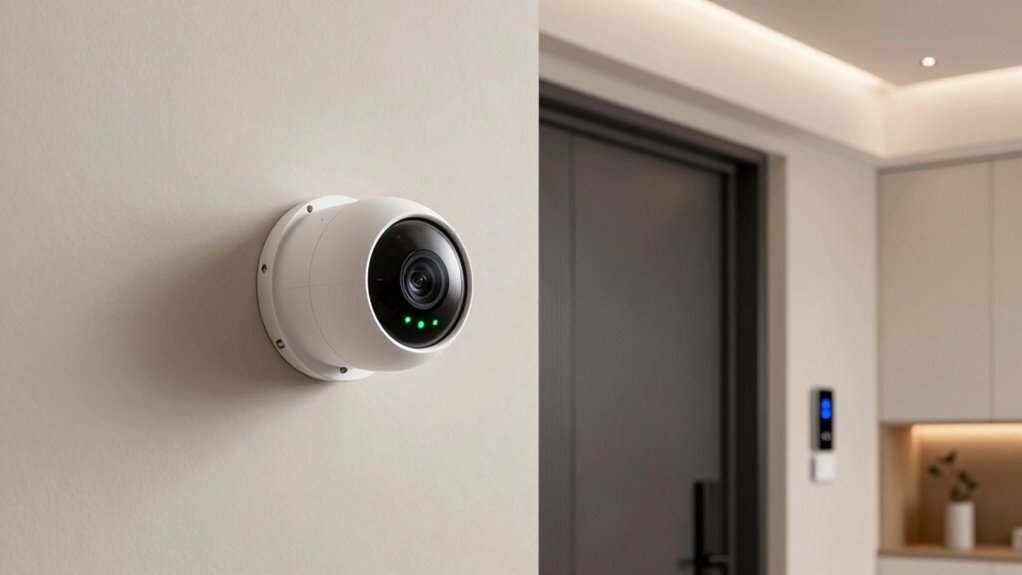
Maintaining a secure and organized smart home system requires ongoing attention to detail and proactive management. To address privacy concerns, regularly review your device permissions and update security settings to prevent unauthorized access. Use user customization features to tailor your system, ensuring only trusted devices and users can interact with sensitive data. Keep firmware and software up to date, as updates often include security patches that protect against vulnerabilities. Organize your device network by labeling sensors and cameras clearly, making it easier to monitor and troubleshoot. Implement strong, unique passwords and enable two-factor authentication where available. By staying vigilant and customizing your setup, you create a safer, more efficient environment that respects your privacy while maintaining control over your smart home.
Advanced Ways to Enhance Your Camera and Door Sensor Integration
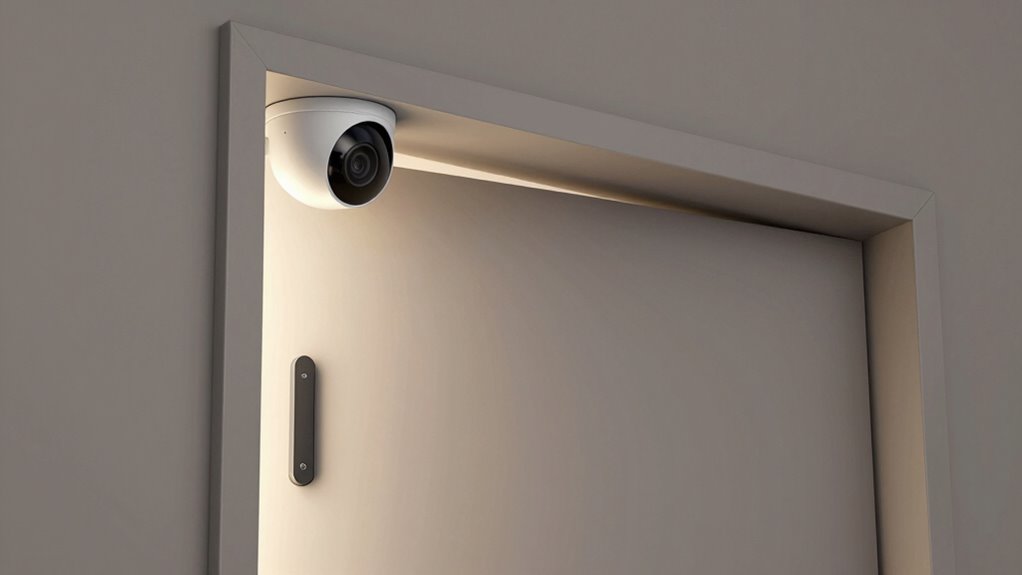
To truly maximize the effectiveness of your camera and door sensor systems, consider integrating advanced features like motion zones, AI-based alerts, and real-time activity tracking. Motion detection can be fine-tuned with customizable zones, reducing false alarms and focusing on critical areas. AI-driven alerts help you identify genuine threats while minimizing unnecessary notifications. As you enhance these features, always prioritize user privacy by configuring settings that limit data sharing and control who accesses your footage. Regularly update your firmware to benefit from security improvements and new functionalities. These advanced tools not only boost security but also ensure your privacy remains protected, giving you confidence that your smart home is both safe and respectful of your personal boundaries.
Frequently Asked Questions
Can I Integrate Multiple Camera Brands With Door Sensors?
Yes, you can integrate multiple camera brands with door sensors if they support compatible protocols or use a smart home hub. Check each device’s camera compatibility and sensor integration options. Using a centralized system like SmartThings or Hubitat simplifies the process, allowing you to connect different brands seamlessly. Make sure to verify compatibility beforehand to guarantee smooth operation and consistent alerts across your security setup.
What Privacy Considerations Should I Keep in Mind?
Prioritize privacy concerns and data security when managing camera and sensor integrations. You should be mindful of who accesses your footage, ensure encrypted data transmission, and regularly update your security settings. Limit access to sensitive information, and be transparent about surveillance practices. Protect personal privacy by complying with local laws and informing household members or visitors about monitoring, so you safeguard security while respecting privacy boundaries.
Is Professional Installation Necessary for Complex Setups?
You don’t necessarily need professional installation for complex setups, especially if you’re comfortable with a DIY setup. While DIY options save you money, they might require more time and technical skill. A professional installation guarantees everything’s wired correctly and integrated seamlessly, which could be worth the cost comparison if you prefer a hassle-free, reliable system. Consider your experience and the complexity of your setup to decide if professional help is necessary.
How Does Battery Life Affect Sensor Performance?
Think of your sensor’s battery like a delicate heartbeat—when battery drain speeds up, sensor performance falters, losing its sharpness and reliability. A shorter battery life means quicker wear, reducing sensor longevity and risking missed alerts. To keep your system humming smoothly, choose devices with efficient power use, monitor battery levels regularly, and replace or recharge batteries promptly. This way, your sensors stay alert, ensuring your home’s safety remains unwavering.
Can I Customize Notification Settings for Different Events?
Yes, you can customize notification settings to receive event-specific alerts. You simply access your app’s notification customization options, then set preferences for different events like door openings or camera motion. This way, you only get alerts for what matters most to you. Adjusting these settings helps you stay informed without unnecessary notifications, ensuring you’re always aware of important activities around your home.
Conclusion
Think of your smart home like a well-orchestrated symphony, where each device plays its part in harmony. When you seamlessly connect your cameras and door sensors, you create a security system that’s both intuitive and reliable. I once saw a homeowner catch a porch thief thanks to this integration—proof that the right setup turns chaos into calm. With a little effort, you can transform your home into a fortress that’s always one step ahead.