
To stop your smart devices from talking to each other, you can disable the ‘Device Communication’ setting on your smart platform or device app. This setting controls whether devices share data and interact, so turning it off isolates them for better privacy and security. Depending on your system—whether Alexa, Google Home, or Apple HomeKit—the steps vary. Keep exploring the options to guarantee your devices stay secure and private; more details ahead will guide you through each step.
Key Takeaways
- Disable device communication or sync settings in your smart home platform’s app, such as Alexa, Google Home, or Apple HomeKit.
- Turn off routines or automation that enable device interactions to prevent devices from talking to each other.
- Adjust privacy permissions and settings to restrict data sharing and device communication within the app.
- Use network segmentation or isolate devices on separate Wi-Fi networks to block inter-device communication.
- Enable device isolation features or disable “Allow Access” options to prevent devices from communicating directly.

Amazon Echo Hub (newest model), 8” smart home control panel, Designed for Alexa+, Compatible with thousands of devices
Echo Hub — An easy-to-use Alexa-enabled control panel for your smart home devices—just ask Alexa or tap the…
As an affiliate, we earn on qualifying purchases.
As an affiliate, we earn on qualifying purchases.
Why Might You Want to Disable Device Communication?
You might want to disable device communication if you’re concerned about your privacy. When devices communicate freely, they share data that could reveal personal habits or sensitive information. Enabling device isolation creates a barrier, preventing these devices from talking to each other and reducing potential security risks. This approach helps protect user privacy by limiting the amount of data exchanged and stored. If you value control over your information and want to minimize the chances of unauthorized access, disabling device communication is a smart move. It also simplifies your digital environment, making it easier to monitor and manage. Additionally, local automation can be maintained without device communication, allowing for customized routines without compromising privacy. Limiting device interaction also reduces the risk of security vulnerabilities being exploited through interconnected systems. Understanding network segmentation can further enhance your security strategy by isolating devices into separate zones. Implementing privacy-conscious settings can help you tailor your device behavior to your comfort level. Being aware of inter-device data sharing practices can help you make informed choices about your network setup. Ultimately, turning off device communication gives you peace of mind that your smart devices aren’t sharing more than you want them to.

Professional Network Tool Kit, ZOERAX 14 in 1 – RJ45 Crimp Tool, Cat6 Pass Through Connectors and Boots, Cable Tester, Wire Stripper, Ethernet Punch Down Tool
✅【All-in-One Professional Kit with Sturdy Case】This premium network tool kit comes in a lightweight yet heavy-duty case that…
As an affiliate, we earn on qualifying purchases.
As an affiliate, we earn on qualifying purchases.
What Is the ‘Device Communication’ Setting and How Does It Work?
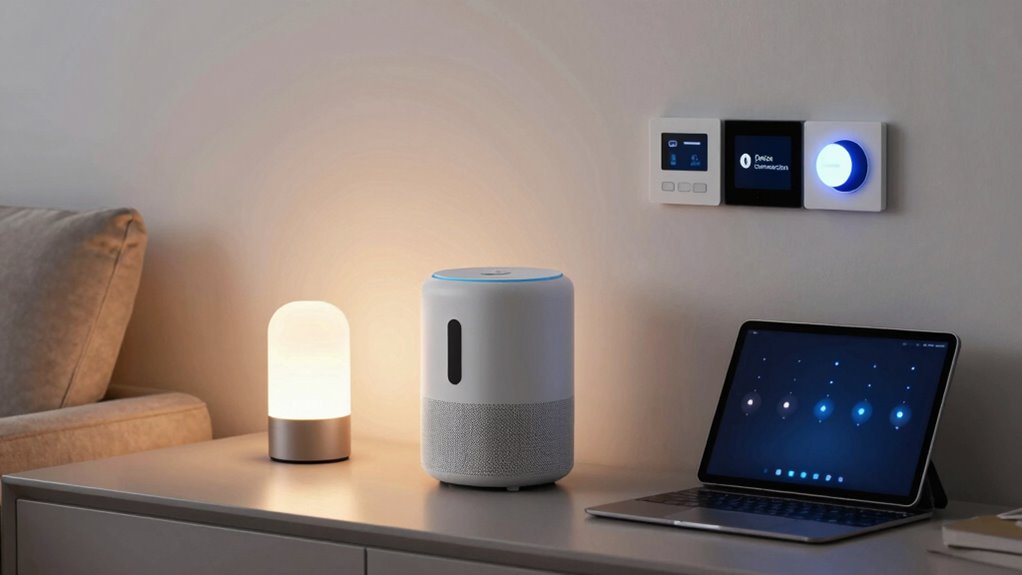
The ‘Device Communication’ setting controls whether your smart devices can talk to each other and share data. When enabled, it facilitates device interoperability, allowing multiple devices to work together seamlessly. This setup relies on communication protocols, like Zigbee or Z-Wave, which define how devices exchange information. If you want your smart home to operate smoothly, leaving this setting on is essential. However, turning it off isolates devices, preventing them from communicating or sharing data. This can enhance privacy and security by reducing potential points of vulnerability. Understanding how this setting works helps you control your smart ecosystem more effectively. Whether you want connected automation or isolated devices, knowing the role of device interoperability and communication protocols is key. Additionally, adopting energy-efficient cloud servers supports sustainable smart home solutions and enhances overall system security. These protocols enable devices to interoperate reliably, ensuring your smart home functions as intended while maintaining security standards. Proper management of this setting can also minimize security risks associated with device communication. Moreover, enabling secure encryption methods can further protect your devices from unauthorized access and data breaches. Recognizing the importance of standardized communication protocols can help optimize device compatibility and future-proof your smart home setup.

Ring Alarm 14-Piece Kit (newest model), Wireless smart home or business security system, expandable, easy setup, Mobile App Control, 24/7 Professional Monitoring, Alexa Compatible
A great fit for 2-4 bedroom homes, this Alarm Kit includes one Base Station, two Keypads, eight Contact…
As an affiliate, we earn on qualifying purchases.
As an affiliate, we earn on qualifying purchases.
How to Turn Off Device Communication on Amazon Alexa
To stop Alexa from talking to your devices, you can disable device sync and manage routines to limit communication. Adjust your privacy settings to control what data is shared and how devices interact. These steps give you direct control over your smart devices’ conversations and connections. Additionally, you can explore Free Floating options to customize your device interactions further. Enabling privacy controls helps protect your data and reduces unintended device interactions. Understanding home energy integration can also assist in managing how devices communicate within your smart home ecosystem. Incorporating system wiring basics can help identify potential points of unintended communication between devices, especially when considering the connected home fitness ecosystem that involves multiple smart devices working together.
Disable Device Sync
Disabling device sync on Amazon Alexa prevents your smart devices from communicating with each other, enhancing your privacy and reducing unnecessary interactions. When you turn off device sync, you limit device interoperability, ensuring that voice control commands don’t trigger multiple devices unexpectedly. This helps create a more controlled and private smart environment. Additionally, creating calm and organized homes becomes easier when device interactions are limited and predictable. Understanding how device communication works can help you better manage your smart home setup and improve overall security. To disable device sync effectively: 1. Open the Alexa app and go to Settings. 2. Select your device, then tap “Device Settings.” 3. Turn off “Device Sync” or “Communication” options as available. Controlling smart device interactions is crucial for maintaining a secure and private connected environment. Being aware of privacy safeguards can further protect your personal information in a connected environment.
Manage Alexa Routines
Managing Alexa routines allows you to control how your devices communicate and respond to commands, helping you prevent unintended interactions. To stop devices from talking to each other, review your existing routines and disable or modify those that trigger device pairing or interactions. You can do this through the Alexa app by exploring the Routines section. Look for routines that initiate actions based on voice commands or device pairing events, then turn them off or adjust their settings. This prevents Alexa from automatically linking devices or executing sequences that cause communication. Understanding how routines work can help you customize device behavior effectively. By managing routines carefully, you can ensure your smart devices only respond to your commands and don’t talk to each other unless you want them to. Additionally, routine configuration can give you greater control over device interactions, making your smart home setup more secure and predictable.
Adjust Privacy Settings
Adjusting your privacy settings is an effective way to prevent your Alexa devices from talking to each other without your consent. By modifying these settings, you control voice control features and reduce unnecessary data sharing. To turn off device communication:
- Open the Alexa app on your smartphone.
- Navigate to Settings > Privacy > Alexa Privacy.
- Disable options related to “Allow Voice Control” and “Share Data Between Devices.”
- Reviewing privacy controls helps ensure your personal information remains protected and your device interactions are limited. Understanding device communication protocols can further help you customize your privacy settings.
This limits how your devices interact and keeps your personal information protected. Disabling voice control reduces the chance of unintended commands, while limiting data sharing ensures your information isn’t exchanged unnecessarily. These adjustments give you more control over your smart device ecosystem and help maintain your privacy, keeping your smart home more secure and less prone to unintentional device talk.

Humanodoro Phone Access Blocker Device, Smart Focus Pad with Free App, NFC App Blocker, Reduces Screen Time, Improves Focus for Work and Study, Stay Present for Family Time
Turn Your Phone Back Into a Tool: Humanodoro combines a smart Pad and free app to reduce scrolling…
As an affiliate, we earn on qualifying purchases.
As an affiliate, we earn on qualifying purchases.
Disable Device Communication on Google Home and Nest
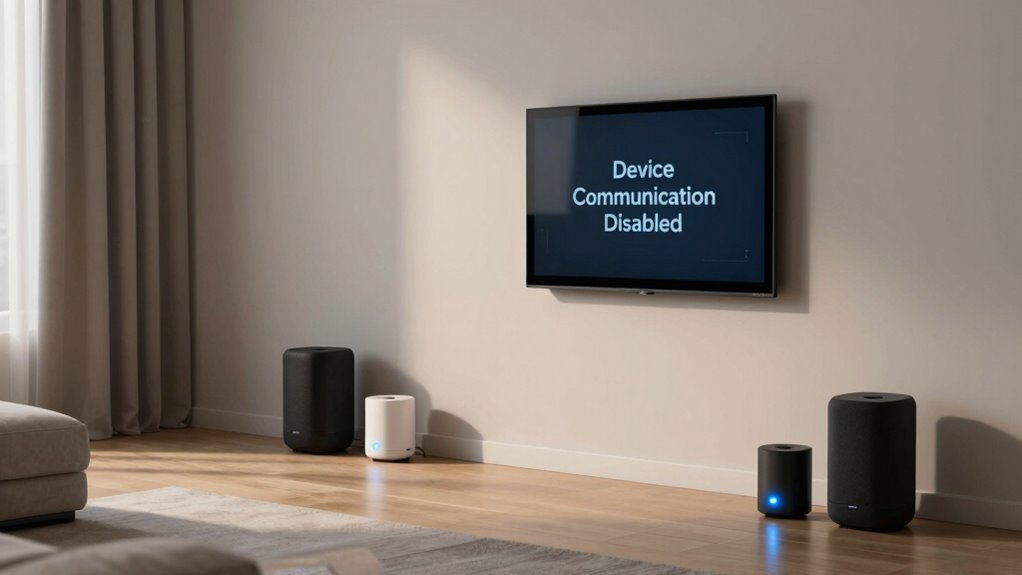
To stop Google Home and Nest devices from talking, you need to manage device permissions and adjust privacy settings. Limiting cross-device access guarantees your devices don’t communicate unnecessarily. Taking these steps helps protect your privacy while controlling how your smart devices interact. Additionally, understanding the device communication settings can further enhance your control over connected devices.
Managing Device Permissions
If you want to prevent your Google Home and Nest devices from talking or sharing information, controlling their permissions is essential. Managing device permissions allows you to restrict how your devices interact, enhancing your privacy controls. To do this effectively:
- Review app permissions regularly to limit access to sensitive data.
- Disable or restrict device interactions through the Google Home app settings.
- Turn off permissions for specific devices to prevent them from communicating with each other.
Adjusting Privacy Settings
By turning off device communication in your Google Home and Nest settings, you can prevent your devices from sharing information and talking to each other. This adjustment enhances your privacy by reducing data flow between devices. When you disable communication, your devices no longer transmit data, minimizing potential security risks, especially if you’re concerned about data encryption vulnerabilities. It also respects your user consent, giving you control over what information is shared. This setting helps you maintain a safer smart home environment, ensuring that your personal data isn’t automatically exchanged or stored without your approval. Remember, making this change doesn’t affect device functionality unrelated to communication, so you can enjoy your smart devices with added privacy and peace of mind.
Limiting Cross-Device Access
Disabling device communication in your Google Home and Nest settings prevents your smart devices from accessing each other’s functions and sharing data. This device isolation promotes your privacy by limiting inter-device interactions. By turning off cross-device access, you prevent unintended commands, reduce data sharing, and strengthen privacy safeguards. Consider these key points:
- Limits device interactions, reducing potential vulnerabilities.
- Ensures your devices don’t exchange data without permission.
- Provides a straightforward way to enhance privacy and control.
This setting is especially useful if you want to prevent your smart devices from communicating with each other, ensuring a more isolated and private smart home environment. It’s a simple step toward privacy enhancement and gaining peace of mind in your connected space.
Turning Off Device Communication in Apple HomeKit
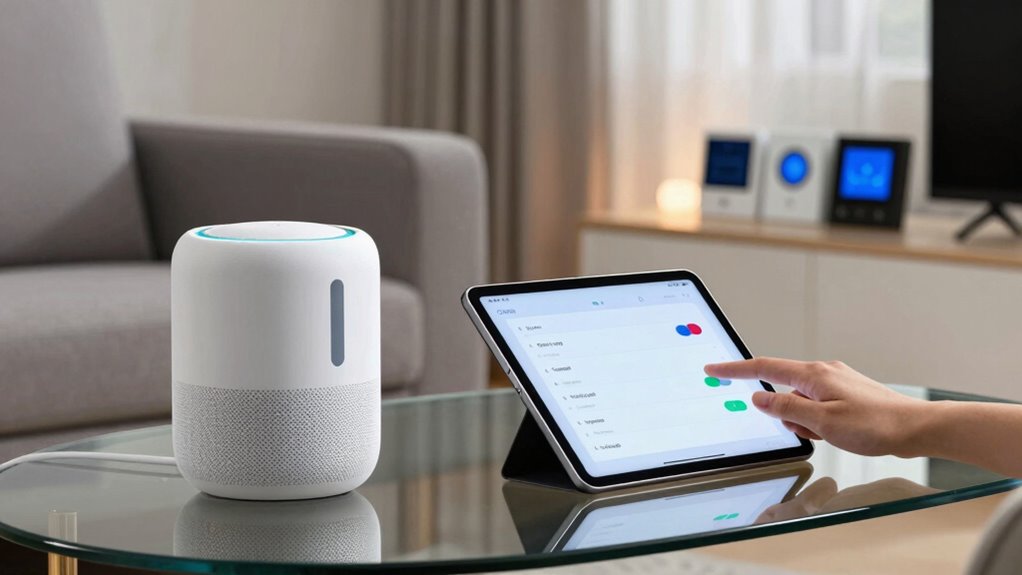
To stop your Apple HomeKit devices from communicating with each other or with Siri, you need to turn off device communication within the app or through your device settings. Doing this enhances your device security and user privacy by preventing unauthorized access or data sharing between devices. To disable communication, open the Home app, select your device or scene, then toggle off “Allow Access” or “Communication Between Devices.” This simple step isolates devices, reducing potential vulnerabilities. Here’s a quick overview:
| Action | Result |
|---|---|
| Turn off “Allow Access” | Stops device interaction |
| Disable “Communication Between Devices” | Protects privacy |
| Adjust device settings | Limits data sharing |
| Use separate networks | Isolates devices |
| Regularly review permissions | Ensures security |
This approach guarantees your smart setup remains private and secure.
Troubleshooting Connectivity and Functionality After Disabling Devices
After turning off device communication, you might notice that some smart devices no longer respond or connect as they did before. This is a sign of device isolation impacting functionality. To troubleshoot, consider these steps:
- Check network settings to ensure devices are on the same Wi-Fi network, which can restore basic connectivity.
- Restart affected devices to re-establish communication pathways.
- Review privacy enhancement settings that may restrict device interactions, and adjust if necessary.
Disabling communication enhances privacy but can limit features. If devices still don’t connect, you may need to re-enable certain connections temporarily. Remember, device isolation improves privacy but requires careful management to balance security and functionality.
Privacy Tips to Keep Your Smart Devices Secure
Keeping your smart devices secure requires proactive privacy measures, especially as they become more integrated into your daily life. To address privacy concerns, consider isolating devices that don’t need to communicate with each other. This reduces the risk of data breaches and unauthorized access. You can also disable unnecessary features and regularly update your device firmware. Use strong, unique passwords for each device and enable two-factor authentication where possible. Here’s a quick guide:
| Action | Effect | Tips |
|---|---|---|
| Enable device isolation | Limits device communication, enhancing security | Use network segmentation or guest networks |
| Disable voice recordings | Prevents data collection and privacy breaches | Turn off voice history in settings |
| Regular updates | Fixes security vulnerabilities | Check for updates monthly |
| Change default passwords | Protects against unauthorized access | Use complex, unique passwords |
| Review privacy settings | Controls data sharing and device functions | Adjust permissions to your comfort level |
Frequently Asked Questions
Can Disabling Device Communication Improve Overall Smart Device Security?
Disabling device communication can improve your smart device security by preventing potential malware spread and unauthorized access. By implementing network segmentation and device isolation, you limit how devices interact, reducing vulnerabilities. You make it harder for hackers to move laterally within your network. While this might limit some functionalities, it markedly enhances security, ensuring that if one device is compromised, others remain protected and isolated from potential threats.
Will Turning off Device Communication Affect Device Firmware Updates?
Turning off device communication can stop firmware updates in their tracks, like a gate slammed shut. Without communication, your devices can’t receive the latest firmware, which is essential for update security. This might leave your devices vulnerable to exploits. So, if you disable communication, you’re fundamentally cutting off their lifeline to critical updates, risking outdated security patches that can be exploited by cyber threats.
Is There a Way to Selectively Disable Communication Between Specific Devices?
Yes, you can selectively disable communication between specific devices using device segmentation or network isolation. By creating separate network segments or VLANs, you isolate certain devices, preventing them from communicating with others while still allowing firmware updates if properly configured. This approach gives you control over device interactions, ensuring privacy and security, without affecting the entire network’s connectivity or update capabilities.
How Does Disabling Device Communication Impact Voice Assistant Functionalities?
Disabling device communication is like putting a wall between your smart gadgets, which can silent your voice assistant‘s abilities. You might notice limited device interoperability, making it harder for commands to flow seamlessly. While it boosts privacy concerns by isolating devices, it also means your voice assistant might not access all functions or integrate with other smart systems as effortlessly. You trade convenience for control, ensuring your privacy stays in your hands.
Are There Alternative Methods to Enhance Privacy Without Disabling Device Communication?
Yes, you can enhance privacy without disabling device communication by adjusting privacy settings and using user control options. You can limit data sharing, disable voice recording features, or turn off specific communication protocols. Regularly reviewing privacy settings guarantees you maintain control over your devices’ interactions, protecting your personal information while still enjoying smart device benefits. This way, you balance privacy with device functionality effectively.
Conclusion
Turning off device communication acts like closing a gate to unwanted chatter, giving you more control and peace of mind. While it might limit some smart features, it also keeps your privacy shielded from prying eyes. Think of it as tuning a radio to only hear your favorite station—you decide what gets through. So, weigh your needs carefully, and enjoy a smarter, more private home where you’re the one in charge of the conversation.