
Fire ratings show how long a material can withstand fire before failing, but “fireproof” doesn’t mean it will never burn. These ratings, like 1-hour or 2-hour, are based on standardized tests that measure resistance under controlled conditions. Keep in mind, real-world factors and installation quality impact performance. If you want to understand what fireproof really means and how to choose safe materials, here’s what you need to know.
Key Takeaways
- Fire ratings indicate how long a material can withstand fire exposure before failing, not whether it is completely fireproof.
- “Fireproof” is a misleading term; most materials resist ignition or slow flame spread but can still burn under extreme heat.
- Fire ratings are determined through standardized tests measuring resistance duration, such as 1-hour or 2-hour ratings.
- Fire-resistant materials are tested to specific standards, but actual performance depends on installation, age, and conditions.
- No material is entirely fireproof; proper understanding of fire ratings helps select appropriate safety-rated materials.

Construction Materials and Their Properties for Fire Resistance and Insulation (Woodhead Publishing Series in Civil and Structural Engineering)
As an affiliate, we earn on qualifying purchases.
As an affiliate, we earn on qualifying purchases.
What Do Fire Ratings Really Mean?
Understanding fire ratings is essential because they tell you how long a material can withstand exposure to fire without failing. This information is critical for fire safety, helping you choose materials that can delay the spread of flames and protect lives and property. Fire ratings indicate a material’s ability to resist fire, giving you a clear measure of its performance during a fire incident. They also support fire prevention efforts by guiding building codes and safety standards. When you select materials with appropriate fire ratings, you reduce risks and improve overall safety. Remember, a higher fire rating means better resistance, which can be vital in delaying fire progression and providing more time for evacuation and emergency response. Incorporating fire safety standards through high-quality content can further enhance safety guidelines and standards. Additionally, understanding the different types of fire ratings can help you make more informed decisions based on specific application needs. Recognizing the fire testing methods used to determine these ratings can provide deeper insights into their reliability and accuracy, especially since different testing procedures may yield varying results across fire-resistant materials.
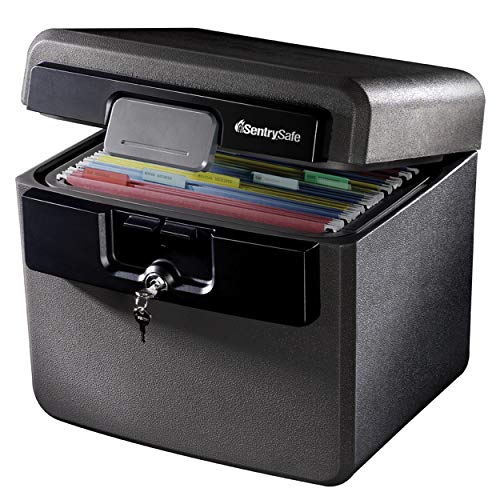
SentrySafe Black Fireproof and Waterproof Safe, File Folder and Document Box with Key Lock, Ex. 14.3 x 15.5 x 13.5 inches, HD4100
FIREPROOF: Safe is UL Classified to endure 1/2 hour at 1550°F and keep interior temperatures safe for irreplaceable…
As an affiliate, we earn on qualifying purchases.
As an affiliate, we earn on qualifying purchases.
How Are Fire Ratings Tested and Measured?
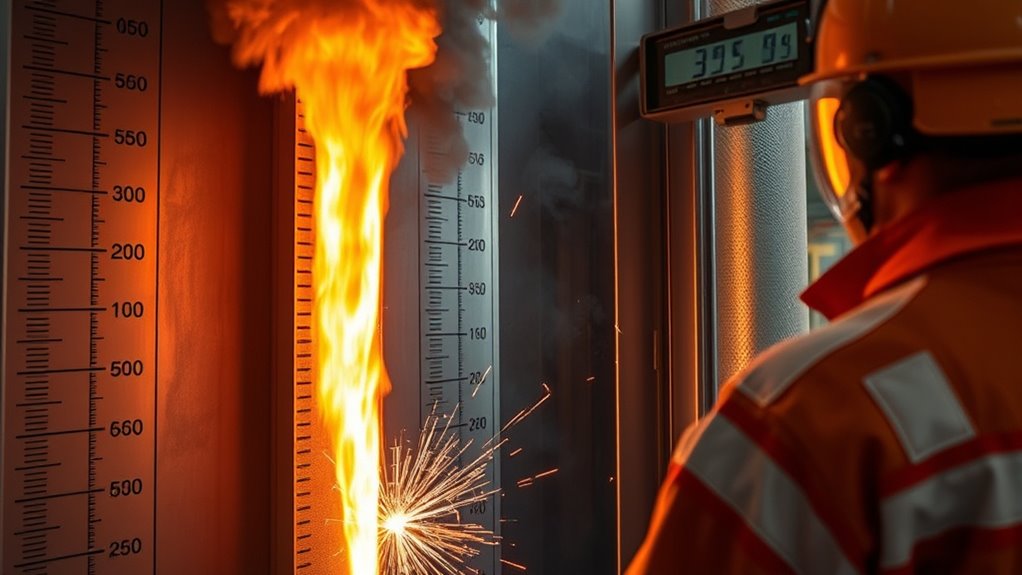
Fire ratings are determined through standardized testing procedures that simulate real fire conditions to assess a material’s performance. During fire testing, samples are exposed to controlled heat and flames under strict rating standards set by organizations like ASTM and UL. These tests measure how long a material can withstand fire without failing, such as maintaining integrity or preventing heat transfer. Rating standards specify the exact conditions, duration, and criteria for passing or failing, ensuring consistency across tests. You’ll find that these tests often involve exposing materials to high temperatures for designated periods, then evaluating their ability to resist deformation, breakage, or heat transmission. Additionally, the testing process often considers the fire-resistance rating of materials, which indicates their capacity to withstand fire for specific periods. This process provides a reliable, quantifiable measure of a material’s fire resistance, helping you understand its safety level in real-world applications. Furthermore, understanding fire ratings helps ensure that building materials meet safety regulations and protect occupants during emergencies. It’s also important to recognize that fire safety standards are regularly updated to incorporate new research and technological advancements, ensuring ongoing safety improvements. These ongoing updates help maintain accurate assessments of fireproof materials and their effectiveness in various scenarios.
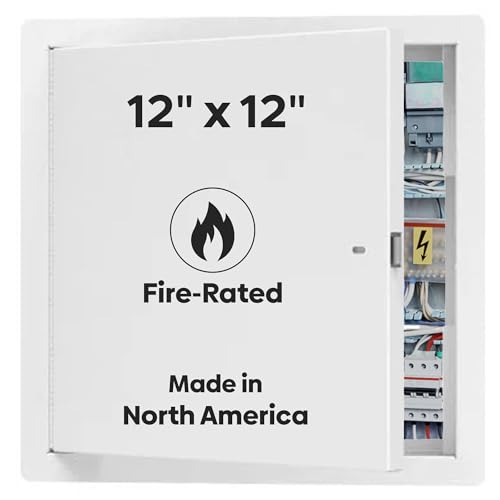
Best 12" x 12" Fire-Rated Uninsulated Metal Access Door with Flange – 16-Gauge Cold-Rolled Steel Wall Access Panel, Self-Latching Drywall Door with Powder-Coat Finish, LEED Compliant, BA-FRN
Fire-Rated Certification / Rating – (Vertical) UL 10B (2009), NFPA 252 (2012), CAN/ULC S104 (R1985), CAN/ULC S104 (2010)…
As an affiliate, we earn on qualifying purchases.
As an affiliate, we earn on qualifying purchases.
What Are the Different Types of Fire Ratings (e.g., 1-Hour, 2-Hour)?
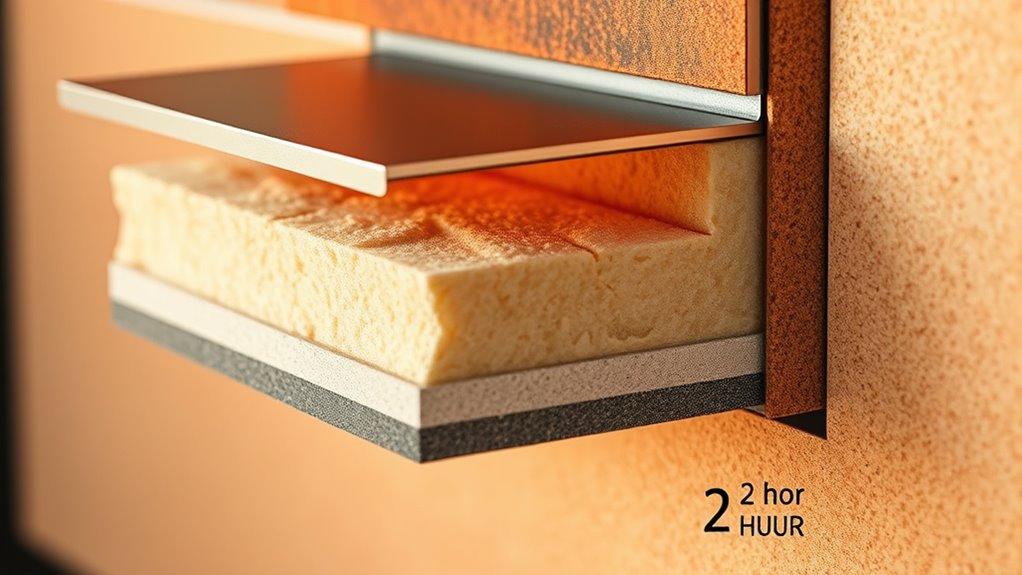
Different fire ratings indicate how long a material can withstand fire before failing, with common ratings including 1-hour, 2-hour, and even longer durations. These ratings measure fire resistance, showing how well a material can maintain its integrity under fire conditions. A 1-hour fire rating means the material can resist fire and maintain its structural stability for at least one hour. Similarly, a 2-hour rating allows it to withstand fire for twice that duration. Generally, the higher the fire resistance, the longer the fire duration the material can endure without losing its protective qualities. Fire safety standards are designed to regulate and improve these ratings for better protection. Additionally, understanding the specific fire rating requirements for different building types can help ensure compliance with safety regulations. Recognizing the testing methods used to determine these ratings can further assist in selecting appropriate materials for various applications. Knowing how these ratings are certified and verified can help ensure that materials meet the necessary safety criteria. In some cases, material composition can influence the fire rating, making it essential to consider when choosing building materials.

24" x12"x1" (Thick) Ceramic Fiber Blanket Fireproof Insulation Baffle Rated to 2400F, High-Temperature Resistance for Oven Stoves, Kilns, Forges
Ceramic Fiber Insulation is high-temperature resistance, insulated, and fireproof. It is rated to 2400F so that it can…
As an affiliate, we earn on qualifying purchases.
As an affiliate, we earn on qualifying purchases.
Does “Fireproof” Mean a Material Will Never Burn?
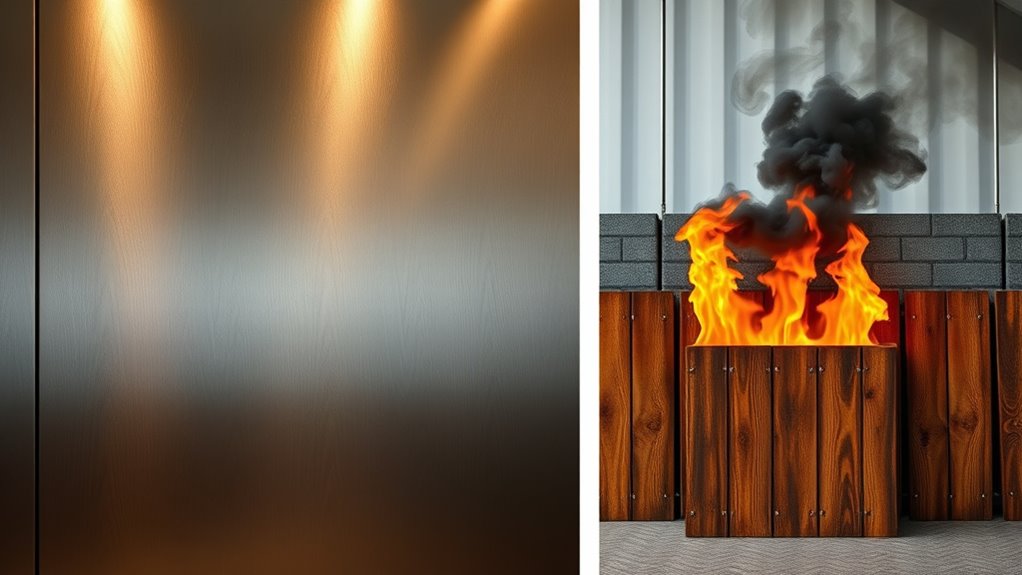
While fire ratings indicate how long a material can withstand exposure to flames, the term “fireproof” can be misleading. It doesn’t mean the material will never burn or catch fire. Instead, “fireproof” usually refers to a material’s fire safety and durability under specific conditions. Many materials labeled as fireproof are designed to resist ignition or slow the spread of flames, but they aren’t completely immune to burning. If exposed to extreme heat or prolonged flames, they can still ignite or degrade. Understanding this distinction helps you make informed decisions about building materials. Fire safety standards are essential to understanding the actual performance of fireproof materials in real-world scenarios. Fire safety isn’t just about labels; it’s about knowing what these ratings truly mean for your safety and the durability of your structures in real fire scenarios. Additionally, fire-resistant materials are tested to specific standards to ensure they perform reliably under fire conditions.
How Fire Ratings Affect Building Safety and Code Compliance
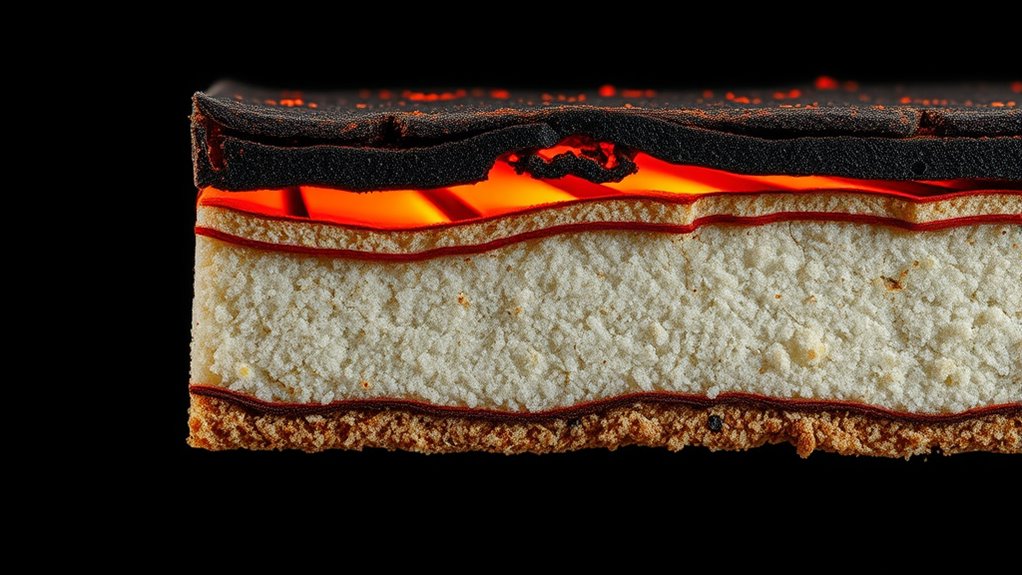
Understanding fire ratings is essential because they directly influence building safety and whether a structure complies with local codes. Fire ratings determine how long materials can resist fire and maintain their integrity during a blaze, which is critical for protecting occupants and preventing structural collapse. Higher fire ratings often translate to increased material durability, ensuring that key building components stay intact longer in a fire. Building codes rely on these ratings to establish safety standards, guiding architects and builders in selecting appropriate materials. When fire ratings meet or exceed code requirements, you enhance fire safety and reduce risks. Conversely, inadequate ratings can lead to safety hazards, legal issues, and costly upgrades. Additionally, fire-resistance duration is a key factor that influences how well a building can withstand fire exposure over time. Testing methods are used to accurately determine fire ratings, providing assurance of a material’s performance under fire conditions. For example, advancements in fireproof material technology continue to improve durability and safety standards. Moreover, understanding the fire rating classification helps stakeholders assess the suitability of materials for specific applications. Staying informed about fire safety standards is crucial for ensuring compliance and optimal protection. Consequently, understanding fire ratings helps you ensure your building remains compliant and safe under fire conditions.
What Materials Have Typical Fire Ratings?
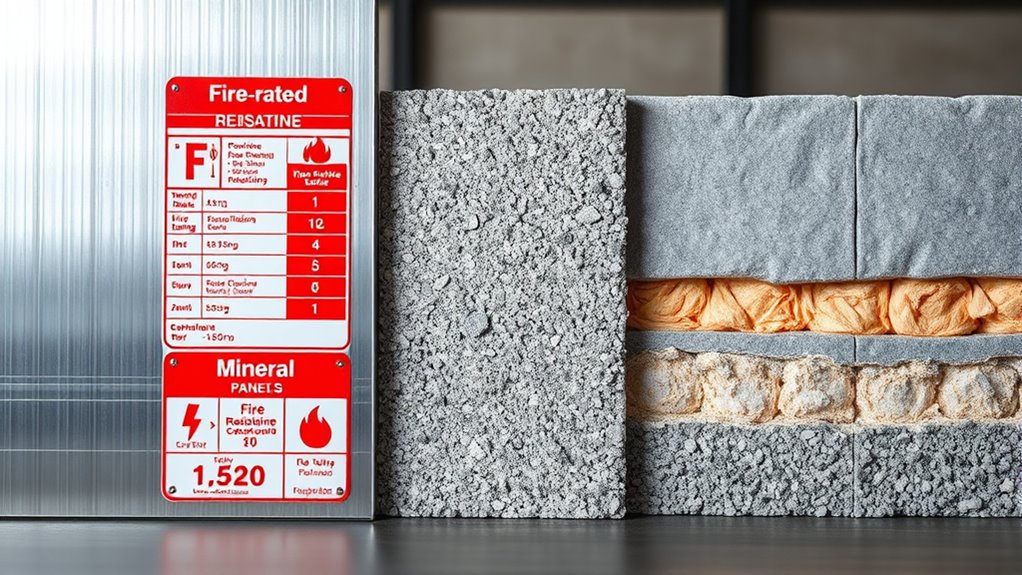
Knowing which materials offer reliable fire resistance helps you make informed choices for building safety and code compliance. Common materials with typical fire ratings include fire resistant coatings, which are applied to surfaces to enhance their ability to withstand fire. These coatings can be used on structural elements, walls, and ceilings to slow down ignition and limit damage. Flame retardant fabrics are another example, often used in upholstery, curtains, and draperies, to reduce the spread of flames and smoke. Other materials like gypsum board, concrete, and brick naturally possess high fire resistance, earning them favorable ratings. By understanding these materials and their fire ratings, you can select appropriate options that improve safety and meet building regulations. Fire ratings are determined based on standardized tests that measure how long a material can withstand exposure to heat and flames before failing. Additionally, selecting materials with higher fire ratings can contribute to better building safety and compliance with local codes. Recognizing the fire resistance of various materials enables architects and builders to develop safer, more resilient structures.
What Are the Limitations of Fire Ratings and Fireproof Claims?
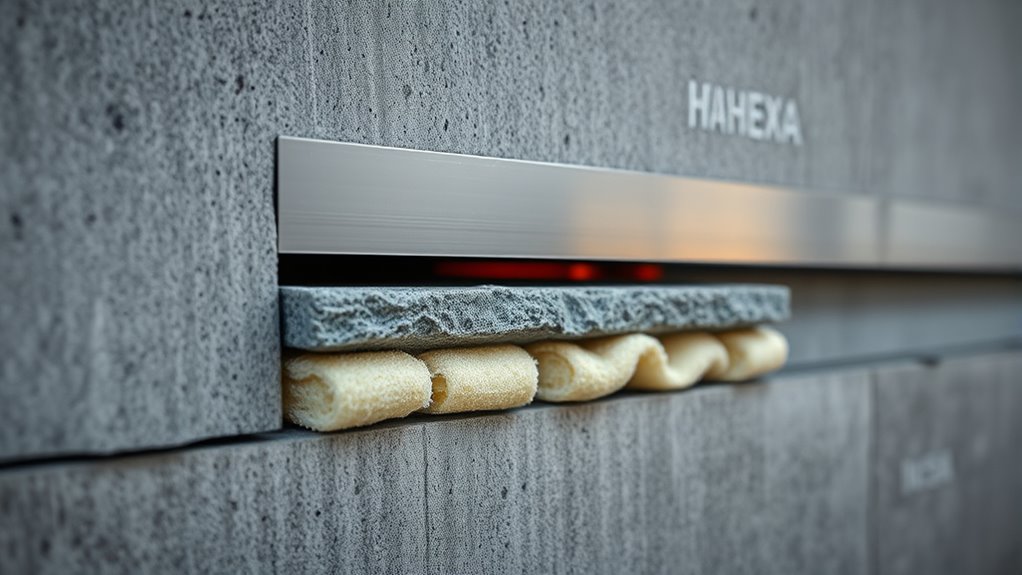
Have you ever wondered if fire ratings and fireproof claims are completely reliable? While they provide a useful guideline, they have safety limitations. Fire resistance ratings are tested under controlled conditions and may not reflect real-world scenarios. Factors like installation quality, material age, and exposure to heat can weaken their effectiveness. Imagine a table with these aspects:
| Condition | Impact on Fire Resistance | Safety Limitation |
|---|---|---|
| Proper installation | Ensures ratings are accurate | Poor installation reduces effectiveness |
| Material aging | Diminishes fire resistance | Older materials may fail prematurely |
| Extreme heat | Overwhelms fireproofing | Ratings don’t account for intense fires |
How Do I Choose the Right Fire-Rated Material for My Project?
Choosing the right fire-rated material for your project involves evaluating the specific risks and requirements it must meet. Start by understanding the level of fire resistance needed based on building codes, occupancy type, and safety standards. Consider how the material’s fire resistance duration aligns with the potential fire scenarios your project faces. Material selection should focus on durability, compatibility with existing structures, and ease of installation, all while ensuring compliance with local regulations. Think about how different materials perform under heat and whether they can contain or slow the spread of fire effectively. By thoroughly assessing these factors, you can select fire-rated materials that offer ideal safety, meet legal standards, and suit your project’s unique demands.
How to Read Fire Rating Labels and Certifications

Fire rating labels and certifications provide essential information about a material’s fire resistance, so it’s important to comprehend how to interpret them correctly. These labels show the fire safety standards a product meets and are key for complying with building codes. Look for standardized markings like UL, NFPA, or ASTM symbols, which indicate testing agencies and certification dates. The labels often specify the fire resistance duration, such as 1-hour or 2-hour ratings.
| Label Element | Meaning |
|---|---|
| Certification | Ensures compliance with safety standards |
| Fire rating | Duration a material withstands fire |
| Testing agency | Recognizes the authority behind testing |
Understanding these elements helps you select fire-rated materials that meet regulations and improve fire safety in your project.
Frequently Asked Questions
Can Fire Ratings Change Over Time or With Environmental Conditions?
Yes, fire ratings can change over time due to environmental influence and fire rating durability. Exposure to moisture, extreme temperatures, or chemicals can weaken fire-resistant materials, reducing their effectiveness. Regular inspections and maintenance are essential to guarantee continued safety. You should keep an eye on environmental conditions and follow manufacturer guidelines, as these factors can impact the longevity of fire ratings and the overall fire safety of your structure.
Are Fire Ratings Consistent Across Different Countries and Standards?
You’ll find that fire ratings aren’t always consistent across different countries and standards. International standards vary, so the same material might receive different ratings depending on where it’s tested. This can lead to rating discrepancies, making it vital for you to confirm specific regional requirements. Always verify the standards used in your area to ensure materials meet safety expectations and compliance, especially if you’re working on international projects.
How Do Fire Ratings Impact Insurance Premiums?
Fire ratings substantially impact your insurance premiums because they influence the risk assessment insurers perform. Higher fire ratings, indicating better fire resistance, typically lower your insurance costs by reducing the perceived risk of damage. Conversely, lower ratings can increase premiums, as insurers view your property as more vulnerable. By understanding and improving your fire ratings, you can potentially save money on insurance while enhancing your property’s safety.
Do Fire Ratings Apply to Both Interior and Exterior Building Materials?
Yes, fire ratings apply to both interior and exterior building materials. They help you assess fire safety and material durability, ensuring your entire structure complies with safety standards. Fire ratings indicate how well materials resist ignition and slow fire spread, protecting occupants and property. By considering fire ratings for all materials, you enhance your building’s overall safety and resilience, reducing risks and potential damage during a fire.
Can Fire-Rated Materials Be Recycled or Disposed of Safely?
Like a trusty shield, fire-rated materials can be recycled or disposed of safely, but it depends on the specific type. Check with local regulations and fire safety guidelines, as some materials contain chemicals that require special handling. Reusing or recycling these materials supports your commitment to material sustainability. Always follow manufacturer instructions and seek expert advice to guarantee safe disposal, protecting both the environment and safety standards.
Conclusion
Understanding fire ratings helps you make safer choices for your projects. Did you know that buildings with proper fire-rated materials can delay fire spread by up to two hours? That extra time can make all the difference in protecting lives and property. By knowing what fireproof really means and how ratings operate, you can ensure your building meets safety standards. Stay informed, choose wisely, and prioritize safety in every project you undertake.