Ring’s privacy and data retention policies prioritize your control and security. They encrypt your videos during upload and storage, keeping your personal information safe from unauthorized access. You’re asked for your consent before sharing footage with law enforcement or third parties. You can review and adjust your privacy settings regularly, and the company updates these policies to keep you informed. To learn more about how your data is protected and managed, keep exploring the details.
Key Takeaways
- Ring encrypts video footage during upload and storage to protect user data from unauthorized access.
- Users must provide explicit consent before sharing footage with law enforcement or third parties.
- Ring’s policies outline data collection, usage, retention periods, and user rights to review or delete their data.
- Privacy settings allow users to control who can access their videos and adjust sharing preferences at any time.
- Ring regularly updates its privacy notices and encourages users to review policies to stay informed about data management practices.
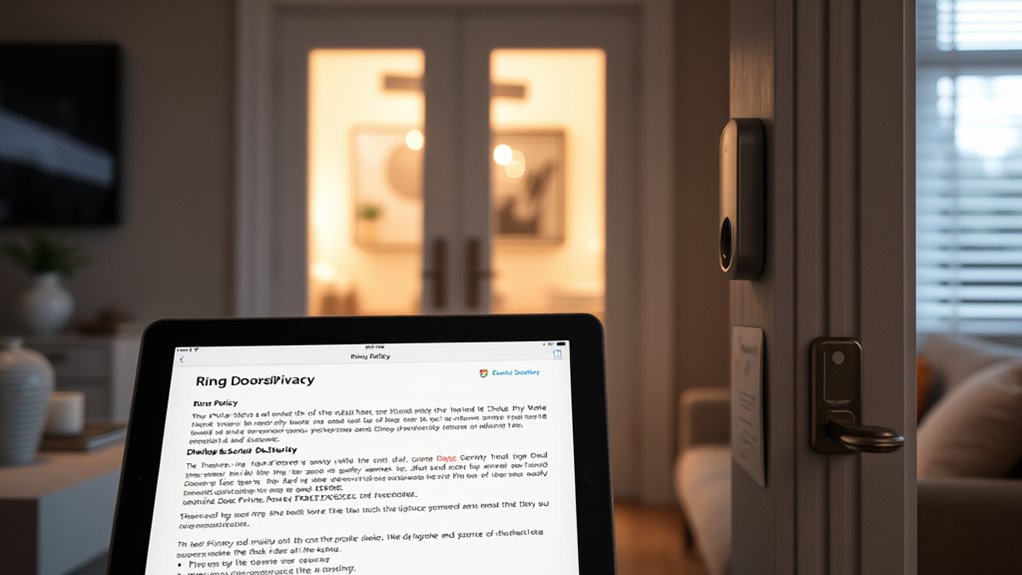
Understanding how Ring manages your data is essential for protecting your privacy. When you use Ring devices, your information passes through various processes that determine how securely it’s stored and shared. One of the core methods Ring employs to safeguard your data is data encryption. This technology transforms your personal information into an unreadable format during transmission and storage, ensuring that unauthorized parties can’t access sensitive footage or details. Encryption acts as a strong barrier against hacking attempts and unauthorized viewing, giving you peace of mind knowing your videos and personal data are protected from cyber threats.
However, encryption alone isn’t enough. Ring’s privacy policies emphasize the importance of user consent. Before your data is collected or shared, Ring clearly explains what information is involved and how it will be used. This transparency allows you to make informed decisions about your privacy. For instance, when you set up your device or update your settings, Ring often prompts you to review and agree to their data collection practices. You have control over certain aspects of your data, such as choosing whether to share footage with law enforcement or participate in data sharing programs. The company relies on your explicit consent to guarantee that you’re aware of, and agree to, how your data is handled.
Ring’s approach involves balancing functionality with privacy. They implement data encryption to secure your footage during upload and storage, but they also seek your consent before sharing any of this data externally. This means you’re not left in the dark about who might access your videos or how they’ll be used. Ring’s privacy policies outline your rights and the company’s responsibilities, reinforcing the importance of user consent in their data management practices. This way, you retain some control over your information, and you can adjust your privacy settings as needed. Additionally, understanding data encryption best practices can further enhance your security and privacy.
To further protect your data, it’s crucial to stay informed about updates to Ring’s policies. Regularly reviewing their privacy notices and settings ensures you’re aware of any changes in how your data is encrypted or shared. Remember, your active participation—through giving or withdrawing consent—plays a vital role in maintaining your privacy. By understanding these processes, you can better navigate the privacy landscape of your Ring devices and make choices that align with your comfort level. Ultimately, knowing how Ring manages your data, especially through encryption and user consent, empowers you to protect your personal information effectively.

3D Printed Adjustable Flip Privacy Lens Cover – Compatible with Ring, Blink, Eufy, Tapo Cameras, Self-Adhesive Sticker, Adjustable Length, Flip Open/Close for Webcam & Home Security Camera
- Universal Compatibility: Fits Ring, Blink, Eufy, Tapo, and more
- Strong Adhesive Mount: Securely attaches without tools or drilling
- Flip Open/Close Design: Instant privacy with simple flip mechanism
As an affiliate, we earn on qualifying purchases.
As an affiliate, we earn on qualifying purchases.
Frequently Asked Questions
How Can I Delete My Ring Account Permanently?
To delete your Ring account permanently, you need to submit a request through Ring’s customer support. Log in to your account, then navigate to the support page or contact their support team directly. Ask for account deletion and data removal. Make sure to verify your identity if needed. Once processed, your account and associated data will be permanently deleted, ensuring your privacy is protected.
Does Ring Share My Data With Third Parties?
Like a secret agent with a mission, Ring does share your data with third-party integrations according to its data sharing policies. They may provide your information to trusted partners to improve services or for security reasons. While they aim for transparency, it’s good to stay aware of these policies, so you know exactly how your data flows. Always review their latest policies to stay in the know, just like a savvy spy.
Can I Customize My Privacy Settings for Specific Devices?
Yes, you can customize your privacy settings for specific devices. Ring offers device-specific controls that let you manage privacy customization easily. You can adjust settings like camera and microphone access, motion detection, and sharing preferences for each device individually. This way, you maintain control over your data and privacy, ensuring that each device aligns with your comfort level and privacy needs. It’s a straightforward way to personalize your security environment.
How Long Does Ring Retain Video Footage?
Did you know that over 80% of Ring users value their footage’s privacy? Ring typically retains video footage for up to 60 days, depending on your account type and subscription plan. Your footage retention policies can vary, but generally, videos are stored securely for this period before automatic deletion. If you want to keep footage longer, you can download and save it locally.
What Are My Options if I Suspect a Data Breach?
If you suspect a data breach, you should immediately contact Ring’s customer support for a data breach response. Follow their security notification procedures, which may include changing your account password, enabling two-factor authentication, and reviewing recent activity. Stay alert for official updates and alerts from Ring. Taking these steps helps protect your personal information and minimizes potential damage from unauthorized access.

GMK 4 Pack Cameras System, Security Cameras Wireless Outdoor, 2K Video
- Resolution: 2K Ultra HD live video
- Night Vision: Full color night vision
- Wireless Setup: Wire-free, easy 3-minute install
As an affiliate, we earn on qualifying purchases.
As an affiliate, we earn on qualifying purchases.
Conclusion
By understanding Ring’s privacy and data policies, you gain control over your digital footprint. Just as a locked door protects your home’s secrets, these policies safeguard your personal space in the digital world. Yet, without awareness, your data might drift like whispers in the wind, unnoticed and vulnerable. Stay informed and vigilant, so you can confidently navigate your connected world, knowing your privacy remains your own sanctuary amid the ever-watchful eyes.
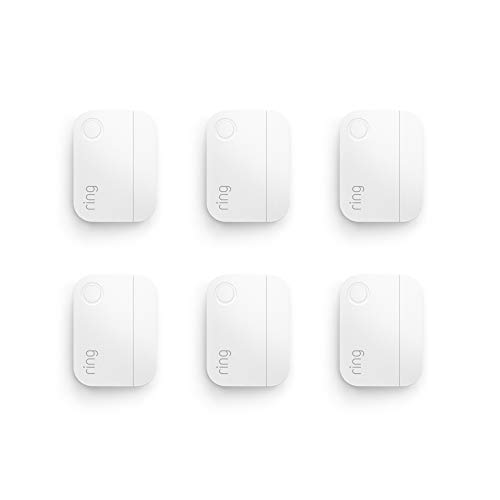
Ring Alarm Contact Sensor 6-Pack – 2nd Gen | Monitor 6 Doors or Windows | Instant Alerts | Approximately 3-Year Battery Life | Slim Design | Easy Installation | Base Station Required
- Instant Mobile Alerts: Receive alerts when doors/windows open
- Compact Design: Smaller size for versatile placement
- Tool-Free Installation: Easy setup without tools
As an affiliate, we earn on qualifying purchases.
As an affiliate, we earn on qualifying purchases.

youkey Hub H310, No Monthly Fee, Surveillance Video Recording Hub with Advanced Encryption, AI Facial Recognition, Cross-Camera Tracking, 16GB Local Storage, 16TB Expandable, 2.4G WiFi/Ethernet
- No Monthly Fees: Built-in 16GB eMMC for local storage
- Expandable Storage: Supports up to 16TB via SATA3.0 HDD/SSD
- Enhanced Privacy: Multi-layer encryption for data security
As an affiliate, we earn on qualifying purchases.
As an affiliate, we earn on qualifying purchases.