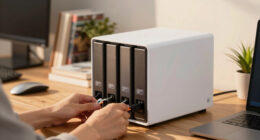
When designing a smart home for aging in place securely, focus on selecting reputable devices with strong encryption and customizable privacy settings. Use secure networks, update software regularly, and opt for local data storage when possible to safeguard your information. Limit data sharing and review device permissions frequently to prevent breaches. Balancing automation with privacy ensures safety and independence without compromising your personal data—exploring these strategies further can help create a truly secure, comfortable environment.
Key Takeaways
- Choose reputable smart devices with strong encryption and customizable privacy settings to protect personal data.
- Limit data sharing by configuring devices to collect only essential information and using local storage options.
- Regularly update device firmware, review permissions, and enable security alerts to safeguard against unauthorized access.
- Balance automation benefits with privacy by customizing settings to restrict unnecessary data collection and sharing.
- Use secure networks with strong passwords and segment home Wi-Fi to prevent potential security breaches.
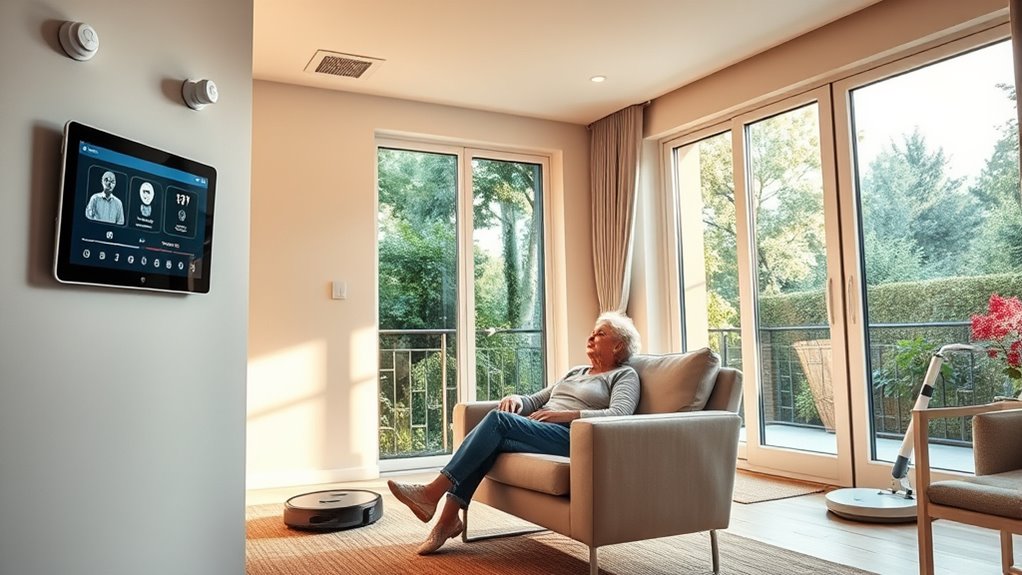
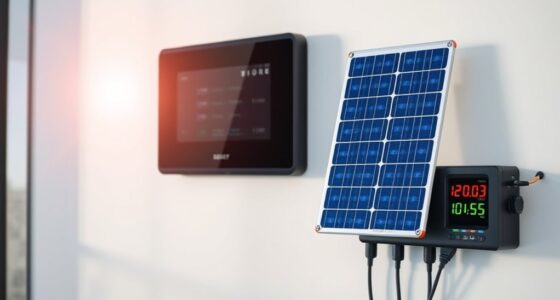
As you plan to age in place, designing a smart home can make daily living safer, more comfortable, and more convenient. One of the key benefits is improved energy efficiency, which not only helps reduce utility bills but also supports a more sustainable lifestyle. You can install smart thermostats that learn your schedule and adjust temperatures accordingly, preventing unnecessary heating or cooling. Automated lighting systems can turn on and off based on your movement, ensuring you’re never left in the dark while saving energy. Smart appliances, like refrigerators and washing machines, can notify you when supplies are low or maintenance is needed, streamlining your daily routines. These features create a home that adapts to your needs while minimizing waste, making it easier for you to live independently without the hassle of manual adjustments. Additionally, integrating electric power generation options such as bike generators can provide renewable energy sources to further enhance sustainability and independence.
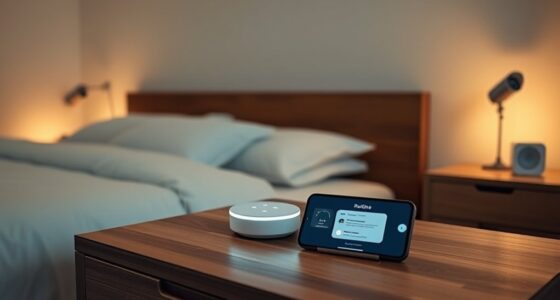
However, as you incorporate these technologies, privacy concerns naturally arise. With smart devices collecting data about your habits, preferences, and routines, you might worry about who has access to this information and how it’s protected. To address this, it’s essential to choose devices from reputable manufacturers who prioritize security and privacy. Look for products with strong encryption and the option to control data sharing. Setting up secure networks with strong passwords and regular updates further safeguards your personal information. It’s also wise to review privacy policies carefully, understanding what data is collected and for what purpose. By taking these precautions, you can enjoy the convenience of a smart home without sacrificing your privacy.
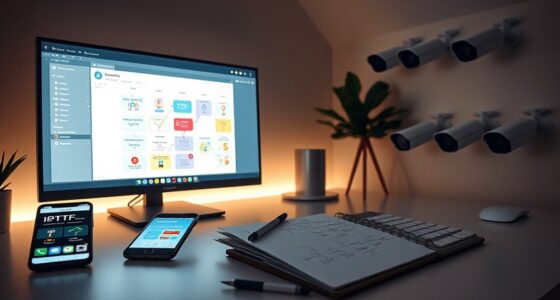
Balancing energy efficiency with privacy concerns requires thoughtful planning. For example, you might opt for devices that allow you to customize privacy settings or limit data collection while still benefiting from automation features. Using local storage instead of cloud-based solutions can reduce the risk of data breaches. Additionally, configuring your smart home system to alert you about unusual activity or potential security issues can give you peace of mind. Remember, technology should serve your needs and preferences, not compromise them. Regularly reviewing device permissions and software updates helps maintain a secure environment.

WiFi Wireless Alarm System for Home Security – 24/7 Protection Smart Home Devices 4.3" Touch Screen, GSM/4G+WiFi, App Instant Alerts, No Monthly Fee, Alexa Compatible for Villa, Kids Safety (24 pcs)
𝐃𝐮𝐚𝐥 𝐖𝐢𝐅𝐢 + 𝟒𝐆 𝐒𝐞𝐜𝐮𝐫𝐢𝐭𝐲: Equipped with a 2.4GHz WiFi and 2G/4G connection (5G not supported), this home…
As an affiliate, we earn on qualifying purchases.
As an affiliate, we earn on qualifying purchases.
Frequently Asked Questions
How Can I Ensure Data Privacy in Smart Home Systems?
To guarantee data privacy in your smart home system, you should prioritize data encryption and control user access diligently. Use strong encryption protocols to protect your data from unauthorized access. Limit user permissions to only what’s necessary, and regularly update passwords. Keep your software and devices updated to patch security vulnerabilities. By actively managing user access and encrypting data, you safeguard your information and maintain your privacy effectively.
What Are the Costs Associated With Installing Smart Home Technology?
The costs for installing smart home technology vary based on the devices and system complexity, with installation costs typically ranging from a few hundred to several thousand dollars. You should also consider ongoing maintenance expenses, such as software updates, repairs, and replacements over time. While upfront costs can seem high, investing in quality devices and reliable setup guarantees long-term security and convenience, making it a worthwhile addition to your home.
How Do I Choose the Right Devices for My Specific Needs?
To select the right devices, start by evaluating your specific needs and preferences. Focus on device compatibility with your existing systems and ensure the user interface is simple and intuitive for easy operation. Look for features that improve safety, convenience, and communication. Test devices beforehand if possible, and read reviews to confirm they meet your requirements. Prioritize devices that seamlessly integrate and offer straightforward controls for your comfort and security.
Can Smart Home Technology Be Easily Upgraded Over Time?
Like a well-tended garden, your smart home can easily blossom with upgrades. You can enjoy upgrade flexibility and guarantee future compatibility by choosing devices that support standard protocols and updates. Many smart systems are designed for seamless enhancements, so you can add new features or replace outdated tech without hassle. This way, your home evolves with your needs, staying secure, efficient, and up-to-date over time.
What Are Common Technical Issues Faced in Smart Home Setups?
You might face common issues like connectivity problems, which can disrupt your smart home’s performance, and device compatibility, making it hard to integrate new gadgets smoothly. These issues can cause frustration and reduce reliability. To avoid them, guarantee your devices use compatible standards and maintain a strong Wi-Fi connection. Regular updates and troubleshooting can help keep your smart home running seamlessly, providing a safer, more convenient living environment.

Sensi Touch 2 Smart Thermostat with Touchscreen Color Display, 100 Years of Expertise, Programmable, Wi-Fi, Data Privacy, Easy DIY, Works with Alexa, Energy Star Certified, ST76, C-Wire Required
WORKS WITH ROOM SENSORS: Compatible with Sensi Room Sensors to balance temperatures throughout your home (sold separately)
As an affiliate, we earn on qualifying purchases.
As an affiliate, we earn on qualifying purchases.
Conclusion
By designing your smart home with security and ease of use in mind, you can confidently age in place. Imagine Sarah, who installed simple voice-activated lights and a fall-detection system; she now lives independently, knowing help is just a voice command away. With thoughtful planning, your home can become a safe haven that supports your independence and peace of mind. Embrace smart technology today, and enjoy the comfort and security you deserve as you age.

eufy Security HomeBase S380 (HomeBase 3),eufy Edge Security Center, Local Expandable Storage up to 16TB, eufy Security Product Compatibility, Advanced Encryption,2.4 GHz Wi-Fi, No Monthly Fee
Effortless Recognition, Every Time: BionicMind Empowers your home security with 99.9% facial recognition accuracy, ensuring a welcoming experience…
As an affiliate, we earn on qualifying purchases.
As an affiliate, we earn on qualifying purchases.
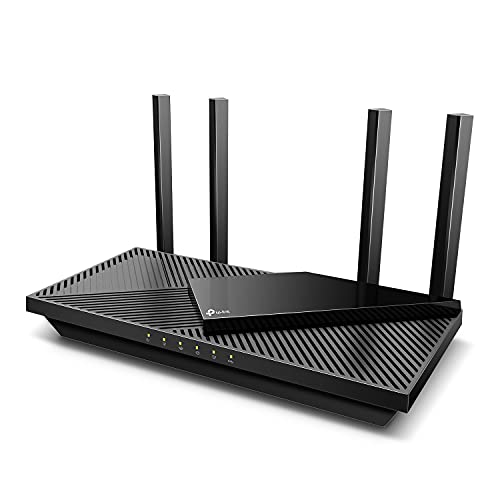
TP-Link Dual-Band AX3000 Wi-Fi 6 Router Archer AX55 | Wireless Gigabit Internet Router for Home | EasyMesh Compatible | VPN Clients & Server | HomeShield, OFDMA, MU-MIMO | USB 3.0 | Secure by Design
Next-Gen Gigabit Wi-Fi 6 Speeds: 2402 Mbps on 5 GHz and 574 Mbps on 2.4 GHz bands ensure…
As an affiliate, we earn on qualifying purchases.
As an affiliate, we earn on qualifying purchases.