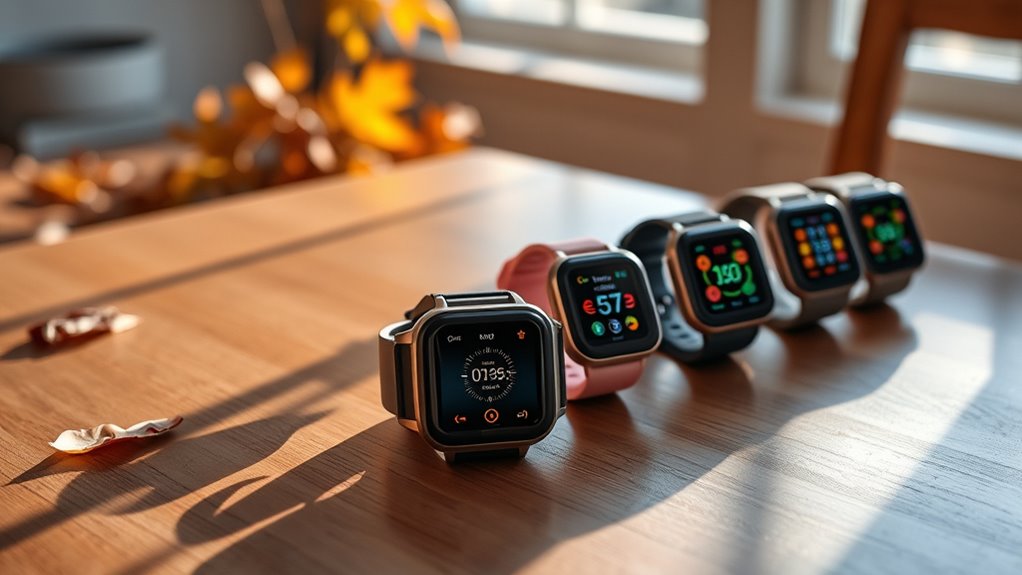

A wearable fall detection watch can alert someone after a fall, but the right choice depends on how it connects to help and whether the wearer will use it consistently. I rank the Seculife Cellular Medical Alert Smartwatch as the best overall pick for its combination of fall detection, GPS, two-way calling, and medical alert features. The SkyAngelSPORT stands out for buyers seeking a no-monthly-fee option, while the COCO BT2-X adds caregiver-app tools and medication reminders. The main tradeoffs are ongoing monitoring or cellular costs, location and calling capabilities, and how much setup or daily charging the wearer can manage. Read on for the full breakdown and guidance on choosing a watch that fits the wearer’s needs.

Get privacy and security gear delivered free with Prime
- Fast, free delivery on millions of items
- Prime Video, Amazon Music and more included
- Member-only deals all year
Key Takeaways
- Emergency response matters more than feature count: The Seculife cellular watch combines GPS, SOS, two-way calling, and fall detection, while simpler models may not offer the same connected response path.
- No monthly fee does not mean the same service: SkyAngelSPORT and several other listings emphasize no monthly fee, so buyers should confirm how calls, alerts, and location sharing work before relying on them.
- Caregiver tools separate the COCO watches: The BT2-X models add a caregiver app and medication reminders, which may help with coordination but also call for setup and ongoing app use.
- GPS and cellular features are not interchangeable: Models advertised for location tracking or 4G safety may depend on network coverage, service activation, and a compatible plan.
- The lineup includes a less bulky alternative: Seculife’s medical alert smartband may suit someone who dislikes a watch, while watches with calling and health features provide more on-wrist functions.
| SkyAngelSPORT Fall Detection Watch |  | Best for Cost-Conscious Buyers | Connectivity: Cellular | Battery Life: Up to 2 years (NiMH) | Water Resistance: Waterproof | VIEW ON AMAZON | See Our Full Breakdown |
| COCO Emergency Alert Smartwatch (BT2-X) | 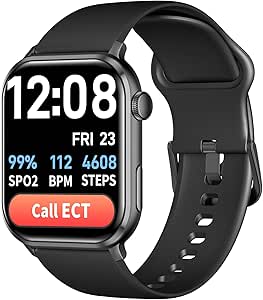 | Best for Family Caregivers | Display: 1.85″ HD | Connectivity: Bluetooth (iOS/Android) | Water Resistance: 5 feet (Waterproof) | VIEW ON AMAZON | See Our Full Breakdown |
| Safelynk Smartwatch with 24/7 Monitoring |  | Best for Professional Monitoring | Connectivity: GPS, LTE, Wi-Fi | Battery Life: 50 Hours | Battery Capacity: 580 mAh | VIEW ON AMAZON | See Our Full Breakdown |
| Smart Watch for Men with Fall Detection |  | Best for Active Seniors | Battery Life: 10 Days | Water Resistance: 30 Meters | Compatibility: Android and iOS | VIEW ON AMAZON | See Our Full Breakdown |
| Fall Detection Watch for Seniors with Video Call |  | Best for Connectivity | Display Size: 1.56 inches | Water Resistance: IP67 | Battery Capacity: 600 mAh | VIEW ON AMAZON | See Our Full Breakdown |
| Audar E2 Senior Smartwatch with Fall Detection & SOS |  | Best for Global Independence | Connectivity: Built-in SIM (Global IoT) | Vital Monitoring: HR, BP, SpO2, Temperature | Battery Life: 7 Days Active / 30 Days Standby | VIEW ON AMAZON | See Our Full Breakdown |
| Fall Detection Smart Watch for Seniors with SOS, Heart Rate, Sleep Monitoring, and Pedometer |  | Best for Smartphone-Connected Users | Display: 1.9-inch Touchscreen | Connectivity: Bluetooth (Requires Phone) | Health Metrics: HR, Sleep, Steps, Distance | VIEW ON AMAZON | See Our Full Breakdown |
| Fall Detection Smart Watch for Seniors with GPS Tracking, SOS Alert, Waterproof Fitness Tracker for Dementia/Alzheimer’s, 4G Safety |  | Best for Location Tracking & Dementia Care | GPS: Real-time Tracking & Geo-fencing | Connectivity: 4G Cellular (Data Only) | Interface: Voice-Guided Menus | VIEW ON AMAZON | See Our Full Breakdown |
| Fall Detection Watch for Seniors with GPS Tracker and SOS Button |  | Best for Entry-Level Cellular Safety | Cellular Service: 1 Year Free Data SIM | GPS: Real-time Tracking | Charging: Magnetic Cable | VIEW ON AMAZON | See Our Full Breakdown |
| Seculife Cellular Medical Alert Smartwatch for Seniors with Fall Detection, GPS Tracking, SOS Button, Heart Rate & Blood Pressure Monitor, Pedometer, 2-Way Calling, Medical Reminders, IP67 Waterproof |  | Best for Medical Monitoring & 2-Way Calling | Calling: 2-Way Cellular Voice | Battery Life: 12 Hours | Display: 2-inch Screen | VIEW ON AMAZON | See Our Full Breakdown |
| Fall Detection Smart Watch for Seniors with GPS Tracking, SOS Alert & HD Video Call, Waterproof Fitness Tracker for Dementia/Alzheimer’s, 4G Safety (Red) |  | Best for Caregiver Video Check-Ins | Operating system: Android Wear 1.0 | Connectivity: 4G cellular | Water resistance: IP67 | VIEW ON AMAZON | See Our Full Breakdown |
| Seculife Medical Alert Smartband for Seniors with Fall Detection & GPS |  | Best for a Simple Medical Alert Routine | Compatibility: iOS and Android; device compatibility is limited | Water resistance: Waterproof; listed depth of 1 meter | Display: 2-inch medical alert smartwatch display | VIEW ON AMAZON | See Our Full Breakdown |
| COCO Emergency Alert Smartwatch for Seniors – Fall Detection, SOS Call, Heart Rate & SpO2 Monitor, Medication Reminder, Bluetooth Calling, Caregiver App, BT2-X (2026) (Silver) | 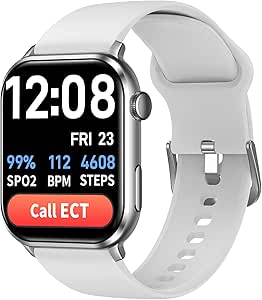 | Best for Smartphone-Connected Caregiving | Operating system: Realtek8763EW | Display: 1.85-inch HD | Connectivity: Bluetooth | VIEW ON AMAZON | See Our Full Breakdown |
| wearable fall detection watch | Water Resistance | Connectivity |
|---|---|---|
| SkyAngelSPORT Fall Detection W | Waterproof | Cellular |
| COCO Emergency Alert Smartwatc | 5 feet (Waterproof) | Bluetooth (iOS/Android) |
| Safelynk Smartwatch with 24/7 | — | GPS, LTE, Wi-Fi |
| Smart Watch for Men with Fall | 30 Meters | — |
| Fall Detection Watch for Senio | IP67 | — |
| Audar E2 Senior Smartwatch wit | IP67 | Built-in SIM (Global IoT) |
| Fall Detection Smart Watch for | Waterproof (Depth Unspecified) | Bluetooth (Requires Phone) |
| Fall Detection Smart Watch for | IP67 (1 Meter Depth) | 4G Cellular (Data Only) |
| Fall Detection Watch for Senio | IP67 | — |
| Seculife Cellular Medical Aler | IP67 (1.5 Meters) | — |
| Fall Detection Smart Watch for | IP67 | 4G cellular |
| Seculife Medical Alert Smartba | Waterproof; listed depth of 1 meter | — |
| COCO Emergency Alert Smartwatc | Waterproof; listed depth of 5 feet | Bluetooth |
More Details on Our Top Picks
SkyAngelSPORT Fall Detection Watch
The SkyAngelSPORT stands out primarily for its financial simplicity. Unlike the Safelynk Smartwatch, which requires ongoing subscriptions for its dispatch service, this device operates on a one-time purchase model with no monthly fees. This makes it an attractive entry point for users who want emergency connectivity without locking themselves into a contract. However, the trade-off is clear: you are responsible for ensuring cellular coverage works in your area, and the automatic fall detection may miss subtle falls compared to more expensive, AI-driven systems. The waterproof design adds practicality for daily wear, but the reliance on local 911 dispatch means response times can vary significantly by location. It is a functional safety tool, but it demands more user vigilance than premium alternatives.
Pros:- No monthly service fees or long-term contracts
- Waterproof build suitable for showering and rain
- Direct 911 calling capability via dedicated SOS button
Cons:- Fall detection algorithms may miss low-impact falls
- Location accuracy varies based on local emergency services
- Requires active cellular network coverage to function
Best for: Budget-minded seniors or caregivers who want emergency features without recurring subscription costs
Not ideal for: Users in rural areas with spotty cellular coverage or those who need guaranteed professional monitoring
- Connectivity:Cellular
- Battery Life:Up to 2 years (NiMH)
- Water Resistance:Waterproof
- Key Features:Fall Detection, GPS Geotagging, SOS Button
- Operating System:Android Wear 1.5 / AtsOS
- Shape:Rectangular
- Color:Black
Our verdict“Choose this if you prioritize owning the device outright and have reliable cellular service, but skip it if you need guaranteed professional monitoring.”
COCO Emergency Alert Smartwatch (BT2-X)
The COCO BT2-X excels at bridging the gap between senior independence and family oversight. While the SkyAngelSPORT focuses on direct emergency calls, the COCO emphasizes continuous health data and remote management. Its caregiver app allows family members to set medication reminders and view real-time biometrics like heart rate and SpO2 levels, creating a proactive safety net rather than just a reactive one. The large 1.85-inch display and simple interface reduce the learning curve for elderly users. However, this connectivity comes with a dependency: the watch relies on Bluetooth pairing with a smartphone for GPS and some features, meaning it is less effective if the user leaves their phone behind. It is a better fit for those with active family support than for completely isolated individuals.
Pros:- Comprehensive health tracking including SpO2 and stress
- Remote caregiver app for medication reminders and GPS
- Large, easy-to-read HD display for simple navigation
Cons:- Limited water resistance (5 feet) restricts swimming
- Requires smartphone pairing for full GPS functionality
- Battery life specifics are not clearly defined in specs
Best for: Families who want to monitor health metrics and manage medication remotely via an app
Not ideal for: Seniors who do not use a smartphone or live in areas with poor Bluetooth connectivity
- Display:1.85″ HD
- Connectivity:Bluetooth (iOS/Android)
- Water Resistance:5 feet (Waterproof)
- Health Monitoring:Heart Rate, SpO2, Sleep, Stress
- GPS:Via Smartphone Connection
- Material:Silicone Band, Zinc Alloy Case
- Special Features:Medication Reminder, AI Voice Assistant
Our verdict“Ideal for households where family members actively participate in monitoring health and safety through a connected app.”
Safelynk Smartwatch with 24/7 Monitoring
If peace of mind is your primary driver, the Safelynk Smartwatch offers the most robust safety infrastructure in this lineup. Unlike the SkyAngelSPORT, which routes calls to local 911, Safelynk connects directly to a 24/7 nationwide dispatch center. This ensures that a fall detection alert is triaged by professionals who can verify the emergency and contact appropriate services, potentially reducing false alarms and response delays. The geo-fencing feature adds a layer of security for users with cognitive impairments, notifying caregivers if the wearer leaves a safe zone. The major drawback is the cost structure: while the hardware is accessible, the monthly service fee after the trial period adds a recurring expense that some buyers may resist. It is a premium experience for safety, but it requires a budget for ongoing service.
Pros:- 24/7 professional monitoring with nationwide dispatch
- Geo-fencing alerts for location-based safety boundaries
- Integrated GPS, LTE, and Wi-Fi for redundant connectivity
Cons:- Requires monthly subscription fee after free trial
- Service limited to the United States
- Mixed user reports on overall performance consistency
Best for: Caregivers who need guaranteed professional dispatch and geo-fencing for high-risk users
Not ideal for: Buyers looking to avoid monthly subscription fees or those outside the US service area
- Connectivity:GPS, LTE, Wi-Fi
- Battery Life:50 Hours
- Battery Capacity:580 mAh
- Weight:65 g
- Key Features:Geo Fencing, SOS Alert, Text Messaging
- Warranty:2 Years
- Service:24/7 Nationwide Dispatch
Our verdict“The top choice for those who need a professional safety net, provided you are willing to pay for the monthly monitoring service.”
Smart Watch for Men with Fall Detection
This model bridges the gap between a medical alert device and a fitness tracker, appealing to those who refuse to wear a device that looks purely clinical. Compared to the COCO BT2-X, which prioritizes health metrics for caregiving, this watch emphasizes fitness versatility with over 150 sports modes and body composition analysis. The 10-day battery life is a significant advantage, reducing the frequency of charging hassles for users who might forget to plug in their devices. However, the design is bulkier and more masculine, which may not suit all preferences. Additionally, while it offers SOS capabilities, it lacks the dedicated professional dispatch found in the Safelynk, relying instead on smartphone connectivity for many of its advanced features. It is best for active individuals who want safety integrated into a lifestyle device.
Pros:- Extensive fitness tracking with 150+ sports modes
- Long battery life lasting up to 10 days
- Comprehensive health metrics including blood pressure
Cons:- Bulky design may be uncomfortable for some
- GPS functionality relies on smartphone connection
- Water resistance limited to 30 meters (no swimming)
Best for: Active seniors who want fitness tracking features alongside basic fall detection
Not ideal for: Users who prefer a discreet, medical-only aesthetic or those who swim frequently
- Battery Life:10 Days
- Water Resistance:30 Meters
- Compatibility:Android and iOS
- Health Metrics:Heart Rate, Blood Pressure, Sleep
- Sports Modes:150+ Modes
- Style:Round, Black-SS
- Charging Time:2 Hours
Our verdict“A solid pick for active users who want a dual-purpose device for both exercise and emergency safety.”
Fall Detection Watch for Seniors with Video Call
The Two-Way HD Video Calling capability sets this watch apart from nearly every other option in this roundup, including the COCO BT2-X. While COCO offers voice and data monitoring, this device allows family members to see the wearer’s environment during an emergency, which can be invaluable for assessing injury severity or location context. The real-time GPS tracking and geo-fencing provide robust location data, and the lack of monthly fees appeals to budget-conscious buyers. However, this advanced connectivity comes with complexity: it requires a specific data-only SIM card setup, and the older Android Wear 1.0 operating system may have compatibility issues with newer smartphones. It is a powerful tool for connection, but it demands more technical setup than the plug-and-play alternatives.
Pros:- Two-way HD video calling for visual emergency assessment
- No monthly subscription fees required
- IP67 waterproof rating for daily durability
Cons:- Requires manual SIM card installation and configuration
- Older Android Wear 1.0 OS limits app compatibility
- No built-in voice calling without additional SIM setup
Best for: Families who prioritize visual contact and context during emergencies
Not ideal for: Users uncomfortable with SIM card configuration or those with newer, incompatible phones
- Display Size:1.56 inches
- Water Resistance:IP67
- Battery Capacity:600 mAh
- Operating System:Android Wear 1.0
- Key Features:Video Call, GPS, Fall Detection
- Band Material:Rubber
- Charging Time:2 Hours
Our verdict“Choose this if video verification is critical to your safety plan, but be prepared for a more complex initial setup.”
Audar E2 Senior Smartwatch with Fall Detection & SOS
This model stands out for its built-in global IoT SIM, allowing users to stay connected in over 20 countries without needing a smartphone nearby. Unlike the Fall Detection Smart Watch for Seniors with GPS Tracking, which often requires specific carrier compatibility, the Audar E2 aims for seamless plug-and-play connectivity. The comprehensive vital sign monitoring (BP, O2, HR, Temp) provides a fuller health picture than basic trackers. However, the annual subscription fee after the first year is a significant long-term cost that competitors like the SkyAngelSPORT avoid. It also requires manual calibration with a cuff for accurate blood pressure readings, adding a layer of complexity for users seeking simplicity.
Pros:- Built-in SIM enables global connectivity without a paired smartphone
- Monitors four key vital signs including temperature and blood oxygen
- Long battery life reduces charging frequency to once a week
Cons:- Annual subscription costs add to long-term ownership expenses
- Blood pressure accuracy requires external cuff calibration
- Some advanced AI reports are locked behind paywalls
Best for: Travelers or families with relatives abroad who need reliable cellular connectivity without smartphone tethering.
Not ideal for: Budget-conscious buyers who refuse to pay recurring subscription fees for basic safety features.
- Connectivity:Built-in SIM (Global IoT)
- Vital Monitoring:HR, BP, SpO2, Temperature
- Battery Life:7 Days Active / 30 Days Standby
- Water Resistance:IP67
- Fall Detection:Automatic with Alerts
- Subscription:Required after Year 1
Our verdict“Choose this if global cellular independence and multi-parameter health tracking outweigh the ongoing subscription costs.”
Fall Detection Smart Watch for Seniors with SOS, Heart Rate, Sleep Monitoring, and Pedometer
This watch is designed for seniors who are comfortable using a smartphone, as it relies on Bluetooth pairing for calls and alerts. Compared to the Audar E2, it lacks cellular independence, meaning it will not send SOS alerts if the phone is out of range. The 1.9-inch display is larger than many compact medical bands, improving readability for those with vision impairments. Its strength lies in the Joemefit app integration, which centralizes health data for caregivers. However, it is not a standalone safety device; if the smartphone battery dies or Bluetooth disconnects, the critical fall detection alerts may fail to reach family members, a risk not present in cellular-first models.
Pros:- Large 1.9-inch touchscreen improves visibility for aging eyes
- Seamless Bluetooth calling works well when paired with a phone
- Companion app provides easy health data visualization for caregivers
Cons:- Dependent on smartphone proximity for SOS and call functionality
- Health metrics are for general wellness, not medical diagnosis
- Setup requires technical assistance for Bluetooth pairing
Best for: Seniors who already carry a smartphone daily and want a large, readable display for health stats.
Not ideal for: Users who frequently leave their phone behind or have no smartphone, as it cannot function independently.
- Display:1.9-inch Touchscreen
- Connectivity:Bluetooth (Requires Phone)
- Health Metrics:HR, Sleep, Steps, Distance
- App Support:Joemefit (iOS/Android)
- Water Resistance:Waterproof (Depth Unspecified)
- Battery:Lithium Polymer
Our verdict“Ideal for tech-savvy seniors with phones in hand, but risky for those who prioritize standalone emergency reliability.”
Fall Detection Smart Watch for Seniors with GPS Tracking, SOS Alert, Waterproof Fitness Tracker for Dementia/Alzheimer’s, 4G Safety
Specifically engineered for dementia and Alzheimer’s monitoring, this watch prioritizes real-time GPS and geo-fencing over complex health metrics. While the Seculife Cellular Medical Alert Smartwatch focuses on medical vitals, this model excels at preventing wandering by alerting caregivers if the user leaves a safe zone. The voice-guided menus and large icons make it accessible for users with cognitive decline. A notable tradeoff is the data-only SIM limitation; it cannot make traditional voice calls, relying instead on app-based voice chat or SOS triggers. This makes it less versatile for daily communication but highly effective for location-based safety.
Pros:- Robust geo-fencing alerts for wandering prevention
- Voice-guided interface aids users with cognitive impairments
- Real-time GPS tracking is accurate and continuous
Cons:- Data-only SIM prevents standard cellular voice calls
- IP67 rating limits water exposure to shallow depths only
- Requires separate SIM card activation for cellular features
Best for: Caregivers of individuals with dementia or Alzheimer’s who need strict location boundaries and geo-fencing.
Not ideal for: Users who need standard voice calling capabilities, as the SIM is data-only.
- GPS:Real-time Tracking & Geo-fencing
- Connectivity:4G Cellular (Data Only)
- Interface:Voice-Guided Menus
- Water Resistance:IP67 (1 Meter Depth)
- Health Metrics:HR, BP, SpO2
- Target Audience:Dementia/Alzheimer’s Care
Our verdict“The top choice for preventing wandering in dementia patients, provided you don’t need traditional voice calling.”
Fall Detection Watch for Seniors with GPS Tracker and SOS Button
This watch offers a pre-installed SIM with one year of free service, lowering the barrier to entry for cellular-enabled safety. Compared to the Audar E2, it is more affordable upfront but lacks the global connectivity scope, limiting it to specific regions. The two-way voice communication (via app/data) provides a direct line to caregivers, though it shares the data-only SIM limitation seen in the 4G Safety model. Its magnetic charging is simpler for seniors with dexterity issues than plug-in cables. However, the 1GB storage limit is minimal, potentially restricting local data caching if network connectivity drops temporarily.
Pros:- Includes one year of free cellular service to reduce upfront costs
- Magnetic charging cable is easy to connect for low-dexterity users
- Automatic fall detection triggers immediate SOS alerts
Cons:- Data-only SIM restricts traditional voice calling
- 1GB storage is limited for long-term data logging
- Dependent on smartphone app for full feature set
Best for: First-time cellular watch buyers who want a year of free service and simple magnetic charging.
Not ideal for: Users requiring extensive offline data storage or guaranteed voice calls over traditional cellular networks.
- Cellular Service:1 Year Free Data SIM
- GPS:Real-time Tracking
- Charging:Magnetic Cable
- Water Resistance:IP67
- Health Metrics:HR, BP, Sleep
- Storage:1 GB
Our verdict“A solid starter cellular watch that balances cost and safety, ideal for users who don’t need traditional voice lines.”
The Seculife Smartwatch distinguishes itself with true 2-way cellular calling, a feature missing in the data-only 4G Safety and Entry-Level models. This allows seniors to speak directly with emergency contacts or monitoring centers without a smartphone. The large 2-inch display and dedicated SOS button enhance accessibility during panic situations. However, the 12-hour battery life is a significant drawback, requiring daily charging that may be forgotten by elderly users. While it offers robust medical reminders and vitals tracking, the monthly subscription is necessary for the monitoring center integration, making it a recurring cost similar to the Audar E2 but with superior communication reliability.
Pros:- True 2-way cellular calling without smartphone dependency
- Large 2-inch screen and clear SOS button for easy access
- Integrated medical reminders and vitals monitoring
Cons:- Short 12-hour battery life requires daily charging
- Monthly subscription required for monitoring services
- Limited storage (128 MB) restricts local data retention
Best for: Seniors who need direct voice communication with monitoring services and don’t mind daily charging.
Not ideal for: Users who travel frequently or forget to charge devices, as the battery life is very short.
- Calling:2-Way Cellular Voice
- Battery Life:12 Hours
- Display:2-inch Screen
- Health Metrics:HR, BP, SpO2
- Water Resistance:IP67 (1.5 Meters)
- Monitoring:24/7 Professional Center
Our verdict“Best for those prioritizing direct voice safety lines over battery longevity, accepting the need for daily charges.”
Fall Detection Smart Watch for Seniors with GPS Tracking, SOS Alert & HD Video Call, Waterproof Fitness Tracker for Dementia/Alzheimer’s, 4G Safety (Red)
This watch puts 4G calling and location tools alongside automatic fall detection, making it a fit for families who want more than an emergency alert. Its video-call feature can make routine check-ins easier when a wearer has memory concerns, while GPS and geo-fencing give caregivers another way to follow outings. Compared with the COCO BT2-X, which relies on a paired smartphone for GPS, this model has cellular connectivity listed, but that freedom comes with a requirement: a compatible Nano SIM and data plan, neither included. The broad health menu, including heart rate and blood pressure readings, may appeal to families seeking several functions in one device, though the interface may take time to learn. Battery life is not specified, so buyers should confirm charging expectations before relying on it for daily safety.
Pros:- Automatic fall detection and SOS calling add emergency-response options.
- 4G connectivity, GPS tracking, and geo-fencing support caregiver check-ins.
- Video calling and two-way communication help families stay connected.
- IP67 water resistance suits hand washing and rainy-day wear.
Cons:- Requires a compatible Nano SIM card and data plan, which are not included.
- The interface may be complex for some seniors to learn.
- Battery life details are not provided, making charging routines hard to plan.
Best for: Families supporting a senior with memory concerns who want cellular GPS, video calls, and fall alerts in one wearable.
Not ideal for: Buyers seeking a ready-to-use watch without a separate SIM plan, or seniors who may find a feature-rich touchscreen confusing.
- Operating system:Android Wear 1.0
- Connectivity:4G cellular
- Water resistance:IP67
- Compatibility:iPhone and Android
- Band material:Silicone
- Charging:Magnetic charging cable
- Listed features:Automatic fall detection, GPS, SOS calling, video calls, heart rate and blood pressure monitoring
Our verdict“Choose this model if cellular video check-ins and caregiver location tools matter more than simple setup or clearly stated battery life.”
Seculife Medical Alert Smartband for Seniors with Fall Detection & GPS
The Seculife smartband favors a straightforward alert-focused setup over the broader calling and camera feature set of the red 4G Fall Detection Smart Watch. Its large SOS button, automatic fall detection, GPS, and two-way calling cover the core jobs many caregivers want from a wearable alert device. The listed one-day battery life is a meaningful limitation: the wearer needs a consistent charging routine, and a missed charge could leave the watch unavailable. Advanced safety features also require a monthly subscription, so buyers should check the service terms and device compatibility before choosing it. Unlike the COCO BT2-X, which gets GPS through a smartphone, Seculife lists GPS on the device, but it may be less appealing to anyone who wants broad compatibility or longer stretches between charges.
Pros:- Large SOS button and intuitive interface make emergency calling easier to access.
- Automatic fall detection and GPS provide core safety functions.
- Two-way calling enables direct communication from the wearable.
- Water-resistant design is intended for everyday wear.
Cons:- Listed battery life is about one day, requiring frequent charging.
- Advanced safety features require a monthly subscription.
- Compatibility is limited to specific devices.
Best for: Seniors and caregivers who prioritize a large SOS control, fall alerts, and GPS in a relatively simple daily-wear device.
Not ideal for: People who may forget daily charging, want to avoid a recurring subscription, or need confirmed compatibility with a specific phone.
- Compatibility:iOS and Android; device compatibility is limited
- Water resistance:Waterproof; listed depth of 1 meter
- Display:2-inch medical alert smartwatch display
- Battery capacity:680 mAh
- Battery life:About 1 day
- Battery type:Lithium polymer
- Health sensors:Heart rate, blood oxygen, and body temperature
- Material and color:Silicone; black
Our verdict“Pick Seculife for an alert-centered wearable with an accessible SOS button, provided daily charging and subscription requirements suit the wearer.”
COCO Emergency Alert Smartwatch for Seniors – Fall Detection, SOS Call, Heart Rate & SpO2 Monitor, Medication Reminder, Bluetooth Calling, Caregiver App, BT2-X (2026) (Silver)
The silver COCO BT2-X is the most phone-dependent choice in this group: GPS is provided via a paired smartphone, so it suits wearers who already carry a compatible iPhone or Android device. In return, it combines fall detection, SOS calls, Bluetooth calling, health tracking, and medication reminders in a large 1.85-inch display. Those reminders and caregiver-app features give it a daily-management role that the more cellular-focused red 4G Fall Detection Smart Watch does not emphasize. The tradeoff is that the watch is not a standalone location solution when the phone is left behind, and its five-foot water-resistance limit is narrower than the Seculife model’s listed one-meter depth. Battery life is not specified, so caregivers should verify charging needs before depending on it for continuous alerts.
Pros:- Fall detection and SOS calling provide emergency alert options.
- Medication reminders support routine health management.
- Caregiver app and smartphone-based GPS help families stay informed.
- Large 1.85-inch HD display supports easier on-screen use.
Cons:- GPS depends on a paired smartphone, limiting tracking when the phone is not nearby.
- Water resistance is listed to five feet, so it is not suited to deeper water activities.
- Battery life details are not provided.
Best for: Seniors who carry a smartphone and families who want fall alerts, medication reminders, and caregiver support in one Bluetooth-connected watch.
Not ideal for: Wearers who leave their phone behind, need independent GPS tracking, or want a clearly stated battery-life estimate.
- Operating system:Realtek8763EW
- Display:1.85-inch HD
- Connectivity:Bluetooth
- Compatibility:iOS and Android devices
- GPS:Via paired smartphone
- Water resistance:Waterproof; listed depth of 5 feet
- Case and band:Zinc alloy case; silicone band
- Listed features:Fall detection, SOS calls, heart rate and SpO2 monitoring, medication reminders, caregiver app
Our verdict“Choose the COCO BT2-X if the wearer keeps a smartphone nearby and values reminders and caregiver features over standalone GPS.”

How We Picked
I compared the 13 listed products by how clearly their advertised features address the needs behind a wearable fall detection watch: detecting a fall, reaching help, and sharing useful location information. I gave more weight to products that combine fall alerts with practical response tools such as SOS calling, two-way voice, GPS, cellular connectivity, or caregiver features. I also looked at everyday usability signals, including waterproofing claims, reminder functions, health tracking, and whether the form is a watch or a slimmer band.
The ranking favors a clear, connected route to assistance over a long list of secondary health metrics. That puts the Seculife cellular watch first based on its stated mix of fall detection, GPS, SOS, and two-way calling; SkyAngelSPORT ranks as a distinct choice for shoppers prioritizing no monthly fee, and COCO is a stronger match for caregiver coordination. Product names and feature lists alone cannot confirm detection accuracy, network coverage, service terms, or fit, so I call out those checks rather than treating advertised capabilities as guarantees. The two COCO color options are treated as one feature set, not as separate capability leaders.
Factors to Consider When Choosing Wearable Fall Detection Watch
Choosing a fall detection watch means matching the alert system to the wearer’s routine and the people who can respond. I would start with the path from a detected fall to a real person, then check connectivity, fit, and ongoing upkeep. A watch with more health features is not automatically safer if it is uncomfortable, left uncharged, or cannot reach help where the wearer spends time.
Trace the alert from fall to assistance
Ask what happens after the watch detects a fall: does it contact an emergency response center, call a chosen contact, or send an app notification? Those routes are not equivalent, especially if the wearer lives alone or contacts may not answer promptly. Confirm whether the wearer can cancel a false alert and how the watch handles a missed response. Do not infer that a device automatically calls emergency services just because its listing mentions SOS or fall detection. A dependable plan should include a backup route, such as a reachable phone or a neighbor who knows what alerts to expect. Prioritize clarity about the response chain over extra fitness metrics.
Check cellular service, fees, and coverage
GPS can locate a watch, but it does not by itself send that location to a caregiver; the device also needs a working connection and a configured recipient or service. Before buying, ask whether cellular service is built in, which network it uses, whether activation is required, and what recurring fees apply. A no-monthly-fee claim is useful only when you understand exactly which functions remain available without a subscription. Test coverage in the wearer’s home and regular travel areas, including places with weak reception. If a watch depends on a phone or app nearby, confirm that this matches the wearer’s habits. Buying the wrong connectivity model can leave location or calling features unavailable when they are needed.
Treat automatic fall detection as one layer of protection
Fall detection can miss events or trigger when ordinary movement resembles a fall, so it should not be treated as a guarantee. Ask the seller how alerts are triggered, whether the wearer can request help manually, and what happens when the watch cannot confirm a response. A prominent SOS control can be valuable when the wearer is conscious and able to press it. Talk through the alert process with the wearer and any caregivers before relying on it. If falls are a serious concern, pair the watch with a practical home safety plan rather than expecting a wearable to solve every risk. The useful question is not only whether the feature exists, but whether the whole response process will work for this person.
Choose a form the wearer will keep on
A watch offers a familiar display and may bundle calling, reminders, and health tracking; a smartband can feel less conspicuous or bulky. Try to account for wrist comfort, strap adjustment, screen readability, button access, and dexterity before choosing. Waterproof claims also vary in meaning, so check the stated rating and care instructions instead of assuming the device is safe for every shower or swim. Ask the wearer what they would actually be willing to wear at night and during daily activities. A feature-rich device left on a bedside table cannot detect a fall. Comfort and routine are safety considerations, not minor style preferences.
Plan for charging, setup, and caregiver involvement
Charging frequency, setup steps, and app maintenance can shape whether the watch stays ready. A caregiver app may help coordinate location and reminders, but it adds account setup, permissions, and another device that someone must monitor. Find out who will configure emergency contacts, test calling, keep software or service settings current, and notice a low battery. Ask whether the wearer can use key functions without navigating a complicated menu. Make a charging routine that fits the wearer’s day and avoids long periods without the watch. If the owner cannot manage setup alone, choose a model with a helper who can take responsibility for these tasks.
Pay for functions that solve a real need
Two-way calling, GPS, medication reminders, and heart or oxygen readings can be useful, but each adds complexity and may rely on particular services or setup. Decide which problem matters most: getting help after a fall, finding a wearer who may wander, or supporting regular caregiver check-ins. Do not treat general wellness readings as a substitute for clinical equipment or medical advice. A simpler SOS watch may be easier to operate than a model packed with features that the wearer never uses. Paying for connectivity or monitoring makes sense when the wearer needs that response path and someone will maintain it. Otherwise, focus on a reliable fit, understandable controls, and a clear plan for contacting help.
Frequently Asked Questions
Does fall detection automatically call emergency services?
Not always. Some devices may notify selected contacts, some connect to a monitoring service, and others depend on a manually pressed SOS button. A product listing that says “fall detection” does not by itself establish who receives the alert or how quickly anyone responds. Before buying, confirm the exact alert sequence, whether a subscription is needed, and what happens if the wearer does not answer a prompt. Choose a device whose response route matches the level of support available to the wearer.
Can a fall detection watch work without a phone or monthly plan?
It depends on the model and the specific function. A watch may detect a fall locally yet need cellular service or a nearby phone to call someone or share GPS location. A no-monthly-fee claim should be checked against the exact calling, tracking, and alert features the buyer expects to use. Ask whether emergency calls, caregiver notifications, and location updates still work without a subscription or paired phone. If independent connectivity is a priority, verify network compatibility and service terms before purchase.
How should I choose between a watch and a medical alert smartband?
Start with what the wearer will keep on and use. A watch may suit someone who wants a screen, calling, reminders, or additional health features; a smartband may feel less obtrusive for someone who dislikes a traditional watch. Compare how easy each is to charge, read, adjust, and use to call for help. Also check whether the band provides the same response features the buyer needs, rather than assuming a smaller form means identical functionality. If possible, involve the wearer in the fit decision.
What should I verify about GPS before relying on location tracking?
Confirm whether the watch has its own cellular connection or needs a paired phone to transmit its location. Ask how often location updates are sent, who can view them, and whether tracking works in the wearer’s usual areas. GPS availability can be affected by network coverage and the surroundings, so location sharing should not be treated as guaranteed at every moment. Check whether setup requires a caregiver app and who will keep that account active. A clear plan for contacting the wearer matters as much as seeing a location on a map.
Is fall detection enough if the wearer lives alone?
It can add a layer of support, but it should not be the entire safety plan. Automatic detection may not recognize every fall, and a wearable may be out of battery, off the wrist, or unable to connect. Check whether the device offers a manual SOS route and identify who will receive alerts or respond to them. A home check-in routine and nearby contacts can provide backup if the watch fails to send an alert. The best setup combines a wearable the person will use with people and procedures ready to respond.
Conclusion
For most buyers seeking a connected route from fall alert to help, I recommend the Seculife Cellular Medical Alert Smartwatch as the best overall choice based on its advertised mix of GPS, SOS, two-way calling, and fall detection. For a no-monthly-fee priority, compare SkyAngelSPORT and confirm which calling and alert features remain available without a plan. The COCO BT2-X is the better fit for caregivers who value app coordination and medication reminders, while its two colors share the same listed feature set. For a beginner, I would favor whichever model the wearer can comfortably put on, charge, and use to call for help, rather than choosing by the longest feature list. For someone who dislikes a watch, the Seculife Medical Alert Smartband is the specific form-factor alternative; for dementia-related location needs, examine the GPS and 4G listings closely and verify coverage and alert setup before relying on them. Match the device to a workable response plan, then confirm service terms and daily usability before choosing.