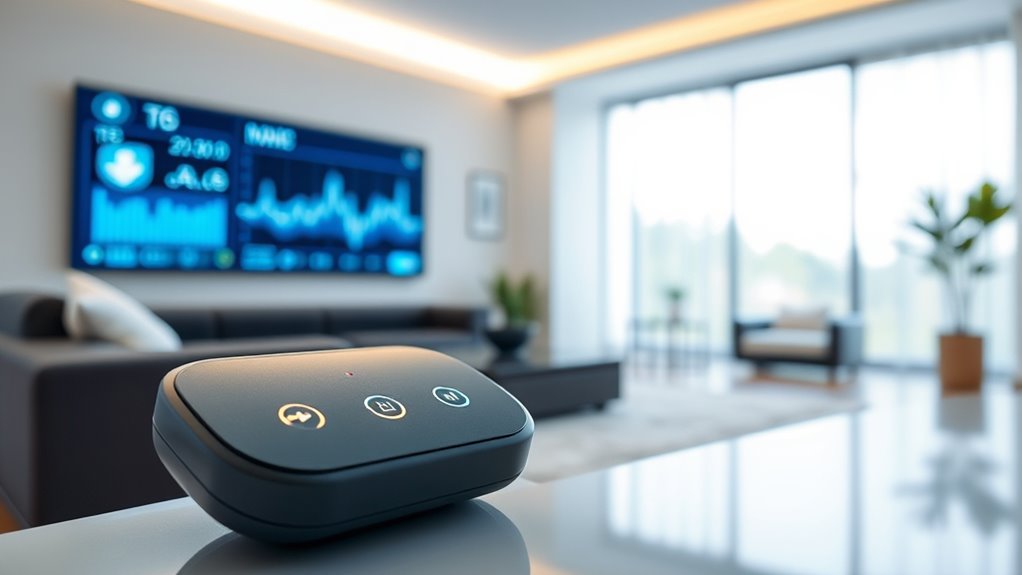

A personal emergency response system for home can connect someone to help with a button press, but the right choice depends on whether they need a landline, cellular service, fall detection, or coverage away from home. I rank ADT Medical Alert Plus as the best overall for a home-focused setup with optional fall detection, while Help Now stands out for buyers who want direct calling without monthly fees and Safety+ for those who need GPS-enabled coverage beyond the house. The central tradeoff is between a monitored service with ongoing fees and a simpler direct-call device that depends more on setup and available contacts. I also compare wearable comfort, water resistance, and the practical limits of each connection type. Read on for the full breakdown and guidance on matching a system to the person who will use it.

Get privacy and security gear delivered free with Prime
- Fast, free delivery on millions of items
- Prime Video, Amazon Music and more included
- Member-only deals all year
Key Takeaways
- ADT Medical Alert Plus leads for a home-centered buyer who wants a monitored system and the option to add fall detection; it is less suitable for anyone avoiding recurring service fees.
- Help Now and Guardian Alert 911 Plus are the clearest no-monthly-fee alternatives, but direct-contact devices require buyers to understand who receives the call and how help is dispatched.
- Safety+ 4G is the standout when coverage must extend beyond the home, since GPS and cellular connectivity answer a different need than a fixed home base.
- ADT On-The-Go prioritizes mobility, while the landline personal emergency device is a better match for a home with reliable landline service and no need for cellular portability.
- The generic waterproof SOS pendant may suit a buyer seeking a straightforward wearable, but the listing details provide less basis for judging monitoring, connectivity, and fall-detection capability than the more specified options.
| Help Now No Monthly Fees One-Touch Direct Connect Emergency Communicator Medical Alert Button Pendant – White |  | Best for No-Fee Cellular Calling | Power source: Battery powered | Batteries required: 3 AAA batteries | Control method: Touch | VIEW ON AMAZON | See Our Full Breakdown |
| ADT Medical Alert Plus – In-Home Emergency Response System with Fall Detection |  | Best for Monitored In-Home Fall Alerts | Power source: Corded electric | Battery: One 9-volt lithium-ion battery | Maximum range: 600 feet | VIEW ON AMAZON | See Our Full Breakdown |
| ADT On-The-Go Emergency Medical Alert for Seniors, All-in-One |  | Best for Home-to-Anywhere Coverage | Model: MD5 | Dimensions: 2.75 × 1.75 × 0.63 inches | Weight: 1.76 ounces | VIEW ON AMAZON | See Our Full Breakdown |
| Landline Personal Emergency Device with 2-Way Call for Seniors and Elderly |  | Best No-Fee Landline Home Option | Connectivity: Landline phone service | Communication: Two-way voice | Activation: One-button emergency calling | VIEW ON AMAZON | See Our Full Breakdown |
| Safety+ 4G Medical Alert System with Fall Detection and GPS |  | Best for Long Battery Life on the Go | Connectivity: 4G LTE | Battery life: Up to 6 days | Fall detection: Yes | VIEW ON AMAZON | See Our Full Breakdown |
| Guardian Alert 911 Plus |  | Best for Direct 911 Access Without a Monthly Fee | Network compatibility: 4G LTE networks | Power source: Battery powered | Battery type: Lithium-ion | VIEW ON AMAZON | See Our Full Breakdown |
| Medical Alert with SOS, Emergency Call Button Pendant, Waterproof Wearable |  | Best for Simple Base-Station Operation | Power source: Battery powered | Battery type: Alkaline | Voltage: 3.7 volts | VIEW ON AMAZON | See Our Full Breakdown |
| personal emergency response system for home | Power source | Connectivity |
|---|---|---|
| Help Now No Monthly Fees One-T | Battery powered | Cellular signal |
| ADT Medical Alert Plus | Corded electric | — |
| ADT On-The-Go Emergency Medica | — | Cellular SOS |
| Landline Personal Emergency De | — | Landline phone service |
| Safety+ 4G Medical Alert Syste | — | 4G LTE |
| Guardian Alert 911 Plus | Battery powered | — |
| Medical Alert with SOS | Battery powered | — |
More Details on Our Top Picks
Help Now No Monthly Fees One-Touch Direct Connect Emergency Communicator Medical Alert Button Pendant – White
The Help Now communicator is a straightforward choice for someone who wants to call emergency services directly without paying for professional monitoring. One press starts two-way voice communication with 911, and cellular connectivity avoids the need for a landline. That makes it more flexible around town than the Landline Personal Emergency Device, which is limited to a home phone connection.
The tradeoff is that Help Now depends on a usable cell signal and offers no GPS location or fall detection in the supplied details. Unlike the monitored ADT Medical Alert Plus, it does not add a response center or automatic fall alerts. I’d choose it for a user who can press the button and speak during an emergency, not for someone who needs hands-off detection or caregiver coordination. Battery life is also unspecified, so routine battery checks matter.
Pros:- No monthly subscription fee is listed.
- Cellular operation does not require a landline.
- One-touch activation starts two-way voice communication with 911.
Cons:- Requires cell signal, so coverage gaps can prevent calls.
- No GPS tracking or automatic fall detection is specified.
- Battery life is not provided, making replacement timing less clear.
Best for: People who want a simple, no-monthly-fee way to call 911 over cellular service and can speak during an emergency.
Not ideal for: People who need automatic fall detection, GPS location sharing, or a professional monitoring center to coordinate help.
- Power source:Battery powered
- Batteries required:3 AAA batteries
- Control method:Touch
- Color:White
- Connectivity:Cellular signal
- Emergency communication:One-touch two-way voice call to 911
- Monthly fees:None listed
Our verdict“Choose Help Now for direct, no-fee emergency calling over cellular, but skip it if you need monitoring or automatic alerts.”
ADT Medical Alert Plus – In-Home Emergency Response System with Fall Detection
For a home-focused setup with a response center behind the button, the ADT Medical Alert Plus combines 24/7 professional monitoring with automatic fall detection and temperature alerts. Its stated 600-foot range gives the wearer room to move around the home and nearby areas while staying connected to the base unit. Compared with the Help Now communicator, which calls 911 directly, ADT adds a monitoring team that can communicate with caregivers and coordinate a response.
That added support comes with a monthly monitoring fee and a need for either landline service or cellular coverage. The Safety+ 4G Medical Alert System is a better fit for people who also need GPS and mobile use; this ADT system is more specifically suited to home coverage. Its stated range and fall sensor can help, but the device still depends on the base connection and does not replace a user’s ability to request help when a fall is not detected.
Pros:- 24/7 professional monitoring provides a response center for emergency calls.
- Automatic fall detection can alert for some falls when the wearer cannot press the button.
- A stated 600-foot range supports movement around the home and nearby areas.
- Temperature monitoring can alert caregivers to temperature extremes.
Cons:- Requires a monthly monitoring plan.
- Needs landline service or cellular coverage to connect.
- Home-centered coverage lacks the built-in GPS mobility offered by the ADT On-The-Go device.
Best for: Older adults who spend most of their time at home and want professional monitoring, automatic fall detection, and caregiver communication.
Not ideal for: People who want a no-fee device or need GPS-based protection while away from home.
- Power source:Corded electric
- Battery:One 9-volt lithium-ion battery
- Maximum range:600 feet
- Sensor technology:Accelerometer and thermistor
- Monitoring:24/7 professional monitoring required
- Compatible device:ADT Medical Alert Pendant
- Dimensions:7 × 6 × 2.75 inches
- Weight:1.1 pounds
Our verdict“Pick ADT Medical Alert Plus for monitored home coverage and fall alerts, but choose a GPS-equipped system for regular time away from home.”
ADT On-The-Go Emergency Medical Alert for Seniors, All-in-One
The ADT On-The-Go suits someone whose safety needs do not stop at the front door. Its built-in GPS and cellular connection let the wearer request help away from home without carrying a separate phone or relying on a home base unit. That makes it more mobile than the ADT Medical Alert Plus, whose stated 600-foot range is designed around a home setup. A single SOS button and built-in microphone keep the basic call process relatively direct.
In exchange, this compact device requires professional monitoring, and fall detection is optional rather than a standard, fully dependable safety net; the product details note that it does not detect every fall. The Safety+ 4G Medical Alert System also offers GPS and fall detection, while the ADT’s listed specs call its fall detection optional. I’d favor this model for a wearer who moves between home and community settings, but not for someone seeking a no-subscription or landline-free-of-service solution.
Pros:- Built-in GPS supports location sharing when the wearer is away from home.
- Cellular SOS connectivity does not require a separate home base unit.
- Small, lightweight design is suited to wearing throughout the day.
- IP57 water resistance adds protection against water exposure.
Cons:- Professional monitoring requires a plan.
- Fall detection is optional and may not identify every fall.
- The all-in-one format offers less accessory flexibility than a system built around separate components.
Best for: Seniors who regularly leave home and want one wearable device with GPS, cellular SOS, and professional monitoring.
Not ideal for: People who want to avoid recurring monitoring costs or rely on automatic fall detection as their only way to summon help.
- Model:MD5
- Dimensions:2.75 × 1.75 × 0.63 inches
- Weight:1.76 ounces
- Connectivity:Cellular SOS
- Location:Built-in GPS
- Microphone:Built in
- Monitoring:Professional monitoring required
- Rechargeable:Yes
- Water resistance:IP57
Our verdict“Choose the ADT On-The-Go for monitored GPS protection at home and away, provided you accept a service plan and the limits of fall detection.”
Landline Personal Emergency Device with 2-Way Call for Seniors and Elderly
This landline emergency device keeps the setup simple: press the button, then use two-way voice to reach family, police, or fire services. It has no monthly fee and a rechargeable battery with a stated 24-hour backup, making it a practical fit for a household that already maintains landline service. Compared with the cellular Help Now communicator, it avoids dependence on cellular coverage, but it is tied to the home phone connection rather than being a more flexible choice for travel.
The main limitation is also the deciding one: no landline means no system. It is described as wearable or mountable, but the supplied details do not list GPS, automatic fall detection, or a professional monitoring service. That leaves more responsibility with the wearer to press the button and communicate. I’d choose it over the ADT Medical Alert Plus when avoiding a monitoring fee matters more than automatic alerts and response-center support.
Pros:- No monthly operating fee is listed.
- One-button activation supports simple emergency calling.
- Two-way voice lets the user communicate after placing a call.
- Rechargeable battery provides a stated 24-hour backup.
Cons:- Requires existing landline phone service.
- Limited to home use rather than protection while out and about.
- No GPS, automatic fall detection, or professional monitoring is specified.
Best for: Landline households seeking a basic, rechargeable emergency calling device without a monthly service fee.
Not ideal for: People without active landline service, or anyone who needs mobile coverage, GPS, fall detection, or professional monitoring.
- Connectivity:Landline phone service
- Communication:Two-way voice
- Activation:One-button emergency calling
- Rechargeable:Yes
- Battery backup:24 hours
- Monthly fees:None listed
- Placement:Wearable or mountable
Our verdict“Choose this device for basic no-fee calling in a landline home, but select a monitored or cellular system for broader coverage.”
Safety+ 4G Medical Alert System with Fall Detection and GPS
The Safety+ 4G Medical Alert System is the most travel-ready choice here for someone who wants GPS, fall detection, and caregiver app access in one wearable package. Its listed battery life of up to six days can mean fewer charging interruptions than the rechargeable ADT On-The-Go, whose battery duration is not provided in the product details. A lanyard and belt clip also give the wearer a choice of how to carry it, while water resistance supports everyday use.
Safety+ still depends on 4G LTE coverage and a subscription after the included first month, so it is not the no-fee alternative to Help Now or the landline device. GPS and monitoring also make it a broader fit than the home-focused ADT Medical Alert Plus, but anyone buying mainly for in-home range may not need those mobile features. I’d pick it for someone who moves around regularly and wants caregivers to have app access, while recognizing that fall detection cannot guarantee every incident will be detected.
Pros:- GPS and 4G LTE support use at home and away.
- Fall detection adds an automatic alert option.
- Battery life is listed as up to six days.
- Includes lanyard, belt clip, charging dock, and caregiver app access.
Cons:- A subscription is required after the included first month.
- Service depends on 4G coverage in the wearer’s locations.
- Fall detection may not identify every fall.
Best for: Active seniors and caregivers who want a wearable with GPS, fall detection, app access, and fewer charging interruptions.
Not ideal for: People seeking a no-subscription device, those outside 4G coverage, or home-only users who do not need GPS mobility.
- Connectivity:4G LTE
- Battery life:Up to 6 days
- Fall detection:Yes
- GPS:Yes
- Water resistance:Water-resistant
- Included accessories:Charging dock, lanyard, and belt clip
- Caregiver access:Caregiver app access
- Service:First month included; subscription required afterward
Our verdict“Choose Safety+ for mobile monitored protection with GPS and a longer stated battery life, if its ongoing subscription and 4G limits suit the household.”
Guardian Alert 911 Plus
The Guardian Alert 911 Plus is the clearest fit here for someone who wants a wearable emergency button without an ongoing service fee. Its two-way voice connection lets the user speak with emergency responders, while fall detection can add a layer of help when pressing a button is difficult. Compared with the Medical Alert with SOS, which depends on a base station and a landline or compatible VOIP setup, this model is described as connecting through 4G LTE without a landline. That can suit homes without a landline, though buyers should confirm cellular coverage and how the service connects before relying on it. The tradeoff is limited detail about battery life and charging, and its controls may take practice. Choose it for direct emergency access; skip it if you want a simple, base-station-led setup.
Pros:- No monthly fee is listed for operation.
- Fall detection may help when the wearer cannot press the button.
- Water resistance supports wearing it around water.
- Two-way voice communication allows the wearer to speak with emergency responders.
Cons:- Battery life and charging details are not provided.
- The controls may require practice for users less comfortable with technology.
- Cellular coverage and connection details should be checked for the intended home.
Best for: Seniors and caregivers seeking a no-monthly-fee wearable with fall detection and two-way emergency communication, especially in a home without a landline.
Not ideal for: People who want clearly documented battery and charging expectations or a very simple setup that requires little familiarity with technology.
- Network compatibility:4G LTE networks
- Power source:Battery powered
- Battery type:Lithium-ion
- Control method:Touch
- Mounting type:Tabletop mount
- Sensor technology:Help button technology
- Dimensions:9 x 7.1 x 1.9 inches
- Weight:9.92 ounces
Our verdict“Choose the Guardian Alert 911 Plus if you want fall detection and two-way emergency contact without a monthly fee; look elsewhere if you need a simpler setup or clearer battery details.”
Medical Alert with SOS, Emergency Call Button Pendant, Waterproof Wearable
This system suits a buyer who values a large, one-touch SOS button and a familiar base-station arrangement over cellular independence. The wearable can be used as a pendant or wristband, giving users a choice of how to keep the alert button close. Its listed range is 600 feet, which may be enough for many homes but calls for attention in larger properties or when the wearer spends time far from the base. Unlike the Guardian Alert 911 Plus, this model requires a landline or VOIP line and may need an adapter to work with a cell phone, so it is less flexible for homes without a compatible connection. Waterproof construction supports wearing it in wet areas, but battery-life details are absent. Pick it for straightforward button use, not cellular freedom.
Pros:- Large push button supports quick, uncomplicated emergency activation.
- Pendant and wristband options let the wearer choose a comfortable fit.
- Waterproof design is suited to use in wet conditions.
- Base station provides a home communication point for the wearable.
Cons:- Requires a landline or VOIP line and may need an adapter for cell-phone use.
- The listed 600-foot range may not cover larger homes or distant outdoor areas.
- Battery-life details are not specified.
Best for: Older adults or people with limited mobility who want a large, easy-to-press alert button and have a compatible landline or VOIP connection at home.
Not ideal for: Households without a landline or compatible VOIP setup, and people who need coverage beyond the listed 600-foot range or want documented battery life.
- Power source:Battery powered
- Battery type:Alkaline
- Voltage:3.7 volts
- Control method:Push button
- Audible output:85 dB
- Maximum range:600 feet
- Sensor technology:Push button and wireless
- Compatible device:Base station
- Color:White and gray
Our verdict“Choose this system for simple pendant-or-wristband SOS use in a home with a compatible phone line; choose the Guardian Alert 911 Plus instead if you need a landline-free option.”

How We Picked
I ranked these systems by how well their stated features fit the needs of someone seeking emergency response at home: dependable access to help, clear communication, usable wearable controls, and a setup that suits the person’s home and routine. I also weighed whether the product calls a monitoring service or designated contacts, whether it depends on a landline or cellular service, and whether it adds fall detection, water resistance, GPS, or portability. These differences affect what happens after a button press, not just the feature list.
ADT Medical Alert Plus takes the top position because it is explicitly designed as an in-home response system with fall detection available. Options with no monthly fees rank well for buyers who prefer direct calling, but they are not interchangeable with monitored service. Mobile systems rank higher for people who leave home often, while the landline model suits a narrower setup. Where product details are limited, I avoid assuming capabilities that are not stated and rank those options accordingly.
| personal emergency response system for home | Power source |
|---|---|
| Help Now No Monthly Fees One-T | Battery powered |
| ADT Medical Alert Plus | Corded electric |
| ADT On-The-Go Emergency Medica | — |
| Landline Personal Emergency De | — |
| Safety+ 4G Medical Alert Syste | — |
| Guardian Alert 911 Plus | Battery powered |
| Medical Alert with SOS | Battery powered |
Factors to Consider When Choosing Personal Emergency Response System For Home
Before choosing a device, I would start with the person’s home layout, daily routine, and preferred way of getting help—not with the longest feature list. The sections below cover decisions that can affect whether a system works when it is needed.
Decide Who Receives the Emergency Call
A button press can connect to a professional monitoring center or call a person the user has selected, and those routes place different demands on the household. With a monitored plan, ask how operators respond, whether they can speak through the base, and how emergency services are contacted. With a direct-call device, confirm which numbers it can reach and what happens if a contact does not answer. A family member may value direct notification, while someone living alone may prefer a staffed response path. Do not treat “no monthly fees” as proof of equivalent emergency handling; check the call flow before buying.
Match the Connection to the Home
Landline-based systems can make sense in a home with stable phone service, but they may be a poor fit if the line is being discontinued or the user moves often. Cellular systems remove the need for a landline, yet coverage inside the home matters more than the network label on the box. Check signal strength where the person spends time, including bedrooms and bathrooms, and ask whether a base unit needs to remain plugged in. A system that depends on one outlet or one connection can leave a coverage gap during an outage. Buyers should also ask how backup power works rather than assuming every unit has the same protection.
Choose Home-Only or Away-From-Home Coverage
A home base and wearable pendant often provide a simpler routine for someone who spends most of the day indoors. If the wearer walks the neighborhood, visits appointments alone, or travels between homes, a mobile system with cellular connectivity and GPS may be more appropriate. GPS can help locate someone outside, but it does not replace checking cellular coverage or understanding how location is shared with responders. Buyers sometimes pay for mobility they rarely use, or choose a home-only unit that cannot help once the wearer leaves its range. Map the person’s usual week before deciding which kind of coverage matters.
Treat Fall Detection as a Helpful Extra, Not a Guarantee
Automatic fall detection may call for help when someone cannot press a button, but it can miss some falls or trigger a call during ordinary movement. It should supplement a wearable help button, not replace it. Ask whether the feature is included or optional, whether it works with the chosen device, and what the response center does after an alert. The wearer still needs to keep the device on, which makes comfort and willingness to wear it just as important as the sensor. If the person has a high fall risk, discuss the system’s limits with their care team and plan other ways to reduce hazards at home.
Check Wearability, Water Use, and Everyday Habits
The most capable system has little value if the wearer removes it or leaves it across the room. Consider whether a pendant, wrist-worn button, or another form is more comfortable, and whether the control is easy to press with limited dexterity. Bathroom coverage deserves attention because falls can happen near wet surfaces, but “water resistant” and “waterproof” do not necessarily describe the same level of protection. Verify the manufacturer’s instructions for bathing, charging, and cleaning before relying on a device in wet areas. A simple reminder routine can help, but a wearable that fits existing habits is more likely to stay within reach.
Compare the Full Service Commitment
For a monitored system, read the service terms alongside the hardware details: check what the subscription covers, how cancellation works, and whether fall detection or cellular service carries a separate charge. A device with no monthly fee may reduce ongoing costs but can depend on personal contacts being available and willing to respond. Also ask about setup, testing, battery replacement, and technical support, since those tasks may fall to the buyer or a caregiver. A lower-commitment choice is not automatically simpler if the family must maintain the contact list and test the device regularly. Make the decision based on who will manage the system, not only on the wearer’s preferences.
Frequently Asked Questions
Is a no-monthly-fee emergency pendant as reliable as a monitored system?
Not necessarily; the main difference is who answers the alert and coordinates help. A no-fee pendant may call selected contacts directly, which can work well when those people are reachable and have agreed on what to do. A monitored system routes the call to a response center, but buyers should confirm the service details and any ongoing charges. Ask each provider to explain the exact sequence after the button is pressed, including what happens if the first contact or operator cannot connect. Choose the call path that fits the person’s support network rather than assuming the fee structure tells the whole story.
Do I need a landline for a personal emergency response system at home?
No; some home systems use cellular service, while others are designed around a landline connection. The right choice depends on what is available and reliable inside the home, not simply whether the household still pays for a phone line. Check the device’s stated connection requirements and confirm coverage in the rooms where the wearer spends time. If service is weak, ask the provider whether another connection method or placement is available. A landline model can be a sensible fit for a stable setup, but it is less flexible if the home’s phone service changes.
Should I choose a home system or a mobile GPS alert device?
Choose based on where the wearer needs protection during a normal week. A home system is a better match when the person stays mostly indoors and wants a dedicated base and wearable button. A mobile GPS device can add coverage for errands or walks, but it depends on cellular service and may need regular charging. GPS can assist with locating the wearer, though buyers should ask how location data is used and how responders access it. If the wearer rarely goes out alone, added mobility may not be worth the extra setup or service requirements.
Can fall detection replace pressing the emergency button?
No; automatic fall detection is a backup feature, not a guarantee that every fall will be recognized. Some falls may not trigger an alert, and normal movement can sometimes produce a false alarm. The wearer should still keep the help button accessible and understand how to activate it. Before choosing a device, confirm whether fall detection is included, optional, or limited to a particular pendant. For someone who may be unable to press a button after a fall, treat the feature as one part of a broader safety plan rather than the only safeguard.
What should I check before buying a wearable for someone who may forget to charge or wear it?
Start by asking how often the device needs charging, how it signals a low battery, and whether it can be worn during the routines that matter most. A comfortable, easy-to-use pendant may be more useful than a feature-rich unit the person regularly removes. Set up a simple charging and test routine with a caregiver, and confirm what happens if the battery runs down or the device loses its connection. For bathroom use, verify the actual water-use instructions rather than relying on a broad waterproof label. If forgetfulness is a concern, choose a setup that fits naturally into an existing daily habit.
Conclusion
For most buyers focused on home coverage, I recommend ADT Medical Alert Plus as the best overall because it pairs an in-home system with the option of fall detection. Help Now is my best value-style pick for someone who wants a direct-call device without monthly fees and has dependable contacts; Safety+ 4G is the best premium-style choice for buyers who need mobile coverage and GPS, provided its service terms fit their needs. For beginners, the landline personal emergency device may be easier to match to a straightforward home setup, though only if a landline is available. Choose ADT On-The-Go for a routine that regularly takes the wearer outside, and consider Guardian Alert 911 Plus when a no-fee, two-way pendant with fall detection and water resistance matches the household’s call plan. The waterproof SOS wearable may suit a buyer seeking a basic button, but I would confirm its connection and response details before choosing it over the more clearly specified systems.