For a DIY home security system with a recognizable platform and optional professional monitoring, I’d start with the Ring Alarm 14-Piece Kit as my best overall pick. The SimpliSafe 8-Piece System suits buyers who want a straightforward starter setup, while the GEN 2 16-Piece Kit stands out for its touchscreen hub and included siren. The main tradeoffs are sensor coverage versus setup simplicity, and app-only alerts versus access to professional monitoring. I compare all 15 kits by their listed equipment, connectivity, expansion potential, and monitoring options. Read on for the full breakdown and help matching a system to your home.

Get privacy and security gear delivered free with Prime
- Fast, free delivery on millions of items
- Prime Video, Amazon Music and more included
- Member-only deals all year
Key Takeaways
- Ring’s 14-piece kit is the most coverage-oriented option from a major platform in this lineup; its larger sensor count can suit homes with more entry points than the 8-piece kits.
- SimpliSafe and Ring both offer a clearer path to optional professional monitoring than the kits described as having no monthly fees, which may matter when nobody is home to respond to an alert.
- The GEN 2 16-piece kit pairs a touchscreen hub with a wired siren, making it a distinct pick for buyers who want local controls and an audible alert without relying only on a phone notification.
- Several 21- and 24-piece kits emphasize sensor quantity and WiFi plus cellular connectivity; buyers should confirm what each package includes and whether cellular service needs a separate plan.
- The 8-piece WiFi door-alarm kit is the most entry-point-focused option by its listed name, but buyers who need motion detection or coverage across many rooms should compare its included components before choosing it.
| WiFi Alarm System for Home Security, DIY Wireless Alarm Kit 21PCS |  | Best for Broad DIY Coverage | Connectivity: Wireless; 2.4 GHz WiFi | Control: App, push button, remote, and voice commands | Maximum range: 330 feet | VIEW ON AMAZON | See Our Full Breakdown |
| Home Security System 9-Piece Kit with Alexa & Google Compatibility, No Monthly Fees, WiFi & 4G Mobile App Control, Instant Alerts, Auto Alarm Dial, Door/Window Sensors, Motion Detectors, Remote Control, 24/7 Monitoring |  | Best for WiFi and 4G Connectivity | Kit size: 9 pieces | Connectivity: Wireless WiFi and 4G | Compatible devices: Alexa, Google, smartphone, tablet, and PC | VIEW ON AMAZON | See Our Full Breakdown |
| PGST Home Security Systems 12-Piece Kit, WiFi + GSM/4G, Mobile App Control, Alexa Compatible |  | Best Mid-Size Kit with Cellular Support | Kit size: 12 pieces | Connectivity: WiFi and GSM/4G | Power source: Battery powered | VIEW ON AMAZON | See Our Full Breakdown |
| Home Security System with 24 Sensors, 4.3″ Touchscreen, GSM/4G+WiFi, SOS Button, App Control |  | Best for Touchscreen Operation and SOS Access | Sensor capacity: 24 sensors | Display: 4.3-inch color touchscreen | Connectivity: GSM/4G and WiFi | VIEW ON AMAZON | See Our Full Breakdown |
| 15-Piece WiFi Home Security System, DIY Wireless Alarm Kit, No Subscription |  | Best for a Loud Local Alarm | Kit contents: Description lists 1 base station, 1 keypad, 1 motion sensor, 10 door sensors, and 2 remotes | Listed unit count: 8 count in supplied feature data | Connectivity: Wireless WiFi; 2.4 GHz only | VIEW ON AMAZON | See Our Full Breakdown |
| ADT Blu Home Security System Starter Kit, DIY Wireless Alarm |  | Best for DIY Buyers Who Want a Monitoring Option | Connectivity: Wireless with cellular backup and Bluetooth | Power: Corded electric base; battery-powered accessories | App compatibility: Apple iOS 17.0 or later; Android 12 or later | VIEW ON AMAZON | See Our Full Breakdown |
| WiFi Door Alarm System, 8-Piece DIY Wireless Alarm Kit with Door Sensors |  | Best No-Subscription Starter Kit | Power: Battery-powered system; alarm station requires AC power | Connectivity: Wireless; 2.4GHz WiFi only | Compatible devices: Smartphone | VIEW ON AMAZON | See Our Full Breakdown |
| Cove 6 Piece DIY Home Security System with 3-Month Monitoring |  | Best for First-Time Buyers Trying Professional Monitoring | Connectivity: Wireless | Power: Battery powered | Camera resolution: 1920 x 1080 | VIEW ON AMAZON | See Our Full Breakdown |
| WiFi Alarm System for Home Security, DIY, No Monthly Fee, App Alerts |  | Best for a Loud Local Deterrent | Connectivity: WiFi; 2.4GHz networks only | Alert type: Mobile app notifications | Audible alarm: 120dB | VIEW ON AMAZON | See Our Full Breakdown |
| Ring Alarm 8-Piece Kit (Newest Model) – Home & Business Security System with Optional 24/7 Professional Monitoring |  | Best Established Smart-Home Platform | Power: Base station: 100–240V, 50/60Hz | Battery backup: Rechargeable, 24 hours | Connectivity: Ethernet, WiFi, Z-Wave, Bluetooth, and cellular backup | VIEW ON AMAZON | See Our Full Breakdown |
| SimpliSafe 8 Piece Wireless Home Security System – No Contract, Compatible with Alexa and Google Assistant | 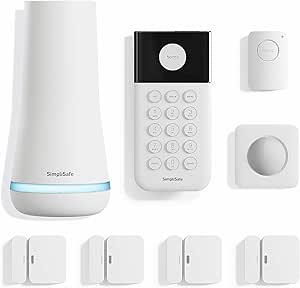 | Best for Simple, Established DIY Setup | Connectivity: Wireless | Power source: Battery powered | Compatible devices: Smartphone | VIEW ON AMAZON | See Our Full Breakdown |
| Wireless Alarm System for Home Security, 24Pcs WiFi+4G, No Monthly Fees |  | Best for Subscription-Free Coverage | Connectivity: 2.4 GHz Wi-Fi and GSM/4G LTE | Sensor bundle: 10 door/window sensors and five motion detectors | Power source: AC adapter with rechargeable battery backup | VIEW ON AMAZON | See Our Full Breakdown |
| Ring Alarm 14-Piece Kit (newest model), Wireless smart home or business security system, expandable, easy setup, Mobile App Control, 24/7 Professional Monitoring, Alexa Compatible |  | Best for Larger Homes and Expansion | Included components: Base station, two keypads, eight contact sensors, two motion detectors, and one range extender | Connectivity: Ethernet, Wi-Fi, Z-Wave, and Bluetooth for setup | Base station power: 100–240 V AC adapter | VIEW ON AMAZON | See Our Full Breakdown |
| 24pcs Wireless DIY Home Burglar Alarm System, 4G WiFi GSM, No Monthly Fee,Home Security with App Alert |  | Best for Flexible DIY Placement | Connectivity: Wireless; Wi-Fi and 4G/GSM advertised | Power source: Battery powered | Compatible device: Smartphone | VIEW ON AMAZON | See Our Full Breakdown |
| GEN 2 Wireless Home Security System, 16-Piece DIY Alarm Kit with Touchscreen Hub, Door Sensors, Motion Detectors, App Alerts, 120dB Wired Siren, No Monthly Fee |  | Best for Touchscreen and Local Alarm Control | Kit size: 16 pieces | Connectivity: Wireless | Control: App | VIEW ON AMAZON | See Our Full Breakdown |
| home security systems diy | Connectivity | Alert type |
|---|---|---|
| WiFi Alarm System for Home Sec | Wireless; 2.4 GHz WiFi | — |
| Home Security System 9-Piece K | Wireless WiFi and 4G | Motion |
| PGST Home Security Systems 12- | WiFi and GSM/4G | Audible and visual |
| Home Security System with 24 S | GSM/4G and WiFi | Motion |
| 15-Piece WiFi Home Security Sy | Wireless WiFi; 2.4 GHz only | — |
| ADT Blu Home Security System S | Wireless with cellular backup and Bluetooth | — |
| WiFi Door Alarm System | Wireless; 2.4GHz WiFi only | Audio and motion |
| Cove 6 Piece DIY Home Security | Wireless | Audio and motion |
| WiFi Alarm System for Home Sec | WiFi; 2.4GHz networks only | Mobile app notifications |
| Ring Alarm 8-Piece Kit | Ethernet, WiFi, Z-Wave, Bluetooth, and cellular backup | — |
| SimpliSafe 8 Piece Wireless Ho | Wireless | Motion |
| Wireless Alarm System for Home | 2.4 GHz Wi-Fi and GSM/4G LTE | — |
| Ring Alarm 14-Piece Kit | Ethernet, Wi-Fi, Z-Wave, and Bluetooth for setup | — |
| 24pcs Wireless DIY Home Burgla | Wireless; Wi-Fi and 4G/GSM advertised | Motion |
| GEN 2 Wireless Home Security S | Wireless | — |
More Details on Our Top Picks
WiFi Alarm System for Home Security, DIY Wireless Alarm Kit 21PCS
This kit suits buyers who want a larger sensor setup without paying for ongoing service: it combines door sensors, remote controls, and a 110 dB siren with app and voice-command control. Its listed 330-foot maximum range gives it an advantage over the 15-Piece WiFi Home Security System, whose stated range is 100 feet, especially when sensors need to cover more ground. A 48-hour backup battery can keep the alarm operating through a power interruption, while tamper alerts add another layer of notice if equipment is disturbed.
The tradeoff is its reliance on 2.4 GHz WiFi, with no cellular backup, so an internet outage can limit remote alerts. Hub installation also requires drilling, and sensor battery life can vary. I’d choose it for a wider DIY layout, but not for homes that need connection redundancy.
Pros:- Includes multiple sensors and remote controls for broader DIY coverage
- Stated 330-foot maximum range exceeds the 100-foot range listed for the 15-Piece WiFi Home Security System
- 48-hour backup battery can maintain alarm operation during a power outage
- App and voice-command control without monthly fees
Cons:- Uses 2.4 GHz WiFi and has no cellular backup
- Hub installation requires drilling
- Sensor battery life may vary with use
Best for: DIY households that need multiple sensors, remote controls, and a longer stated wireless range without a monthly service plan
Not ideal for: Buyers who need cellular backup or a drill-free hub installation
- Connectivity:Wireless; 2.4 GHz WiFi
- Control:App, push button, remote, and voice commands
- Maximum range:330 feet
- Siren:110 dB
- Backup battery:48 hours
- Voltage:5 volts
- Dimensions:7.05 x 4.49 x 0.79 inches
- Weight:2.5 pounds
Our verdict“Choose this kit if you want broad sensor coverage and backup power, but skip it if cellular connectivity is a must.”
Home Security System 9-Piece Kit with Alexa & Google Compatibility, No Monthly Fees, WiFi & 4G Mobile App Control, Instant Alerts, Auto Alarm Dial, Door/Window Sensors, Motion Detectors, Remote Control, 24/7 Monitoring
For a small or medium home, this 9-piece kit keeps the setup relatively focused while offering app access, voice control, and listed WiFi-to-4G network switching. That cellular option is its clearest distinction from the WiFi-only 21-piece kit: it may help maintain connectivity if the home internet drops, though the product details do not specify what 4G service or fees apply. Alexa and Google compatibility also make routine arming easier for households already using those assistants.
The compact sensor count means less initial coverage than the PGST 12-Piece Kit, and added cameras or sensors are sold separately. Setup still depends on configuring the smartphone app, so this is not a fully hands-off system. I’d shortlist it for buyers who value connectivity options over a large out-of-box sensor inventory, but confirm the 4G requirements before relying on cellular alerts.
Pros:- Lists automatic switching between WiFi and 4G networks
- Works with Alexa and Google voice control
- Includes sensors, motion detectors, and remote controls
- Expandable with separately purchased sensors
Cons:- App setup and configuration are required
- Additional cameras and sensors are sold separately
- Product details do not clarify 4G service requirements
Best for: Small- to medium-home owners who want voice control and a listed WiFi/4G connection option in a compact DIY kit
Not ideal for: Buyers seeking a large included sensor set, bundled cameras, or a system that needs no app configuration
- Kit size:9 pieces
- Connectivity:Wireless WiFi and 4G
- Compatible devices:Alexa, Google, smartphone, tablet, and PC
- Control:App, push button, remote, and voice
- Alert type:Motion
- Expansion:Supports additional sensors
- Dimensions:7 x 3.1 x 3 inches
Our verdict“Pick this kit for a smaller home where voice control and a cellular connection option matter more than a large starter sensor bundle.”
PGST Home Security Systems 12-Piece Kit, WiFi + GSM/4G, Mobile App Control, Alexa Compatible
The PGST offers a middle ground for households that want more included hardware than the 9-Piece Home Security System, without stepping up to a 24-sensor touchscreen package. Its 12-piece kit combines sensors, motion detection, a base station, and remotes, with WiFi plus GSM/4G connectivity listed for app-based use. That second network path may be useful when home broadband is unavailable, while the 110 dB audible and visual alerts give the alarm an immediate local signal.
Compared with the 9-piece kit, the PGST lists a larger kit and a defined 100-meter maximum range; however, its product data does not explain cellular service conditions. The system is battery powered, so replacements become part of ownership, and cameras require a separate purchase. I’d favor it for a modest home needing a fuller starter bundle, not for anyone expecting cameras or a maintenance-free power setup.
Pros:- 12-piece bundle includes sensors, motion detectors, a base station, and remotes
- Lists both WiFi and GSM/4G connectivity
- 110 dB audible and visual alerts
- Alexa compatible and expandable with additional sensors
Cons:- Cameras must be purchased separately
- Battery-powered components require battery replacement
- Cellular service requirements are not specified in the supplied product details
Best for: Owners of small or medium homes who want a 12-piece starter kit, app control, and WiFi plus GSM/4G support
Not ideal for: Buyers who want cameras included or prefer a system that does not rely on replaceable batteries
- Kit size:12 pieces
- Connectivity:WiFi and GSM/4G
- Power source:Battery powered
- Control:App
- Maximum range:100 meters
- Alert type:Audible and visual
- Audible alert:110 dB
- Sensor technology:PIR motion detection
- Voltage:5 volts
Our verdict“Choose the PGST if you want a mid-size DIY kit with a stated cellular option, and plan separately for cameras and battery upkeep.”
This system is aimed at households that want a central control panel rather than relying only on an app. The 4.3-inch touchscreen gives family members a direct way to manage the alarm, while factory-pre-paired accessories can reduce the amount of pairing work during DIY setup. Its 24-sensor package is a substantial step up from the PGST 12-Piece Kit, and the listed GSM/4G plus WiFi support offers more connectivity paths than a WiFi-only alarm. An SOS button also gives users a direct alert control, a feature that may suit homes with children or older adults.
The tradeoff is that phone-call alerts require a GSM card, and the system caps support at 24 sensors. The details also do not spell out cellular service costs or a backup-power duration. I’d choose this over a simpler app-led kit when panel access and SOS operation matter, but not for a very large property or anyone needing 5G.
Pros:- 4.3-inch touchscreen provides direct control without depending solely on a phone
- Factory-pre-paired accessories simplify initial DIY setup
- Includes an SOS button for immediate assistance alerts
- Supports GSM/4G and WiFi connectivity
Cons:- GSM card is required for phone-call alerts
- Sensor support is limited to 24
- No 5G support, and backup-power duration is not provided
Best for: Families or small businesses that want a touchscreen hub, pre-paired accessories, and an SOS button for household members
Not ideal for: Very large properties needing more than 24 sensors, or buyers who require 5G connectivity
- Sensor capacity:24 sensors
- Display:4.3-inch color touchscreen
- Connectivity:GSM/4G and WiFi
- Control:App and touchscreen
- Compatible devices:Smartphone, tablet, and personal computer
- Alert type:Motion
- Installation:Wireless; accessories factory-pre-paired
- Warranty:1 year
Our verdict“Pick this system if a touchscreen panel and SOS button are priorities, but choose a different kit for larger properties or 5G needs.”
15-Piece WiFi Home Security System, DIY Wireless Alarm Kit, No Subscription
This kit prioritizes a strong local warning and a straightforward DIY package: the included base station, keypad, motion sensor, ten door sensors, and two remotes offer a useful starting layout for covering common entry points. Its 120 dB siren is louder on paper than the 110 dB alarms listed for the PGST and 21-piece kits, making local deterrence its standout feature. App alerts and Alexa compatibility add remote awareness and voice control, while the system can expand to 20 sensors and five remotes or keypads.
Its key limitation is connectivity: it works only on 2.4 GHz WiFi, has a stated 100-foot range, and offers no listed cellular backup. The listed backup battery lasts eight hours, shorter than the 48-hour backup specified for the 21-piece kit. The title says 15-piece, but the supplied feature data lists eight units, so buyers should verify the included count before ordering.
Pros:- 120 dB siren is louder on paper than the 110 dB PGST and 21-piece kit sirens
- Bundle description lists ten door sensors, a motion sensor, keypad, and two remotes
- Expandable to 20 sensors and five remotes or keypads
- App alerts and Alexa compatibility without monthly fees
Cons:- Works only with 2.4 GHz WiFi and has no listed cellular backup
- Eight-hour backup battery is shorter than the 48-hour backup listed for the 21-piece kit
- Product title says 15-piece while supplied feature data lists eight units
Best for: DIY homeowners who want many door sensors, keypad and remote access, and a very loud local siren on 2.4 GHz WiFi
Not ideal for: Buyers who need cellular backup, a longer stated backup duration, or certainty about the kit’s listed unit count before purchase
- Kit contents:Description lists 1 base station, 1 keypad, 1 motion sensor, 10 door sensors, and 2 remotes
- Listed unit count:8 count in supplied feature data
- Connectivity:Wireless WiFi; 2.4 GHz only
- Siren:120 dB
- Maximum range:100 feet
- Backup battery:8 hours
- Control:App, remote, and voice
- Expansion capacity:Up to 20 sensors and 5 remotes or keypads
- Power source:Battery powered; alkaline cells
Our verdict“Choose it for a loud siren and door-focused coverage, but verify the kit contents and avoid it if you need cellular backup.”
ADT Blu Home Security System Starter Kit, DIY Wireless Alarm
I’d choose the ADT Blu Starter Kit for a renter or homeowner who wants to install sensors without wiring but may want professional monitoring later. Setup uses adhesive or screw mounts, and the ADT+ app adds remote system control; extra sensors and cameras can grow the setup beyond its starter configuration. Compared with the WiFi Door Alarm System 8-Piece Kit, ADT Blu has a clearer path to professional monitoring, while that kit emphasizes no-subscription alerts and voice-assistant compatibility. The tradeoff is that 24/7 monitoring requires a paid plan, so this is not the simplest choice for someone avoiding ongoing service costs. The listed 24-hour battery life also makes backup duration a point to check before relying on it through extended outages.
Pros:- Self-adhesive or screw-mount installation supports different home surfaces
- ADT+ app provides remote monitoring and control
- Can expand with additional sensors and cameras
- Cellular backup is listed alongside wireless connectivity
Cons:- 24/7 professional monitoring requires a paid subscription
- Listed battery life is 24 hours
- App compatibility specifies iOS 17.0 or later and Android 12 or later
Best for: Apartment renters and homeowners who want adhesive-mount DIY sensors, app control, and the option to add professional monitoring.
Not ideal for: Buyers set on avoiding paid monitoring or those who need longer stated backup operation during power outages.
- Connectivity:Wireless with cellular backup and Bluetooth
- Power:Corded electric base; battery-powered accessories
- App compatibility:Apple iOS 17.0 or later; Android 12 or later
- Entry control:App and touch
- Sensor technology:Motion sensor
- Installation:Self-adhesive or screw-mounted door/window sensors; wall-mounted motion sensor
- Listed battery life:24 hours
- Warranty:90-day limited warranty
Our verdict“Choose ADT Blu if you want an expandable DIY kit with an available professional-monitoring path, and skip it if avoiding service fees is your priority.”
WiFi Door Alarm System, 8-Piece DIY Wireless Alarm Kit with Door Sensors
For a buyer who wants a basic alarm setup without a monthly monitoring plan, this 8-piece WiFi kit puts the emphasis on straightforward installation and local alerting. The kit includes an alarm station, door sensors, and remote controls, and its stated expansion limit of 20 sensors and five remotes leaves room to cover more entry points. Unlike the ADT Blu Starter Kit, it does not present a paid professional-monitoring option; that keeps the setup simpler for subscription-averse households, but means it is a weaker fit for anyone seeking a monitoring service. It also needs AC power for the alarm station and works only on 2.4GHz WiFi. The eight-hour backup battery is a shorter outage buffer than the 24-hour backup listed for the Ring Alarm kit.
Pros:- Tool-free DIY installation
- No subscription fee for alerts and monitoring
- Expansion capacity of up to 20 sensors and five remote controls
- Compatible with Alexa and Google Assistant
Cons:- Supports 2.4GHz WiFi only
- Alarm station requires AC power
- Backup battery is listed for only eight hours
Best for: Budget-conscious renters or homeowners who want a tool-free, expandable alarm with app alerts and no subscription fee.
Not ideal for: Households using only 5GHz WiFi or buyers who need a long backup window or professional monitoring.
- Power:Battery-powered system; alarm station requires AC power
- Connectivity:Wireless; 2.4GHz WiFi only
- Compatible devices:Smartphone
- Alert type:Audio and motion
- Maximum range:100 meters
- Expansion:Up to 20 sensors and five remote controls
- Backup battery:Up to eight hours
- Connector:USB Type-C
Our verdict“Pick this kit for subscription-free DIY alerts and room to add sensors, but choose another system if you need professional monitoring or longer backup.”
Cove 6 Piece DIY Home Security System with 3-Month Monitoring
The Cove 6-piece kit suits first-time DIY buyers who want guided setup and a temporary introduction to professional monitoring. It combines a wireless hub, sensors, and an indoor 1080p camera, with app control for managing the system remotely. Its three-month monitoring period is the clearest distinction from the no-subscription WiFi Door Alarm System: Cove gives buyers a chance to use professional monitoring, but the service requires a paid plan after the included period. That makes it a better fit for households weighing monitored protection than for anyone committed to free alerts only. The basic package includes an indoor camera, not a broad camera setup, so buyers needing outdoor video coverage will need to look at other equipment. Compared with ADT Blu, Cove puts more emphasis on guided setup and a defined trial period.
Pros:- Step-by-step setup is suited to new DIY system owners
- Includes three months of professional monitoring
- Starter package includes an indoor camera with 1080p capture
- Can expand with additional sensors and devices
Cons:- Professional monitoring requires a paid plan after three months
- Basic package camera coverage is limited to indoors
- Listed return guarantee is 30 days
Best for: First-time DIY security buyers who want guided installation, an indoor camera, and a short included period of professional monitoring.
Not ideal for: Buyers who want to avoid paid monitoring after the included three months or need outdoor cameras in the starter kit.
- Connectivity:Wireless
- Power:Battery powered
- Camera resolution:1920 x 1080
- Compatible devices:Android and iOS devices
- Included monitoring:Three months
- Alert type:Audio and motion
- Voltage:5 volts
- Warranty/return information:30-day return guarantee
Our verdict“Choose Cove if you want guided setup and a short monitored starting period with an indoor camera, but not if you need ongoing monitoring without fees.”
WiFi Alarm System for Home Security, DIY, No Monthly Fee, App Alerts
This kit is aimed at buyers who want a strong audible warning and phone alerts without paying for a monthly plan. Its headline feature is a 120dB siren, which gives an alarm event a more immediate at-home response than an app notification alone. The system can expand to 20 sensors and five remotes or keypads, making it more adaptable than a basic single-entry alarm. Compared with the similar WiFi Door Alarm System 8-Piece Kit, this model specifies the siren volume and a 100-foot range, while the other kit lists Alexa and Google Assistant compatibility. Both are restricted to 2.4GHz WiFi and have an eight-hour backup, so neither is ideal for a home that needs extended outage coverage. This system also relies on a smartphone app for alerts and offers no professional monitoring in the supplied details.
Pros:- 120dB siren provides a loud local alarm
- No monthly subscription fee is listed
- Expansion supports up to 20 sensors and five remotes or keypads
- DIY installation requires no wiring
Cons:- Works with 2.4GHz WiFi only
- Backup battery lasts up to eight hours
- App notifications require a smartphone, and professional monitoring is not listed
Best for: Homeowners who want a no-monthly-fee alarm with a loud siren, app notifications, and the option to add sensors.
Not ideal for: People who need professional monitoring, use 5GHz-only WiFi, or do not want alerts routed through a smartphone app.
- Connectivity:WiFi; 2.4GHz networks only
- Alert type:Mobile app notifications
- Audible alarm:120dB
- Sensor technology:Door sensor
- Maximum range:100 feet
- Battery backup:Eight hours
- Expansion capacity:Up to 20 sensors and five remotes/keypads
- Installation:DIY, no wiring
Our verdict“Choose this system for a loud, expandable alarm with app alerts and no monthly fee, but skip it if you need monitored response or longer backup.”
Ring Alarm 8-Piece Kit (Newest Model) – Home & Business Security System with Optional 24/7 Professional Monitoring
I’d put the Ring Alarm 8-Piece Kit near the top for buyers who want a DIY system that can connect to a broader smart-home setup. The package includes a base station, keypad, contact sensors, motion detector, and range extender, while the app supports remote arming, disarming, and notifications. Compared with the WiFi Door Alarm System 8-Piece Kit, Ring offers a listed 24-hour rechargeable backup and several connection types, including Ethernet, WiFi, Z-Wave, and cellular backup. It also offers optional professional monitoring, which gives it more range than a no-fee-only alarm. The tradeoff is that professional monitoring and some voice-control features require a subscription, and some functions may depend on extra accessories. The keypad is for indoor use, so this kit is not designed as an outdoor control point.
Pros:- Includes base station, keypad, contact sensors, motion detector, and range extender
- Supports Ethernet, WiFi, Z-Wave, Bluetooth, and cellular backup
- Listed rechargeable backup lasts 24 hours
- Offers remote app control and optional professional monitoring
Cons:- Professional monitoring and some voice-control features require a subscription
- Some capabilities may require additional accessories or subscriptions
- Keypad is limited to indoor use
Best for: Small-home or small-business owners who want app-based DIY control, Alexa compatibility, multiple connectivity options, and optional professional monitoring.
Not ideal for: Buyers who want every feature without a subscription or need an outdoor-rated keypad or controls.
- Power:Base station: 100–240V, 50/60Hz
- Battery backup:Rechargeable, 24 hours
- Connectivity:Ethernet, WiFi, Z-Wave, Bluetooth, and cellular backup
- Security modes:Disarmed, Away, Home
- Base station dimensions:6.65 x 6.65 x 1.46 inches
- Operating temperature:-4°F to 104°F (-20°C to 40°C)
- Monitoring:Optional 24/7 professional monitoring
- Voice assistant:Alexa compatible
Our verdict“Choose Ring for a connected, expandable DIY setup with optional monitoring and a longer listed backup than the two basic WiFi alarm kits.”
SimpliSafe 8 Piece Wireless Home Security System – No Contract, Compatible with Alexa and Google Assistant
I’d put this SimpliSafe kit ahead of the less-documented DIY bundles for buyers who want a straightforward sensor-based setup with the option of professional response. Its entry and motion sensors, base station, and panic button cover the basics without wiring, while Alexa and Google Assistant compatibility adds convenient voice control. The system also has backup power for outages, a practical advantage when a router or home power supply is interrupted. Compared with the Ring Alarm 14-Piece Kit, this package is smaller and simpler to place, but Ring includes more contact sensors and two keypads for larger homes. SimpliSafe’s main tradeoff is that police dispatch requires a professional monitoring plan; it is not the strongest match for someone seeking a strictly self-monitored, subscription-free system. Its listed 720p video resolution is also not a substitute for a dedicated camera setup.
Pros:- Wireless installation avoids wiring and drilling
- Includes entry sensors, motion sensors, a base station, and a panic button
- Works with Alexa and Google Assistant
- Built-in backup supports operation during power outages
Cons:- Police dispatch requires a professional monitoring plan
- Motion sensors may not detect pets over 60 pounds
- Availability and support are limited to the United States
Best for: Homeowners or renters who want an uncomplicated wireless sensor kit, voice-assistant compatibility, and the option to add professional monitoring.
Not ideal for: Buyers who want police dispatch without a monitoring plan, extensive entry-point coverage out of the box, or camera-led security.
- Connectivity:Wireless
- Power source:Battery powered
- Compatible devices:Smartphone
- Video capture resolution:720p
- Alert type:Motion
- Audible noise:95 dB
- Voltage:12 volts
- Listed maximum range:3,048 meters
Our verdict“Choose SimpliSafe if easy installation and optional professional monitoring matter more than a large sensor count or subscription-free dispatch.”
Wireless Alarm System for Home Security, 24Pcs WiFi+4G, No Monthly Fees
This kit is aimed at buyers who want broad sensor coverage and app alerts without a recurring monitoring plan. Its 10 door/window sensors and five motion detectors give it more stated coverage than the eight-piece SimpliSafe kit, while Wi-Fi plus optional 4G SIM backup can keep alerts connected when home internet drops. That cellular backup is not entirely hands-off: the SIM card is not included, and buyers need to check service compatibility and any carrier charges. The 120 dB siren, keypad, and hub tamper alert add local deterrence and control, while the 48-hour hub backup is useful during outages. Compared with the Ring Alarm 14-Piece Kit, this option avoids requiring a compatible subscription for its advertised app use, but Ring has a more established accessory ecosystem and clearly specified component details. I’d favor this kit for sensor quantity, not for buyers who expect polished monitoring support.
Pros:- Includes 10 door/window sensors and five motion detectors
- Wi-Fi and optional 4G SIM backup provide two alert paths
- Hub offers up to 48 hours of battery backup
- Keypad, tamper alert, and 120 dB siren add local control and deterrence
Cons:- 4G SIM card is not included, and cellular service may involve separate charges
- No professional monitoring is included in the stated feature set
- Mounting uses screws and anchors, so installation is not entirely peel-and-stick
Best for: DIY households that want many entry and motion sensors, app notifications, and a self-managed system with optional cellular backup.
Not ideal for: Buyers who want professional monitoring included, a ready-to-use cellular connection, or a system backed by a clearly established accessory ecosystem.
- Connectivity:2.4 GHz Wi-Fi and GSM/4G LTE
- Sensor bundle:10 door/window sensors and five motion detectors
- Power source:AC adapter with rechargeable battery backup
- Hub backup:Up to 48 hours
- Siren:120 dB
- Motion detection:110-degree field of view; up to 12 meters
- Control:App, push button, and remote
- Smart home compatibility:Amazon Alexa, Smart Life, and Tuya
- Installation:DIY; control panel mounts with screws and anchors
Our verdict“Pick this system for a large sensor bundle and self-managed alerts, provided you are comfortable sourcing and setting up cellular backup yourself.”
Ring Alarm 14-Piece Kit (newest model), Wireless smart home or business security system, expandable, easy setup, Mobile App Control, 24/7 Professional Monitoring, Alexa Compatible
For a two- to four-bedroom home, this Ring bundle is the most coverage-oriented choice in this group: eight contact sensors, two motion detectors, two keypads, a base station, and a range extender give buyers more ways to arm and monitor separate areas than the smaller SimpliSafe kit. The second keypad is especially useful when household members enter through different doors. Ring also has a wider path for adding compatible sensors and devices, which makes the kit more adaptable as needs change. The tradeoff is that several convenience features—including professional monitoring, cellular backup, and remote arming—depend on a compatible Ring subscription. Compared with the 24-piece WiFi+4G system, Ring’s stated subscription requirements are less appealing to buyers avoiding ongoing service, but its component details and ecosystem are better defined. I’d choose Ring for coordinated, expandable coverage rather than a no-fee setup.
Pros:- Eight contact sensors and two motion detectors suit larger homes
- Two keypads provide convenient arming at separate entrances
- Range extender helps extend the sensor network
- Expandable with compatible Ring Alarm accessories
Cons:- Professional monitoring and cellular backup require a compatible subscription
- Several remote-control features also depend on a subscription
- Sensors and accessories beyond the included kit are sold separately
Best for: Households in two- to four-bedroom homes that need multiple keypads, broad entry coverage, app management, and room to add compatible devices.
Not ideal for: Buyers who want cellular backup, remote arming, or professional monitoring without a compatible Ring subscription.
- Included components:Base station, two keypads, eight contact sensors, two motion detectors, and one range extender
- Connectivity:Ethernet, Wi-Fi, Z-Wave, and Bluetooth for setup
- Base station power:100–240 V AC adapter
- Base station battery backup:Rechargeable, up to 24 hours
- Contact sensor battery:CR2032 coin cell; approximately three years
- Keypad power:AC adapter with rechargeable battery
- Range extender:Extends Z-Wave range by up to 250 feet
- Smart home compatibility:Alexa and listed compatible Z-Wave devices
- Operating temperature:Base station: -4°F to 104°F
Our verdict“Choose Ring for a larger home where multiple keypads and an expandable device ecosystem matter more than avoiding subscription-dependent features.”
24pcs Wireless DIY Home Burglar Alarm System, 4G WiFi GSM, No Monthly Fee,Home Security with App Alert
This 24-piece alarm system suits buyers who want a customizable, self-installed setup for a home, small office, or vacation property. Its peel-and-stick installation can make placement easier than the screw-mounted hub approach listed for the WiFi+4G 24-sensor system, and the product description says sensors or compatible smart devices can be added. Wi-Fi and 4G connectivity are advertised for remote alerts, though the listing also says a SIM card or Wi-Fi is needed, so I’d verify which network functions work in the intended setup before relying on it. Compared with the GEN 2 touchscreen kit, this system provides a stated 80-meter maximum range rather than 100 feet, but it offers less specific detail on the hub, siren, and sensor quantities. The supplied batteries are described as gifts, so replacement may be needed; that makes this a less predictable choice than Ring or SimpliSafe.
Pros:- Peel-and-stick installation is suited to renters and quick placement changes
- Advertises Wi-Fi and 4G connectivity for remote alerts
- Expandable with additional sensors or compatible smart devices
- Designed for homes, offices, vacation properties, and elderly-care use
Cons:- SIM card or Wi-Fi is required, and cellular setup details are limited
- The listing warns that supplied batteries may need replacement
- Specific sensor quantities and hub backup details are not provided
Best for: DIY buyers outfitting a small office, vacation property, or home who value peel-and-stick placement and are willing to confirm network and battery requirements.
Not ideal for: People who need clearly documented component counts, dependable included batteries, or a well-defined professional monitoring option.
- Connectivity:Wireless; Wi-Fi and 4G/GSM advertised
- Power source:Battery powered
- Compatible device:Smartphone
- Alert type:Motion
- Control method:App
- Maximum range:80 meters
- Sensor technology:Motion sensor
- Connector type:Mixed wired and wireless
- Dimensions:10.5 x 6.2 x 7 inches
Our verdict“Consider this kit for flexible, subscription-free DIY placement only if you can confirm the included components and connectivity requirements before installation.”
GEN 2 Wireless Home Security System, 16-Piece DIY Alarm Kit with Touchscreen Hub, Door Sensors, Motion Detectors, App Alerts, 120dB Wired Siren, No Monthly Fee
The GEN 2 kit puts more emphasis on hands-on control than the app-first Ring and SimpliSafe options. Its touchscreen hub, remote controls, and RFID key fobs give household members several ways to operate the alarm, while door/window contacts, motion detectors, and a wired siren build out a more traditional DIY setup. The stated no-monthly-fee approach will appeal to self-monitoring buyers, but cellular alerts require a compatible 4G SIM card sold separately, and the system does not support 5 GHz Wi-Fi. Its listed 100-foot maximum range also calls for careful hub and sensor placement, particularly in larger or multi-level homes. Compared with the 24-piece WiFi+4G system, this kit has fewer pieces but clearer touchscreen and control details; Ring offers a more developed expansion path, though subscription features are part of that tradeoff.
Pros:- Touchscreen hub offers direct control without relying only on a phone
- Includes door/window sensors, motion detectors, remotes, and RFID key fobs
- Wired siren and SOS button support local alarm response
- Advertises app alerts without a monthly subscription
Cons:- 4G SIM card for cellular alerts is sold separately
- Does not support 5 GHz Wi-Fi
- Listed wireless range is limited to 100 feet
Best for: Households that want a touchscreen hub, physical remotes or RFID fobs, a loud local siren, and self-managed alerts without a monthly monitoring fee.
Not ideal for: Owners of large or multi-level homes, users who rely on 5 GHz Wi-Fi, or buyers who expect cellular alerts without sourcing a SIM card.
- Kit size:16 pieces
- Connectivity:Wireless
- Control:App
- Compatible devices:Android, iOS, smartphones, and tablets
- Maximum range:100 feet
- Siren:Wired; listed at 100 dB in specifications and 120 dB in the product title
- Sensor technology:Magnetic door/window contact, PIR motion, RFID, and wireless
- Connector:USB Type-C
- Cellular alerts:Requires a compatible 4G SIM card, sold separately
Our verdict“Choose the GEN 2 kit if you want touchscreen and physical control with a loud local siren, and your home fits its network and range limits.”
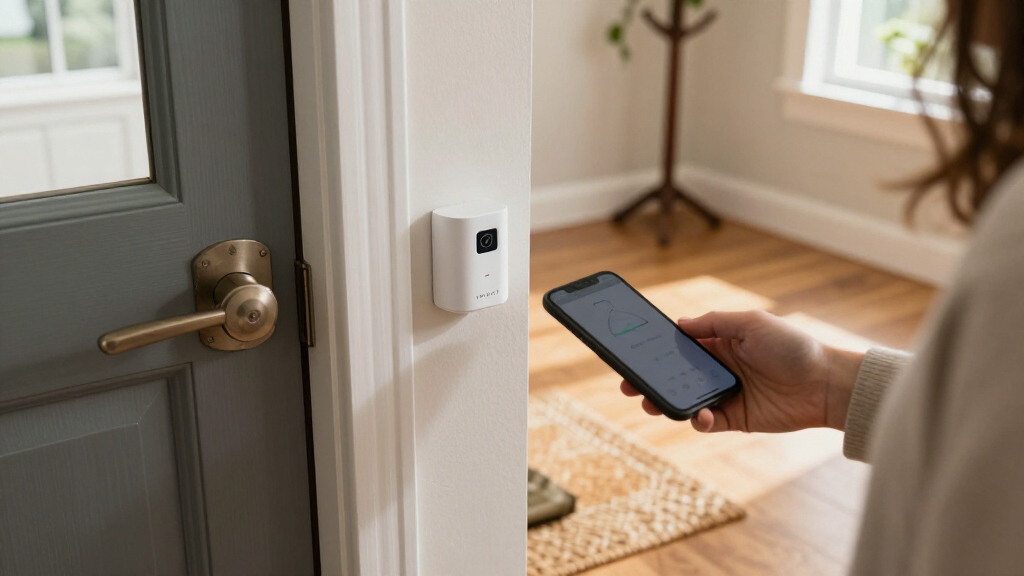
How We Picked
I compared each system on factors that affect a DIY buyer after unboxing: what the kit includes, how it connects, how alerts reach the owner, and whether the system can grow. Sensor counts can signal broader coverage, but they do not tell the whole story; a buyer needs to know whether those pieces are useful sensors, remotes, or other accessories. I also separated WiFi-only descriptions from systems listing WiFi and GSM/4G, since backup connectivity may matter during an internet outage, while cellular use can involve service conditions that should be checked.
The ranking favors clear setup paths, practical coverage, usable app or hub controls, and credible monitoring choices over a high piece count alone. Ring’s 14-piece kit leads for its combination of expansion and optional professional monitoring; SimpliSafe ranks strongly for a simpler no-contract entry point, while the GEN 2 kit earns a distinct place for its touchscreen and siren. Kits advertised as having no monthly fees can be appealing for self-monitoring, but their place depends on what they include and how much responsibility the owner is willing to take on. Product names and supplied descriptions do not establish installation quality, sensor range, app reliability, or monitoring terms, so I treat those as details buyers should verify before purchase.
| home security systems diy | Alert type |
|---|---|
| WiFi Alarm System for Home Sec | — |
| Home Security System 9-Piece K | Motion |
| PGST Home Security Systems 12- | Audible and visual |
| Home Security System with 24 S | Motion |
| 15-Piece WiFi Home Security Sy | — |
| ADT Blu Home Security System S | — |
| WiFi Door Alarm System | Audio and motion |
| Cove 6 Piece DIY Home Security | Audio and motion |
| WiFi Alarm System for Home Sec | Mobile app notifications |
| Ring Alarm 8-Piece Kit | — |
| SimpliSafe 8 Piece Wireless Ho | Motion |
| Wireless Alarm System for Home | — |
| Ring Alarm 14-Piece Kit | — |
| 24pcs Wireless DIY Home Burgla | Motion |
| GEN 2 Wireless Home Security S | — |
Factors to Consider When Choosing Home Security Systems Diy
A DIY alarm kit is only useful if its components match the layout and response plan of your home. Before choosing by piece count or a no-fee claim, I’d map likely entry points, check how alerts work when the internet is down, and decide who will act on an alarm. These broader choices can matter more than the difference between two similarly sized boxes.
Match Sensor Coverage to Your Layout
Start with a simple map of exterior doors, accessible windows, and any rooms where motion detection makes sense. A large sensor count does not automatically mean complete protection: some kits may allocate pieces to remotes or accessories, and a single sensor may not cover a double door or several windows. Check the exact contents and whether extra sensors from the same system are available. In a rental, removable sensors and a hub that can move with you may be more useful than a large permanent setup. Avoid buying a large kit before confirming that its included sensor types fit your entry points.
Decide Who Responds to Alerts
Self-monitoring means a notification reaches you or another chosen contact, and a person must decide what to do next. That can work well when someone is usually reachable and comfortable checking an alert, but it creates a gap during sleep, travel, or a dead-phone period. Professional monitoring can add a response path, though the service terms, availability, and required plan need checking separately. A system described as having no monthly fees may still offer paid services or require connectivity for some features. Choose based on the response you want, not just the advertised fee structure.
Check Backup Connectivity and Power
WiFi-based alerts depend on a working home network, so consider what happens if the router or broadband connection fails. Listings that mention GSM or 4G may offer a cellular communication route, but confirm whether a SIM, subscription, or compatible network is required. Ask about hub and sensor battery backup as well; cellular connectivity is of limited help if the alarm hub loses power. If your area has frequent internet outages, prioritize documented backup behavior over a broad connectivity label. For a stable connection and a self-monitoring plan, WiFi alone may be enough.
Plan for Daily Use, Not Just Installation
Consider where the hub will sit, who needs access, and how everyone will arm or disarm the system when leaving and returning. A touchscreen can make local controls easier for household members who do not want to depend on an app, while app control can help owners manage settings remotely. Ask whether guest access, entry delays, and alarm silencing are supported, since confusing controls can lead to missed alerts or frequent false alarms. Test the intended routine before sticking sensors in place. A simpler system that the whole household uses consistently can serve better than a more elaborate kit that causes friction.
Look Beyond the Starter Kit
Think about whether you may want to add sensors or connect the alarm to voice assistants and other smart-home devices later. Compatibility claims can differ by device, region, and subscription level, so verify that the functions you want are available without an added plan. Expansion also depends on sensor compatibility and any limits on the system’s device count. A bigger bundle can reduce the need for immediate add-ons, but only if its parts fit your layout. If you expect to move or remodel, a modular system may be a better fit than buying every sensor at once.
Treat Sirens and Alerts as Part of One Plan
A loud siren can draw attention inside the home, while an app alert can reach an owner who is away; neither response automatically replaces the other. Check whether a siren is included, whether it is wired or battery-powered, and how it behaves when the system is disarmed. Think through who should receive notifications and how they can confirm an alarm before contacting emergency services. Poorly placed motion sensors or incorrect entry delays can trigger nuisance alarms, so installation and household instructions matter. Set aside time to test alerts and teach everyone how to use the system.
Frequently Asked Questions
Is a DIY home security system with no monthly fee enough for a second home?
It may be enough if you or a trusted contact can reliably respond to app alerts and the system keeps communicating during internet or power interruptions. A second home can sit unattended for long periods, which makes a human response plan more important than the fee label. Check whether the system offers cellular backup, what it takes to activate that connection, and whether alerts can go to more than one person. If nobody can check the property promptly, compare professional monitoring options and their service terms. Do not assume that an app alert guarantees someone will act on it.
Does a 24-piece kit protect more effectively than an 8-piece kit?
Not by piece count alone. The larger kit may cover more doors and windows, but the exact sensor mix, communication features, and fit to your floor plan determine whether that extra equipment is useful. An 8-piece kit can be a better match for a small apartment with few exterior entry points. Compare the itemized box contents and identify any areas that would remain uncovered. Also check the system’s sensor limit and whether compatible add-ons are available if your needs change.
Should I choose WiFi plus 4G instead of WiFi-only connectivity?
WiFi plus cellular communication can be helpful if your internet connection is unreliable or if you want another path for alerts during an outage. The label alone does not confirm active cellular service: ask whether the kit includes a SIM, what network it uses, and whether a plan or separate charge applies. Also look for battery backup for the hub, since a second communication route cannot help if the system has no power. If your internet is dependable and your monitoring plan does not need cellular backup, WiFi may meet your needs. Compare the documented outage behavior rather than relying on the connectivity wording.
Can I install these alarm systems in a rental without damaging the property?
Many wireless alarm components are designed to be placed without hardwiring, but mounting methods and surface requirements vary by product. Check whether each sensor uses adhesive, screws, or both, and confirm that the method is allowed by your lease. Plan hub placement near power and a reliable router without blocking doors or walkways. A system that can be removed and reinstalled may be preferable if you expect to move. Before installation, confirm that the sensors work across the intended door and window frames.
When is professional monitoring worth choosing over app alerts?
Professional monitoring may make sense when you cannot consistently answer alerts yourself, travel often, or want a designated response process. App alerts put more responsibility on you and your contacts, but can suit a household with reliable phone access and a clear call list. Compare the monitoring service’s terms, how alarms are verified, and what happens if the hub loses power or internet. Some systems offer monitoring as an option rather than a requirement, so check which features remain available without it. The right choice depends on who can respond, not on the system name alone.
Conclusion
For most buyers who want a flexible kit with room to cover more entry points and an optional professional-monitoring route, I’d choose the Ring Alarm 14-Piece Kit as best overall. The best value depends on the exact sensor mix and connectivity you need, but the 15-Piece WiFi kit is a sensible place to compare if you want a no-subscription setup; verify its included parts before buying. For a best premium-style feature set, the GEN 2 16-Piece Kit is the standout here for its touchscreen hub and wired siren, though buyers should confirm its service and expansion details. Beginners may prefer the SimpliSafe 8-Piece System for a focused starter kit and optional monitoring, while households with many access points should compare the larger 24-piece WiFi-and-cellular kits. Choose by sensor fit and response plan first, then use the piece count and smart-home features to narrow the final decision.
Halloween Picks
halloween
As an affiliate, we earn on qualifying purchases.