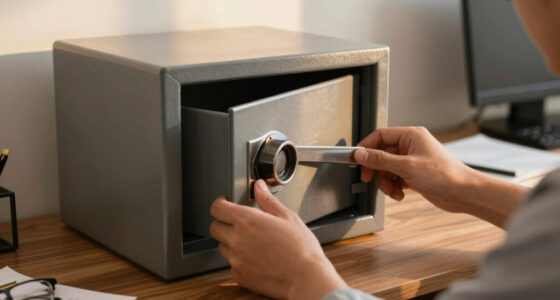
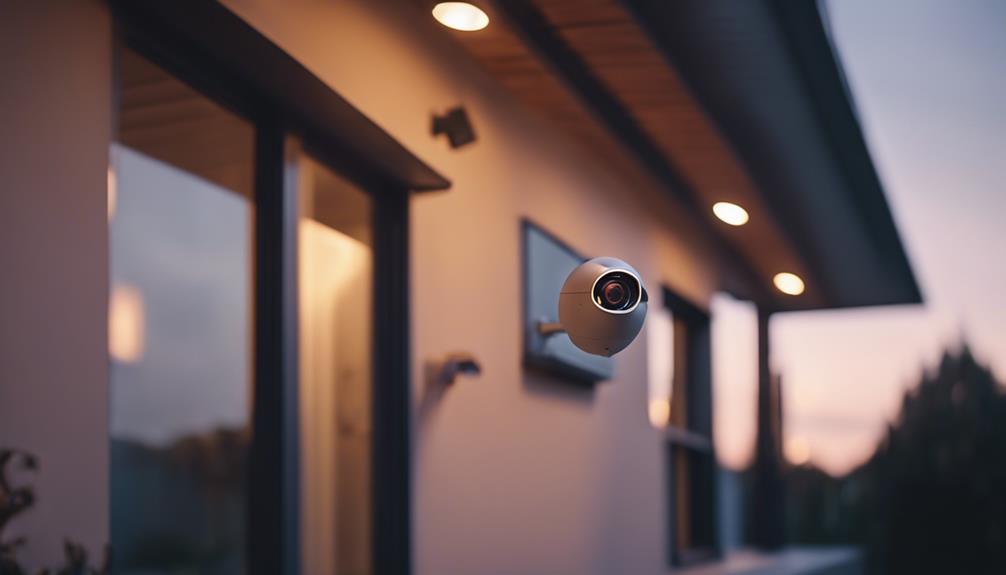
Choosing a home security system in Australia means weighing coverage, connectivity and the ongoing cost of monitoring—not simply counting sensors. I rank the Ring Alarm 14-Piece Kit first for homes that want a substantial sensor bundle and a more established smart-home ecosystem. The GEN 2 16-Piece DIY Alarm is a stronger fit if you want touchscreen control and no required monthly subscription, while the Ring Alarm 8-Piece Kit keeps the setup compact for smaller homes.

Get privacy and security gear delivered free with Prime
- Fast, free delivery on millions of items
- Prime Video, Amazon Music and more included
- Member-only deals all year
The main tradeoff is between ecosystem and monitoring options on the Ring systems and the subscription-free approach of the WiFi-and-4G kits. The latter advertise cellular failover, but that can still require a separate SIM and carrier plan. I also distinguish the two similarly specified 24-piece kits by their positioning and stated features; their shared app, connectivity and range claims mean buyers should verify exact contents and Australian network compatibility before purchase.
Key Takeaways
- Best broad-coverage choice: Ring Alarm 14-Piece includes two keypads, eight contact sensors and two motion detectors, making it more suited to multi-room homes than the smaller Ring kit.
- Best no-required-subscription fit: GEN 2 combines a touchscreen hub with WiFi and 4G, though cellular service still needs a separate SIM and plan.
- Best Ring starter kit: Ring Alarm 8-Piece covers a smaller property with four contact sensors and one motion detector, but extra coverage means buying more sensors.
- Cellular does not automatically mean free backup: the WiFi-and-4G kits may avoid a platform subscription, but 4G operation can bring carrier costs.
- Check Australian compatibility before buying: confirm local 4G band and carrier support, app availability, power requirements and monitoring options for the specific product.
| Ring Alarm 14-Piece Kit |  | Best Overall for Larger Homes | Kit contents: Base Station, 2 Keypads, 8 Contact Sensors, 2 Motion Detectors, Range Extender | Connectivity: Ethernet, WiFi, Z-Wave and Bluetooth | Battery backup: Rechargeable 24-hour base-station battery | VIEW ON AMAZON | See Our Full Breakdown |
| GEN 2 Wireless Home Security System, 16-Piece DIY Alarm Kit |  | Best for Touchscreen, Subscription-Free Control | Kit contents: Hub, 6 door/window sensors, 3 motion detectors, 2 remotes, 2 RFID fobs, SOS button and wired siren | Connectivity: 2.4GHz WiFi and 4G | Siren: 120dB wired siren | VIEW ON AMAZON | See Our Full Breakdown |
| Ring Alarm 8-Piece Kit (2nd Gen) |  | Best Ring Starter Kit for Smaller Homes | Kit contents: Base Station, Keypad, 4 Contact Sensors, Motion Detector and Range Extender | Connectivity: Ethernet, WiFi, Z-Wave and Bluetooth for setup | Cellular backup: Available with a compatible subscription | VIEW ON AMAZON | See Our Full Breakdown |
| PGST 24-Piece WiFi + GSM/4G Wireless Home Security System |  | Best for SOS and Dual-Network Features Without a Platform Fee | Kit size: 24 pieces | Connectivity: 2.4GHz WiFi and 4G | App and voice control: Smart Life/Tuya, Alexa and Google Assistant | VIEW ON AMAZON | See Our Full Breakdown |
| 24-Piece Home Alarm System with WiFi + GSM/4G |  | Best for Flexible App Scheduling and Emergency SOS | Kit size: 24 pieces | Connectivity: 2.4GHz WiFi and 4G | App: Smart Life/Tuya | VIEW ON AMAZON | See Our Full Breakdown |
| home security systems au | Connectivity | Kit contents | Maximum stated range | Connector |
|---|---|---|---|---|
| Ring Alarm 14-Piece Kit | Ethernet, WiFi, Z-Wave and Bluetooth | Base Station, 2 Keypads, 8 Contact Sensors, 2 Motion Detectors, Range Extender | — | — |
| GEN 2 Wireless Home Security S | 2.4GHz WiFi and 4G | Hub, 6 door/window sensors, 3 motion detectors, 2 remotes, 2 RFID fobs, SOS button and wired siren | 100 feet | USB Type-C |
| Ring Alarm 8-Piece Kit | Ethernet, WiFi, Z-Wave and Bluetooth for setup | Base Station, Keypad, 4 Contact Sensors, Motion Detector and Range Extender | — | — |
| PGST 24-Piece WiFi + GSM/4G Wi | 2.4GHz WiFi and 4G | — | 100 metres | USB Type-C |
| 24-Piece Home Alarm System wit | 2.4GHz WiFi and 4G | — | 100 metres | USB Type-C |
More Details on Our Top Picks
Ring Alarm 14-Piece Kit
The Ring 14-Piece is my leading pick for buyers who want broad sensor coverage in one box rather than building a system one device at a time. Its eight contact sensors and two motion detectors provide more starting coverage than the Ring 8-Piece, and two keypads make it more convenient for a household with more than one regular entry point. That is a meaningful difference for a two-to-four-bedroom layout, where a single keypad can become a daily bottleneck.
The system pairs app control with Alexa compatibility and Z-Wave support for compatible accessories, including listed smart-lock brands. This gives it a broader connected-home direction than the simpler 16-piece GEN 2 kit, whose description focuses on its touchscreen hub and Smart Life app. Ring also offers optional professional monitoring, which may suit buyers who want a service beyond self-managed alerts. I would verify that the relevant monitoring and cellular features are available for the specific Australian location before choosing it on that basis.
The tradeoff is ongoing dependence on Ring’s paid plan for professional monitoring and cellular backup. The base station has a rechargeable 24-hour backup, but that does not remove the subscription requirement described for cellular backup. The kit is also larger and more involved than a small apartment needs. I place it above the other picks for its coverage and ecosystem, not because it is the cheapest route or the least complicated one.
Pros:- Eight contact sensors and two motion detectors provide broad included coverage.
- Two keypads can make entry and exit easier across a larger household.
- App control and Alexa voice control support flexible daily use.
- Expandable with listed smart-home accessories and optional monitoring.
Cons:- Professional monitoring and cellular backup require a paid Ring plan.
- Its sensor count and setup may be excessive for a small apartment.
- Australian availability of specific cellular and monitoring services needs confirmation.
Best for: Households in a larger home that want many contact sensors, two keypads, Alexa integration and the option of compatible paid monitoring.
Not ideal for: Small-home buyers seeking a minimal setup, or anyone who wants cellular backup and professional monitoring without a subscription.
- Kit contents:Base Station, 2 Keypads, 8 Contact Sensors, 2 Motion Detectors, Range Extender
- Connectivity:Ethernet, WiFi, Z-Wave and Bluetooth
- Battery backup:Rechargeable 24-hour base-station battery
- Smart-home compatibility:Alexa, Kwikset, Schlage, Yale, Dome and First Alert
- Base station dimensions:6.65 × 6.65 × 1.46 inches
- Base operating temperature:-4°F to 104°F (-20°C to 40°C)
- Warranty:1-year limited warranty
Our verdict“I rank this first for larger homes that value broad included coverage and Ring compatibility, provided the paid-service tradeoff suits the household.”
GEN 2 Wireless Home Security System, 16-Piece DIY Alarm Kit
The GEN 2 earns my second spot by pairing a touchscreen hub with a useful spread of sensors and controls. Its package lists six door/window sensors and three motion detectors, plus two remotes, RFID fobs and an SOS button. Compared with the Ring 8-Piece, that is a more varied control bundle and more motion coverage out of the box; compared with the Ring 14-Piece, it has fewer contact sensors and lacks the same described smart-lock ecosystem.
Its central appeal is that the listing presents the system as usable without a required monthly subscription. WiFi and 4G dual connectivity may also help maintain alerts when home broadband is unavailable, but 4G is not costless by default: the SIM and cellular plan are sold separately. I would check local carrier compatibility before treating that connection as dependable backup in Australia. The stated range is 100 feet, so placement and the layout of walls may matter more than the headline kit count.
There is a practical installation compromise, too. Most setup is described as DIY with pre-paired sensors, but the included siren is wired, which can make placement less convenient than a fully wireless alarm. Buyers who prefer a familiar keypad-and-app arrangement may also find the touchscreen hub unnecessary. I place it ahead of the 24-piece alternatives because its included controls and named sensor breakdown are more specific, while the Ring 14 remains the stronger choice for a broad Alexa-connected system with optional professional monitoring.
Pros:- Touchscreen hub offers direct control at home.
- Includes six contact sensors, three motion detectors, remotes, RFID fobs and an SOS button.
- WiFi and 4G connectivity are listed, with no required monthly subscription.
- Pre-paired sensors are described as suitable for DIY installation.
Cons:- 4G SIM and cellular plan are sold separately.
- The wired siren may restrict placement or require extra installation work.
- Only 2.4GHz WiFi is supported, and local carrier compatibility is not specified.
Best for: Buyers who want a touchscreen hub, several ways to arm or control the system, and no required platform subscription.
Not ideal for: Anyone who wants a fully wireless siren, confirmed Australian 4G support, or a well-established smart-lock ecosystem.
- Kit contents:Hub, 6 door/window sensors, 3 motion detectors, 2 remotes, 2 RFID fobs, SOS button and wired siren
- Connectivity:2.4GHz WiFi and 4G
- Siren:120dB wired siren
- Maximum stated range:100 feet
- Control methods:App, touchscreen, remote and RFID
- Compatible devices:Android, iOS, smartphones and tablets
- Connector:USB Type-C
Our verdict“I recommend the GEN 2 to buyers who value a touchscreen and varied controls more than Ring’s wider ecosystem or larger contact-sensor count.”
Ring Alarm 8-Piece Kit (2nd Gen)
The Ring 8-Piece is the more sensible Ring choice for a one-to-two-bedroom home, where four contact sensors and one motion detector may cover the main entry points without leaving a large box of unused equipment. It keeps the same basic Ring app approach, Alexa voice control and optional monitoring path as the 14-Piece. The bigger kit is a better fit when multiple rooms and entrances need coverage from day one; this one keeps the starting setup smaller.
Its connectivity includes Ethernet, WiFi, Z-Wave and Bluetooth for setup, with a rechargeable 24-hour base-station battery backup. The listing also describes cellular backup, but only with a subscription. That distinction matters if the household expects the alarm to report an outage when internet access fails: the battery backup helps the base station stay powered, while cellular service is a separate paid feature. The subscription terms should be checked for Australia before purchase.
Compared with the GEN 2 16-Piece, Ring offers a more recognisable Alexa-and-accessory ecosystem, but the GEN 2 includes a touchscreen, more varied controls and a stated no-required-subscription model. Ring’s compact kit is not the value pick for buyers who need many sensors; adding coverage later means purchasing extra devices. I rank it third because it is a straightforward starting point when compactness matters more than bundled coverage.
Pros:- Compact bundle includes four contact sensors and one motion detector.
- App and Alexa controls match the broader Ring ecosystem.
- Base station includes a rechargeable 24-hour battery backup.
- Can be expanded with additional sensors and compatible accessories.
Cons:- Cellular backup and professional monitoring require a compatible subscription.
- Additional sensors are needed for broader coverage.
- Remote features and local service availability should be checked before purchase.
Best for: People in a one-to-two-bedroom home who want a compact Ring setup with app and Alexa control.
Not ideal for: Larger households that need many sensors immediately, or buyers who require cellular backup without a paid plan.
- Kit contents:Base Station, Keypad, 4 Contact Sensors, Motion Detector and Range Extender
- Connectivity:Ethernet, WiFi, Z-Wave and Bluetooth for setup
- Cellular backup:Available with a compatible subscription
- Base-station battery:Rechargeable 24-hour backup
- Base station dimensions:6.65 × 6.65 × 1.46 inches
- Power:AC adapter, 100–240V, 50/60Hz
- Warranty:1-year limited warranty
Our verdict“I would choose this over the Ring 14-Piece for a smaller property, but not when the household needs broad coverage immediately.”
PGST 24-Piece WiFi + GSM/4G Wireless Home Security System
The PGST 24-piece kit is aimed at buyers who want WiFi plus 4G alerts and an SOS button without paying a required platform subscription. Its Smart Life/Tuya app support and Alexa and Google compatibility give it broader voice-assistant options than either Ring kit, while the portable SOS button is a point of difference for households that want a quick alarm control available to a family member. Those features make it distinct from the GEN 2 touchscreen kit, which puts more emphasis on a fixed hub and included RFID controls.
The listing also describes a tamper-proof hub, automatic switching between WiFi and 4G, a 120dB alarm and a maximum range of 100 metres. Those claims may be attractive for a property where internet reliability is a concern, but 4G still depends on a SIM and data plan. The listing does not establish which Australian carriers or bands are supported. It also specifies only 2.4GHz WiFi, so buyers with a dual-band router should confirm that the home network can provide a compatible connection.
I rank PGST fourth because the stated feature set is appealing, but the supplied information does not give the same clear sensor-by-sensor breakdown as the GEN 2 kit. The other 24-piece system also offers WiFi and 4G, a 120dB siren and no required subscription, so I would compare the actual included sensors and the hub power arrangements before choosing between them. PGST is a better fit for those who specifically want its SOS and app ecosystem; buyers seeking the clearest component list may prefer GEN 2.
Pros:- WiFi and 4G connectivity are described with automatic network switching.
- Supports Smart Life/Tuya, Alexa and Google Assistant.
- Portable SOS button and tamper-proof hub are included features.
- No required monthly platform subscription is stated.
Cons:- 4G requires a SIM and data plan that may incur carrier charges.
- The system supports 2.4GHz WiFi rather than 5GHz.
- Battery-powered hub may need periodic battery replacement.
Best for: Households seeking an SOS button, Alexa or Google control, and app alerts without a required platform subscription.
Not ideal for: Buyers who need a confirmed Australian 4G carrier match, 5GHz WiFi, or a fully itemised sensor list before purchase.
- Kit size:24 pieces
- Connectivity:2.4GHz WiFi and 4G
- App and voice control:Smart Life/Tuya, Alexa and Google Assistant
- Alarm sound:120dB
- Maximum stated range:100 metres
- Sensor technology:IR, motion sensor and RFID
- Installation:Self-adhesive
- Connector:USB Type-C
Our verdict“I would shortlist PGST for its SOS control and assistant support, while checking the exact sensor bundle and Australian cellular compatibility first.”
24-Piece Home Alarm System with WiFi + GSM/4G
This 24-piece alarm is a close alternative to PGST, with the same broad idea: WiFi and 4G connectivity, app control, voice assistant support and no required monthly platform fee. Its listing specifically calls out customizable schedules through Smart Life/Tuya and an emergency SOS button. That combination may suit households wanting different routines for day and night, or an alarm control that can be triggered quickly without navigating an app.
It is also described with a 120dB audible alarm and a maximum range of 100 metres. Like PGST, the listing’s 4G failover should not be treated as a guaranteed Australian backup until the buyer confirms SIM, carrier and band compatibility. The system uses 2.4GHz WiFi only, and the SIM may bring its own ongoing carrier cost. “No monthly fees” refers to the described system service, not necessarily every connection needed to keep cellular features active.
Compared with PGST, this model has a clearer emphasis on scheduling and remote controls, while PGST explicitly mentions a tamper-proof hub and IR, motion and RFID sensor technology. Neither description provides a detailed item-by-item 24-piece inventory, so I would not choose between them on the headline count alone. I rank this fifth because the information supplied leaves more uncertainty about the exact components, though it can still suit a buyer who prioritises schedules, SOS access and assistant compatibility over a named-brand ecosystem like Ring.
Pros:- WiFi and 4G connectivity are described with automatic failover.
- Smart Life/Tuya app supports customizable scheduling.
- Includes an emergency SOS button and Alexa or Google compatibility.
- No required monthly platform fee is stated.
Cons:- A SIM and carrier service may add costs for 4G operation.
- No 5GHz WiFi support is listed.
- The 100-metre maximum range and exact kit contents should be checked against the property.
Best for: Buyers who want scheduled alarm routines, SOS access, app alerts and voice control without a required platform subscription.
Not ideal for: Anyone who needs a fully itemised sensor bundle or verified Australian 4G support before buying.
- Kit size:24 pieces
- Connectivity:2.4GHz WiFi and 4G
- App:Smart Life/Tuya
- Voice assistants:Alexa and Google Assistant
- Alarm sound:120dB
- Maximum stated range:100 metres
- Power source:Battery powered
- Connector:USB Type-C
Our verdict“I would consider this for scheduled app control and SOS access, but compare its exact component list with PGST before deciding.”
How We Picked
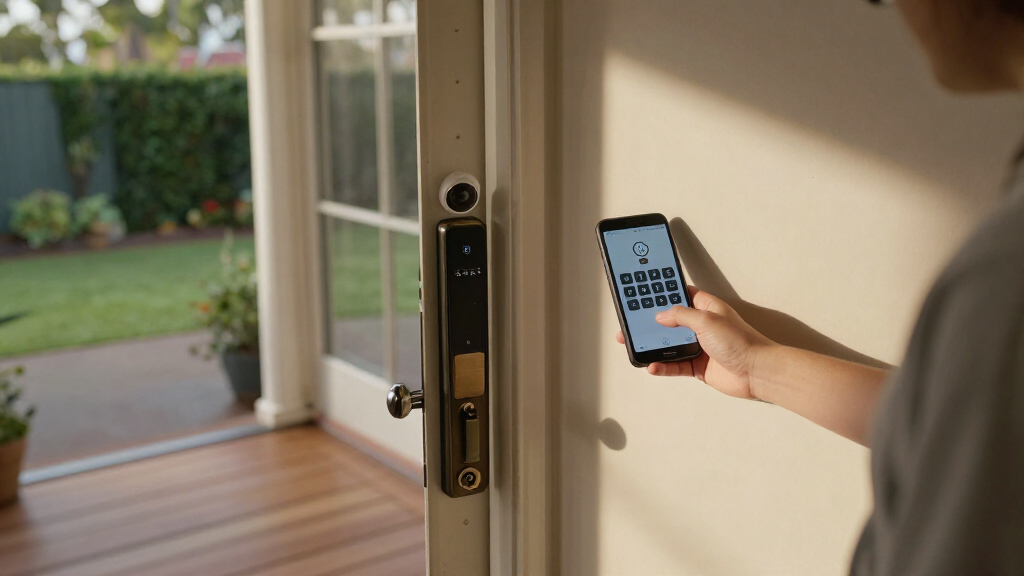
I ranked these five systems by how well their supplied details support common home-security needs in Australia: practical sensor coverage, ease of day-to-day control, resilience when the home internet fails, and the ongoing commitments behind monitoring. A larger kit earns its place only when its extra components suit a larger property; the Ring 14-Piece therefore leads for broader included coverage, while the 8-Piece is a better match for a compact home.
I also separated alarm notifications from professional monitoring. A loud siren and phone alert can help a household respond, but they are not the same service as a monitoring centre. Ring lists optional professional monitoring and cellular backup through a compatible subscription, while the other systems are presented as requiring no monthly subscription. Their 4G features may still depend on a separately purchased SIM and carrier service.
Finally, I considered the limits of the supplied information. Product listings describe WiFi and 4G but do not confirm Australian carrier bands, local monitoring availability or certification. I do not treat those details as verified. Buyers should check the exact model and local service support before relying on cellular backup. The rankings reflect the described kits and tradeoffs, not hands-on testing.
| home security systems au | Kit contents |
|---|---|
| Ring Alarm 14-Piece Kit | Base Station, 2 Keypads, 8 Contact Sensors, 2 Motion Detectors, Range Extender |
| GEN 2 Wireless Home Security S | Hub, 6 door/window sensors, 3 motion detectors, 2 remotes, 2 RFID fobs, SOS button and wired siren |
| Ring Alarm 8-Piece Kit | Base Station, Keypad, 4 Contact Sensors, Motion Detector and Range Extender |
| PGST 24-Piece WiFi + GSM/4G Wi | — |
| 24-Piece Home Alarm System wit | — |
Factors to Consider When Choosing Home Security Systems Au
I would choose a home alarm by matching the included sensors and connection method to the property, then checking which services actually work locally. The largest piece count is not automatically the best fit: a smaller system can be more useful if its sensors cover the real entry points and the household understands how alerts are handled.
Match sensor coverage to the floor plan
Start by counting doors and windows you want monitored, then identify open areas where a motion detector can add coverage. The Ring 14-Piece provides eight contact sensors and two motion detectors, while the Ring 8-Piece includes four contact sensors and one motion detector. GEN 2 lists six door/window sensors and three motion detectors, making its package useful for buyers who want a mix of perimeter and room coverage. The 24-piece listings do not provide equivalent item-by-item inventories in the supplied details, so check the exact box contents before comparing kit counts.
Sensor placement matters as much as quantity. A motion detector may be unsuitable in some rooms if household members, pets or the layout cause frequent triggers. I would map the main entrances first and add coverage for vulnerable areas rather than assuming every sensor needs to be used.
Separate WiFi alerts from cellular backup
All four non-Ring systems described here use 2.4GHz WiFi, while Ring lists WiFi and Ethernet plus other smart-home connections. The 24-piece WiFi-and-4G products describe cellular failover, but cellular requires a compatible SIM and may involve a data plan. Ring says cellular backup requires a paid plan. Before relying on any of these systems during a broadband outage, check that the exact model supports Australian carriers and that the required service can be activated where you live.
Also distinguish a base-station battery from a communication backup. Ring’s listed 24-hour battery can help the base station stay powered during an outage; it does not, by itself, establish that alerts will reach your phone if the internet is down.
Understand monitoring and ongoing costs
A self-managed alarm sends alerts for you to respond to; professional monitoring is a separate service. Ring offers optional monitoring through a compatible subscription, while the other three listings are presented without a required monthly platform fee. That does not guarantee that every feature is free to operate: a 4G SIM and carrier plan can still cost extra, and local service availability should be confirmed.
Decide whether you want a siren and phone notifications, a monitoring service, or both. Do not assume a “no monthly fee” description includes every possible cellular, cloud or carrier cost unless the seller explicitly confirms it.
Choose controls the household will actually use
Ring focuses on app and Alexa control, with keypads included in both kits. GEN 2 adds a touchscreen hub, remotes and RFID fobs, while PGST and the other 24-piece alarm describe Smart Life/Tuya app control and voice assistant compatibility. SOS buttons may be useful when a household member needs a direct way to trigger an alarm, but they are not a substitute for confirming what the alarm does after activation.
Think about who arms and disarms the system, whether they use a smartphone, and where a keypad or hub can be reached conveniently. A feature list matters only if it fits daily routines.
Check installation, range and Australian suitability
DIY setup can avoid a scheduled installer, but the details differ. GEN 2 describes pre-paired sensors and a wired siren, which may constrain where that siren goes. The PGST kit lists self-adhesive installation, while the Ring kits use a base station and separate sensors. Check the stated range against walls, outbuildings and the shape of the home rather than treating the maximum range as a guarantee in every layout.
For Australia, verify the exact model’s power requirements, app availability, 4G band and carrier support, warranty terms, and whether any professional monitoring service is offered locally. The product descriptions supplied here do not settle those questions, so I would confirm them with the seller or service provider before relying on the system.
Frequently Asked Questions
Which system is the strongest fit for a larger home?
I would start with the Ring Alarm 14-Piece Kit if the goal is broad out-of-the-box coverage: it includes eight contact sensors, two motion detectors and two keypads. The GEN 2 may be a better alternative if you prefer its touchscreen controls and varied remotes and RFID fobs, but it lists fewer door/window sensors. Match the actual sensor locations to the floor plan before deciding.
Do the systems advertised as having no monthly fees still have ongoing costs?
They may. The WiFi-and-4G kits are described as having no required platform subscription, but their 4G feature may require a separate SIM and carrier plan. Ring’s professional monitoring and cellular backup are described as subscription features. I would check which features are included in the purchase and what local connectivity charges apply.
Can I use cellular backup in Australia with these systems?
The product descriptions mention 4G for some kits and subscription-based cellular backup for Ring, but they do not confirm specific Australian carrier bands or local service availability. Before purchase, ask the seller or provider to confirm compatibility with the carrier and location where the alarm will be installed. A listed 4G feature alone does not confirm it will work on every Australian network.
Which system suits a small apartment or one-bedroom home?
The Ring Alarm 8-Piece Kit is the most compact option in this lineup, with four contact sensors and one motion detector. It is easier to justify in a smaller home than the 14-piece Ring package, though you may need extra sensors if the apartment has more entry points than the bundle can cover. A 24-piece kit may be excessive unless its specific components match your needs.
Are a loud siren and phone alerts the same as professional monitoring?
No. A siren can alert people nearby, and app notifications can tell you about an event, but neither is the same as a monitoring service that receives alarms and follows an agreed response process. Ring lists optional professional monitoring through a compatible subscription. Check local availability and terms, and do not assume the other systems provide a monitoring centre just because they offer alerts.
Conclusion
For larger homes that need many sensors, I would choose the Ring Alarm 14-Piece, provided its subscription requirements and Australian service options make sense. For a smaller home already suited to Alexa, the Ring Alarm 8-Piece is the more restrained starting point. Choose the GEN 2 kit if touchscreen access, remotes and RFID fobs matter more than the Ring ecosystem. The PGST and other 24-piece WiFi-and-4G systems suit buyers who want SOS features and no required platform fee, but I would verify exact sensor contents, SIM costs and carrier compatibility first. My deciding rule is simple: buy for the coverage and backup you can confirm locally, not just the number printed on the box.