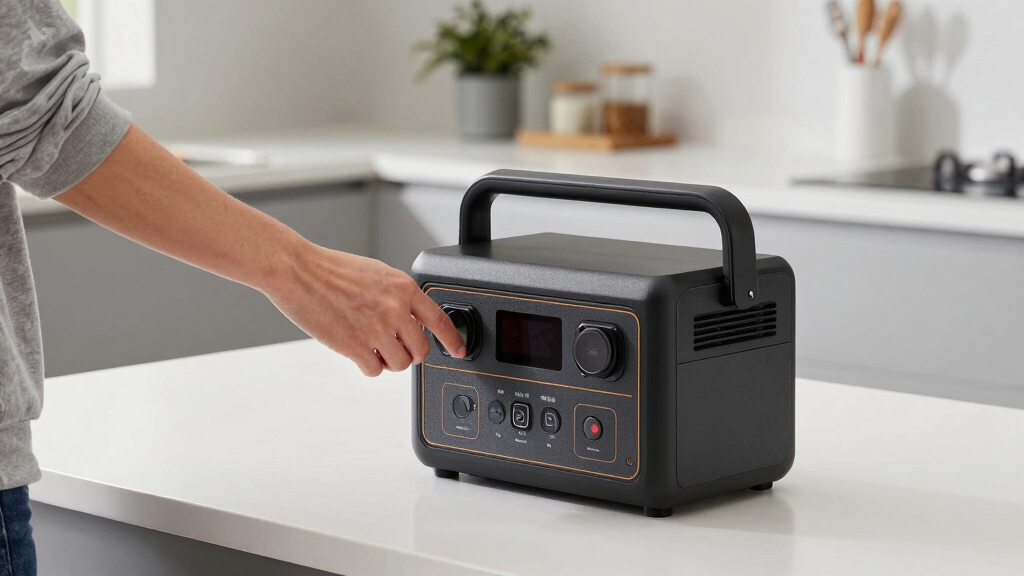

Finding the best portable power station high capacity means balancing large energy reserves with portability and usability. The AFERIY 3840Wh stands out for its massive expandable capacity, making it ideal for long-term off-grid use. The EF ECOFLOW DELTA 3 Max offers a robust 2048Wh with fast charging, perfect for quick setups. Meanwhile, the Jackery Explorer 1000 v2 provides a solid balance of capacity and portability for outdoor adventures. Each option involves tradeoffs, like size, weight, or price, so continue reading for the full breakdown to find the best fit for your needs.
Complete the kit


Key Takeaways
- Expandable capacity is a key feature for long-term or large-scale power needs, as seen with the AFERIY and Jackery HomePower models.
- Battery chemistry impacts longevity and safety; LiFePO4 batteries like in the Jackery Explorer 1000 v2 offer extended cycle life compared to traditional lithium-ion options.
- Power output and port selection determine compatibility with your devices; higher wattage units support larger appliances or multiple devices simultaneously.
- Portability varies significantly—larger capacity often means increased weight, so consider how mobile you need the station to be.
- Price differences reflect features like expandability, battery chemistry, and wattage; investing more generally yields a more versatile, longer-lasting unit.
| AFERIY 3840Wh Portable Power Station, Expandable Solar Generator to 11520Wh |  | Best Overall for High-Capacity Versatility | Battery Capacity: 3840Wh | Expandable Capacity: 11.5kWh | Continuous Output: 3600W | VIEW LATEST PRICE | See Our Full Breakdown |
| EF ECOFLOW DELTA 3 Max Portable Power Station, 2048Wh LFP Battery, 2400W |  | Best for Rapid Charging and Reliable Power | Battery Capacity: 2048Wh | Max Power Output: 2400W | Charging Time: 0–80% in 1.13 hours | VIEW LATEST PRICE | See Our Full Breakdown |
| Anker SOLIX S2000 Portable Power Station, 2010Wh, 3000W Peak, Home Backup |  | Best for Long-Term Home Backup and Portability | Capacity: 2010Wh | Peak Power: 3000W | Continuous Power: 1500W | VIEW LATEST PRICE | See Our Full Breakdown |
| BLUETTI Elite 300 Portable Power Station for RV & Home Backup 3014.4Wh |  | Best Compact High Capacity for RV & Emergency Use | Capacity: 3014.4Wh | Output Power: 2400W | Surge Power: 4800W | VIEW LATEST PRICE | See Our Full Breakdown |
| Jackery Explorer 1000 v2 Portable Power Station, 1070Wh, 1500W |  | Best for Lightweight Camping and Emergency Use | Capacity: 1070Wh | AC Output: 1500W | Surge Peak: 3000W | VIEW LATEST PRICE | See Our Full Breakdown |
| 1000W Portable Power Station 1024Wh LiFePO4 for Outdoor & Home |  | Best for Reliable High-Capacity Portable Power | Power Output: 1000W | Capacity: 1024Wh | Battery Type: LiFePO4 | VIEW LATEST PRICE | See Our Full Breakdown |
| Jackery HomePower 3600 Plus Portable Power Station, 3600W AC Output, 3584Wh LFP Solar Generator, Expandable up to 21kWh, Home Backup for Emergencies and RV |  | Best for High-Power Home Backup and Expandability | Power Output: 3600W (7200W in parallel) | Capacity: 3584Wh, expandable to 21kWh | Voltage: 120V & 240V in parallel | VIEW LATEST PRICE | See Our Full Breakdown |
| portable power station high capacity | Capacity | Weight |
|---|---|---|
| AFERIY 3840Wh Portable Power S | — | — |
| EF ECOFLOW DELTA 3 Max Portabl | — | — |
| Anker SOLIX S2000 Portable Pow | 2010Wh | 35.7 lbs |
| BLUETTI Elite 300 Portable Pow | 3014.4Wh | Not specified |
| Jackery Explorer 1000 v2 Porta | 1070Wh | 23.8 lbs |
| 1000W Portable Power Station 1 | 1024Wh | 27.73 lbs |
| Jackery HomePower 3600 Plus Po | 3584Wh, expandable to 21kWh | Lightweight, 34% smaller and lighter than comparable models |
More Details on Our Top Picks
AFERIY 3840Wh Portable Power Station, Expandable Solar Generator to 11520Wh
This model stands out for its impressive expandable capacity, scaling from 3840Wh to a substantial 11.5kWh, making it ideal for serious backup needs or mobile workstations. Compared to the EF ECOFLOW DELTA 3 Max, it offers greater total capacity, but at a weight of over 80 lbs, portability becomes a challenge. Its 15 output ports and seamless UPS transfer make it highly versatile, especially for home or off-grid scenarios. The 1.5-hour recharge time with multiple options adds convenience, though the high price and weight may restrict frequent transport. The smart app control enhances usability for remote monitoring and management. This pick makes the most sense for users who prioritize maximum capacity and expandability over portability or affordability.
Pros:- Expandable capacity up to 11.5kWh for extensive power needs
- Fast recharge time of 1.5 hours with multiple options
- Seamless UPS backup with less than 10ms transfer
- Smart app control for remote management
Cons:- Heavy weight at over 80 lbs limits portability
- Runtime varies significantly with load and usage
- Price likely to be high for casual users
Best for: Large households, emergency preparedness, or mobile professionals needing expandable high capacity
Not ideal for: Frequent travelers or users requiring lightweight, portable power solutions
- Battery Capacity:3840Wh
- Expandable Capacity:11.5kWh
- Continuous Output:3600W
- Recharge Time:1.5 hours
- Dimensions:22.99 x 12.63 x 18.26 inches
- Net Weight:80.46 lbs
Our verdict“This is the best choice for those needing serious, expandable capacity despite its weight and cost.”
EF ECOFLOW DELTA 3 Max Portable Power Station, 2048Wh LFP Battery, 2400W
The ECOFLOW DELTA 3 Max makes a compelling case for quick recharge and high-power output, ideal for users who need dependable backup with less concern for maximum capacity. Its 2048Wh battery is smaller than the AFERIY but benefits from ultra-fast charging—0–80% in just over an hour—making it practical for frequent use. Its 2400W continuous output supports most household appliances, rivaling the Anker SOLIX S2000 in power but with a focus on rapid recharge rather than long-term expandability. The quiet operation and durable build are additional advantages, though the detailed weight and size info are not specified, which could matter for portability. The app control offers easy energy management, perfect for tech-savvy users. This makes sense for those who prioritize quick turnaround and reliable performance in a portable form.
Pros:- Ultra-fast charging from 0–80% in just over an hour
- High continuous power output of 2400W
- Quiet operation with quick transfer switching
- Long battery lifespan with 10 years of daily use
Cons:- Limited detailed info on total weight
- Requires app for full feature access
- Smaller capacity than some competitors
Best for: Outdoor enthusiasts or emergency users who need fast charging and high power output
Not ideal for: Users who require the highest possible capacity or long-term expandability
- Battery Capacity:2048Wh
- Max Power Output:2400W
- Charging Time:0–80% in 1.13 hours
- Transfer Time:10ms
- Battery Type:LiFePO4
- Warranty:5 years
Our verdict“Ideal for users seeking rapid recharge and reliable power for moderate loads, sacrificing some capacity for speed.”
Anker SOLIX S2000 Portable Power Station, 2010Wh, 3000W Peak, Home Backup
The Anker SOLIX S2000 balances capacity, portability, and longevity, making it well-suited for home backup and outdoor use. Its 2010Wh capacity is ample for most essential appliances, and with a 10,000 cycle lifespan, it offers long-term durability. Its 35.7 lbs weight and compact size make it easier to move around than bulkier options like the AFERIY, yet it still provides a robust 3000W peak power. The multiple recharging options, including solar support up to 400W, extend its versatility. However, it lacks a 12V DC port, which could limit compatibility with certain devices. This model is a strong choice for users who value longevity and portability for everyday backup needs.
Pros:- Long-lasting battery with 10,000 cycle lifespan
- Relatively portable at 35.7 lbs
- High continuous and peak power output
- Supports solar input up to 400W
Cons:- No 12V DC port for certain applications
- Runtime depends on device load
- Price may be high for casual users
Best for: Homeowners or outdoor enthusiasts needing durable, long-lasting power with portable convenience
Not ideal for: Heavy-duty industrial or off-grid users requiring higher capacity expandability
- Capacity:2010Wh
- Peak Power:3000W
- Continuous Power:1500W
- Battery Cycle Life:10,000 cycles
- Dimensions:8.2 x 11.1 x 12.7 inches
- Weight:35.7 lbs
Our verdict“Best suited for those who need a durable, long-term backup with manageable portability.”
BLUETTI Elite 300 Portable Power Station for RV & Home Backup 3014.4Wh
The BLUETTI Elite 300 offers a high capacity of over 3000Wh in a surprisingly compact form, making it a standout for RV and emergency backup scenarios where space is limited. Its 2400W continuous power supports most household essentials, with a surge capacity of 4800W for startup loads. The rapid recharging — 78 minutes from zero to 80% — is a significant advantage over bulkier units like the AFERIY. While its weight is still considerable, its nearly 40% smaller size makes it easier to fit into smaller spaces. The limited detail on solar compatibility could be a concern for off-grid users. This model is ideal for those who want high capacity in a small footprint for mobile or emergency use.
Pros:- High energy capacity in a compact size
- Fast recharge from 0–80% in 78 minutes
- Supports multiple high-power appliances simultaneously
- Surge capacity of 4800W for heavy startup loads
Cons:- Relatively high weight for portability
- Limited details on solar panel compatibility
- Price not specified, could be costly
Best for: RV owners or emergency responders needing high-capacity power in a compact package
Not ideal for: Users requiring maximum expandability or extremely lightweight portability
- Capacity:3014.4Wh
- Output Power:2400W
- Surge Power:4800W
- Recharging Time:78 minutes from 0 to 80%
- Dimensions:Nearly 59% smaller than traditional large power stations
- Weight:Not specified
Our verdict“Excellent for mobile use where space-saving high capacity is needed without sacrificing fast recharging.”
Jackery Explorer 1000 v2 Portable Power Station, 1070Wh, 1500W
The Jackery Explorer 1000 v2 offers a practical balance of capacity and portability, with 1070Wh and a lightweight design at under 24 lbs. Its fast charging—full in just over an hour—makes it appealing for outdoor adventures or quick emergency setups, especially compared to larger units like the AFERIY. The durable LFP battery ensures over a decade of reliable use, and multiple ports support versatile device charging. However, it requires Jackery’s own solar panels for solar recharge, which could limit flexibility. Its modest capacity might not suffice for larger power loads or extended outages, but it excels in portability and quick recharging.
Pros:- High capacity for its weight at 1070Wh
- Fast full recharge in just over an hour
- Durable battery with 10+ years lifespan
- Multiple versatile ports
Cons:- Requires Jackery solar panels for solar charging
- Limited total capacity for large or prolonged power needs
- Cannot be shipped to PO boxes
Best for: Campers, road trippers, or emergency prepper users needing lightweight, quick-charging backup
Not ideal for: Heavy-duty off-grid or home backup users requiring maximum capacity and expandability
- Capacity:1070Wh
- AC Output:1500W
- Surge Peak:3000W
- Charging Time:1 hour
- Battery Type:LFP
- Weight:23.8 lbs
Our verdict“Perfect for portable, quick-charging backup during outdoor or emergency situations where weight matters.”
1000W Portable Power Station 1024Wh LiFePO4 for Outdoor & Home
This power station stands out for its substantial 1024Wh capacity and 1000W continuous output, making it well-suited for powering multiple devices during outages or outdoor adventures. Compared with the Jackery HomePower 3600 Plus, it offers a more portable form factor but with a lower maximum power output, which means it’s better suited for smaller home backup or camping needs rather than heavy-duty appliances. Its LiFePO4 battery provides over 3000 cycles, promising long-term reliability, but it requires sunlight for optimal solar charging, which might limit its effectiveness indoors. It features multiple fast-charging ports, including USB-C and AC, ensuring versatility. The main tradeoff involves its weight—at nearly 28 pounds, some users might find it less easy to carry over long distances. Overall, this pick is ideal for outdoor enthusiasts and emergency prepper who need high capacity in a portable package without heavy weight.
Pros:- High capacity with 1024Wh and 1000W output for multiple devices
- Long-lasting LiFePO4 battery with over 3000 cycles for durability
- Multiple fast-charging ports including USB-C, USB-A, and AC outlets
- Lightweight design with a non-slip handle for portability
Cons:- Requires sunlight for efficient solar recharge, limiting indoor use
- Weight may be heavy for some users to carry over long distances
- Limited to 300W solar input, which could slow recharging in cloudy conditions
Best for: Outdoor adventurers and preppers seeking a lightweight, high-capacity portable power source for camping, emergency use, or off-grid activities
Not ideal for: People relying on frequent indoor solar charging due to limited sunlight, or those needing to move the unit over long distances regularly
- Power Output:1000W
- Capacity:1024Wh
- Battery Type:LiFePO4
- AC Ports:2×110V
- USB-C Port:1×60W PD
- Solar Compatibility:Supports up to 300W solar input
- Weight:27.73 lbs
- Colors:Gray, Blue, Yellow
Our verdict“This model is perfect for outdoor lovers and emergency preppers who need reliable, portable power without excessive weight.”
Jackery HomePower 3600 Plus Portable Power Station, 3600W AC Output, 3584Wh LFP Solar Generator, Expandable up to 21kWh, Home Backup for Emergencies and RV
This powerhouse offers 3600W of continuous AC output and a base capacity of 3584Wh, making it suitable for running household appliances or RV essentials. Compared with the smaller 1000W station, it provides significantly more power, but it also adds weight and cost, making it less portable for casual outdoor use. Its ability to expand up to 21kWh with additional units makes it ideal for long-term backup or large energy demands. The inclusion of high-temperature resistant battery cells and a lifespan of 6,000 cycles boosts reliability, yet the price isn’t listed, which might be a barrier for some buyers. The design features wheels and a telescopic handle, easing transport, but its size and cost mean it’s better suited for serious home backup rather than quick camping trips. Overall, this unit is tailored for homeowners or RVers who need substantial power and scalability in a portable form.
Pros:- High power output of 3600W suitable for household appliances
- Expandable capacity up to 21kWh for large energy requirements
- Multiple charging options including solar and hybrid power
- Wheels and telescopic handle for easier mobility
Cons:- Price is not specified, potentially making it costly for casual users
- Requires additional units for full expansion, increasing complexity and cost
- Overkill for small backup needs or infrequent use
Best for: Homeowners and RV travelers seeking a scalable, high-capacity backup solution for large appliances and long-term energy needs
Not ideal for: Individuals needing a lightweight, compact unit for short outdoor trips or occasional use, due to its size and expense
- Power Output:3600W (7200W in parallel)
- Capacity:3584Wh, expandable to 21kWh
- Voltage:120V & 240V in parallel
- Cycle Life:6,000 cycles
- Lifespan:10 years
- Charging Time:AC in 2.5 hours, Solar in 4 hours
- Weight:Lightweight, 34% smaller and lighter than comparable models
Our verdict“This model is designed for users who need serious, scalable power solutions for home or RV backup rather than portability for outdoor or light duty use.”
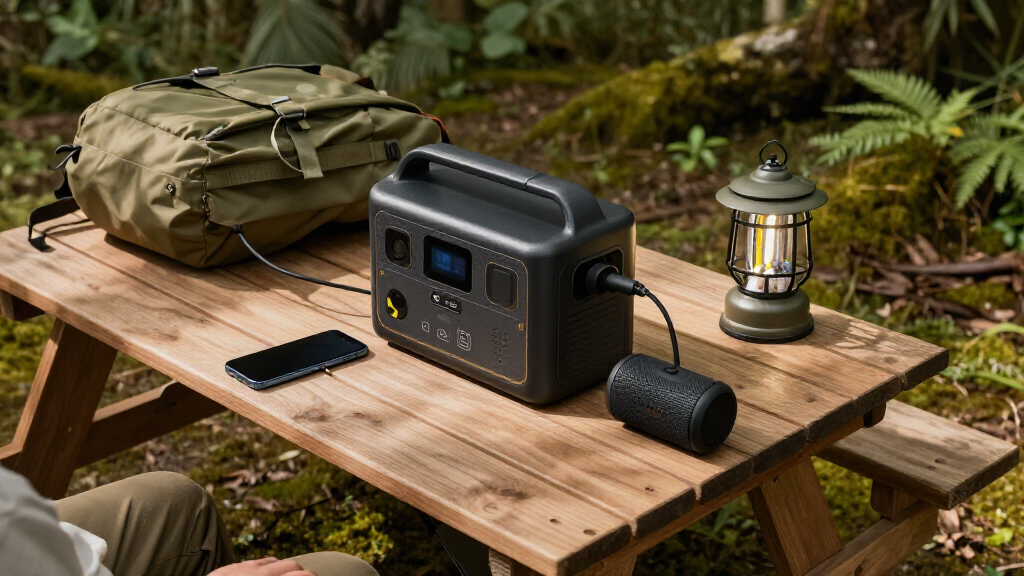
How We Picked
To select these high-capacity portable power stations, I focused on key criteria that matter most to buyers: total energy capacity, battery type and lifespan, maximum power output, versatility of ports, and ease of use. I also evaluated build quality, portability, and expandability options, as these influence long-term value and usability. The ranking reflects a balance between raw capacity and practical features, emphasizing products that deliver reliable performance for home backup, outdoor adventures, or emergency use. Products are ordered to highlight the best all-around options first, followed by those tailored for specific needs or budgets.Factors to Consider When Choosing Best Portable Power Station High Capacity
Choosing a high-capacity portable power station involves understanding what features best suit your specific needs. Factors like energy capacity, battery chemistry, and output options directly impact usability and lifespan. It’s also important to consider how often you’ll need to recharge, the weight you’re willing to carry, and whether expandability or fast charging are priorities. Being aware of common pitfalls, such as overestimating your power needs or ignoring port options, can save you money and frustration in the long run. This guide will walk you through key considerations to help you make an informed decision.Capacity and Power Output
Capacity, measured in watt-hours (Wh), determines how long your devices can run before needing a recharge. Higher capacity units like the AFERIY or Jackery HomePower excel for extended use, but they are usually heavier. Power output, indicated in watts (W), influences what appliances you can run simultaneously; for example, a 2000W station can handle most small to medium appliances, while higher wattage supports larger devices. Matching capacity and output to your power demands ensures you don’t underperform or overspend on unnecessary features.
Battery Chemistry and Longevity
Battery chemistry affects not only safety but also lifespan. LiFePO4 batteries, used in models like the Jackery Explorer 1000 v2 and the HomePower 3600 Plus, typically offer longer cycle life and better thermal stability than traditional lithium-ion batteries. While they might come with a higher upfront cost, their durability means fewer replacements over time. Understanding this tradeoff can guide you to a more cost-effective choice for long-term use or frequent recharging needs.
Port Selection and Versatility
Look for units with a variety of ports—AC outlets, USB-C, USB-A, and DC outputs—depending on your device requirements. More ports and higher power supports simultaneous device charging, which is crucial during emergencies or outdoor trips. Some stations also feature dedicated solar input options for renewable recharging, adding versatility. Remember, a unit with many ports but low wattage may limit your ability to run larger devices, so consider your primary use cases carefully.
Size, Weight, and Portability
High-capacity batteries tend to be heavier and bulkier, making portability a challenge. Think about whether you’ll need to carry the station frequently or keep it stationary for backup use. Some models, like the Jackery Explorer 1000, strike a good balance, while larger options like the HomePower 3600 Plus are better suited for stationary backup. Weighing capacity against portability helps prevent buying a unit that’s either too cumbersome or underpowered for your scenarios.
Expandability and Charging Options
Expandable systems, such as the AFERIY or Jackery HomePower, allow you to increase capacity over time—ideal for long-term off-grid setups. Fast charging via AC or solar input can reduce downtime, especially critical in emergency situations. Some units also support multiple recharging methods simultaneously, adding convenience. When selecting, consider whether you might need to scale your system later or prefer quick recharges for frequent use.
Frequently Asked Questions
Can I run my refrigerator with a high-capacity portable power station?
Running a refrigerator depends on the appliance’s wattage and the power station’s continuous output. Most small to medium refrigerators require between 100W and 200W, which many high-capacity stations like the EF ECOFLOW DELTA 3 Max can support comfortably. However, for larger or older models with higher startup surges, you’ll need a station with a higher surge capacity. Always check your refrigerator’s wattage and surge requirements to ensure compatibility and avoid overloading the system.
How long will a 3000Wh power station last during an outage?
The runtime depends on what devices you’re powering and their combined wattage. For example, a 3000Wh station powering a 100W device could last around 30 hours, but if you connect multiple devices totaling 500W, the runtime reduces proportionally. It’s essential to calculate your total power needs beforehand. Also, consider that some devices draw more power during startup, which can affect overall runtime. Planning based on your typical consumption helps prevent unexpected shutdowns.
Is it worth paying more for a LiFePO4 battery system?
Investing in LiFePO4 batteries generally offers better longevity, thermal stability, and safety compared to traditional lithium-ion types. Although these units tend to cost more initially, their longer cycle life—often exceeding 2000 cycles—means fewer replacements and lower long-term costs. For frequent users or those relying on emergency backup, this durability can justify the higher price, providing peace of mind and consistent performance over many years.
Can I recharge my high-capacity station with solar panels?
Yes, most high-capacity stations support solar recharging, which is vital for off-grid use or during extended outages. The key is to match the station’s solar input specifications with compatible panels—some units support higher wattage inputs for faster recharging. Keep in mind that solar recharging speed depends on sunlight conditions, panel size, and efficiency. Planning for a suitable solar setup ensures your station remains charged without relying solely on grid power.
How important is portability if I want high capacity?
Portability becomes a tradeoff with capacity; larger batteries tend to be heavier and bulkier. If you plan to move your station frequently, you may need a lighter model with slightly less capacity but easier handling, like the Jackery Explorer 1000. Conversely, if the station will stay in one place for home backup, size and weight matter less, and you can prioritize maximum capacity, such as the HomePower 3600 Plus. Carefully consider your mobility needs before choosing to avoid frustration or inconvenience later.