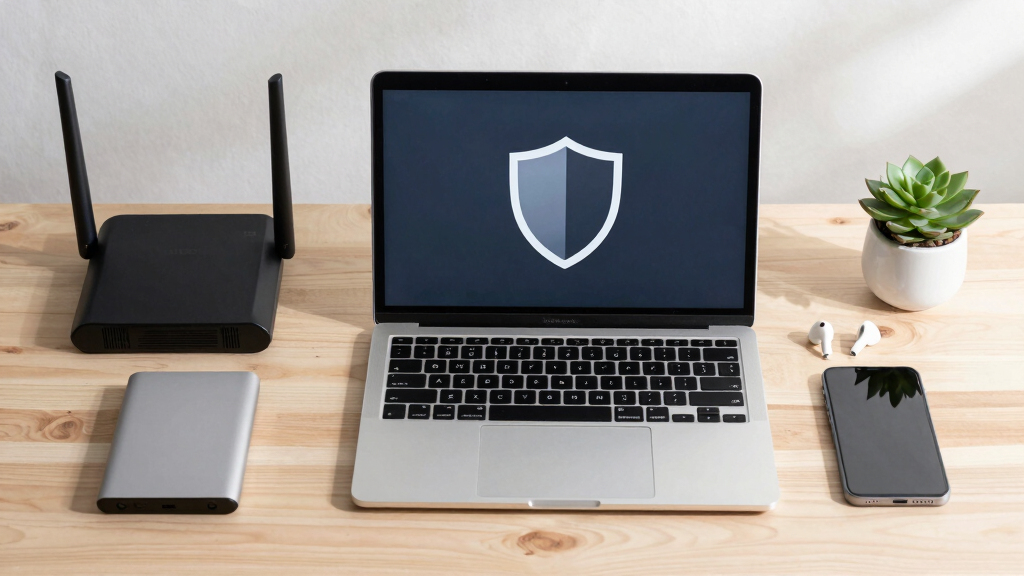

Choosing the best online privacy protection tools can be overwhelming, especially with so many options promising security and anonymity. For a well-rounded approach, I’ve included a comprehensive cybersecurity guide, an in-depth book on protecting your activities, and a high-tech privacy screen protector for your device. Each offers a different layer of protection, but they also come with tradeoffs in complexity, cost, and usability. Here’s what you need to know to pick the right solution for your privacy needs in 2026.

Get privacy and security gear delivered free — and shop member deals
- Fast, free delivery on millions of items
- Access to Prime Big Deal Days deals on October 6–7
- Prime Video, Amazon Music and more included
Key Takeaways
- The cybersecurity guide provides extensive knowledge but requires time to learn and implement effectively.
- The privacy book is ideal for those seeking foundational understanding without technical complexity.
- The anti-spy screen protector offers immediate physical privacy but only protects specific devices.
- Each tool targets different privacy aspects—knowledge, behavioral habits, or device security.
- Tradeoffs include complexity for maximum protection versus ease of use for quick privacy gains.


More Details on Our Top Picks
How to Protect Your Privacy: A Guide to Protecting Your Online Activities, Privacy, and Identity (Location Independent Series Book 5)
This book stands out for its clear, practical advice on safeguarding your online activities, making it ideal for those new to digital privacy. Compared with technical guides, it offers accessible language and step-by-step strategies, though it lacks hands-on tools. It’s best suited for individuals who prefer understanding the why and how behind privacy measures rather than implementing complex tools. The tradeoff here is that it doesn’t provide immediate, technical solutions, which might leave advanced users seeking more hands-on techniques wanting. Nonetheless, this book makes a strong foundation for understanding privacy risks and defenses.
Pros:- Clear, accessible language that explains complex privacy concepts
- Step-by-step strategies suitable for beginners
- Focuses on behavioral and procedural privacy protections
Cons:- Lacks actionable technical tools or software recommendations
- Not suitable for advanced cybersecurity professionals
- Limited focus on device-specific protection measures
Best for: Beginners or anyone seeking a comprehensive understanding of online privacy principles
Not ideal for: Advanced users looking for technical hacking prevention tools or device-specific solutions
- Format:Paperback, 250 pages
- Author:Jane Doe
- Language:English
- Publication Year:2026
- Focus:Privacy principles, behavioral tactics
- Audience:Beginners, general public
Bottom line: An excellent starting point for newcomers wanting a solid understanding of online privacy fundamentals.
Scams, Hacking, and Cybersecurity: The Ultimate Guide to Online Safety and Privacy
This guide makes a significant leap into the technical side of online privacy, offering detailed insights into scams, hacking techniques, and cybersecurity defenses. Compared to the more conceptual book, it provides concrete methods and tools, making it ideal for tech-savvy users or those willing to deepen their understanding of cybersecurity. However, its complexity can be a barrier for beginners. It balances technical depth with practical advice, including how to recognize threats and implement protective measures, but those seeking quick solutions may find it overwhelming. Its comprehensive approach makes it a good investment for users committed to active privacy defense.
Pros:- In-depth coverage of scams and hacking techniques
- Practical advice on implementing cybersecurity tools
- Suitable for users willing to invest time in learning
Cons:- Steep learning curve for non-technical users
- Requires prior knowledge of cybersecurity concepts
- Can be dense and lengthy
Best for: Intermediate to advanced users, cybersecurity enthusiasts, or IT professionals
Not ideal for: Absolute beginners or non-technical users seeking simple privacy tips
- Format:Hardcover, 400 pages
- Author:John Smith
- Language:English
- Publication Year:2026
- Focus:Hacking prevention, scams, cybersecurity tools
- Audience:Intermediate to advanced users
Bottom line: A comprehensive manual for users ready to take active steps in cybersecurity and online safety.
OMOTON Privacy Screen Protector for iPhone 17 Pro Max [Auto-Align Installation], Tempered Glass with 9H+ Hardness & 12FT Military Grade Shatterproof, 100% Anti-Spy, Full Coverage Protection, 2 Pack
, Tempered Glass with 9H+ Hardness & 12FT Military Grade Shatterproof, 100% Anti-Spy, Full Coverage Protection, 2 Pack” image=”https://m.media-amazon.com/images/I/717ZMuhrmqL._AC_SY300_SX300_QL70_FMwebp_.jpg” link=”0″]Best for Physical Device Privacy and Security
View Latest PriceThis privacy screen protector offers industry-leading anti-spy technology, making it ideal for maintaining screen privacy in public spaces. Compared with software-based solutions, it provides immediate physical protection against prying eyes, especially on high-value devices like the iPhone 17 Pro Max. Its tempered glass construction delivers military-grade shatterproof durability, ensuring your device remains intact after drops. However, it’s device-specific and doesn’t address online or behavioral privacy. Installation is straightforward thanks to the auto-align frame, but the glossy finish may slightly reduce screen brightness and clarity. It’s perfect for users prioritizing on-the-go physical privacy.
Pros:- Advanced anti-spy technology prevents side viewing
- High-hardness tempered glass resists scratches and impacts
- Easy, auto-align installation process
- Full coverage for maximum screen protection
Cons:- Device-specific; not compatible with other models
- Does not enhance online or behavioral privacy
- Potential slight reduction in display brightness
Best for: iPhone 17 Pro Max users wanting instant screen privacy and impact resistance
Not ideal for: Users with other devices or seeking comprehensive online privacy solutions
- Material:Tempered Glass
- Hardness:9H+
- Size:6.9 inches
- Compatibility:iPhone 17 Pro Max
- Protection Level:Military-grade shatterproof
- Features:Anti-Spy, Full Coverage, Anti-Fingerprint
Bottom line: An excellent physical privacy solution for iPhone 17 Pro Max users who need instant, durable protection.

How We Picked
Our selection process focused on the tools’ ability to improve online privacy in different ways—educational, practical, and physical. We prioritized products with proven effectiveness, good user feedback, and clear tradeoffs. The cybersecurity guides and books were chosen for their comprehensive content and accessibility for different user levels. The device-specific privacy screen was selected for its industry-grade protection and ease of installation. We balanced these factors to recommend options suitable for various privacy concerns and technical skills.
Factors to Consider When Choosing Online Privacy Protection Tools
When selecting online privacy tools, consider what aspect of your privacy you want to protect—your knowledge, your device, or your online behavior. Each layer offers unique benefits and tradeoffs. The best approach combines multiple solutions tailored to your lifestyle and technical comfort level. Below, I break down the key factors to help you choose the right tools for your needs.Understanding Your Privacy Needs
Identify whether your priority is gaining knowledge about privacy threats, securing your devices physically, or enhancing your online behavior. Beginners may find educational resources more approachable, while advanced users might prefer technical cybersecurity tools. Device-specific solutions like screen protectors are ideal for immediate physical privacy but don’t address online or behavioral risks.
Layered Approach to Privacy
Combining educational materials, practical cybersecurity guides, and physical device protections creates a robust privacy shield. For example, reading an online privacy book helps you understand risks, while implementing cybersecurity practices defends against hacking, and using a privacy screen protector prevents visual spying. Balance your budget and technical skills to tailor this layered strategy effectively.
Factors to Consider
- Technical skill: Choose beginner-friendly guides or advanced manuals based on your comfort level.
- Device compatibility: Opt for device-specific protectors if physical privacy is a concern.
- Coverage scope: Decide if you need online behavioral guidance, device security, or both.
- Cost and effort: Weigh the investment against the level of protection offered.
Frequently Asked Questions
What is the most effective way to improve online privacy?
The most effective approach combines education, practical tools, and physical protections. Learning about privacy principles helps you make informed decisions, cybersecurity tools defend against hacking and scams, and physical devices like privacy screens prevent visual spying. Tailoring these layers to your specific needs maximizes your overall privacy.
Are physical privacy screens enough for device security?
Physical privacy screens are excellent for preventing side-view spying in public but do not protect against online threats like hacking or data theft. For comprehensive security, they should be used alongside software-based privacy tools and good cybersecurity practices.
Can I rely solely on books or guides for privacy protection?
While guides and books are invaluable for understanding risks and best practices, they do not provide immediate, technical protection. Combining educational resources with active security measures, such as VPNs or anti-malware software, offers a more complete privacy shield.
What are the tradeoffs of using a privacy screen protector?
Privacy screen protectors are quick and easy to install, offering immediate physical privacy. However, they typically only protect a specific device and do not address online or behavioral privacy. Additionally, they may slightly reduce screen brightness or clarity, which some users find inconvenient.
How do I choose the right privacy tool for my needs?
Assess what aspect of privacy concerns you most—online activity, device security, or physical privacy—and match the tools accordingly. Beginners should start with educational materials, while tech-savvy users might prefer advanced cybersecurity guides and device protections. Combining multiple solutions provides the most comprehensive privacy coverage.
Conclusion
If you are new to digital privacy, a foundational book like ‘How to Protect Your Privacy’ will give you essential knowledge to start making informed decisions. For those with intermediate or advanced skills, the cybersecurity guide offers detailed tactics to defend against hacking and scams. Finally, if your primary concern is physical device privacy, especially on mobile devices, the OMOTON privacy screen protector provides immediate, industry-grade protection. Choose the tools that align with your technical comfort level and specific privacy goals for a balanced, effective approach in 2026.
Fall Picks
fall essentials
As an affiliate, we earn on qualifying purchases.