To protect yourself as a guest in short-term rentals, always verify the listing’s legitimacy by checking reviews, host details, and platform security features. Communicate directly through trusted channels, secure your devices with strong passwords, and use secure Wi-Fi or VPNs. Keep valuables safe, look out for security signs in the neighborhood, and prepare for emergencies with contact info handy. Continuing to explore these tips will help guarantee a safe, enjoyable stay.
Key Takeaways
- Verify host and property legitimacy through reviews, verified badges, and direct communication before booking.
- Carefully review rental agreements, cancellation policies, and check for suspiciously low prices or vague descriptions.
- Ensure entry points are secure, smoke detectors work, and neighborhood safety signs are present upon arrival.
- Use strong, unique Wi-Fi passwords, enable encryption, and connect via trusted VPNs for device security during your stay.
- Document incidents with photos and reports, and contact emergency services immediately if security threats or emergencies occur.
Why Security Matters When Staying in Short-Term Rentals

When you stay in a short-term rental, security should be a top priority because you’re often in unfamiliar surroundings. Knowing about neighborhood safety helps you avoid unsafe areas and plan your outings accordingly. A secure neighborhood reduces the risk of theft, vandalism, or other crimes, giving you peace of mind during your stay. Transportation security is equally important; ensure your transportation options are safe and reliable, especially when arriving or leaving late at night. Confirm that local transit systems are well-maintained and trustworthy. Being aware of these security aspects helps you stay alert and make informed decisions, minimizing potential risks. Additionally, understanding the importance of security measures can also help you respond quickly to any unforeseen issues. Familiarizing yourself with safety protocols used in short-term rentals can further enhance your preparedness and peace of mind during your trip. Prioritizing neighborhood safety and transportation security ensures a smoother, safer experience, letting you enjoy your trip without unnecessary worries. Staying informed about security measures can also help you respond quickly to any unforeseen issues. For example, checking whether the rental has proper water safety features can be crucial if the property includes a pool or water features. Moreover, being aware of home security devices can further enhance your safety during your stay.
How to Verify a Rental Listing’s Legitimacy
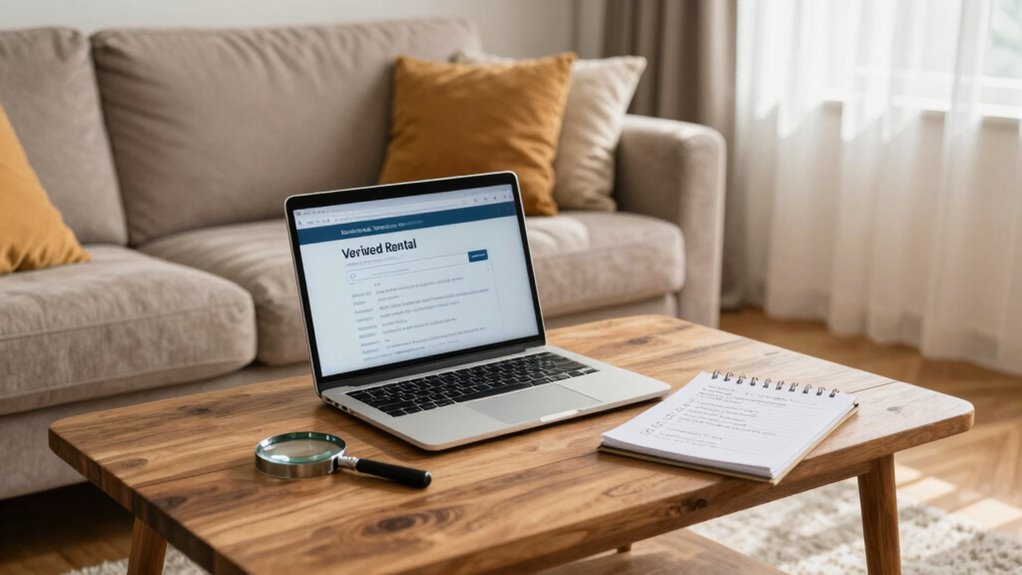
Verifying a rental listing’s legitimacy is essential to avoid scams and guarantee a safe stay. Start by conducting thorough background checks on the host and property. Confirm that the listing matches official platforms and look for verified badges. Review the rental agreement details carefully, ensuring they clearly outline terms, cancellation policies, and fees. Communicate directly with the host to ask specific questions about the property and verify their identity. Check for consistent information across multiple sources, such as reviews and social media profiles. Be cautious of listings with overly low prices or vague descriptions, as these can be red flags. Additionally, understanding Vetted characteristics and qualities can help identify authentic listings that prioritize quality and transparency. Recognize the importance of website security features, such as HTTPS and secure payment options, which contribute to safer transactions. Ultimately, avoid making payments outside of secure platforms to protect yourself from fraudulent schemes. Trust your instincts and verify every detail before committing.
Common Rental Scams and How to Avoid Them

Are you aware of the common rental scams that can threaten your travel plans? One major risk is falling for fake listings that appear legitimate but are designed to steal your money. Always verify the host and the listing through official platforms, and avoid deals that seem too good to be true. Payment scams are also prevalent; never wire money or use unsecure payment methods outside the platform’s secure system. Scammers might request upfront payments or deposits without providing a proper contract or receipt. Be cautious of listings that lack detailed descriptions or multiple verified photos. By staying vigilant and following these tips, you can avoid falling victim to rental scams and enjoy a safe, hassle-free stay. Incorporating practical, room-by-room solutions can help you create a more organized and calming rental environment, reducing stress during your stay. Additionally, understanding the importance of trustworthy online platforms can further protect you from fraudulent listings and ensure a smoother booking process. To further safeguard your booking, consider checking the security features offered by reputable rental websites, which often include verified reviews and secure payment options. Being aware of common scam tactics can also help you recognize warning signs early and prevent potential scams before they happen. Educating yourself about filtration and verification processes can also enhance your ability to identify legitimate listings and avoid scams.
Protect Your Personal and Payment Information During Your Stay

After spotting and avoiding rental scams, it’s important to protect your personal and payment information throughout your stay. Be cautious with sharing sensitive details, and only use secure payment methods. Verify that the host has conducted background checks or maintains trustworthy access controls to ensure safety. Always confirm the platform’s secure messaging system before communicating sensitive info. Keep your devices protected with strong passwords and updated security software. Avoid connecting to unsecured Wi-Fi networks when handling payment details. Consider using a virtual credit card for additional security. Be mindful of who has access to your personal data, and don’t share unnecessary information. Remember, safeguarding your details helps prevent identity theft and financial fraud during your short-term rental experience. Additionally, understanding security protocols can help you implement practical measures that protect your data and privacy during your stay. Smart home security features, such as smart locks and cameras, can also provide an extra layer of protection during your stay. Staying aware of privacy settings can further help prevent unauthorized access to your personal information. Moreover, familiarizing yourself with the navigation and mapping capabilities of smart security devices can help you better manage and monitor access points in your rental space.
How to Communicate Safely With Hosts Before and During Your Trip
To communicate safely with your host before and during your trip, always use the platform’s official messaging system rather than external email or messaging apps. This guarantees your conversations are protected and recorded. Be mindful of cultural considerations, as different customs may influence communication styles or expectations. If language barriers exist, use clear, simple language and consider translation tools to avoid misunderstandings. Confirm details like check-in instructions, house rules, and emergency contacts early on, and keep a record of these exchanges. Avoid sharing sensitive personal or payment information through messages. Clear, respectful communication helps prevent confusion and builds trust, making your stay more secure and enjoyable. Additionally, choosing a platform that prioritizes secure data management can further enhance your privacy. Being aware of security best practices for digital communication can also help you avoid potential scams or phishing attempts. Staying informed about common digital security threats can help you recognize and avoid suspicious activity.
How to Make Sure Your Rental Property Is Safe and Well Maintained
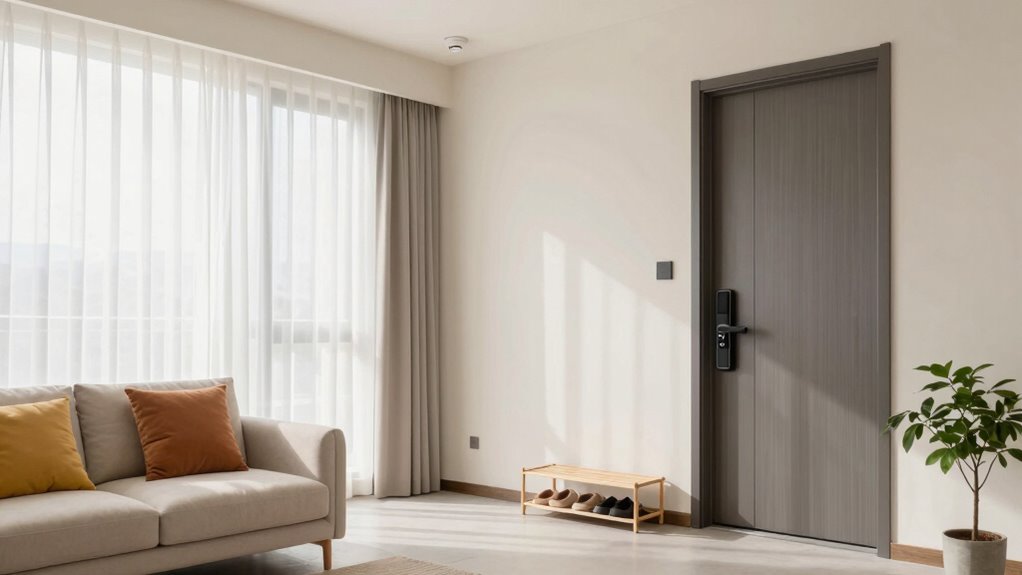
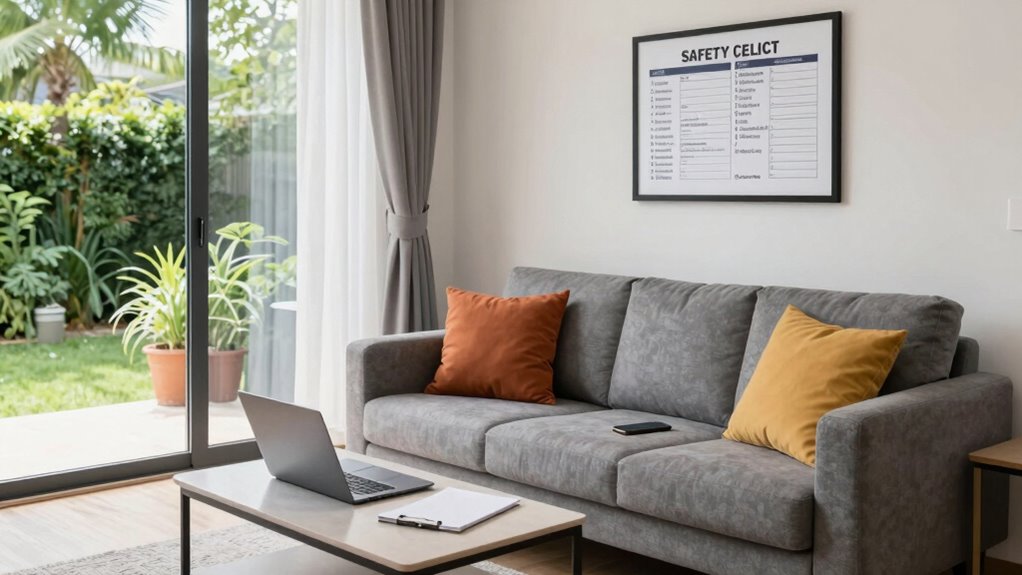
Ensuring your rental property is safe and well maintained begins with thorough preparation before you arrive. Verify that the host follows proper cleaning protocols to reduce health risks and ensure a tidy environment. Check for pet safety measures if you’re bringing pets, such as secure fencing or pet-friendly areas. Inspect for hazards like loose rails, exposed wires, or slippery floors. Confirm that smoke and carbon monoxide detectors are functioning. Communicate with your host about any specific concerns, including pet safety and maintenance issues. Consider these key points:
- Confirm recent cleaning and hygiene standards
- Ensure pet safety features are in place
- Check for visible damages or safety hazards
- Verify functioning safety devices (smoke detectors, fire extinguishers)
- Review the property’s maintenance history for issues
- Maximize Your Truck Bed’s Potential to secure your gear during your stay
- Be attentive to environmental considerations, such as proper waste disposal and minimizing impact on the property, to ensure a responsible stay.
These steps help protect your health and ensure peace of mind.
Tips for Using Secure Wi-Fi and Keeping Your Devices Safe
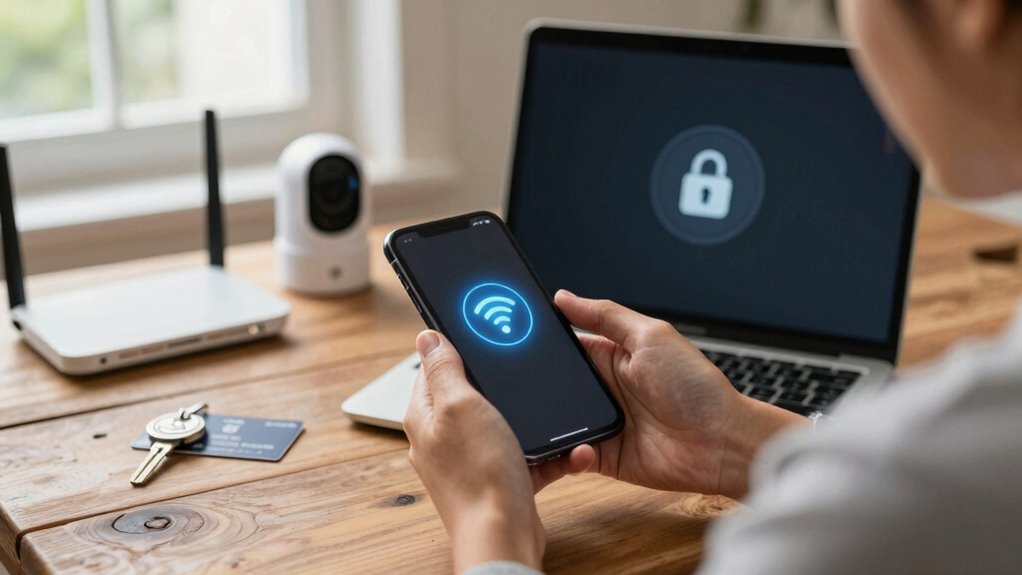
Using a secure Wi-Fi connection is essential to protect your data from hackers. Make sure your network has a strong password and avoid public Wi-Fi for sensitive activities. Additionally, practicing good device security helps keep your information safe during your stay.
Secure Wi-Fi Connections
When connecting to a Wi-Fi network in a short-term rental, securing your connection is essential to protect your personal information. To safeguard guest privacy, prioritize networks with strong Wi-Fi encryption, such as WPA3 or WPA2. Avoid open or unsecured networks that leave your data vulnerable. Use a virtual private network (VPN) to encrypt your internet traffic, adding an extra layer of security. Always verify the network name with your host to prevent connecting to malicious hotspots. Keep your device’s software up to date to patch security vulnerabilities. Remember, a secure connection minimizes risks of data theft and unauthorized access. By following these steps, you ensure your devices stay safe and your personal information remains private during your stay.
- Confirm network names with your host
- Use strong, unique passwords for Wi-Fi
- Enable WPA3 or WPA2 encryption
- Connect through a trusted VPN
- Keep device software current
Device Security Practices
To keep your devices safe while connected to a short-term rental Wi-Fi, it’s important to follow solid security practices. First, verify your devices, including smartphones and laptops, regularly receive device updates. These updates fix security vulnerabilities and improve performance. If the rental has a smart home setup, change default passwords on smart devices and disable remote access if not needed. Use strong, unique passwords for all accounts and enable two-factor authentication when possible. Avoid connecting to unsecured or unknown networks, and consider using a VPN for added protection. Keep an eye on your smart home devices to prevent unauthorized access. By staying proactive with device updates and secure configurations, you minimize risks and protect your personal information during your stay.
What to Do If You Encounter Security Issues During Your Stay
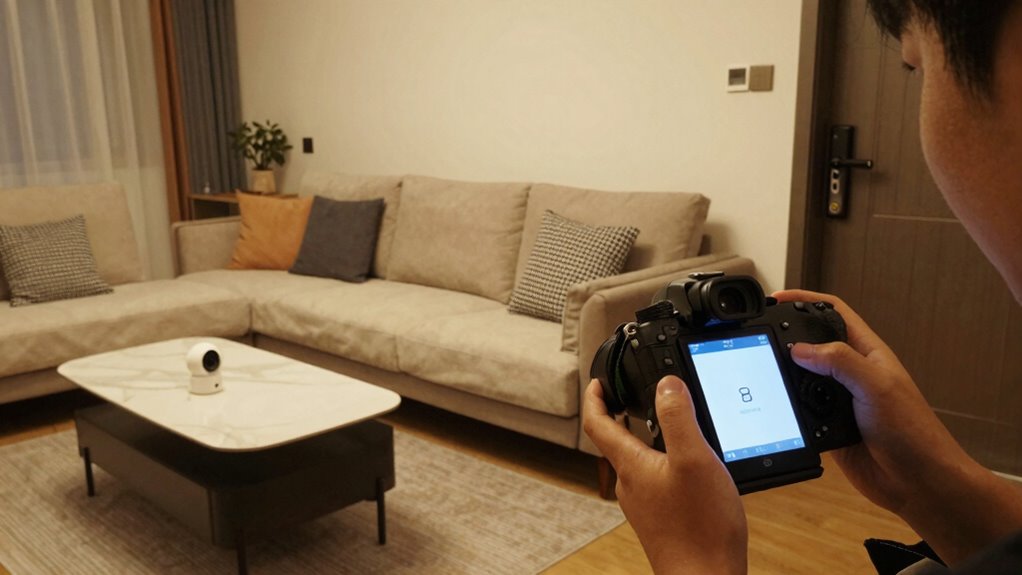
If you notice a security threat during your stay, it’s important to recognize the risks quickly. You should contact emergency services if there’s an immediate danger and document what happened for your records. Being prepared to act swiftly can help protect you and make sure the issue is properly addressed.
Recognize Security Risks
Have you ever wondered how to spot potential security issues during your stay? Recognizing risks early can help you stay safe and protect property security. Pay attention to signs that indicate neighborhood safety concerns, such as frequent disturbances or unfamiliar faces. Check if entry points like doors and windows are secure and functioning properly. Be alert to poorly maintained locks or suspicious smells, which could suggest compromised property security. Notice if there’s inadequate outdoor lighting or if neighbors seem unresponsive, as these can signal vulnerabilities. Trust your instincts—if something feels off about the neighborhood safety or the property’s security measures, take extra precautions. Being proactive helps you avoid dangerous situations and ensures a secure, peaceful stay.
Contact Emergency Services
When you encounter a security issue during your stay, it’s crucial to contact emergency services immediately to guarantee your safety and address the situation promptly. Knowing your emergency contacts ensures quick action when needed. Save local numbers, such as police, fire, and medical services, in your phone. Always have the address of your rental handy to share with responders. Keep a list of emergency contacts accessible, and don’t hesitate to call if you feel threatened or unsafe. Quick communication can prevent escalation and protect your guest safety.
| Emergency Service | Contact Number |
|---|---|
| Police | 911 |
| Fire Department | 911 |
| Medical Services | 911 |
| Local Emergency Line | [Insert local number] |
Document Security Incidents
Encountering a security issue during your stay can be unsettling, but knowing how to document the incident helps guarantee it’s properly addressed. Effective incident reporting ensures you provide clear details and support access control measures. When documenting, focus on capturing essential information quickly and accurately to aid any investigation.
- Take photos or videos of the incident area for visual evidence
- Record date, time, and specific location of the event
- Note descriptions of individuals involved or suspicious activity
- Save any relevant communication or messages
- Report the incident promptly to hosts or property management
Proper documentation helps security teams respond efficiently and reinforces your safety. Remember, detailed incident reporting is crucial to maintaining a secure environment and preventing future issues.
Trusted Platforms and How to Choose Secure Short-Term Rentals
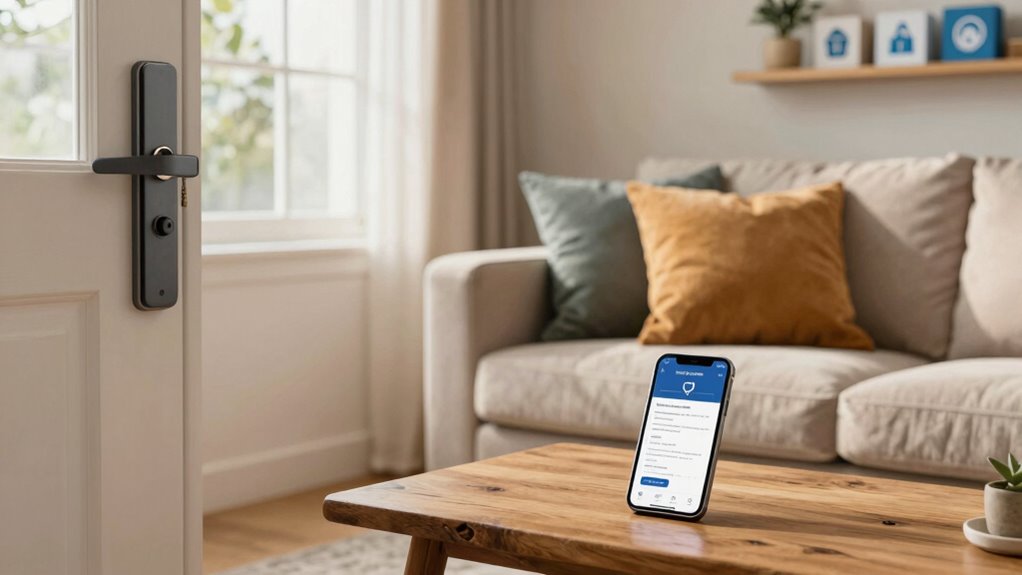
Choosing a secure short-term rental starts with selecting a trusted platform. Reputable sites often perform background checks on hosts and guests, reducing risks of scams or unsafe situations. Look for platforms that prioritize safety features, such as verified identities and secure payment methods. Make certain the rental offers rental insurance options, which protect you against damages or unexpected issues. Reading reviews from previous guests gives insight into the host’s reliability and the property’s condition. Verify that the platform has clear policies on cancellations, refunds, and dispute resolution. Avoid listings with limited information or poor reviews. By choosing well-known platforms with strong security measures, you’ll greatly increase your chances of having a safe, enjoyable stay.
Final Tips for a Safe and Relaxing Rental Experience
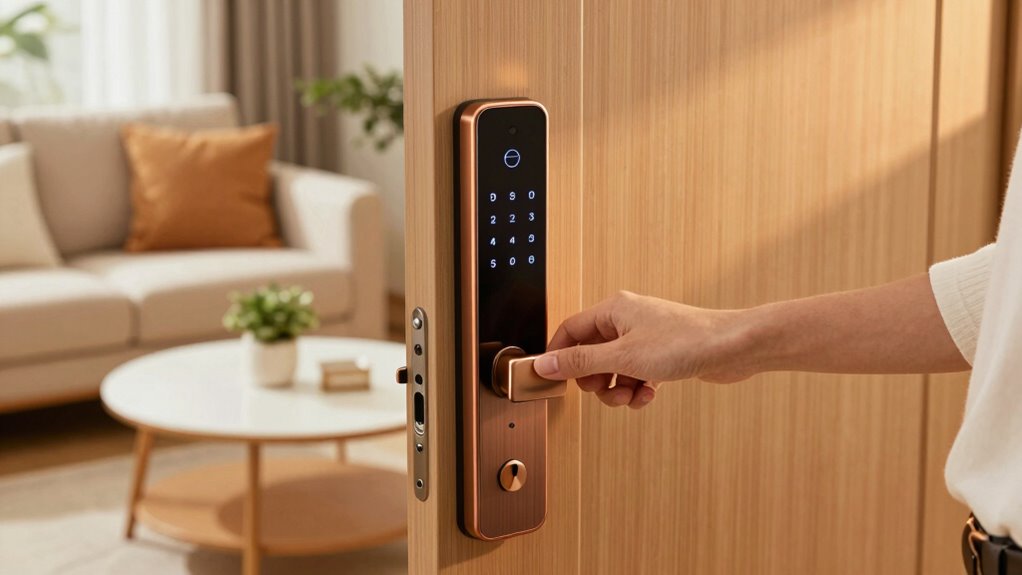
To guarantee your rental experience remains both safe and relaxing, it’s important to take a few final precautions before and during your stay. Ensure you have all-encompassing travel insurance that covers emergencies, theft, and cancellations. Familiarize yourself with local emergency contacts, such as the nearest hospital and police station, in case you need quick assistance. Always communicate clearly with your host about check-in procedures and house rules to avoid misunderstandings. Keep valuables secure and avoid sharing your location publicly. Before leaving, double-check that all doors and windows are locked, and leave a detailed review of your experience. Being prepared with these steps helps create a worry-free environment, allowing you to enjoy your trip confidently.
Prioritize safety with travel insurance, emergency contacts, secure valuables, and thorough communication for a worry-free stay.
- Confirm emergency contacts and healthcare options
- Keep digital copies of important documents
- Use secure payment methods
- Stay aware of local safety advisories
- Trust your instincts and report concerns
Frequently Asked Questions
How Can I Identify Hidden Security Cameras in My Rental?
To identify hidden security cameras in your rental, use camera detection tools or apps that scan for hidden devices emitting signals. Look carefully for unusual objects, tiny holes, or wires that seem out of place, as they could conceal a hidden device. Check common spots like smoke detectors, picture frames, or vents. Remember, staying vigilant and doing a thorough visual inspection helps guarantee your privacy and safety during your stay.
What Should I Do if I Lose My Rental Key or Access Code?
If you lose your rental key or access code, first contact the host immediately for key replacement or access troubleshooting. They can provide a new key or reset the code. Don’t attempt to force entry or use unauthorized methods, as this could breach security and violate your rental agreement. Stay calm, inform your host promptly, and follow their instructions to regain access safely and securely.
Are There Specific Safety Features I Should Look for in a Rental Property?
Ever wonder if your rental keeps you truly safe? Look for safety lock features like smart locks or deadbolts that give you control. Also, check if security system options are in place—cameras, alarms, or smart security apps—that can alert you to trouble. These features add peace of mind, making it easier to enjoy your stay without constantly worrying about safety. Don’t settle for less—prioritize properties with robust security measures.
How Do I Report a Suspicious or Unsafe Host or Listing?
If you spot a suspicious or unsafe host or listing, start by checking guest reviews for any red flags. Report your concerns directly through the platform’s messaging system or help center. Make certain the host is verified, as verified hosts typically follow safety standards. If necessary, contact platform support immediately to escalate your concern. Trust your instincts and prioritize your safety at all times.
What Emergency Contacts Should I Have While Staying in a Short-Term Rental?
You might hesitate to prepare, but having an emergency contact list is essential for your safety. Include local police station, fire department, and your trusted contacts. Save these numbers on your phone and keep a physical copy. If you encounter trouble, quick access to emergency contacts can make all the difference. Always familiarize yourself with the rental’s location and nearby emergency services before settling in for a worry-free stay.
Conclusion
Remember, safety is always better than regret. Trust your instincts, verify listings carefully, and stay vigilant throughout your stay. Use secure connections, protect your personal info, and communicate clearly with your host. No matter how tempting a deal seems, if something feels off, walk away. As the saying goes, “An ounce of prevention is worth a pound of cure.” Stay cautious, stay safe, and enjoy your trip with peace of mind.