
When considering a lock upgrade, focus on its grade to guarantee it meets your security and durability needs. Higher grades, like Grade 1, resist forced entry and wear better, making them suitable for commercial or high-traffic areas. Lower grades may suffice for residential or less vulnerable spaces but won’t offer the same strength. Remember, choosing the right grade helps balance safety, longevity, and cost. Keep exploring to discover how to select the best lock for your situation.
Key Takeaways
- Determine your security needs based on the environment and potential risks.
- Match lock grades (Grade 1 or 2) to the level of durability and resistance required.
- Consider the compatibility of the lock with existing master key systems if applicable.
- Evaluate long-term value by choosing high-grade locks for frequent use and harsh conditions.
- Focus on standards and tested performance criteria rather than brand or price alone.

Lock grades are an essential part of understanding the security and reliability of a lock, but they can often seem confusing or overwhelming at first. When you’re contemplating an upgrade, it’s vital to grasp what these grades mean so you can make an informed choice. Lock grades are primarily determined by standards set by organizations like ANSI (American National Standards Institute), which test locks for various qualities such as security, durability, and overall performance. Higher grades typically indicate a lock that’s more resistant to forced entry, wear, and tampering. But beyond just security, understanding lock durability helps you choose a lock that will hold up over time, especially in high-traffic or challenging environments. Knowing the lock standards helps you compare different locks more effectively and ensures you select one that fits your security needs. If you’re thinking about master keying, knowing a lock’s grade becomes even more important. Master key systems often involve multiple locks being opened with a single master key, which can sometimes compromise security if not carefully designed. High-grade locks tend to support more sophisticated master keying systems without sacrificing security or durability. You want locks that can handle frequent use and multiple key changes without becoming unreliable or vulnerable to picking or forced entry. When upgrading, verify the lock you choose has the right grade to support your master keying needs, especially if you’re managing access for a business or multi-unit property. Additionally, understanding the security performance of a lock can help you choose options that align with your specific risk environment. Durability is another key aspect to consider. A lock with a high grade will have been tested to withstand regular use, environmental exposure, and attempts at forced entry. This means you won’t have to replace it as often, saving you time and money in the long run. Lower-grade locks might seem cheaper initially, but they often wear out faster and can be more easily compromised. So, when you’re evaluating your options, look at the lock’s specified grade, and consider how much stress it’s likely to endure based on where it’s installed. It’s also worth noting that not all high-grade locks are necessarily suitable for every situation. For example, a Grade 1 lock offers the highest security and durability, ideal for commercial or industrial settings, while Grade 2 might suffice for residential doors. Your specific needs, including whether you require master key systems or enhanced lock durability, should guide your choice. Ultimately, understanding lock grades helps you balance security, longevity, and functionality, ensuring you select a lock that meets your needs without overpaying for unnecessary features. Recognizing the importance of standards ensures you’re making decisions based on reliable, tested criteria rather than just price or brand reputation. Being aware of these performance benchmarks allows you to prioritize features that truly matter for your particular environment.

HISAFE Keyed Entry Grade 1 Commercial Door Locks Heavy Duty Office Lever
- Grade 1 Certification: Heavy-duty, ANSI/BHMA Grade 1, UL listed
- Fire and ADA Compliant: Fire rated up to 3 hours, ADA compliant
- High Durability: Over 1,000,000 cycles tested
As an affiliate, we earn on qualifying purchases.
As an affiliate, we earn on qualifying purchases.
Frequently Asked Questions
Are Higher Lock Grades Always More Secure?
Higher lock grades aren’t always more secure because lock grade myths and security misconceptions can be misleading. While higher grades, like Grade 1, generally offer better durability and pick resistance, they don’t guarantee absolute security. Factors like lock quality, installation, and additional security measures matter more. Don’t assume a higher grade alone solves all security concerns; instead, consider the full locking system and real-world vulnerabilities.
How Do Lock Grades Affect Installation Difficulty?
Lock grades can make installation more challenging, especially with higher-grade locks. You might find that premium lock materials and reputable brand reputation require precise installation techniques and tools. While these locks offer better security, their complexity can increase difficulty during setup. You’ll need to follow manufacturer instructions closely, and sometimes professional help is advisable. Ultimately, the higher the grade, the more careful and skilled your installation process should be to guarantee maximum security.
Do Lock Grades Impact Insurance Premiums?
Lock grades can influence your insurance premiums because higher-grade locks offer better lock durability and enhanced security, which insurers recognize as reducing risk. While they may cost more upfront, their improved aesthetic appeal and strength can lead to lower premiums over time. You’ll benefit from peace of mind knowing your property is more secure, and insurers often favor these upgrades, potentially saving you money on your policy.
Can Lock Grades Be Upgraded Without Replacing the Entire Lock?
You can upgrade lock grades without replacing the entire lock by focusing on the upgrade process. Lock grade differences often allow for core or cylinder upgrades, which enhance security without full replacement. This process involves replacing or rekeying internal components, making it a cost-effective option. Always check your lock’s compatibility with upgrade options, and consult a professional if you’re unsure, ensuring a smooth shift to a higher lock grade.
How Do Lock Grades Compare Across Different Brands?
Think of lock grades like a symphony—each brand playing by different standards. Some brands excel with high Grade standards, offering superior durability and security, while others might not hit the same high note. Brand reputation matters because trusted brands tend to follow strict Grade standards, ensuring consistent quality. Comparing lock grades across brands reveals differences in strength and reliability, so opt for reputable brands to guarantee your lock’s performance and peace of mind.
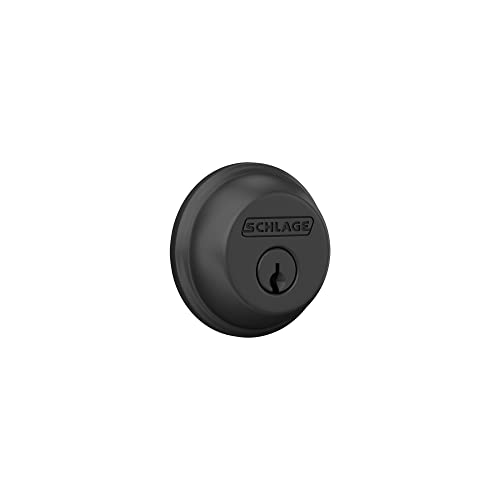
Schlage B60 N 622 Deadbolt, Keyed 1 Side, Highest Residential Security, Matte Black
- Ideal for Entry Doors: Operated by key or inside turn
- Enhanced Security Features: Hardened steel pin, anti-drill plates
- High Security Certification: Grade 1/AAA BHMA rated
As an affiliate, we earn on qualifying purchases.
As an affiliate, we earn on qualifying purchases.
Conclusion
Now that you understand lock grades better, you can make smarter upgrade decisions. Think of it as choosing the right sword for your quest—you want strength, durability, and the right fit. Don’t rush into a purchase like a reckless knight. Take your time, weigh the options, and remember, even the great Sherlock Holmes would scrutinize the details before solving the case. With this knowledge, you’re well on your way to securing your castle’s defenses.

Padlock Keys Cut by Code that fit Master Locks/Replacement Key Compatible with Master Lock/Key Code A389
- Expertly Cut by Locksmith: Over 40 years of experience
- Ready to Use: Pre-cut and functional immediately
- Proven Experience: Cut millions of keys
As an affiliate, we earn on qualifying purchases.
As an affiliate, we earn on qualifying purchases.
heavy-duty door lock for high traffic
As an affiliate, we earn on qualifying purchases.
As an affiliate, we earn on qualifying purchases.