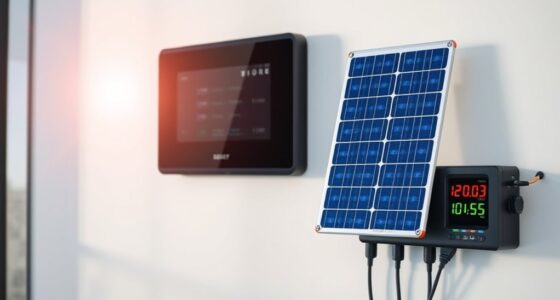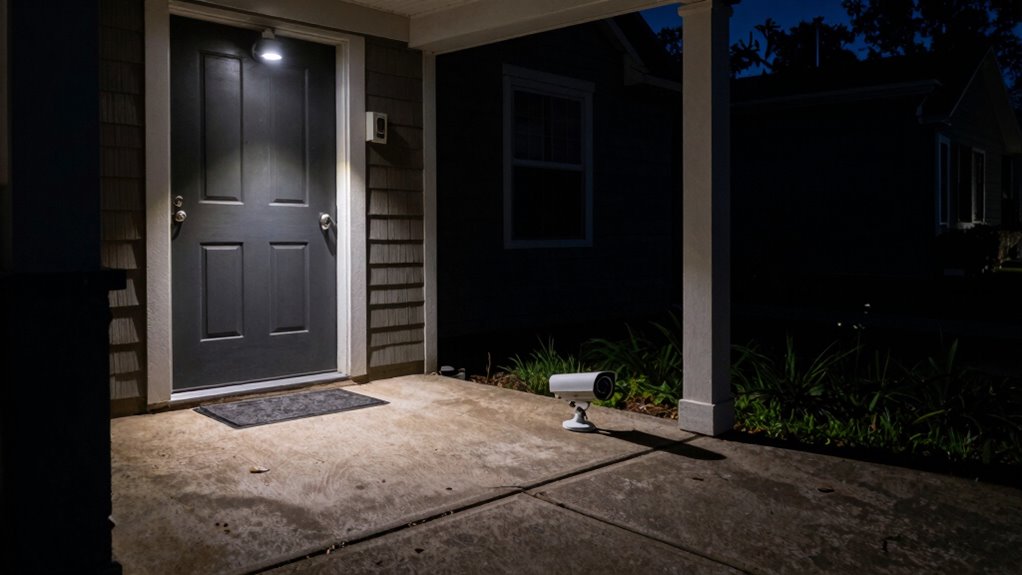
To make break-ins riskier during your night walk, guarantee your outdoor lighting is strategic, bright, and layered along pathways, entrances, and dark spots. Use motion sensors, timers, and adjustable fixtures to keep areas consistently illuminated without glare or shadows. Trim bushes and add natural boundaries to reduce hiding spots. A well-lit, predictable route signals security presence and deters intruders. Keep your lighting routine maintained—details that can make all the difference in enhancing safety and protection.
Key Takeaways
- Use motion-activated lighting along pathways and entry points to surprise and deter intruders during night walks.
- Ensure consistent, well-placed lighting with high contrast ratios to eliminate dark hiding spots.
- Incorporate layered lighting at varying heights and angles for comprehensive coverage and increased visibility.
- Regularly maintain and calibrate outdoor lights to prevent shadows and uneven illumination.
- Establish a clear, well-lit routine route, including key zones like doors, windows, and pathways, to enhance security.
Why Exterior Lighting Is Key to Home Security
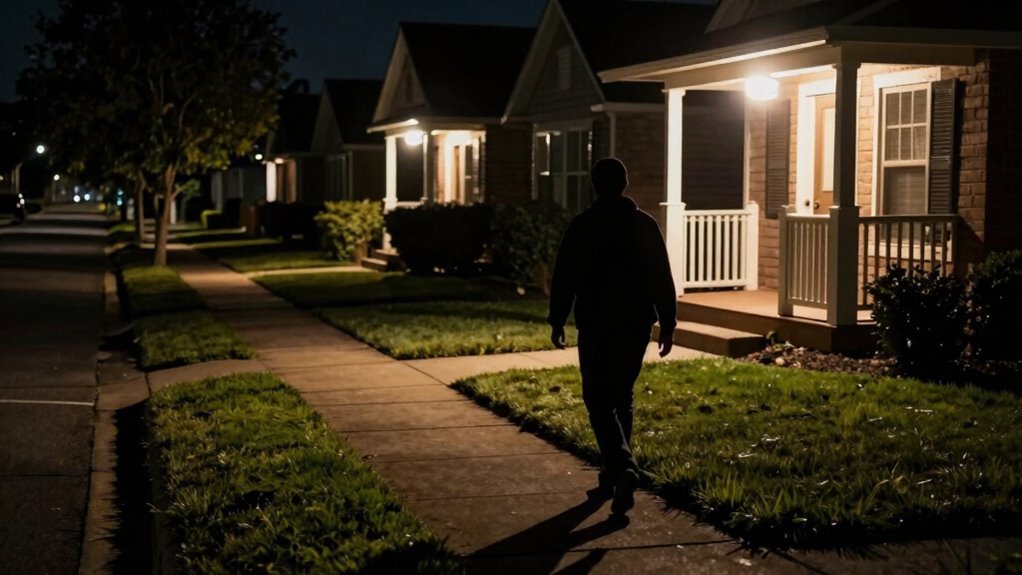
Have you ever wondered how exterior lighting can prevent break-ins? Well, good lighting is a vital part of your home security. When you incorporate thoughtful landscape design, you make it harder for intruders to hide. Proper lighting exposes potential entry points and creates a well-lit environment that deters criminals. Solar options are an excellent choice because they’re eco-friendly and cost-effective, allowing you to illuminate key areas without increasing your energy bills. By strategically placing lights along pathways, around doors, and near windows, you eliminate dark spots where someone might lurk unnoticed. Bright, well-placed lighting not only enhances your home’s curb appeal but also sends a clear message: your property is protected and monitored, reducing the likelihood of break-ins. Additionally, high contrast ratios in outdoor lighting help improve visibility and make intruders more conspicuous. Incorporating energy-efficient technologies further enhances sustainability and lowers ongoing costs. Using automated controls can also improve its effectiveness by adjusting brightness based on the time of day or activity level. Moreover, choosing reliable outdoor fixtures can prevent malfunctions that leave areas in darkness, maintaining consistent security. Including motion sensors is another effective way to ensure lights activate when movement is detected, further deterring potential intruders.
What Makes a Good Outdoor Lighting Setup for Your Night Walk

To guarantee your night walk is safe and enjoyable, your outdoor lighting needs to be just right. You should focus on having adequate brightness levels so you can see clearly without harsh glares. Additionally, strategic light placement helps illuminate key areas and keeps shadows at bay. Using proper lighting techniques can further enhance visibility and safety during your night walk. Incorporating lighting placement strategies ensures that all potential blind spots are effectively covered, reducing the risk of unwanted intruders. Employing free floating lighting options can also add flexibility and prevent obstructions in your outdoor space. Applying modern automation can optimize your outdoor lighting system for convenience and energy efficiency. Incorporating essential oils for outdoor relaxation can also create a calming environment during your evening strolls.
Adequate Brightness Levels
Ensuring the right brightness level is essential for a safe and enjoyable night walk. You want enough light to see potential hazards without creating glare or overly bright spots. Motion sensors are excellent for this—they activate lights only when needed, conserving energy and deterring intruders. Light timers help set consistent lighting schedules, ensuring your path stays illuminated during your usual walk times, even if you’re not home. Aim for a brightness level that clearly illuminates walkways, steps, and doorways but avoids blinding reflections. Use fixtures with adjustable brightness to tailor the light to your needs. Properly calibrated lights improve visibility, reduce shadows, and make your night walks safer while minimizing the risk of break-ins by maintaining a well-lit exterior environment. Proper lighting quality assessment is key to achieving optimal safety and efficiency in outdoor illumination. Additionally, selecting appropriate lighting technology can enhance durability and energy efficiency for long-term use. Implementing modern smart lighting systems can further optimize your outdoor lighting setup by providing remote control and automation features. Incorporating light pollution reduction strategies can also help minimize unnecessary light spillage, preserving the natural night environment while maintaining security.
Strategic Light Placement
Effective outdoor lighting hinges on strategic placement that highlights key areas and minimizes shadows. You want to focus on illuminating entry points like doors, windows, and pathways, making them clearly visible and less inviting to intruders. Position lights at varying heights and angles to enhance landscape aesthetics without creating harsh glare. Use motion-activated lights to conserve energy and deter unwanted visitors efficiently. Avoid over-lighting or clustering fixtures, which can waste energy and diminish the visual appeal of your outdoor space. Instead, aim for a balanced layout that emphasizes safety and beauty while maintaining energy efficiency. Thoughtful placement not only boosts your night walk routine but also enhances security by reducing hiding spots and increasing overall visibility during nighttime hours. Incorporating different lighting techniques, such as uplighting and downlighting, can further improve the overall effectiveness of your outdoor setup. Properly lighting design ensures your outdoor space remains both attractive and secure during nighttime hours. Additionally, understanding thermal behavior of lighting fixtures can help prevent overheating and prolong their lifespan, contributing to a safer and more reliable outdoor lighting system.
How to Implement Your Night Walk Routine Step by Step
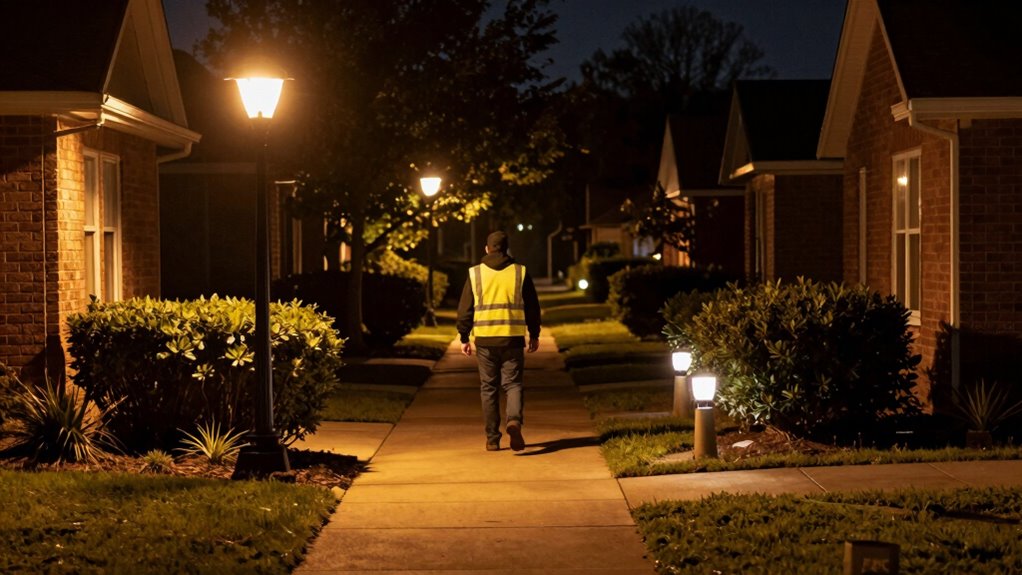
To implement your night walk routine effectively, start by preparing your equipment so you have reliable lighting tools. Next, choose a routine path that keeps you safe and comfortable during your walk. Additionally, it’s helpful to understand home security systems and how they integrate with your lighting to enhance overall safety. Incorporating seasonal maintenance tips can help ensure your lighting and security measures stay effective year-round. Regularly inspecting your electric bikes and their batteries can prevent unexpected malfunctions during your outdoor activities. Being aware of the battery lifecycle can help you plan for replacements or reconditioning before issues arise. To further improve safety, consider understanding wiring basics that ensure your lighting setup is secure and reliable. Finally, focus on illuminating critical areas to guarantee visibility where it matters most.
Prepare Your Equipment
Gather all the necessary equipment before you head out for your night walk. Start by checking your outdoor fixtures, ensuring they’re clean and functioning properly. A well-planned lighting design is vital to illuminate your path and deter intruders. Use durable, weather-resistant lights that provide bright, consistent coverage. Consider bringing a flashlight or headlamp for added visibility in darker spots. Double-check that batteries are fresh or fully charged. Pack any extra bulbs or batteries you might need. If you’re using motion-activated lights, test them beforehand to confirm they turn on reliably. Having the right lighting strategies ready and in good working order helps you maintain a safe and effective night walk routine, making it harder for break-ins to go unnoticed. Additionally, ensure your backup power sources are operational to keep your security lighting functioning during outages.
Set a Routine Path
Establishing a routine path is essential for a safe and efficient night walk. Start by planning a clear, consistent route through your landscape design that covers all critical areas. Keep the path straightforward to minimize confusion and ensure you don’t miss any spots. Use features like low shrubs or ground cover to create natural boundaries that guide your walk. To boost energy efficiency, choose solar-powered lights or motion-activated fixtures along your route, reducing unnecessary illumination. Avoid overly complex pathways that could slow you down or create blind spots. By setting a familiar, well-lit routine path, you make nighttime walks safer, more predictable, and less attractive to intruders. A consistent route also helps you check your property systematically each night.
Illuminate Critical Areas
Once you’ve mapped out your routine path, the next step is to illuminate the critical areas along it. Focus on key spots like entrances, windows, and dark corners where intruders might hide. Use strategically placed lighting to highlight these zones, ensuring they remain visible from your main route. Choose fixtures that enhance your landscape aesthetics while maintaining energy efficiency—solar-powered lights or LED options work well. Properly lighting these areas not only deters potential break-ins but also helps you navigate safely during your night walk. Keep the lighting subtle yet effective, avoiding overly bright or harsh lights that can disrupt your outdoor ambiance. This targeted approach makes your routine more secure without sacrificing the visual appeal of your yard.
Common Mistakes to Avoid When Setting Up Exterior Lights
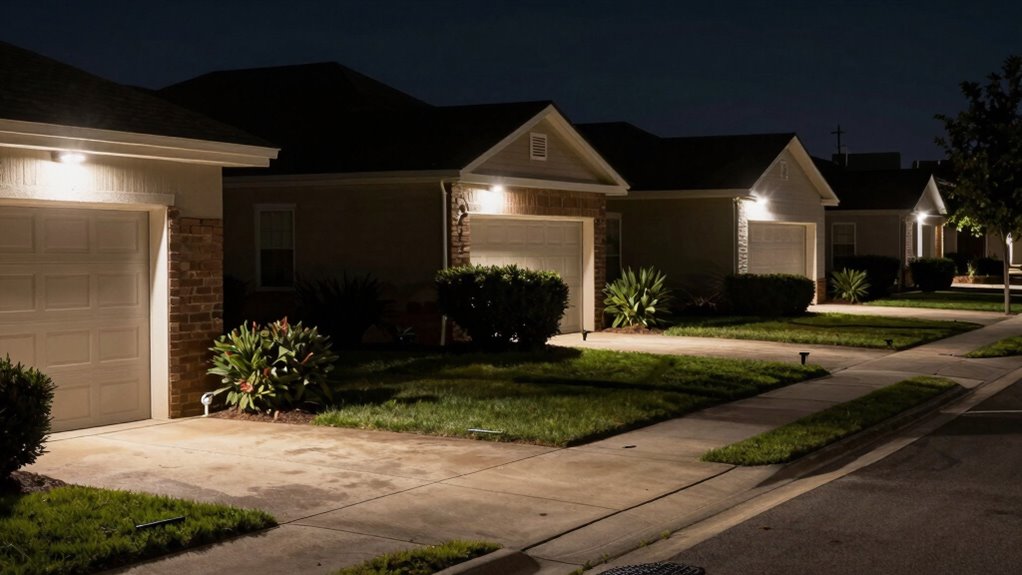
One common mistake when setting up exterior lights is placing them too high or too low, which can create uneven illumination or harsh shadows. Proper placement is key to effective lighting and enhances your landscape design. Avoid these pitfalls:
Avoid placing exterior lights too high or low for balanced, effective illumination.
- Ignoring the natural landscape layout, which can lead to inconsistent coverage
- Using overly bright or dim solar lighting, reducing visibility and security
- Failing to angle lights correctly, causing glare or dark spots
- Relying on a single light source instead of layered lighting for depth
- Neglecting to test lights at night, missing uneven light distribution
How Consistent Lighting Can Deter Break-Ins

Consistent lighting around your property can considerably reduce the risk of break-ins by eliminating dark spots that criminals might exploit. When outdoor lights are evenly spaced and operate with a uniform brightness, it creates a well-lit environment that deters intruders. Good lighting aesthetics enhance your home’s curb appeal while serving a practical security purpose. Additionally, choosing energy-efficient bulbs ensures your lighting routine remains sustainable and cost-effective over time. Regularly maintaining and adjusting your lights to prevent flickering or uneven illumination keeps your property consistently visible. This predictability signals to potential intruders that your home is monitored and secure, making it a less attractive target. Ultimately, consistent, energy-efficient lighting acts as a silent guardian, reducing break-in risks without sacrificing your home’s visual appeal.
Enhance Your Night Walk With Other Security Tips
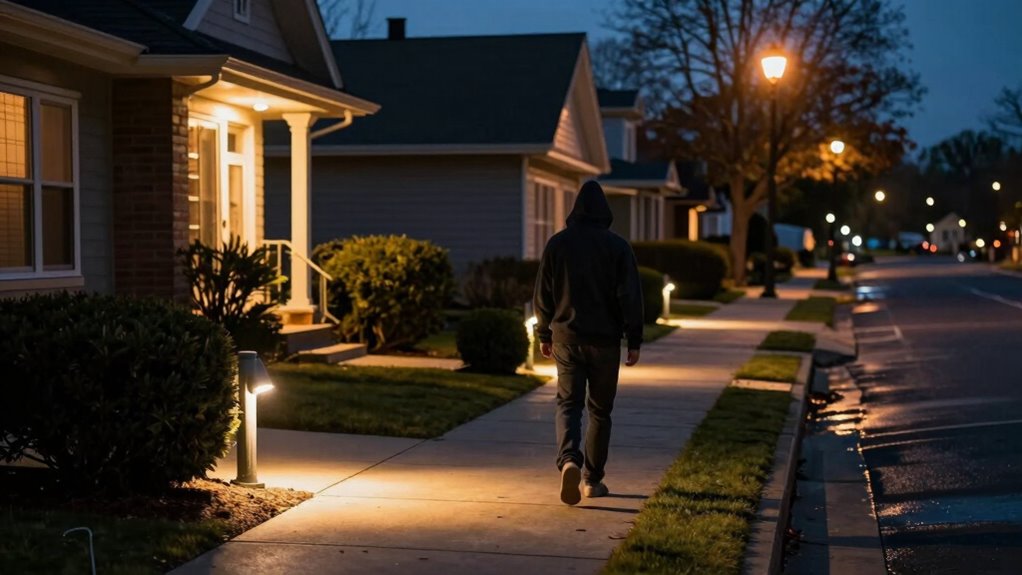
To truly enhance your night walk security, consider combining good lighting with other practical measures. Strengthen garden security by trimming bushes and installing motion-activated lights to eliminate hiding spots. Stay aware of neighbor activity and inform them of your routine so they can watch for suspicious behavior. Use a whistle or personal alarm for quick alerts if needed. Keep your phone handy for emergencies, and make regular eye contact with neighbors to foster awareness. Building neighbor awareness creates a network of vigilance that deters intruders. These simple steps, alongside your lighting routine, make your surroundings less inviting for break-ins. Implementing these tips creates a safer environment, reducing risks during your nightly walks.
Maintaining and Adjusting Your Exterior Lighting for Ongoing Safety
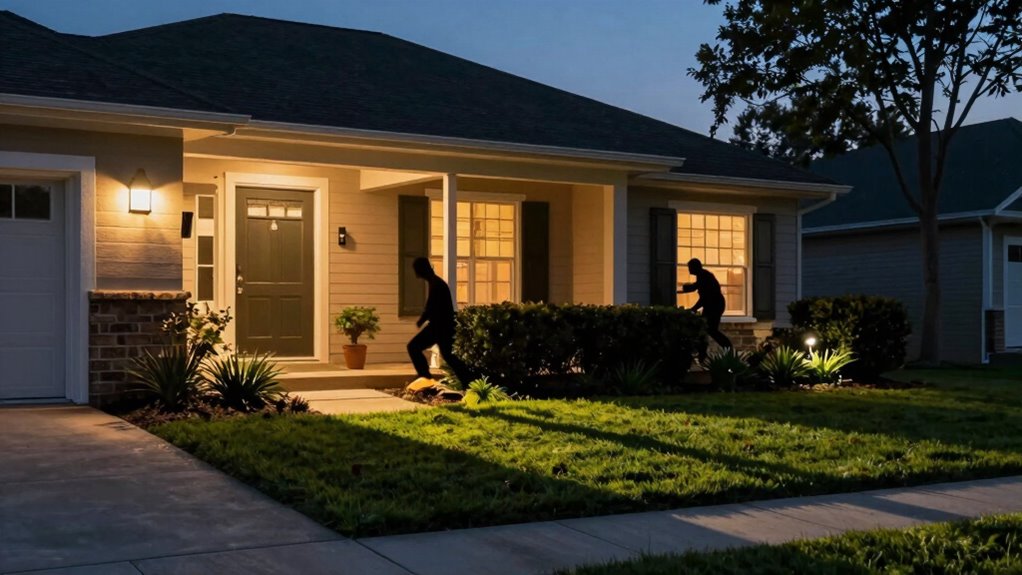
Regularly inspecting and adjusting your exterior lighting guarantees it remains effective at keeping your property safe. As your landscape design evolves, guarantee lights highlight key entry points and dark spots, maintaining ideal coverage. Adjust timers or motion sensors to respond to changing seasons and activity patterns, preventing vulnerabilities. Focus on energy efficiency by choosing LED bulbs and solar-powered options, reducing costs without sacrificing brightness. Keep fixtures clean and free of debris to maximize illumination. Regular maintenance also involves checking for damaged wires or broken bulbs, promptly replacing them. By staying proactive, you prevent lighting gaps that could attract intruders. This ongoing attention ensures your outdoor lighting continues to serve as a strong deterrent while aligning with your landscape design and energy-saving goals.
Troubleshooting Your Outdoor Lights and Routine

When your outdoor lights fail to work properly, troubleshooting promptly can prevent safety gaps and keep your property well-lit. Start by checking the power source, especially if you rely on solar lighting—ensure the solar panels are clean and positioned correctly for maximum sunlight. Inspect connections for loose wires or damaged fixtures, and verify timers or motion sensors are functioning properly. If your landscape design includes wired lighting, consider replacing bulbs or resetting switches. Keep an eye out for weather-related issues, like water damage or corrosion. Regular maintenance helps prevent failures and guarantees your routine remains effective.
Troubleshoot outdoor lighting issues promptly to ensure safety, check power sources, connections, bulbs, and weather-related damage regularly.
- Clean solar panels regularly
- Test timers and sensors
- Inspect wiring and connections
- Replace faulty bulbs or fixtures
- Adjust landscape design for better light coverage
Frequently Asked Questions
How Often Should I Update or Change My Outdoor Lighting Setup?
You should update or change your outdoor lighting setup seasonally to keep it effective, especially during darker months. Regularly inspect bulbs for longevity and replace them promptly to prevent dark spots that could invite intruders. Adjust your lighting to match seasonal changes, ensuring pathways are well-lit and potential hiding spots are minimized. This proactive approach helps maintain security and guarantees your outdoor lighting remains reliable year-round.
What Types of Bulbs Are Best for Outdoor Security Lighting?
You should choose LED options for outdoor security lighting because they’re energy-efficient, long-lasting, and provide bright illumination. Solar fixtures are also a great choice since they charge during the day and turn on automatically at night, reducing energy costs and hassle. Combining LED options with solar fixtures guarantees your outdoor space stays well-lit and secure, deterring intruders effectively and maintaining a safe environment around your home.
Can Motion Sensors Be Integrated With Existing Outdoor Lights Effectively?
Yes, you can effectively integrate motion sensors with your existing outdoor lights through smart integration. This setup allows your lights to turn on only when movement is detected, enhancing security. Plus, it helps with energy optimization by avoiding unnecessary lighting. Confirm your current fixtures are compatible or upgrade to smart-compatible bulbs or systems, making your outdoor lighting more responsive and efficient without extensive rewiring.
How Does Weather Affect the Reliability of Outdoor Lighting Routines?
Weather can turn your outdoor lighting routine into a game of hide and seek. Rain, snow, and fog can dampen solar efficiency, reducing how well solar lights charge and perform. Wind and storms test weather durability, potentially causing damage or malfunction. To keep your lights reliable, choose weather-resistant fixtures and make sure they’re properly sealed. Regular maintenance helps your lighting stay bright, even when the weather throws a tantrum.
Are There Specific Lighting Patterns That Are More Effective at Deterring Intruders?
You should use strategic light placement combined with varied lighting patterns to effectively deter intruders. Bright, well-placed lights near entry points and dark corners minimize hiding spots. Incorporate motion-activated lights and alternate your lighting patterns to create unpredictability. This approach confuses intruders and makes your property less inviting for break-ins, increasing their perceived risk. Consistent, thoughtful lighting plays a vital role in maintaining a secure outdoor environment.
Conclusion
By blending bright bulbs with careful cues, your nightly routine becomes a formidable fortress. Consistent, clever lighting creates a mesmerizing curtain of security, discouraging delinquents and delivering peace of mind. Keep your lights lively, learn the lessons, and lock in safety. With a little vigilance and vibrant visuals, you’ll ward off unwanted visitors and warmly welcome each evening’s end. Your proactive approach transforms your home into a haven, hassle-free and hazard-free.