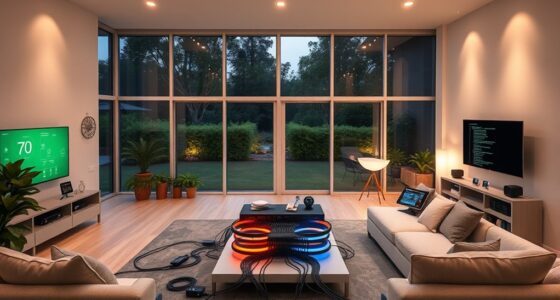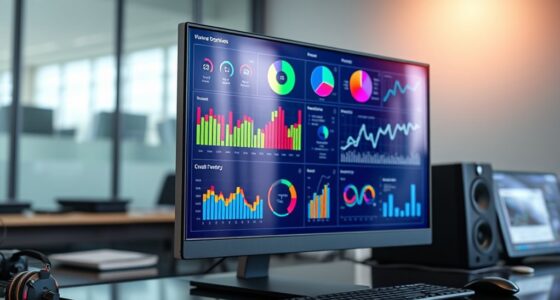
To build a home security dashboard you’ll actually check, focus on a simple, clean layout that groups related controls and displays all feeds in one view. Add visual alerts using colors and flashing icons to attract your attention quickly. Customize the interface to prioritize critical information and schedule regular checks like firmware updates and sensor cleanings. Keep testing and refining it to guarantee reliability—stick with these steps, and you’ll create a dashboard you’ll trust and use daily.
Key Takeaways
- Design a clean, simple layout with prioritized alerts for quick recognition of critical security issues.
- Incorporate customizable widgets and controls tailored to your specific security needs.
- Use clear icons, labels, and color coding to make information easily understandable at a glance.
- Include real-time feeds from cameras, sensors, and alarms for comprehensive monitoring.
- Regularly test and update the dashboard to ensure accuracy, responsiveness, and system reliability.

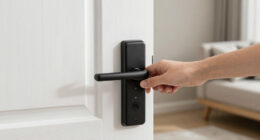
Philips Wi-Fi Door Lock, WiFi Smart Lock Keyless Entry Deadbolt for Front Door, Compatible with Alexa & Google Assistant, Remote Control, Built-in WiFi, APP Fingerprint Passcode Unlock, Auto Locking
𝐅𝐥𝐞𝐱𝐢𝐛𝐥𝐞 𝐖𝐚𝐲𝐬 𝐭𝐨 𝐔𝐧𝐥𝐨𝐜𝐤: Unlock the way you want: app, passcode, fingerprint, physical key, or voice via Alexa/Google...
As an affiliate, we earn on qualifying purchases.
What Features Should Your Home Security Dashboard Include?
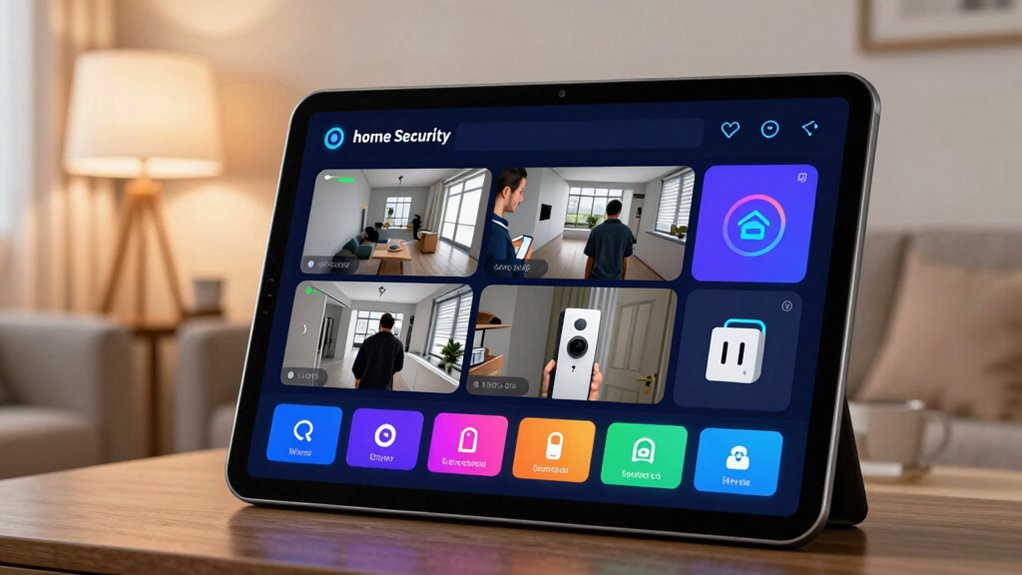
A well-designed home security dashboard should include key features that give you quick and easy access to your system’s status. Alarm integration is essential, allowing you to monitor and control all security devices from one platform. You want to see alerts, arm or disarm alarms, and respond swiftly to any issues. You should also consider security device management, which enables you to update firmware and troubleshoot problems remotely, reducing the need for manual intervention. Implementing trusted providers ensures your system remains reliable and secure over time. User customization is equally important, so you can tailor the dashboard to your needs—adding or removing widgets, setting preferences, and organizing controls in a way that makes sense to you. This flexibility ensures you’re not overwhelmed with unnecessary options. Prioritizing alarm integration and user-friendly design helps create a dashboard that’s both efficient and intuitive, making it easier for you to stay on top of your home security at a glance. Additionally, incorporating smart-home integrations can enhance automation and streamline your security management, especially when combined with real-time alerts.

REOLINK Smart 5MP 8CH Home Security Camera System, 4pcs Wired PoE IP Cameras Outdoor with Person/Pet/Vehicle Detection, 4K 8CH NVR with 2TB HDD for 24-7 Recording, RLK8-520D4-5MP
CAPTURE CRIME FROM DETAILS: Discover potential crime has never been so easier with superior 5MP HD. With advanced...
As an affiliate, we earn on qualifying purchases.
How to Design an Easy-to-Use Security Dashboard
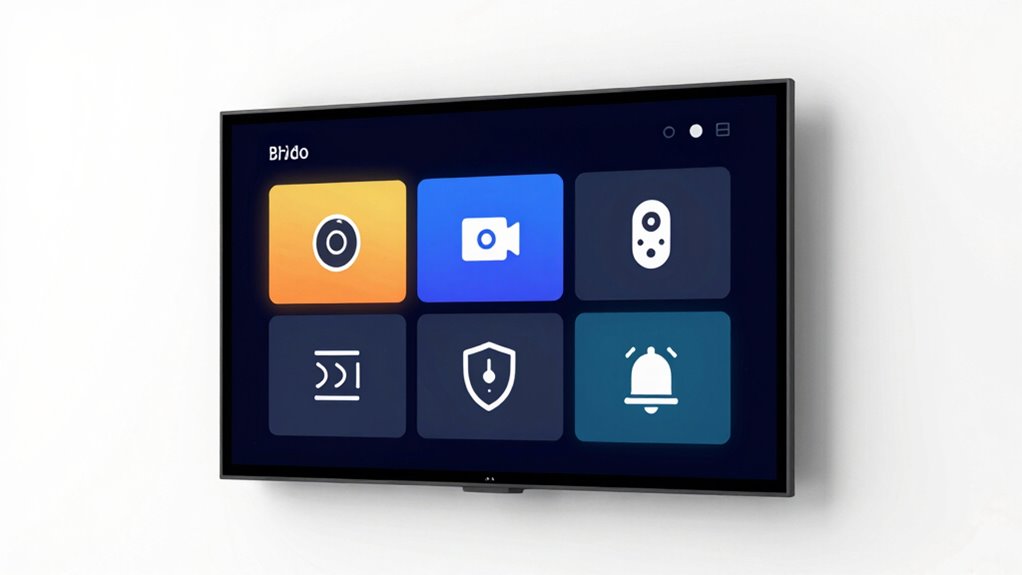
Designing an easy-to-use security dashboard starts with focusing on simplicity and clarity. Your user interface should prioritize clean layout and intuitive navigation, so you can quickly find what matters most. Avoid clutter by limiting options and grouping related controls logically. Data integration is key—combine feeds from cameras, sensors, and alarms seamlessly, so you get a holistic view at a glance. Use clear labels and consistent icons to help you interpret information instantly. Keep the design minimal but informative, emphasizing critical alerts without overwhelming you. Remember, the goal is to make monitoring effortless, so you’re encouraged to check your security dashboard regularly. An effective layout reduces frustration and enhances your confidence in managing your home security system. Incorporating free floating elements can also help you customize the dashboard to suit your specific needs and preferences. Additionally, leveraging user-centered design principles ensures that the interface remains accessible and tailored to your habits. Understanding contrast ratio helps in choosing visual elements that are easily distinguishable, improving overall readability and user experience. Incorporating adaptive interfaces can further enhance usability by adjusting to your device and environment, making your security management even more seamless. Paying attention to visual hierarchy helps prioritize important information, guiding your eye to the most critical alerts first.

Hiseeu 3K PTZ Wired Security Camera System Outdoor with Color Night Vision,Audio,8 x 5MP IP67 CCTV Cameras,5MP DVR 8CH,3TB HDD,360°Coverage,Person/Vehicle Detection,Alarm Spotlight,24/7 Recording
【360° Surveillance & Dual Control Security System】Flexibility 355° Pan + 90° Tilt Coverage - Eliminate blind spots with...
As an affiliate, we earn on qualifying purchases.
Add Visual Alerts to Keep You Engaged
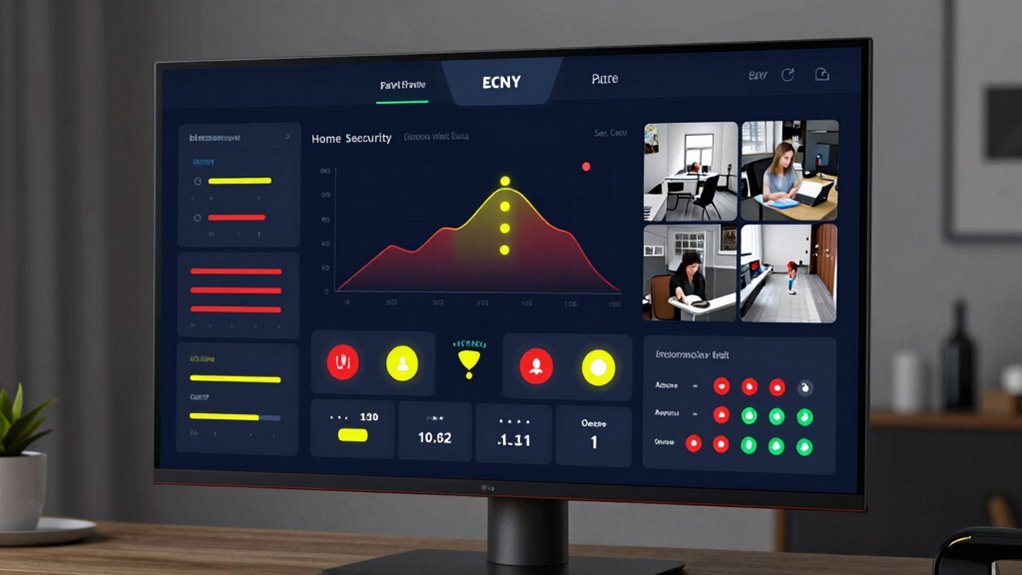
To keep you engaged and make certain you notice important updates, adding visual alerts to your security dashboard is essential. Visual cues, like flashing icons or color changes, draw your attention instantly to critical information. You can customize alerts based on the severity of the situation—green for normal, yellow for warnings, and red for emergencies—so you know exactly what needs your focus. Alert customization allows you to set thresholds for alerts, ensuring you’re not overwhelmed by minor notifications. Incorporating visual alerts makes it easier to identify issues at a glance, helping you respond quickly when it matters most. Proper network infrastructure understanding also helps ensure your security system remains reliable and responsive, preventing system outages that could leave you vulnerable. Additionally, understanding system reliability helps you maintain a consistent security presence and reduces false alarms.
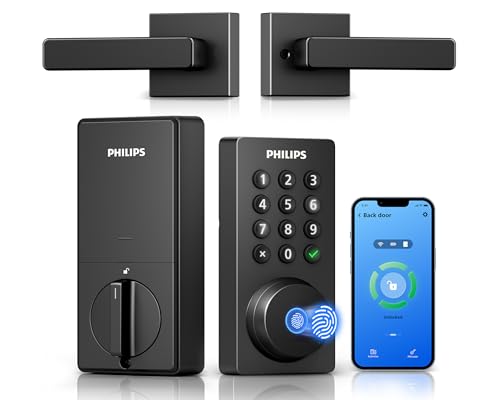
Philips WiFi Keypad Door Lock with Handle, Built-in WiFi, APP Remote Control, Voice & Fingerprint Unlock, Smart Locks for Front Door with Auto Lock, Digital Front Door Lock Set, Keyless Entry Deadbolt
Connect to 2.4GHz WiFi, No Hub Needed:Connect your Philips 4200 Series Wifi Door Lock Deadbolt directly to your...
As an affiliate, we earn on qualifying purchases.
Set Up Routine Checks and Maintenance
Incorporating visual alerts keeps you informed about issues as they arise, but maintaining your security system over time requires regular checks and upkeep. Establishing a routine maintenance schedule guarantees your system operates effectively and your security protocol remains solid. Consistently review and update your devices to prevent malfunctions or vulnerabilities. Here are some key steps to stay on top of maintenance:
Regular maintenance ensures your security system stays reliable and effective over time.
- Schedule monthly system tests to confirm functionality
- Clean sensors and cameras to ensure clear visibility
- Update firmware and security patches promptly
- Check batteries and replace them as needed
- Understand the importance of safe electrical wiring to prevent hazards and ensure system reliability. Using proper electrical wiring not only improves safety but also enhances the overall dependability of your security system. Following a regular maintenance schedule helps catch potential problems early, keeps your system reliable, and ensures you’re always protected. Staying proactive preserves your home security and peace of mind. Additionally, paying attention to modern technology integration can help optimize your system’s performance and ease of use. Regularly reviewing your system’s security settings can further enhance protection against emerging threats.
Test Your Dashboard and Make It Better
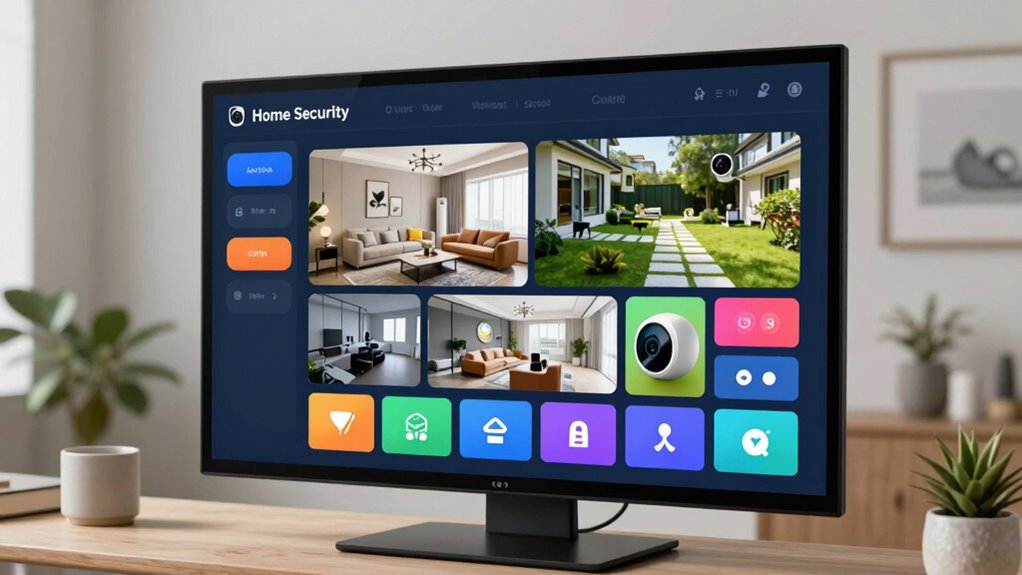
Regularly testing your dashboard is essential to make certain your home security system functions correctly and provides the information you need. During these tests, check that your security protocols are active and respond appropriately to simulated alerts. Use user customization options to tailor the dashboard display, ensuring critical data is front and center. Adjust settings to highlight security camera feeds, sensor statuses, and alarm controls, making it easier to spot issues quickly. Take note of any outdated or confusing information, and refine your layout accordingly. Incorporating craftsmanship fundamentals can help you better customize and optimize your dashboard for clarity and effectiveness, especially when you focus on interface design principles to enhance usability. Applying content clarity ensures the displayed information is clear and easy to interpret, making your security system more reliable. Regular maintenance routines, including checking for system updates, can help prevent glitches and extend the lifespan of your equipment. Additionally, applying system maintenance practices can prolong the lifespan of your security equipment and prevent unexpected failures.
Frequently Asked Questions
How Can I Customize Alerts for Different Security Events?
You can customize alerts for different security events by using alert customization features on your security dashboard. Set event-specific alerts by choosing triggers like motion detection, door entry, or camera activity. Adjust notification types and delivery methods to suit your preferences. This way, you stay informed about critical events without unnecessary alerts, ensuring you respond quickly to what matters most. Always review and update your alert settings regularly for ideal security.
What Privacy Considerations Should I Keep in Mind?
You should prioritize data encryption to protect your sensitive security information from unauthorized access. Implement robust access controls, like passwords and user permissions, to limit who can view or modify your dashboard. Regularly update your security settings and stay aware of potential vulnerabilities. These steps guarantee your privacy remains intact, giving you peace of mind that your home security data stays safe from cyber threats.
Can I Integrate the Dashboard With Existing Smart Home Devices?
Your dashboard can be seamlessly integrated with your existing smart home devices, creating a symphony of automation routines that feel like magic. Most modern systems support popular smart device compatibility, making it easy to connect cameras, locks, and sensors. Just verify your devices are compatible and use unified platforms or APIs. This way, your dashboard becomes the command center, effortlessly managing your smart home and keeping everything running smoothly.
How Do I Ensure My Dashboard Remains Secure From Cyber Threats?
To keep your dashboard secure, you should implement strong encryption protocols to protect data transmission and storage. Use robust user authentication methods, like two-factor authentication, to verify your identity before access. Regularly update your software to patch vulnerabilities, and monitor activity logs for suspicious behavior. By combining encryption and user authentication, you create a secure environment that guards against cyber threats and keeps your home security information safe.
What Is the Recommended Frequency for Routine System Checkups?
You should perform routine system checkups at least once a month. Studies show that regular maintenance reduces security breaches by 30%. Follow a consistent maintenance schedule, including system calibration, to guarantee your dashboard functions correctly. Regular checks help identify vulnerabilities early, keeping your system reliable and secure. By staying proactive, you’ll minimize risks and maintain peace of mind, knowing your home security dashboard is always optimized and ready to protect.
Conclusion
A well-designed home security dashboard keeps you engaged and confident in your safety. Did you know that homes with integrated security systems see a 15% decrease in burglaries? By customizing features, adding visual alerts, and scheduling routine checks, you’re creating a proactive defense. Regular testing guarantees everything works seamlessly. Stay vigilant and make your dashboard an essential tool—you’ll be more prepared and reassured, giving you peace of mind every day.