Clear device naming in your smart security setup helps you quickly identify and manage each device, reducing confusion during routine checks or emergencies. It prevents mix-ups and guarantees you control the right devices at the right time. Well-planned labels reflect each device’s location and purpose, making troubleshooting easier and system responses faster. Small naming details improve reliability and peace of mind. Keep exploring to discover how effective naming can truly enhance your home security system.
Key Takeaways
- Clear device names prevent confusion, ensuring quick identification during security checks or emergencies.
- Descriptive labels clarify each device’s purpose and location, improving system organization.
- Consistent naming schemes reduce errors and enhance overall system reliability.
- Custom names reflect household terminology, making device management intuitive.
- Proper naming streamlines troubleshooting and enhances user understanding of the security setup.
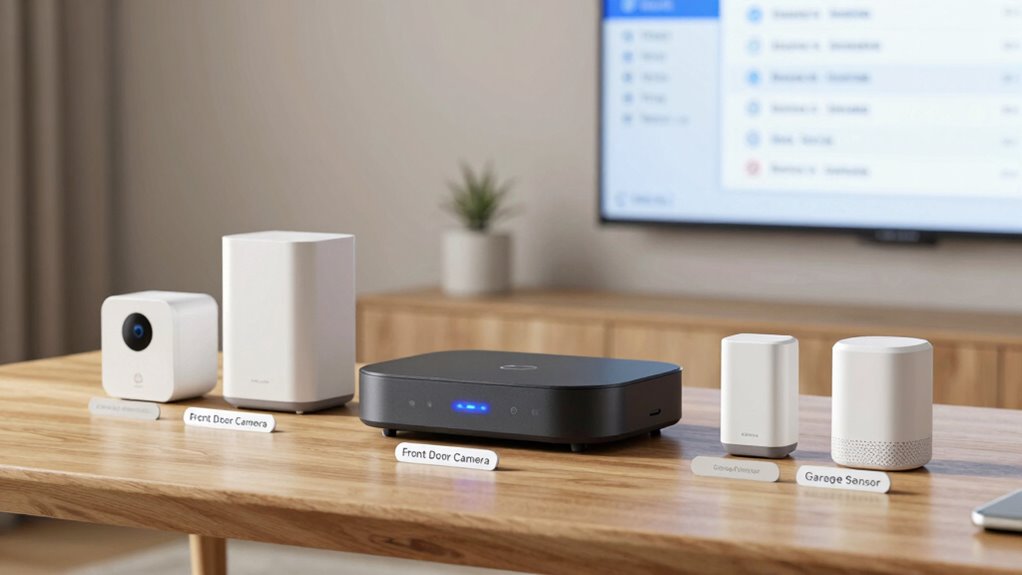
Have you ever wondered how to keep your smart security devices organized and easily manageable? One of the simplest yet most effective ways is through thoughtful device naming. When you assign clear, logical names to each device, you eliminate confusion and streamline your security management. This approach becomes especially important as your setup grows, with multiple cameras, sensors, and alarms. Proper naming helps you quickly identify which device is which, saving you time during routine checks or emergency responses.
Device compatibility is a key factor to contemplate when naming your devices. Not all devices work seamlessly together, and some may have similar functions or locations. Distinct, descriptive names prevent mix-ups, ensuring you’re always aware of what’s active or inactive. For example, naming a device “Front Door Camera” instead of just “Camera 1” clarifies its purpose and location. When devices are clearly labeled, you avoid accidentally controlling the wrong device or overlooking a critical security point. Compatibility issues can sometimes cause devices to behave unpredictably if you’re unsure which device is which, so precise naming reinforces the reliability of your system. Paying attention to device naming conventions can further enhance your system’s efficiency and reliability. Additionally, understanding system interoperability can help prevent conflicts and maximize your setup’s effectiveness.
Clear, descriptive device names prevent mix-ups and ensure reliable security system operation.
User customization plays a significant role in how you organize your smart security setup. Most platforms allow you to tailor names to suit your preferences and home layout, making management more intuitive. You might prefer names that reflect specific rooms, like “Living Room Motion Sensor,” or use custom labels that match your household terminology. Personalizing device names not only helps you keep track of everything but also makes interactions with your system smoother. When you customize names to fit your routine, you’ll find it easier to issue commands, review footage, or troubleshoot issues. Clear, meaningful labels also make it easier for others in your household to understand and use the system without confusion. Being aware of naming best practices ensures you create a consistent and effective system that’s easy to navigate. Incorporating standardized naming schemes can further improve overall system clarity and functionality. Understanding device naming best practices can help you achieve a more streamlined setup.
In the end, effective device naming combines clarity, functionality, and personalization. It’s not just about keeping things tidy; it’s about creating a smart security setup that works seamlessly for you. By paying attention to device compatibility and taking advantage of user customization options, you guarantee that managing your security system becomes a straightforward, stress-free task. Well-named devices help you respond faster during emergencies and maintain peace of mind, knowing that every component of your security setup is precisely identified and easily accessible. Proper naming isn’t just a small detail — it’s a crucial step toward a smarter, more reliable security system.
As an affiliate, we earn on qualifying purchases.
Frequently Asked Questions
How Often Should I Update Device Names in My Setup?
You should update device names whenever you add new devices or notice confusion in your network. Regularly reviewing and refining device labeling helps maintain clear network organization, making it easier to manage and troubleshoot. If devices change locations or functions, update their names promptly. Doing this keeps your setup organized, minimizes security risks, and guarantees you always know which device is which, ultimately improving your smart security system’s effectiveness.
Can Device Names Affect Security or Privacy?
Your device names can dramatically impact your security and privacy—think of them as the first line of defense or the biggest open book to hackers. Using clear or predictable naming conventions can compromise your device anonymity, making it easier for intruders to target specific gadgets. By choosing obscure, non-descriptive names, you safeguard your setup, keeping prying eyes from identifying and exploiting your devices.
Should I Use Generic or Specific Names for Devices?
You should use specific device names that follow clear naming conventions aligned with your preferences. This helps you quickly identify devices, especially during troubleshooting or security checks. While generic names might seem simple, they can hinder user customization preferences by making it harder to distinguish devices. Opt for descriptive, consistent device naming conventions to enhance both security management and your overall user experience, ensuring you’re always aware of what’s connected.
How Do I Change Device Names Across Multiple Platforms?
You can change device names across multiple platforms by diving into each device’s settings or app. Start with platform synchronization—most security apps allow you to edit device names directly, which then update across connected platforms. But beware—some systems may require manual updates or have different naming conventions. Keep your device names consistent to avoid confusion and guarantee seamless management. Stay vigilant, and your smart security setup will stay synchronized effortlessly.
Are There Best Practices for Naming Devices in Shared Networks?
Yes, there are best practices for naming devices in shared networks. You should use clear, consistent device naming conventions that include details like device type, location, or user. This makes network management strategies more efficient and helps prevent confusion. Always keep names simple, avoid special characters, and update them regularly to reflect changes. Proper naming improves security, troubleshooting, and overall network organization, especially in collaborative environments.
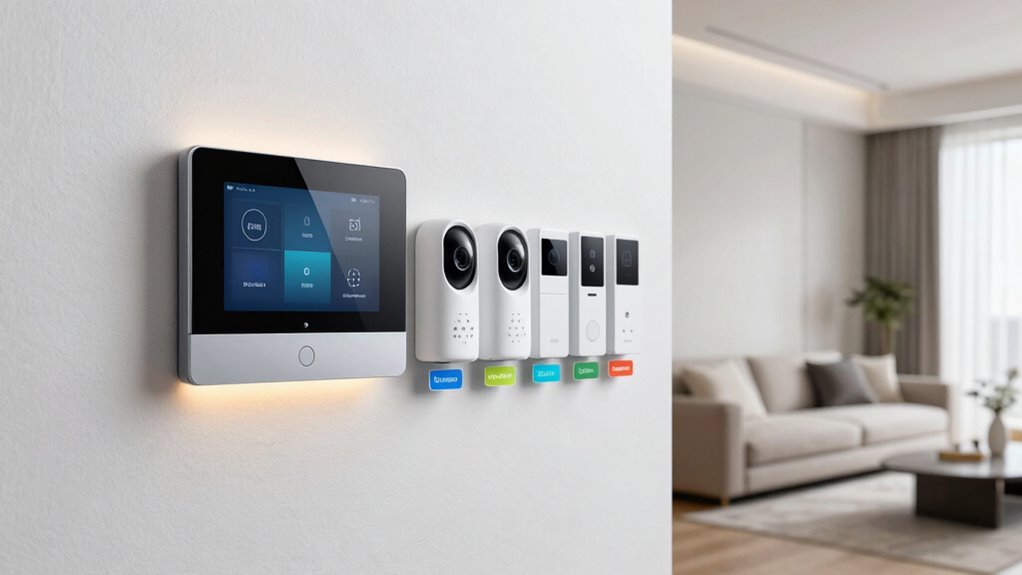
home security camera naming tags
As an affiliate, we earn on qualifying purchases.
As an affiliate, we earn on qualifying purchases.
Conclusion
By now, you realize that proper device naming isn’t just a small detail — it can be the difference between catching a security breach in seconds or missing it entirely. Clear, descriptive names help you stay organized and respond swiftly, preventing chaos from turning into catastrophe. If your device labels are a mess, your smart security system risks becoming as confusing as a maze. Name your devices wisely, and turn your setup into an unstoppable fortress of safety!
smart home device management tools
As an affiliate, we earn on qualifying purchases.
As an affiliate, we earn on qualifying purchases.
security system organization accessories
As an affiliate, we earn on qualifying purchases.
As an affiliate, we earn on qualifying purchases.