
TL;DR

Get privacy and security gear delivered free with Prime
- Fast, free delivery on millions of items
- Prime Video, Amazon Music and more included
- Member-only deals all year
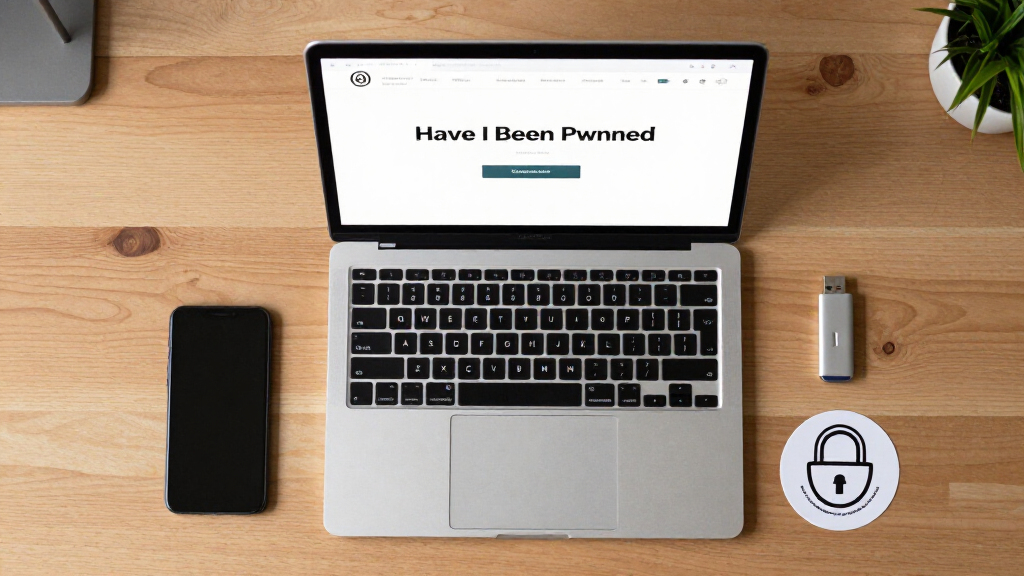
The Nepalese government has been officially integrated into the ‘Have I Been Pwned’ data breach platform. This move aims to improve cybersecurity awareness and transparency. Details on the process and implications are still emerging.
The Nepalese government has officially been welcomed into the ‘Have I Been Pwned’ platform, a widely used data breach database. This integration allows public verification of whether government-related email addresses or domains have been compromised, marking a significant step in transparency and cybersecurity efforts for Nepal.
According to the ‘Have I Been Pwned’ team, Nepal’s government email domains and associated accounts are now included in the platform’s database, enabling users to check if their government email addresses have been involved in known data breaches. The move was announced by the platform’s founder, Troy Hunt, who stated that Nepal’s inclusion was part of ongoing efforts to expand global cybersecurity transparency.
Officials from Nepal’s Ministry of Communications confirmed the integration, emphasizing its importance in raising awareness about cybersecurity threats facing government institutions. They stated that the move aligns with Nepal’s broader digital security initiatives and aims to foster greater accountability.
While the inclusion of Nepal’s government data is confirmed, details about the scope of the data, such as the number of affected accounts or breaches, have not been publicly disclosed. Experts note that this step could serve as a model for other governments seeking to improve transparency about data breaches involving public sector systems.
Implications for Nepalese Cybersecurity Transparency
This development is significant because it enhances public access to information about potential data breaches involving Nepal’s government. By integrating with ‘Have I Been Pwned,’ Nepal demonstrates a commitment to transparency and proactive cybersecurity measures, which can help build public trust and encourage better security practices within government agencies.
For citizens and organizations in Nepal, this means easier verification of whether their government-related accounts have been compromised, potentially reducing the impact of cyberattacks. It also signals Nepal’s intention to align with international best practices in cybersecurity and data privacy.
cybersecurity awareness training courses
As an affiliate, we earn on qualifying purchases.
As an affiliate, we earn on qualifying purchases.
Nepal’s Growing Focus on Digital Security Measures
Nepal has been increasingly investing in digital infrastructure and cybersecurity over the past few years, driven by the rise in cyber threats and the need to protect sensitive government data. In 2022, the government launched a national cybersecurity strategy, emphasizing awareness, capacity building, and incident response.
The inclusion in ‘Have I Been Pwned’ is a recent step in this ongoing effort, following other initiatives such as the establishment of a National Cybersecurity Center and partnerships with international cybersecurity agencies. Prior to this, Nepal’s government had limited public visibility regarding data breach incidents involving its systems.
The move aligns with global trends of governments adopting transparency tools to improve public trust and cybersecurity resilience.
“Nepal’s inclusion in our database reflects their commitment to transparency and cybersecurity awareness. We welcome their participation as part of our global effort to inform the public about data breaches.”
— Troy Hunt, founder of ‘Have I Been Pwned’
home cybersecurity monitoring tools
As an affiliate, we earn on qualifying purchases.
As an affiliate, we earn on qualifying purchases.
Details of Data Scope and Future Updates Unclear
It is not yet clear how many government accounts or breaches are included in the database or whether all government domains have been integrated. The Nepalese government has not publicly disclosed specific details about the scope or the timeline for further updates. It remains uncertain how this move will impact ongoing cybersecurity incident management or whether similar steps are planned for other sectors.
As an affiliate, we earn on qualifying purchases.
Monitoring of Data Breach Reports and Broader Adoption
Next steps include monitoring how the Nepalese government’s inclusion influences public awareness and cybersecurity practices. Officials may issue further updates on the scope and effectiveness of this integration. Additionally, other governments and institutions might consider following Nepal’s example, expanding transparency efforts through platforms like ‘Have I Been Pwned.’
Cybersecurity experts will also watch for any new breach disclosures involving Nepal’s government and assess how this move affects national cybersecurity resilience.
government cybersecurity protection devices
As an affiliate, we earn on qualifying purchases.
As an affiliate, we earn on qualifying purchases.
Key Questions
What does being part of ‘Have I Been Pwned’ mean for Nepal’s government?
It allows public verification of whether government email accounts or domains have been involved in known data breaches, promoting transparency and awareness.
Are all Nepalese government systems included in this database?
It is not yet confirmed whether all government systems or email domains are included. Details about the scope are still emerging.
How will this impact cybersecurity in Nepal?
This move aims to increase transparency, help identify breaches more quickly, and encourage better security practices within government agencies.
Yes, through the ‘Have I Been Pwned’ platform, individuals can check if their government email addresses are involved in known breaches.
Will other countries follow Nepal’s example?
It’s possible, as this move aligns with global trends toward transparency and proactive cybersecurity measures. Monitoring of international responses is ongoing.
Source: hn
Columbus Day / Indigenous Peoples' Day Picks
long weekend sales
As an affiliate, we earn on qualifying purchases.