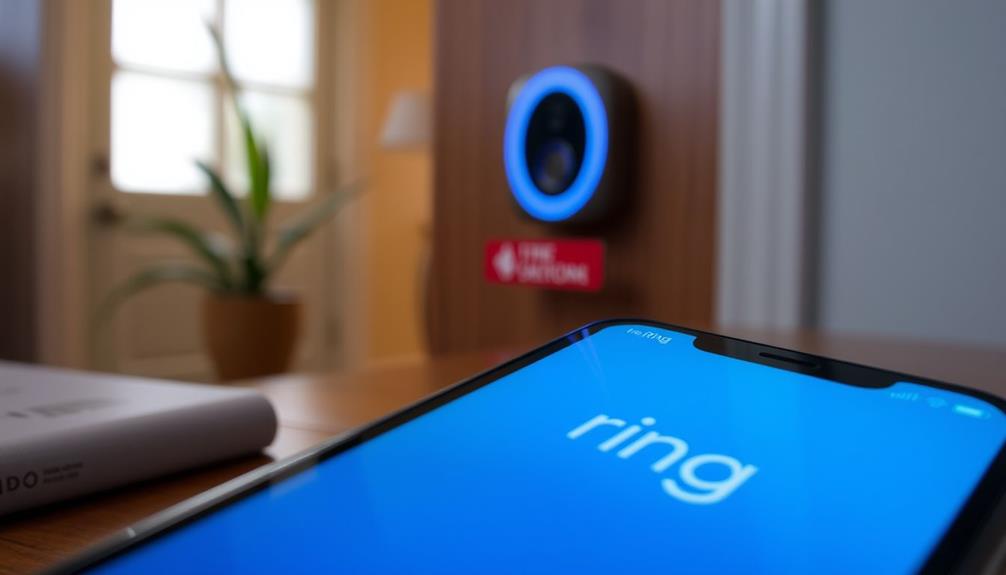
You might not realize that securing your Ring devices requires more than just setting them up. Weak account hygiene, like using simple passwords or ignoring security updates, makes you vulnerable to hacking, privacy breaches, and losing control over your footage. Hackers can access your live feeds or manipulate your devices, putting your privacy at risk. If you want to better protect your home and personal moments, understanding how to strengthen your account security is essential—and there’s more to uncover on this vital topic.
Key Takeaways
- Weak account hygiene can lead to hacking, exposing private video footage and compromising home security.
- Hackers often target insecure Ring accounts to gain control over devices and access sensitive information.
- Poor password practices increase vulnerability, risking unauthorized viewing and manipulation of connected devices.
- Regular monitoring and updates are essential to detect suspicious activity and prevent security breaches.
- Stronger account hygiene safeguards user privacy, preventing unauthorized access and protecting the entire smart home ecosystem.

As smart home devices become more common, it’s vital to recognize that Ring devices are only as secure as the accounts protecting them. Many users assume that simply installing the app and connecting their devices is enough, but in reality, your account security plays an indispensable role in safeguarding your entire smart home ecosystem. If your account isn’t protected with strong, unique passwords and proper security measures, your Ring devices could become vulnerable to hacking or unauthorized access. This isn’t just about losing control of your camera feeds; it’s about protecting your privacy and the integrity of your smart home integration.
Secure your Ring devices with strong passwords and two-factor authentication to protect your privacy and smart home.
When you consider user privacy concerns, it’s clear that weak account hygiene can have serious repercussions. Hackers often target insecure accounts to access video footage, manipulate devices, or even use your account as a springboard into other connected services. Your Ring devices, which often sit in private spaces like doorways or bedrooms, contain sensitive footage that you wouldn’t want falling into the wrong hands. A compromised account can lead to privacy breaches, exposing your routines, home layouts, or personal activities. That’s why you need to treat your account security as a top priority, not an afterthought.
Implementing strong account hygiene means more than just creating a password. You should enable two-factor authentication on your Ring account, which adds an extra layer of security beyond just a password. Avoid reusing passwords from other sites, especially those that have been compromised in data breaches. Regularly updating your login credentials and monitoring account activity for suspicious signs is also vital. Additionally, be cautious with third-party integrations—only connect trusted apps or services to your Ring account, and review permissions periodically to guarantee no unnecessary access is granted. Account security is a crucial component of a resilient smart home setup. Being aware of common security vulnerabilities can help you identify and mitigate potential threats proactively. Strengthening your overall cybersecurity practices, including securing connected devices, further enhances your defenses.
Furthermore, understanding the importance of strong passwords can significantly enhance your overall security posture. Proper account hygiene reduces the risk of unauthorized access, giving you peace of mind that your devices are secure. It also helps mitigate user privacy concerns by ensuring that only authorized individuals can view or control your devices. Remember, your Ring devices are a window into your home, and maintaining strong account hygiene protects your private moments from prying eyes. Understanding the importance of account security is crucial in today’s interconnected world. Being proactive about account security isn’t just recommended; it’s vital. Protecting your Ring devices with robust account hygiene safeguards your privacy, strengthens your smart home setup, and keeps unwanted visitors out of your digital sanctuary.
Ring account security keychain
As an affiliate, we earn on qualifying purchases.
As an affiliate, we earn on qualifying purchases.
Frequently Asked Questions
Can a Compromised Ring Account Lead to Physical Security Breaches?
Yes, a compromised Ring account can lead to physical security breaches. If someone gains access, they might disable cameras or view live footage, risking your privacy and safety. That’s why camera privacy is essential, and you should stay alert to signs of unauthorized access. Improving user awareness about account security helps prevent breaches, ensuring your devices protect rather than endanger your home and loved ones.
How Often Should I Update My Ring Account Password?
You should update your Ring account password at least every three to six months to maintain security. Make sure your passwords are complex, combining uppercase and lowercase letters, numbers, and symbols. Regular updates help prevent unauthorized access, especially if you suspect a breach. Also, use your account recovery options wisely, so if you forget your password, you can regain access without compromising your security. Staying vigilant keeps your devices safer.
Are There Specific Security Settings I Should Enable on Ring Devices?
You should enable security settings like two-factor authentication and review user permissions regularly. Keep your device firmware updated to patch security vulnerabilities. Limit access to trusted users only and remove any unnecessary permissions. Regularly check your account activity for suspicious activity. These steps help protect your Ring devices from unauthorized access and guarantee your privacy is maintained. Strong security settings are essential for safeguarding your smart home.
What Are the Common Signs of a Hacked Ring Account?
Beware of bewildering signs indicating your Ring account’s been breached. You might notice unfamiliar device activity, odd alerts, or unexpected account access. If you can’t access your account through regular means, account recovery options may be compromised. Phishing scams often lure you into revealing passwords, so stay skeptical. Regularly update passwords, enable two-factor authentication, and monitor your account activity to prevent and detect potential hacks early.
Does Ring Offer Multi-Factor Authentication Options?
Yes, Ring offers multi-factor authentication options to help protect your account. This feature adds an extra layer of security beyond just a password, making it harder for unauthorized users to access your device. To maximize security, you should also understand encryption protocols and stay informed through user education about potential threats. These steps help you keep your Ring devices safe and guarantee your personal data remains protected.
two-factor authentication device for Ring
As an affiliate, we earn on qualifying purchases.
As an affiliate, we earn on qualifying purchases.
Conclusion
You might think your Ring device is secure enough, but neglecting strong account hygiene opens the door to potential breaches. Are you willing to risk your privacy and safety over simple oversights? Strengthening your passwords, enabling two-factor authentication, and regularly reviewing account activity aren’t just best practices—they’re essential. Don’t wait until it’s too late. In today’s connected world, safeguarding your Ring account isn’t optional; it’s a necessity.
strong password manager for smart home devices
As an affiliate, we earn on qualifying purchases.
As an affiliate, we earn on qualifying purchases.

3D Printed Adjustable Flip Privacy Lens Cover – Compatible with Ring, Blink, Eufy, Tapo Cameras, Self-Adhesive Sticker, Adjustable Length, Flip Open/Close for Webcam & Home Security Camera
【Universal Compatibility & Strong Adhesive Mount】Works perfectly with Ring, Blink, Eufy, Tapo, and most other home security cameras….
As an affiliate, we earn on qualifying purchases.
As an affiliate, we earn on qualifying purchases.