
To handle power outages effectively, use a combination of UPS systems and generators. A UPS provides immediate backup power for essential devices, giving you time to switch to the generator if needed. Generators can support longer outages and larger appliances, ensuring your safety and comfort. Regularly test and maintain both systems to guarantee they’ll work when you need them most. Keep exploring for more tips on designing a reliable backup plan tailored to your needs.
Key Takeaways
- Use UPS systems for immediate backup during short outages and to protect sensitive electronics.
- Deploy generators for extended power needs and larger appliances during prolonged outages.
- Regularly test and maintain backup systems to ensure reliable operation when needed.
- Develop a comprehensive emergency plan that includes accessible contact info, backup locations, and power switching procedures.
- Combine UPS and generator solutions for seamless, layered power support and enhanced emergency preparedness.

Have you ever experienced a sudden power outage and wondered what to do next? It’s a jarring moment that can disrupt your day or even threaten your safety. That’s where understanding battery backup systems and emergency preparedness becomes essential. When the lights go out unexpectedly, a reliable battery backup can be your best friend. It provides immediate power to essential devices, giving you a buffer until more thorough solutions like generators kick in. This small but indispensable piece of equipment ensures that your communication devices stay operational, your security systems remain active, and your perishables don’t spoil. Having a battery backup on hand is a smart step towards being prepared for unexpected outages, especially if you or someone in your household relies on medical devices or has important work to do.
A battery backup keeps essential devices running during power outages, ensuring safety and communication.
Emergency preparedness isn’t just about having a flashlight and some bottled water; it involves planning for various scenarios, including power failures. The first thing you should do is create a plan that identifies critical devices that need power during an outage. Think about your phone chargers, medical equipment, refrigeration, and heating or cooling systems. Once you know what needs to stay active, you can invest in the right battery backup units or generators. These tools allow you to maintain function and safety without panicking when the power goes out. Keep important contact numbers, emergency kits, and backup power sources in a designated, accessible spot so you can act quickly. Regularly testing your backup systems ensures they’ll work when you need them most. Additionally, understanding power outage preparedness and the capabilities of your backup solutions can make all the difference in remaining calm and safe during an emergency.
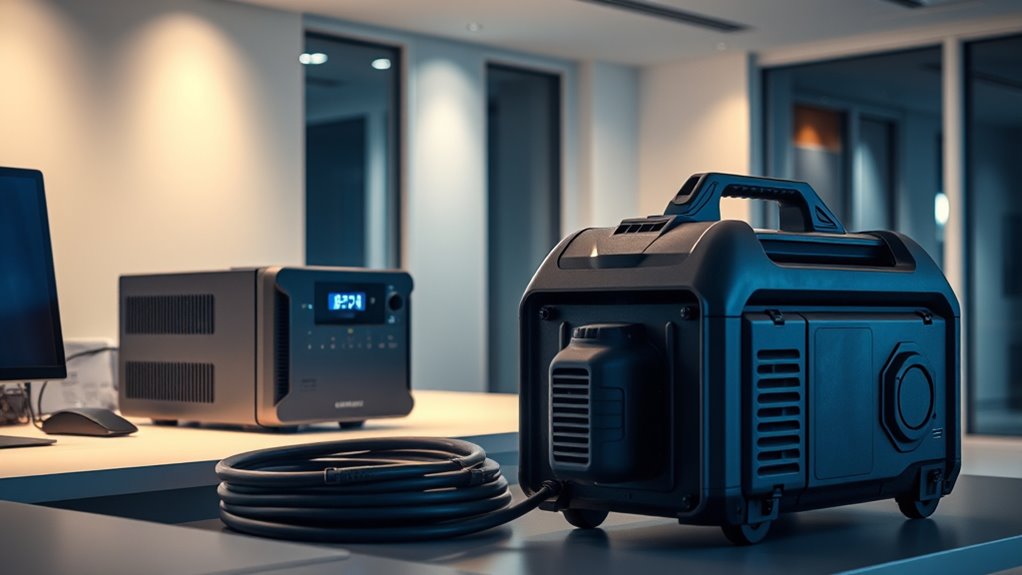
A generator is another indispensable component of emergency preparedness, especially for prolonged outages. It provides a scalable power source that can run larger appliances and multiple devices simultaneously. But it’s important to operate and maintain your generator properly, following safety guidelines to prevent accidents or carbon monoxide poisoning. Combining a generator with a battery backup system can give you seamless coverage; the battery backup handles brief outages or the initial moments of a blackout, while the generator takes over for longer periods. This layered approach minimizes disruption and keeps your household or business running smoothly.
In the end, being proactive means investing in the right equipment and having a clear plan. Whether it’s a battery backup for immediate response or a generator for sustained power, each component plays a key role in your emergency preparedness. Power outages are unpredictable, but with the right tools and mindset, you can face them confidently, minimizing stress and protecting what matters most.
Frequently Asked Questions
How Often Should UPS Batteries Be Replaced?
You should replace UPS batteries every 3 to 5 years, depending on their battery lifespan and usage. Regularly check for signs of wear, like reduced runtime or difficulty holding a charge, which indicate it’s time for a replacement. Maintaining a consistent replacement frequency helps ensure your UPS provides reliable backup power during outages. Don’t wait until failure—timely replacement keeps your system protected and prevents unexpected downtime.
Can Generators Power All Household Appliances Simultaneously?
Generators can power all your household appliances simultaneously if their capacity matches your total power needs. You need to check your generator’s capacity and verify it’s compatible with your appliances’ wattage. Larger generators handle more appliances at once, but smaller ones may only support essential devices. Always prioritize critical appliances and avoid overloads to prevent damage, guaranteeing your generator effectively sustains your household during outages.
What Maintenance Is Required for Backup Generators?
Think of your backup generator as your trusty steed—regular care keeps it running smoothly. You should follow a maintenance schedule that includes changing oil, replacing filters, and inspecting sparks and belts. Regular testing is essential to guarantee it’s ready when needed, which prolongs the generator lifespan. Skipping maintenance shortens its life and risks failure during an outage, so stay diligent and keep your backup system reliable.
How Do I Choose the Right Capacity UPS for My Needs?
To choose the right capacity UPS, you need to perform a load calculation to determine your total power needs. Consider your equipment’s battery capacity and how long you want the UPS to support your devices during an outage. Add up the wattage of all devices, then select a UPS with a capacity that exceeds this total, ensuring reliable backup without overloading the system.
Are There Eco-Friendly or Solar-Powered Backup Options Available?
Yes, eco-friendly solutions like solar backup options are available for your power needs. You can choose solar-powered UPS systems or integrate solar panels with your existing backup setup. These options harness renewable energy, reducing your carbon footprint while ensuring your devices stay powered during outages. Eco-friendly solutions are becoming more efficient and affordable, making them a smart choice for sustainable energy management.
Conclusion
When the lights go out, your backup solutions become your lifeline—like a sturdy anchor in a storm. A UPS keeps your devices powered, offering calm amid chaos, while a generator ignites hope, restoring full functionality. Together, they transform darkness into a manageable moment, turning frustration into relief. With these tools, you’re not just surviving a power outage; you’re confidently steering through it, knowing you’re prepared for whatever outage might come next.