Glass-break sensors detect breaking glass by sensing the sound waves and vibrations produced when glass shatters. They use microphones to listen for unique breaking sounds and impact sensors to detect vibrations. Combining both technologies improves accuracy and reduces false alarms. Proper installation and regular maintenance are key for peak performance. If you want to understand how these sensors identify real threats amid environmental noise, you’ll find more details below.
Key Takeaways
- Glass-break sensors detect specific sound patterns and vibrations caused by breaking glass to trigger security alerts.
- They use acoustic microphones, vibration sensors, or a combination of both for more accurate detection.
- Sound waves from breaking glass travel through air as distinctive signals analyzed by pattern recognition algorithms.
- Vibration sensors identify impact vibrations, providing reliable detection even if sound signals are muffled.
- Proper calibration, sensor placement, and environmental noise filtering are essential for accurate and false alarm-free operation.
The Basics of Glass-Break Sensors
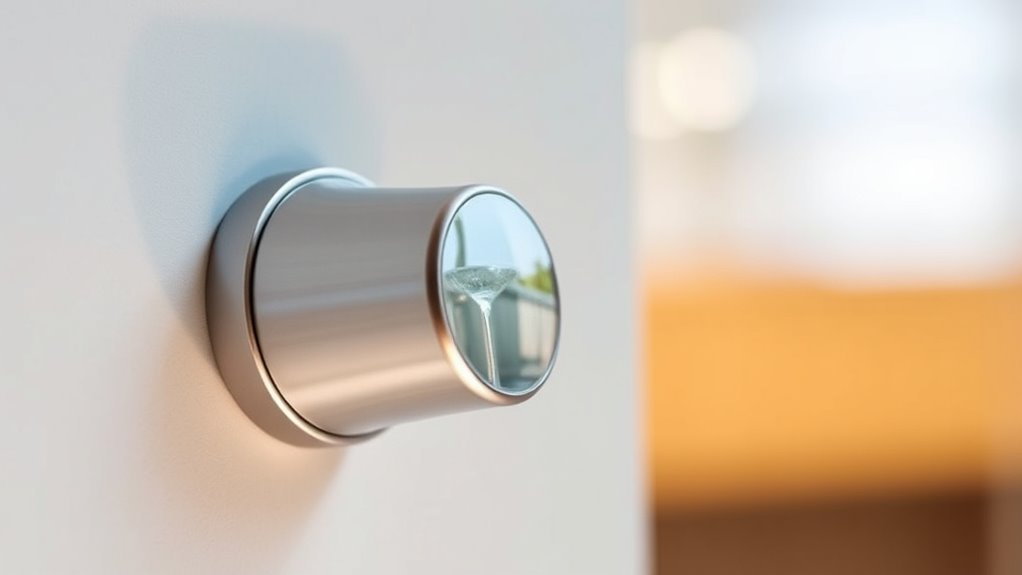
Glass-break sensors are devices designed to detect the sound or vibration of breaking glass, alerting you to potential intrusions. To understand how they work, it helps to know about historical glass types and manufacturing processes. Early glass types, like window glass made through traditional methods, were thicker and more brittle, producing distinct breaking sounds. Modern glass manufacturing processes, such as float glass production, create thinner, more uniform panes that break differently. These differences influence sensor sensitivity. The sensors analyze sound waves or vibrations, recognizing specific patterns associated with glass breaking. By understanding the properties of various glass types and how they’re made, these sensors can more accurately distinguish between accidental impacts and forced break-ins, providing reliable security in different environments. Recognizing the differences in glass can help improve the effectiveness of the sensors.
How Sound Waves Are Transmitted When Glass Breaks
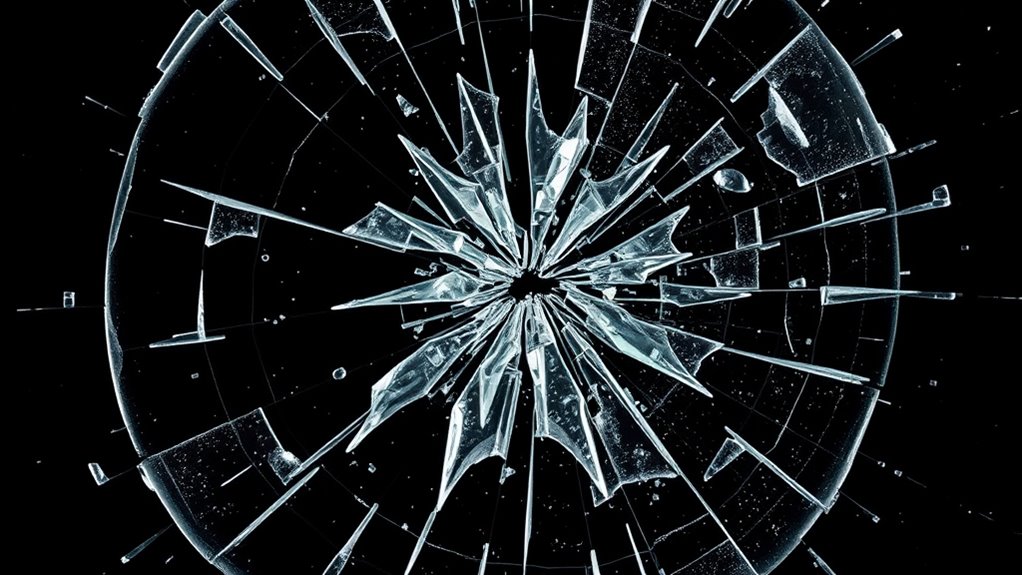
When glass breaks, it creates sound waves that ripple through the air. These waves travel outward, carrying energy from the point of impact. Sensors pick up these vibrations, alerting you to a potential break-in. Advances in automation technology have improved the sensitivity and reliability of these sensors, making them more effective at detecting even subtle glass vibrations.
Sound Wave Generation
Have you ever wondered how the sudden shattering of glass sends out sound waves that alert security systems? When glass breaks, it generates sound waves through a process called sound wave generation. This happens because the impact causes the glass to vibrate rapidly. These vibrations produce acoustic resonance, amplifying certain frequencies. As the glass resonates, it creates a distinct sound pattern that sensors can detect. The sharp vibrations send out a burst of sound energy into the environment, which then propagates as sound waves. These waves carry the signature of the breaking glass, allowing sensors to identify the event quickly. Understanding this process helps explain how glass-break sensors effectively detect breakage based on the unique acoustic resonance produced during a break. Additionally, the material properties of the glass influence how efficiently these vibrations are transmitted and detected.
Transmission Through Air
As the glass vibrates and produces sound waves, these waves travel through the surrounding air to reach sensors or microphones. The sound waves carry the energy generated by the break, dispersing outward in all directions. In wireless communication systems, these sound signals are detected by sensors that are strategically calibrated to recognize specific glass-breaking frequencies. Proper sensor calibration ensures accurate detection by filtering out background noise and focusing on the distinctive sound patterns of glass breaking. Once the sound waves reach the sensor, they are converted into electrical signals for further analysis. This transmission process relies on the natural propagation of sound through air, making timely and reliable detection possible when the system is correctly calibrated and positioned. Additionally, advances in AI have enhanced the ability of sensors to distinguish glass-breaking sounds from other noises, increasing detection accuracy.
Detection by Sensors
Upon glass breaking, sound waves are immediately generated and travel through the surrounding air toward sensors. These sensors detect the specific acoustic patterns associated with glass breakage, such as the sharp, distinctive noise. As the sound waves reach the sensors, they analyze the audio signals for characteristic frequencies and amplitudes. Additionally, size restrictions imposed by local building codes can influence the placement and design of sensor systems to ensure optimal coverage. However, privacy concerns arise because these sensors can pick up sounds beyond glass breaking, potentially capturing conversations or other private noises. Legal regulations often govern how sensor data is stored and used to protect individuals’ privacy rights. This means sensor installation and operation must adhere to strict standards to ensure lawful surveillance while maintaining effective security. Understanding how sound waves transmit and are detected helps you appreciate both the technology’s benefits and its regulatory boundaries.
Types of Glass-Break Detection Technologies
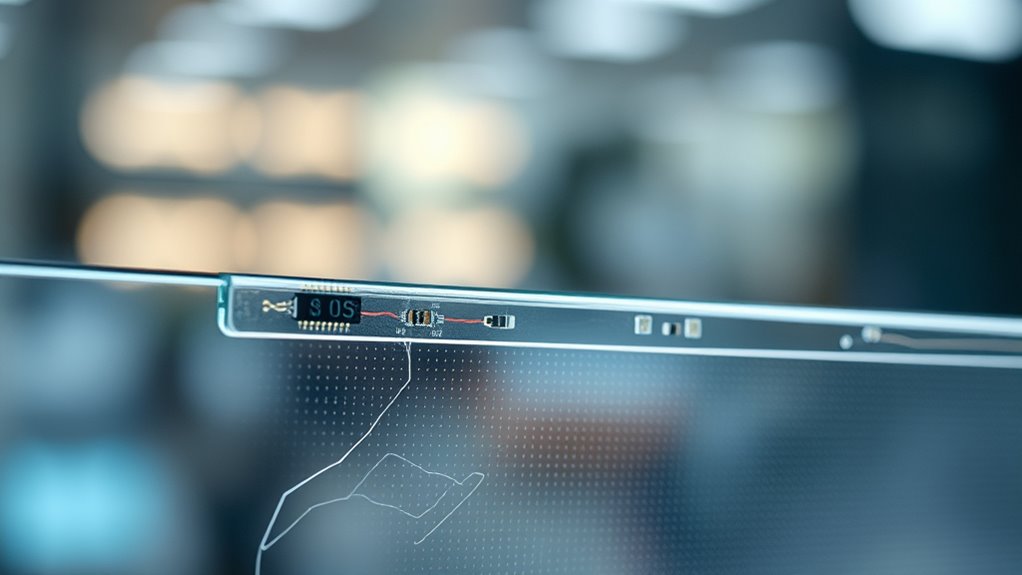
There are several types of glass-break detection technologies, each employing different methods to identify the sound or impact of shattered glass. Some detect the specific acoustic signature, while others sense physical impacts or vibrations. These technologies enhance glass safety and complement window reinforcement strategies.
| Technology Type | How It Works |
|---|---|
| Acoustic Detection | Listens for the distinctive sound of glass breaking. |
| Vibration Sensors | Detects vibrations caused by impact or shattering. |
| Impact Sensors | Senses direct physical impact on the glass. |
Acoustic Detection: Listening for the Shattering Sound
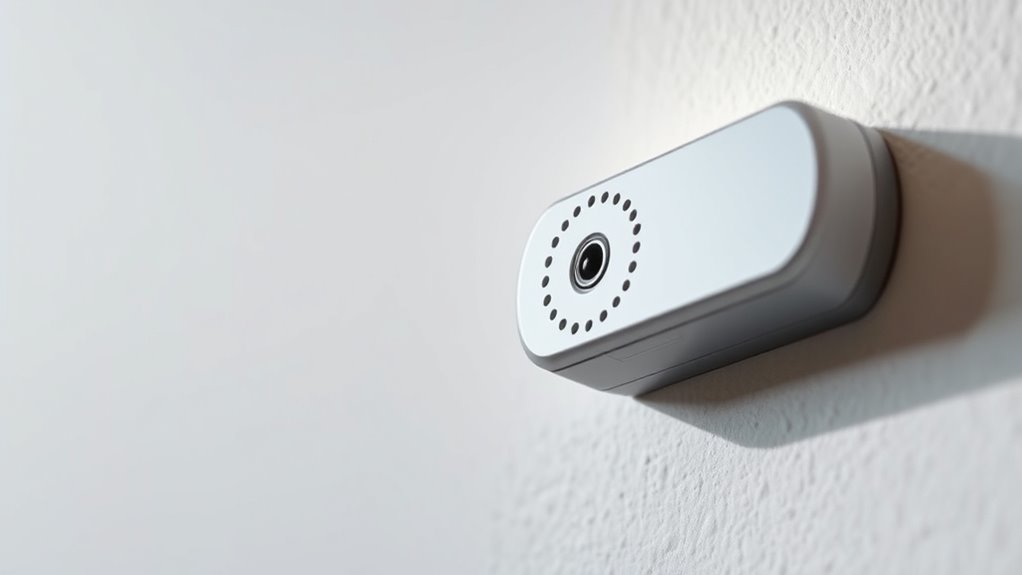
When using acoustic detection, you need to set microphone sensitivity carefully to avoid false alarms or missed breaks. Recognizing the specific sound pattern of glass shattering helps improve accuracy, but environmental noise can interfere with detection. Balancing these factors guarantees your sensor reliably catches actual glass break events without being triggered by background sounds. Additionally, understanding cybersecurity vulnerabilities related to sensor networks emphasizes the importance of secure device configurations to prevent malicious interference.
Microphone Sensitivity Settings
Adjusting the microphone sensitivity settings is essential for effectively detecting the sharp sound of shattering glass. Proper microphone calibration ensures the sensor responds accurately without false alarms or missed events. Sensitivity adjustment fine-tunes how loud a sound must be to trigger the alarm, helping you avoid triggers from normal household noise or distant sounds. If the sensitivity is too high, even minor noises may cause false alarms; if too low, the sensor might miss actual glass breakage. To optimize performance, experiment with different sensitivity levels and listen for consistent, reliable detection. Regular calibration ensures the microphone responds precisely to the specific acoustic signature of breaking glass, making your security system more accurate and dependable. Additionally, understanding how AI vulnerabilities can impact security devices highlights the importance of robust safety measures.
Sound Pattern Recognition
Sound pattern recognition enhances glass-break sensors by enabling them to identify the unique acoustic signature of shattering glass. This technology listens for specific frequency patterns and sound characteristics that distinguish breaking glass from everyday noises. By focusing on these distinct patterns, sensors improve their reliability and reduce false alarms caused by background sounds. Additionally, security system effectiveness is increased when sensors accurately detect real threats, making them a valuable component of home security. However, concerns about reliability remain, especially when similar noises mimic glass-breaking sounds, potentially triggering false alarms. Advanced pattern recognition algorithms analyze sound waveforms in real-time, increasing the chances of accurate detection. This targeted listening approach helps ensure the sensor reacts only to genuine glass break events, minimizing false triggers. Overall, sound pattern recognition makes glass-break sensors more precise but still requires careful calibration to balance sensitivity and accuracy.
Environmental Noise Impact
Environmental noise can substantially challenge the accuracy of glass-break sensors by masking or mimicking the sound of shattering glass. Weather interference, such as heavy rain or hail, can distort acoustic signals, making detection less reliable. Ambient noise from loud appliances, traffic, or crowds increases false alarms or missed detections. To help you understand, here’s a comparison of common noise sources:
| Noise Source | Effect on Detection | Mitigation Strategies |
|---|---|---|
| Weather interference | Can mimic or mask shattering sounds | Weather-resistant sensor design |
| Ambient noise | Causes false alarms | Signal filtering and pattern recognition |
| Construction noise | Obscures detection | Directional microphones |
Additionally, advancements in sensor technology are continually improving the ability to differentiate between genuine glass-breaking sounds and environmental noise.
Vibration Detection: Sensing the Impact and Vibrations
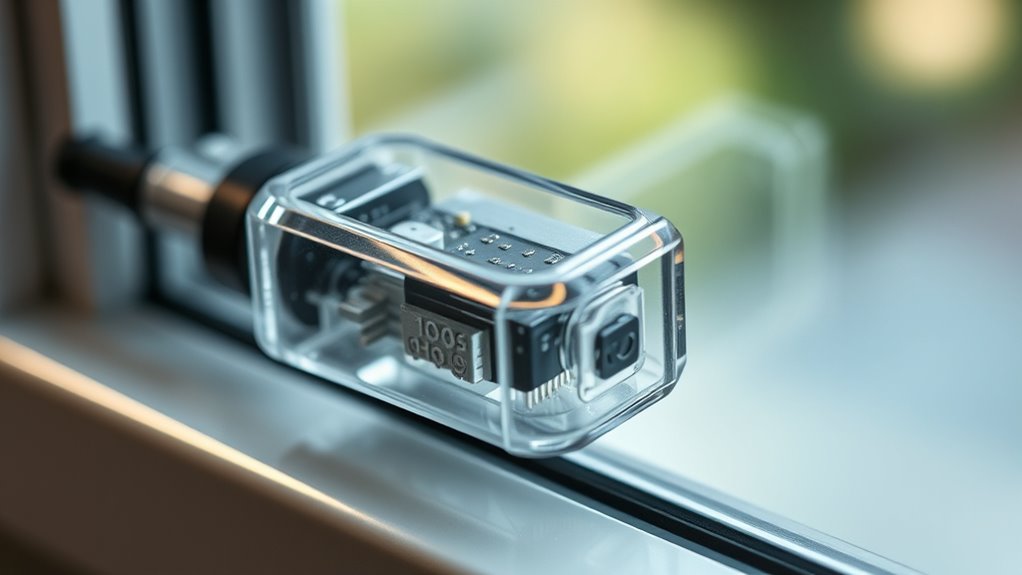
Vibration detection in glass-break sensors works by sensing the impact forces and vibrations caused when glass is struck or shattered. When tempered glass breaks, it produces specific vibration patterns and acoustic emissions that the sensor can detect. These sensors use accelerometers or piezoelectric elements to pick up rapid vibrations and impact signals. The vibrations caused by breaking tempered glass generate distinctive signals that differ from normal environmental noise, allowing the sensor to distinguish actual breakage. By focusing on these impact vibrations, the sensor can trigger an alarm quickly, even if the glass doesn’t produce loud sounds. This method provides a reliable way to detect glass breakage, especially in environments where sound alone might be muffled or obstructed.
Combining Sound and Vibration for Enhanced Accuracy
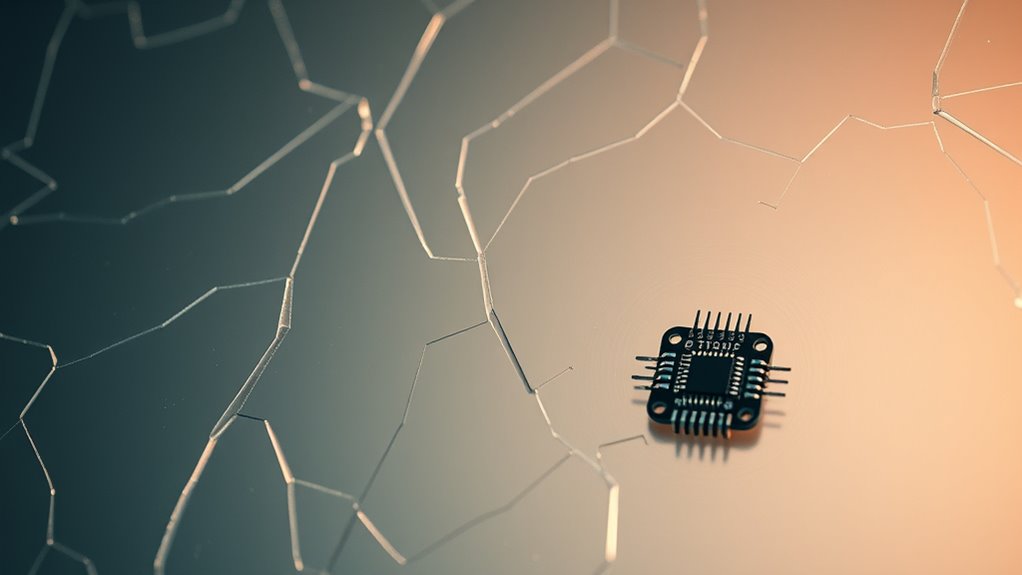
By combining sound and vibration detection, glass-break sensors can markedly improve their accuracy and reliability. When a window breaks, it generates specific sound wave interference patterns and a sudden increase in vibration amplitude. Relying on just one detection method can lead to false alarms or missed events. Integrating both sensors allows you to cross-verify signals, reducing false positives caused by background noise or minor vibrations. For example, a loud noise alone might be mistaken for glass breaking, but if accompanied by a sharp vibration spike, the sensor recognizes it as genuine. This dual approach ensures more precise detection, making your security system more dependable. Additionally, leveraging sensor fusion techniques can further enhance detection accuracy and reduce false alarms. By leveraging both sound wave interference and vibration amplitude, these sensors deliver a smarter, more trustworthy alert system.
Factors That Affect Sensor Performance
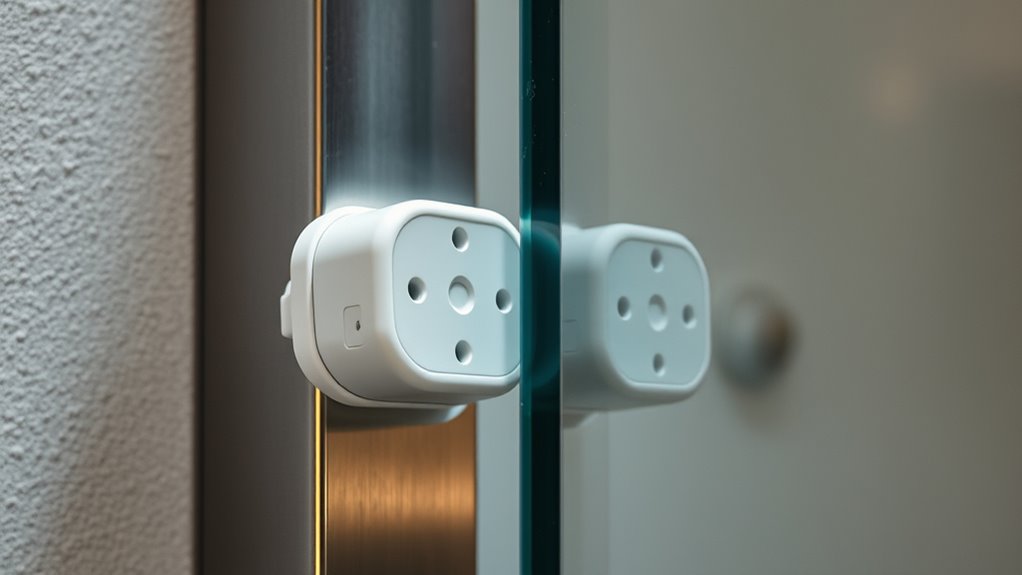
Several factors can influence the performance of glass-break sensors, affecting their ability to detect genuine events accurately. Proper sensor calibration guarantees sensitivity levels match your environment, reducing false alarms and improving reliability. External noise, such as loud sounds or vibrations, can trigger false alarms if not properly managed. Environmental conditions like temperature and humidity also impact sensor accuracy. To prevent false alarms, regular calibration and adjustments are essential.
| Factor | Effect | Solution |
|---|---|---|
| Sensor calibration | Ensures correct sensitivity | Routine calibration checks |
| Ambient noise | Causes false alarms | Noise filtering technology |
| Vibration levels | Affects detection accuracy | Strategic sensor placement |
| Temperature & humidity | Influence sensor response | Environmental controls |
| False alarm prevention | Maintains system reliability | Proper calibration & settings |
Installing and Maintaining Glass-Break Sensors
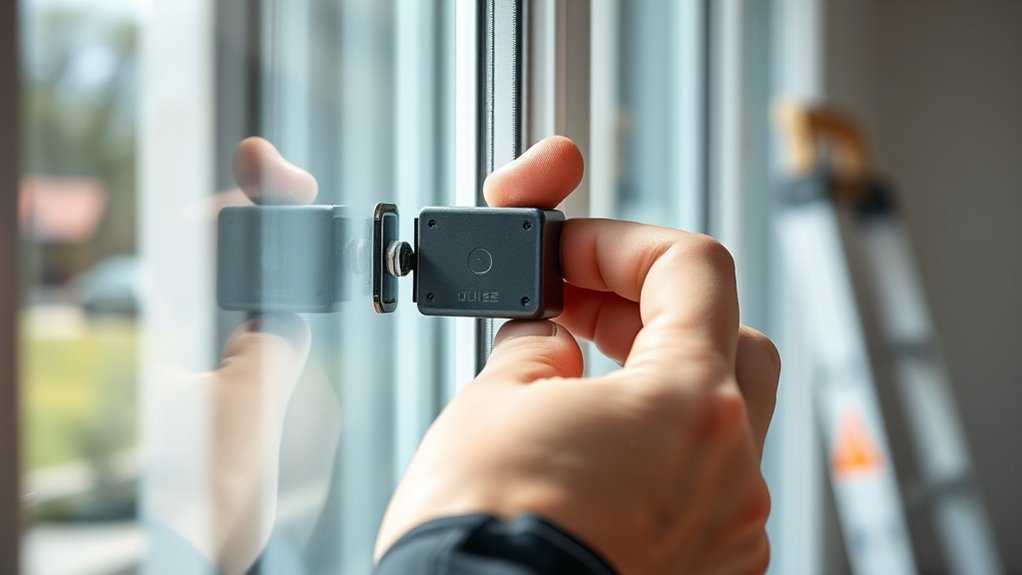
Proper installation and ongoing maintenance are key to ensuring your glass-break sensors function reliably. When installing, make sure the sensors are correctly positioned for ideal security system integration, typically near windows or glass doors. Follow manufacturer guidelines closely, ensuring the sensors face the glass and are free of obstructions. Regularly perform sensor calibration techniques to fine-tune sensitivity levels, preventing false alarms or missed detections. Keep sensors clean and free from dust or debris, which can impair their performance. Test the sensors periodically by simulating glass-break sounds to confirm they’re responding accurately. Properly maintained sensors will deliver consistent performance, providing peace of mind knowing your security system remains vigilant and effective against intrusions involving shattered glass.
Advances and Innovations in Glass-Break Detection Technology
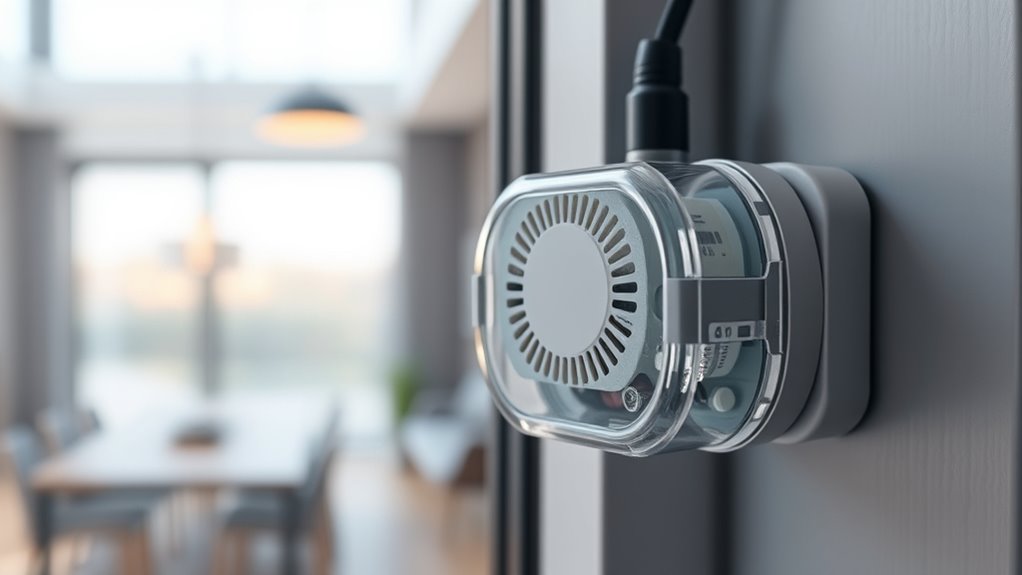
Recent advances in glass-break detection technology have considerably improved the accuracy and reliability of security systems. Innovations include smarter sensors that analyze sound patterns more precisely and detect even subtle glass breaks. Additionally, the integration of smart glass, which can change properties in response to external stimuli, offers new security possibilities. Some systems now incorporate glass reinforcement techniques, making it more resistant to breakage and reducing false alarms. These innovations allow security systems to distinguish between accidental impacts and genuine break-ins more effectively. As technology evolves, sensors become more adaptable, providing better coverage across different environments. Overall, these advancements enhance both the detection capabilities and robustness of security measures, giving you greater confidence in protecting your property against break-ins.
Frequently Asked Questions
How Do Glass-Break Sensors Differentiate Between Real Threats and False Alarms?
You might wonder how glass-break sensors tell real threats from false alarms. They analyze glass shattering patterns and use sound frequency analysis to distinguish genuine breakage from everyday noises. When they detect the specific sound waves and patterns consistent with glass shattering, they trigger an alarm. If the sound doesn’t match these patterns, the sensor stays silent, reducing false alarms and ensuring you’re only alerted to actual break-in attempts.
Can Glass-Break Sensors Detect Different Types of Glass, Like Tempered or Laminated?
You might wonder if glass-break sensors can detect different glass types like tempered or laminated. The answer is yes, but their effectiveness depends on sensor sensitivity settings. Tempered glass often produces distinct sound frequencies that sensors pick up easily, while laminated glass may be more challenging due to its layered structure. Adjusting the sensor sensitivity helps guarantee reliable detection across various glass types, reducing false alarms and increasing security.
What Is the Typical Range or Coverage Area for a Single Glass-Break Sensor?
Oh, the magic of sensor placement—like trying to cover a mansion with a single candle. Usually, a glass-break sensor offers a typical range of about 20 to 30 feet, but coverage limitations exist. Walls, furniture, and even curtains can block the sound, reducing effectiveness. For ideal security, you’ll want to strategically position sensors, ensuring they cover all vulnerable windows without leaving gaps—because one sensor isn’t a magic wand.
Are Glass-Break Sensors Compatible With Smart Home Security Systems?
You’ll be pleased to know that glass-break sensors are compatible with many smart home security systems. They easily integrate into your existing security setup, enhancing overall protection. When you choose sensors with smart home compatibility, you can control and monitor them via your smart hub or app. This seamless security system integration guarantees you can respond quickly to potential breaches, giving you peace of mind and greater control over your home security.
How Do Environmental Factors Like Wind or Nearby Noise Affect Sensor Accuracy?
Environmental interference, like strong wind or nearby noise, can impact your glass-break sensor’s accuracy. These factors may trigger false alarms or cause missed detections if the sensor isn’t properly calibrated. To avoid this, make certain your sensor is correctly calibrated for your environment, and consider placing it away from windows or areas prone to environmental noise. Regular calibration helps maintain peak performance despite environmental interference.
Conclusion
So there you have it—your crash course in glass-break sensors. Now you know they’re not just fancy alarms, but clever little devices listening and feeling every shatter and shake. Next time you hear a loud bang, just remember: your windows might be more alert than you think. With all these tech tricks up their sleeve, your glass is practically calling out for a security upgrade. Who knew safety could be so sneaky?