
To configure entry and exit delays for ideal security, first determine your household routines and choose appropriate times—usually 30 to 60 seconds for entry and exit. Set shorter delays if you want quick response, but longer ones provide more convenience. Make certain you test and adjust these settings regularly for your lifestyle and home layout. If you want to learn how to fine-tune your system for maximum effectiveness, keep exploring these strategies.
Key Takeaways
- Set entry delays long enough to allow safe disarmament but short enough to prevent intruder exploitation.
- Configure exit delays to give sufficient time for household departure without compromising security.
- Regularly test and adjust delay settings based on household routines and layout for optimal balance.
- Assign specific delays to different users or access codes to enhance personalized security.
- Ensure delays are calibrated to prevent false alarms and enable timely response during system arming/disarming.
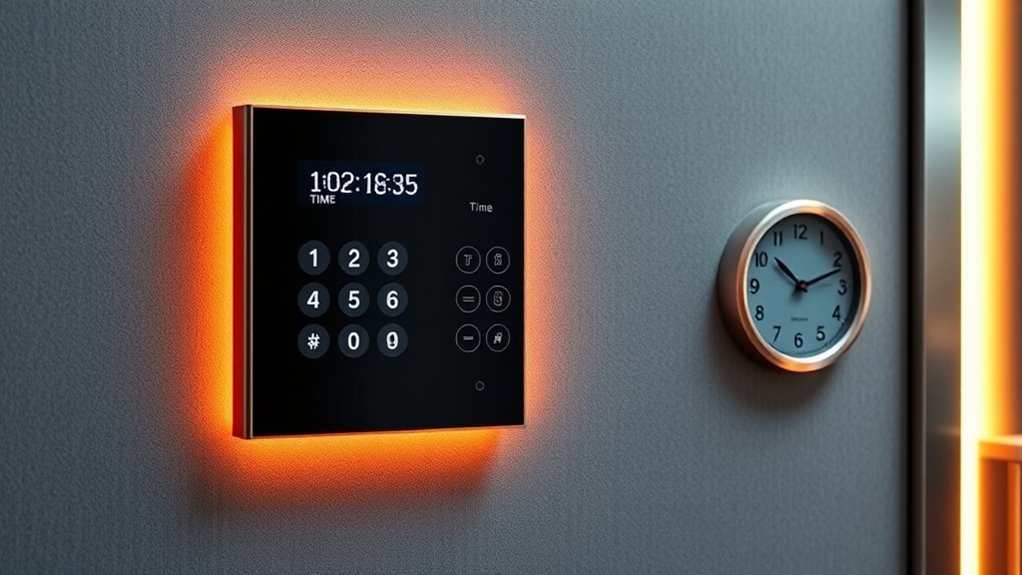
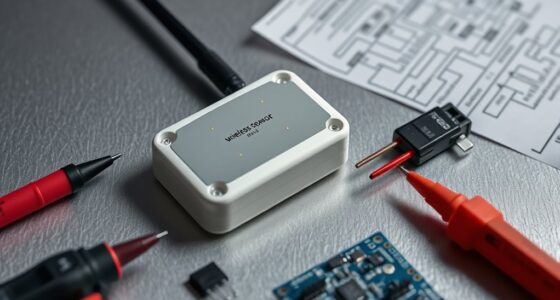
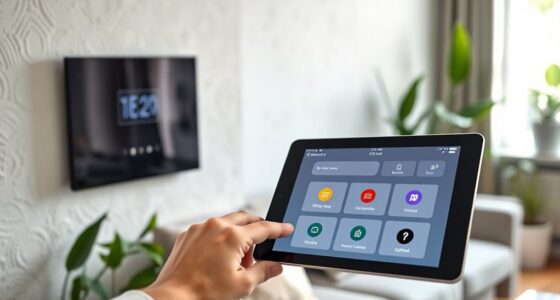
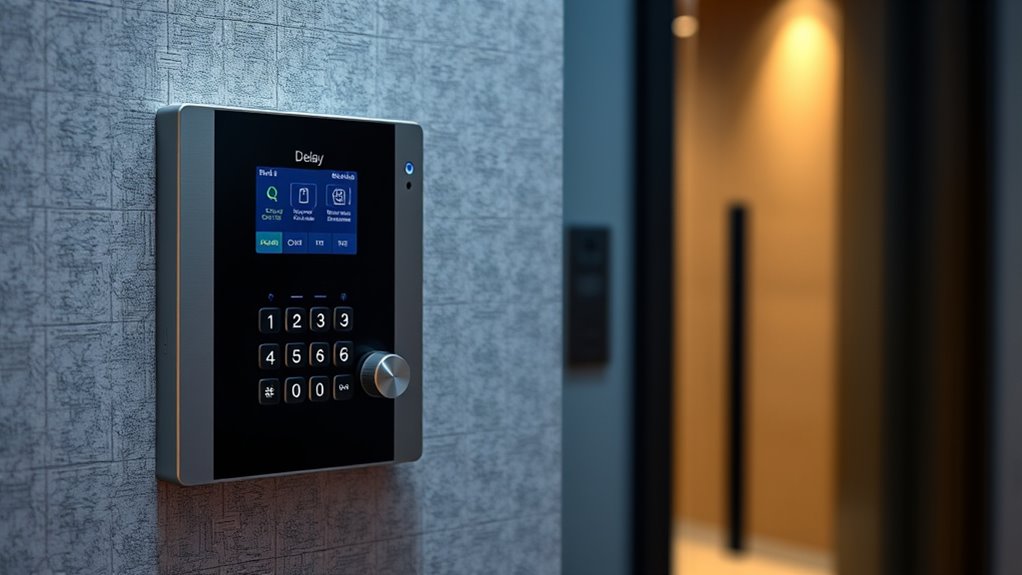
Configuring entry and exit delays is crucial for ensuring your security system provides the right balance between convenience and protection. When you set these delays correctly, you give yourself enough time to arm or disarm the system without triggering false alarms, while still maintaining effective security. One key aspect of this process is alarm system calibration—making sure your sensors and alarms respond accurately and at the right times. Proper calibration ensures that delays work seamlessly, preventing unnecessary alarms and ensuring instant alert when genuine threats occur. In practice, you’ll want to adjust entry delays so that you have enough time to disarm your system after entering your home, without creating a long window for intruders to exploit. Typically, a delay of 30 to 60 seconds works well, but this can vary depending on your household’s routine and your security preferences. Exit delays, on the other hand, are set to give you ample time to leave your property after arming the system. If you set this delay too short, you risk leaving before the system is fully armed, compromising security. Too long, and it becomes inconvenient for you, especially if you’re in a hurry. Finding the right timing involves considering factors like your typical departure and arrival times, as well as the layout of your home. Additionally, understanding how cookie categories can impact your user experience and privacy is essential when configuring your system’s notifications and access controls. User access management plays a crucial role in configuring these delays effectively. By controlling who can arm or disarm the system and when, you reduce the risk of accidental or unauthorized disarms that could leave your home vulnerable. For example, you might assign specific access codes to family members or trusted visitors, setting different permissions based on their routines. This way, you can customize entry and exit delays for different users, ensuring that everyone has enough time to disarm the system without compromising security. Additionally, regularly updating access codes and monitoring user activity helps you identify any anomalies that could indicate a security breach. Ultimately, finding the right balance in configuring entry and exit delays involves a combination of alarm system calibration and user access management. Proper calibration ensures your system responds accurately, while managing user access keeps your security tight and tailored to your household’s needs. It’s worth spending time to fine-tune these settings, testing different delays, and adjusting them as needed. Doing so will help you create a security setup that’s both user-friendly and highly effective, giving you peace of mind knowing your home is protected without unnecessary hassle.
Frequently Asked Questions
How Do I Reset Delays After Manual Adjustments?
To reset delays after manual adjustments, you need to follow the reset delay procedures specific to your alarm system. Typically, this involves entering your code and moving through to the delay settings menu, then selecting the reset option. Make sure to save your changes. If your system has a manual reset button, press it to restore default delays. Always refer to your system’s manual for exact reset procedures to ensure proper security.
Can Delays Be Customized for Different Zones?
Imagine tailoring each zone like a personalized security layer—yes, you can customize delays for different zones through delay configuration. You simply access your alarm system’s settings, select the specific zone, and adjust its entry or exit delay times to suit that area’s needs. This allows you to fine-tune your security, giving you more control and reducing false alarms without compromising safety.
What Happens if I Forget to Exit Before Delay Ends?
If you forget to exit before the delay ends, the alarm may go off, potentially causing false alarms and triggering panic alarms. To prevent this, always keep track of your exit time, especially if you’ve customized delays for different zones. If an alarm is triggered unintentionally, promptly disarm the system to prevent unnecessary panic alarms and guarantee your security system remains reliable and effective.
Are There Recommended Delay Settings for High-Traffic Areas?
For high-traffic areas, it’s best to set shorter entry and exit delays to balance security and convenience. Use motion detection and adjust sensor sensitivity accordingly to prevent false alarms from frequent movement. If delays are too long, you might get false alarms or security gaps; too short, and people may not have enough time to disarm the system. Find a middle ground that considers activity levels and sensor performance.
How Do Delays Affect Alarm Response Times?
Did you know that a delay of just 10 seconds can critically improve alarm response times? Delays impact alarm synchronization and are vital for preventing false alarms. Proper delay calibration ensures you have enough time to disarm the system without compromising security. If delays are too long, response times may lag; too short, and false alarms increase. Balancing these factors helps optimize your alarm system’s efficiency and security.
Conclusion
By carefully configuring your entry and exit delays, you enhance your security system’s effectiveness and reduce false alarms. Remember, studies show that properly set delays can decrease false alarms by up to 30%, saving you time and hassle. Take the time to customize these settings to match your routines, ensuring you’re protected without unnecessary disruptions. A well-tuned system offers peace of mind, so don’t overlook the importance of optimizing your entry and exit delays for maximum security.