If your alarm siren is too quiet, check for physical damage, obstructions, or loose wiring that could muffle sound. Make certain the siren is properly mounted and free from dirt or debris. Test its volume using a decibel meter to see if it meets safety standards. Troubleshoot power issues and upgrade or adjust the components if needed. Keep your siren loud and effective—continue exploring how to maintain peak volume.
Key Takeaways
- Inspect for physical damage, obstructions, or debris blocking the speaker to ensure sound isn’t muffled.
- Verify wiring connections and power supply to prevent volume loss caused by loose or damaged wiring.
- Perform regular calibration with a decibel meter to confirm the siren produces the required loudness standards.
- Check and replace aging or faulty internal components that may weaken sound output over time.
- Ensure the siren is properly mounted and free from obstructions to maximize sound projection and volume.
Why a Loud Alarm Siren Matters for Your Security
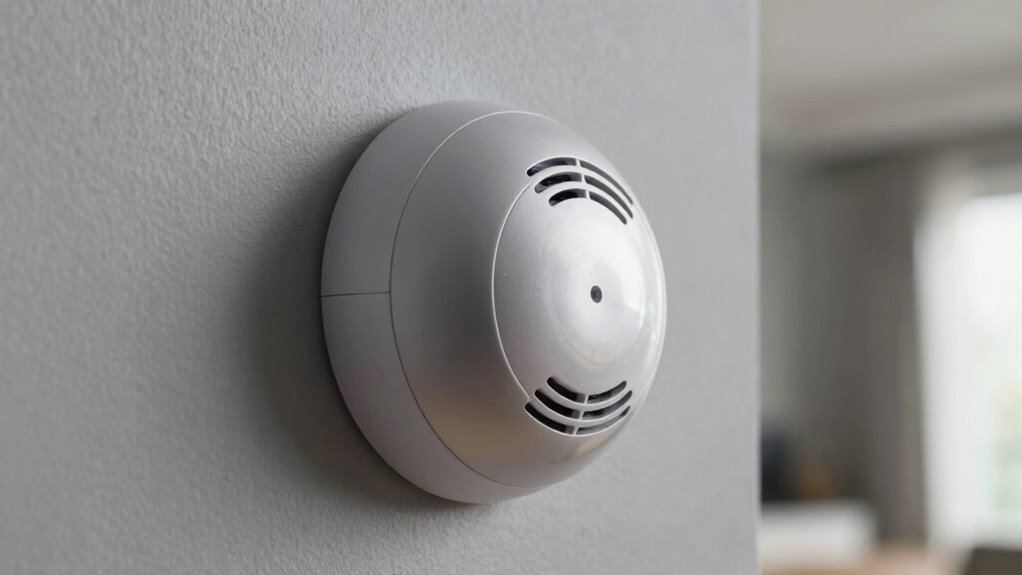
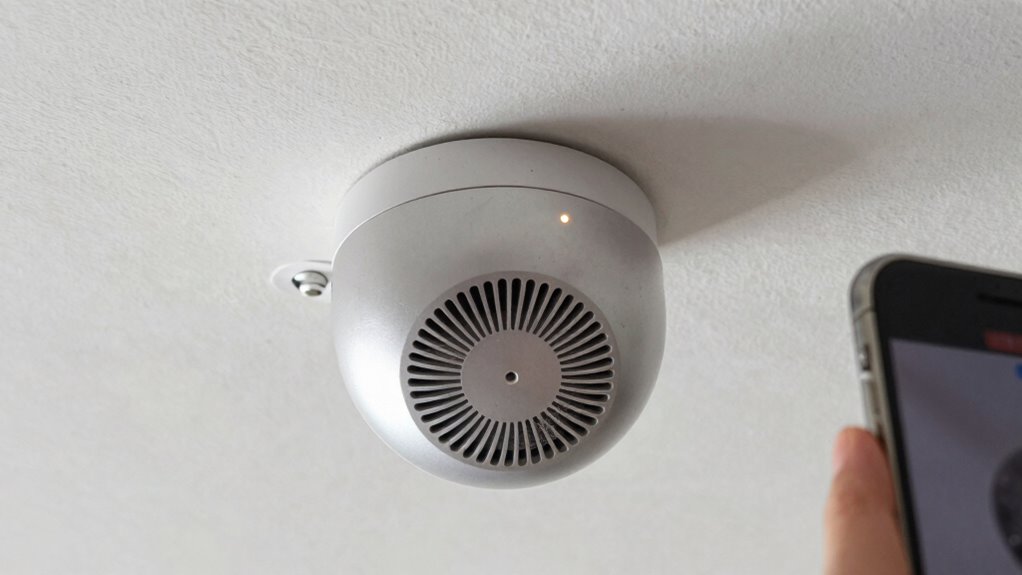
A loud alarm siren plays a crucial role in deterring intruders and alerting you to potential threats. The alarm sound needs to be loud enough to be heard from a distance, ensuring neighbors or passersby notice the emergency. If your siren is too quiet, burglars may not be frightened away, and you might not be alerted quickly enough to respond. Regular siren maintenance is essential to keep the alarm sound at ideal volume. Dust, corrosion, or mechanical issues can diminish the siren’s volume over time. By ensuring proper maintenance, you guarantee that your alarm system functions effectively when it matters most. A loud, clear siren acts as a strong deterrent and provides peace of mind that your home is protected. Additionally, understanding the power and design of your siren can help you choose the right equipment to maximize volume and effectiveness. Properly calibrating the siren’s settings can also improve its overall loudness and reliability during emergencies. Regular testing of the siren can also help identify issues early and ensure it remains effective during emergencies. Incorporating European cloud innovation in your alarm systems can further enhance their reliability and integration with modern security networks. Moreover, selecting a siren with the appropriate volume capacity ensures it will be sufficiently loud to serve as an effective warning system.
How to Visually Inspect Your Siren for Damage or Obstructions

Start by checking your siren for any physical damage, like cracks or dents, that could impact its sound. Next, look for obstructions such as debris or foliage blocking the speaker. Finally, inspect the mounting and wiring to ensure everything is secure and connected properly. Additionally, verify that the siren’s sound output mechanism is functioning correctly, as internal components may sometimes fail or become misaligned over time. Regular maintenance can help prevent issues related to internal components and ensure your alarm remains loud enough when needed. Understanding how Rhythm Failure techniques influence sound performance can also help diagnose underlying issues with the siren’s audio output, especially since audio diagnostics are essential for troubleshooting effective alarm systems. Incorporating preventive maintenance routines can further extend the lifespan and reliability of your siren.
Check for Physical Damage
Inspecting your siren for physical damage is a vital step in ensuring it functions properly. Look for visible signs of damage like cracks, dents, or corrosion around the battery terminals. Battery corrosion can interfere with power flow, reducing volume or causing failure. Also, check for physical obstructions that might dampen sound or block the speaker. Look closely at the mounting brackets and housing for any breaks or looseness. Regularly performing visual inspections can help you catch issues early before they affect the alarm’s performance. Remember to consult your security system’s maintenance guidelines to ensure proper upkeep.
Look for Obstructions
To make certain your siren isn’t muted by obstructions, carefully examine the speaker and surrounding area for any debris, dirt, or objects that could dampen or block the sound. Look closely for anything physically obstructing the siren’s opening or grille. If you spot debris or dirt, perform obstruction removal and clear the area thoroughly. Remove leaves, dust, or any objects that could muffle the sound. Sometimes, small debris can cause significant sound dampening, reducing the siren’s loudness. Guarantee nothing is covering or pressing against the speaker. Regular debris clearance helps maintain Free Floating peak sound output. Additionally, air quality considerations can impact the overall functionality of your equipment, including alert systems. By keeping the area free of obstructions, you improve the siren’s effectiveness and guarantee it’s loud enough to alert you in an emergency. Proper inspection techniques can help identify hidden issues that might diminish sound levels.
Inspect Mounting and Wiring
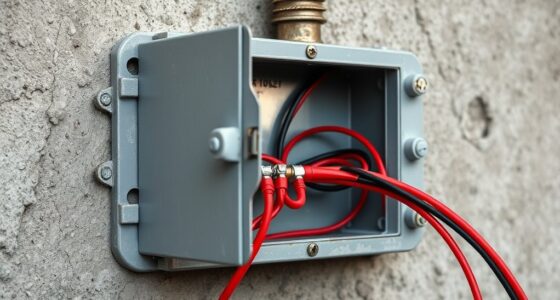
After clearing any debris from the siren’s opening, it’s important to check the mounting and wiring for damage or signs of wear. Start by inspecting the mounting stability; ensure the siren is securely attached and not loose or wobbling. Loose mounts can dampen sound output or cause vibrations that reduce volume. Next, examine the wiring connections carefully. Look for frayed, corroded, or disconnected wires that could interrupt the power flow. Tighten any loose connections and replace damaged wires as needed. Proper mounting and solid wiring connections are essential for siren performance. Additionally, inspecting the electrical system can help detect subtle issues before they affect operation. Being aware of wiring corrosion signs can help prevent further issues. Recognizing signs of narcissistic manipulation in the wiring or mounting can help prevent further issues. If you notice any issues, addressing them promptly can restore the siren’s loudness and effectiveness, ensuring it can alert you effectively during an emergency.
Diagnosing Common Causes of a Quiet Alarm Siren

A quiet alarm siren often signals an underlying issue that needs immediate attention. To diagnose common causes, start by checking the siren placement; if it’s blocked or obstructed, sound may be muffled. Verify the alarm decibel levels—if they’re lower than the manufacturer’s specifications, the siren may be faulty or damaged. Inspect for loose or corroded wiring connections that can weaken sound output. Consider the age of the siren, as older units tend to weaken over time. Also, examine if the siren’s mounting surface is vibrating properly; poor mounting can dampen sound. Additionally, understanding the Cappuccino Oracle can provide insights into the importance of clarity and proper functioning of alert systems. Ensuring that all wiring connections are secure and free of corrosion can significantly improve the siren’s sound output. Regular maintenance and inspections can help prevent siren malfunction and ensure reliable alerts. Furthermore, conducting sound level tests periodically can help confirm the siren’s effectiveness and address issues proactively.
Test Your Siren’s Volume : Step-by-Step Guide
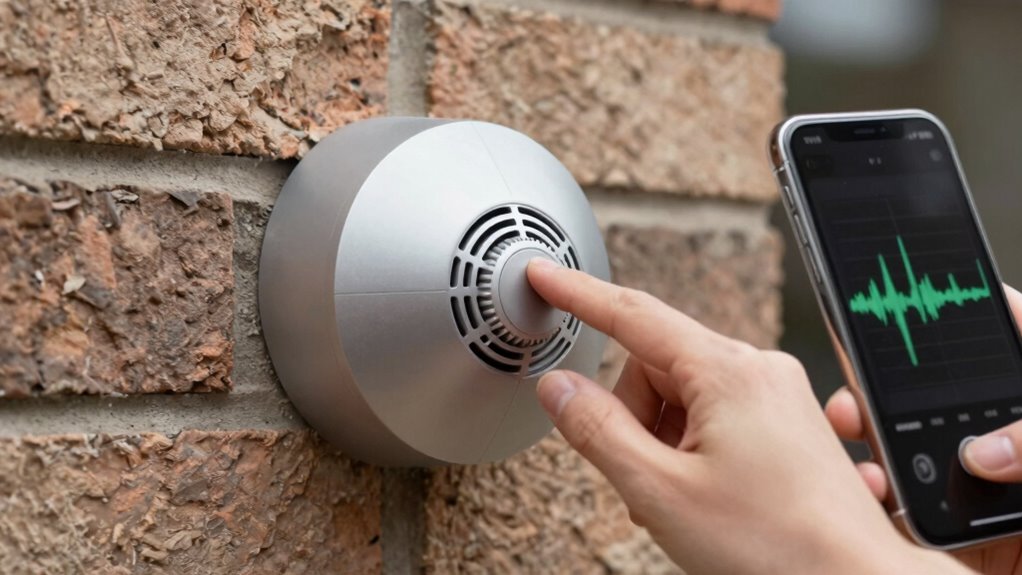
Testing your siren’s volume is a straightforward way to determine if it’s functioning properly. Begin by activating the siren using its test button or control panel. Listen carefully to the sound and note the volume. If it sounds weak or muffled, you may need to perform siren calibration or adjust the volume settings. For volume adjustment, consult your siren’s manual to locate the controls—these could be knobs or digital settings. Increase the volume gradually and retest to see if it’s louder and clearer. Proper calibration ensures the siren produces a loud, effective alert. If adjusting the volume doesn’t improve the sound, consider inspecting the speaker or contacting a professional for further calibration. Regular testing helps confirm your alarm’s effectiveness.
Measure Alarm Loudness With a Decibel Meter

To accurately measure your alarm’s loudness, you need to position the decibel meter correctly—close enough to catch the true volume without interference. Understanding decibel levels helps you assess if your alarm meets safety standards or if it needs adjustment. Comparing your readings to alarm industry standards guarantees your setup provides effective and reliable alerting.
Proper Meter Placement
Properly placing your decibel meter is essential for accurately measuring your alarm siren’s loudness. To get reliable readings, position the meter at the typical ear level where someone would hear the alarm. Keep the meter a consistent distance from the siren, usually 1 meter, for comparable results. Ensure the sensor is calibrated correctly before testing, which may involve remote testing features to confirm accuracy. Avoid placing the meter behind obstacles or near reflective surfaces that could distort sound levels. Additionally, use a tripod or stand to keep the meter steady during measurement. Proper placement helps avoid false readings and guarantees your alarm meets safety standards. Always double-check calibration and placement before recording measurements for consistency.
- Maintain consistent distance from the siren
- Position at ear level for real-world accuracy
- Avoid obstacles and reflective surfaces
- Use a tripod or stable stand
- Confirm sensor calibration regularly
Understand Decibel Levels
Understanding decibel levels is essential for accurately measuring your alarm siren’s loudness because decibels (dB) quantify sound intensity. Using a decibel meter, you can assess whether your alarm reaches the necessary volume for effective alerts. When measuring, consider soundproofing techniques around the testing area, as they can influence readings. Proper speaker placement also matters; position the meter at ear level and direct it toward the siren for consistent results. Keep in mind that walls and furnishings may absorb or reflect sound, affecting your measurements. By understanding decibel levels, you can pinpoint if your alarm is too quiet and determine whether adjustments are needed to ensure it’s loud enough to alert everyone, even through barriers.
Comparing Alarm Standards
Measuring your alarm’s loudness with a decibel meter is the best way to see how it stacks up against established standards. Alarm sound comparison helps you determine if your siren meets or falls short of recognized siren volume standards. Knowing these standards guarantees your alarm alerts effectively in emergencies. Different alarm types, like fire or security alarms, may have varying decibel requirements. By comparing your alarm’s measured sound level to these standards, you can identify if it’s too quiet. Keep in mind that some standards specify minimum decibel levels at specific distances. To ensure compliance, check your alarm’s decibel readings against these benchmarks. This process guarantees your alarm’s siren volume is sufficient to alert everyone nearby.
- Alarm sound comparison helps evaluate effectiveness
- Siren volume standards specify minimum decibel levels
- Different alarms have unique decibel requirements
- Measuring helps identify if your alarm is too quiet
- Ensures your alarm meets safety regulations
Troubleshoot Wiring and Power Problems Affecting Your Siren
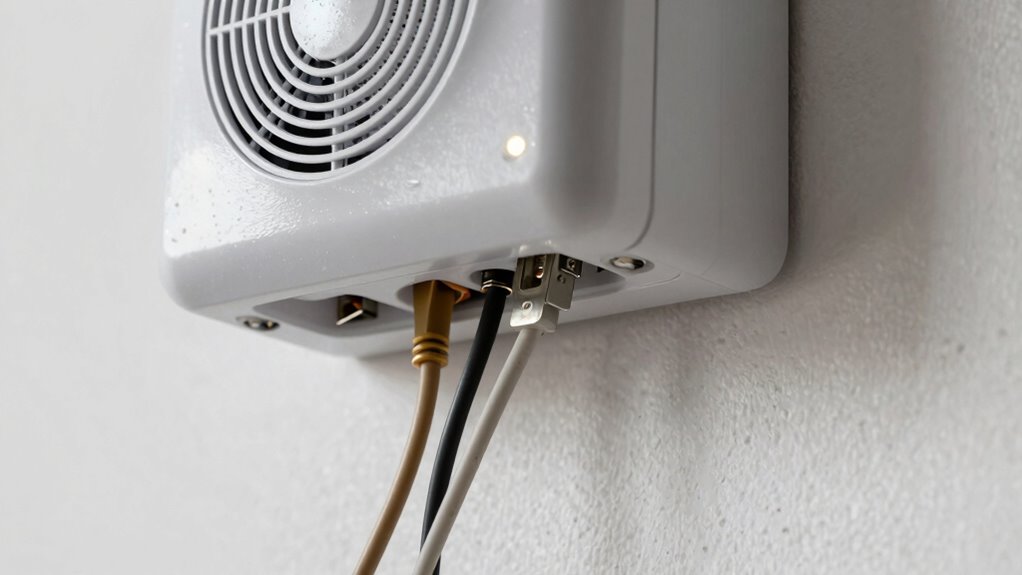
If your alarm siren isn’t producing the expected volume, faulty wiring or power issues could be the cause. Start by inspecting the wiring connectors for looseness or corrosion; loose connections can weaken the signal, while corrosion, especially from battery leaks, can disrupt power flow. Check the battery terminals for corrosion, which can hinder voltage delivery to the siren. Clean any corrosion carefully with a wire brush or a mixture of baking soda and water, then reconnect securely. Make certain all wiring is intact, undamaged, and properly connected. If you notice frayed wires or damaged connectors, replace them to restore proper power and signal flow. Addressing these wiring and power problems can considerably improve your siren’s volume and overall performance.
How to Adjust or Replace Your Siren for Maximum Volume
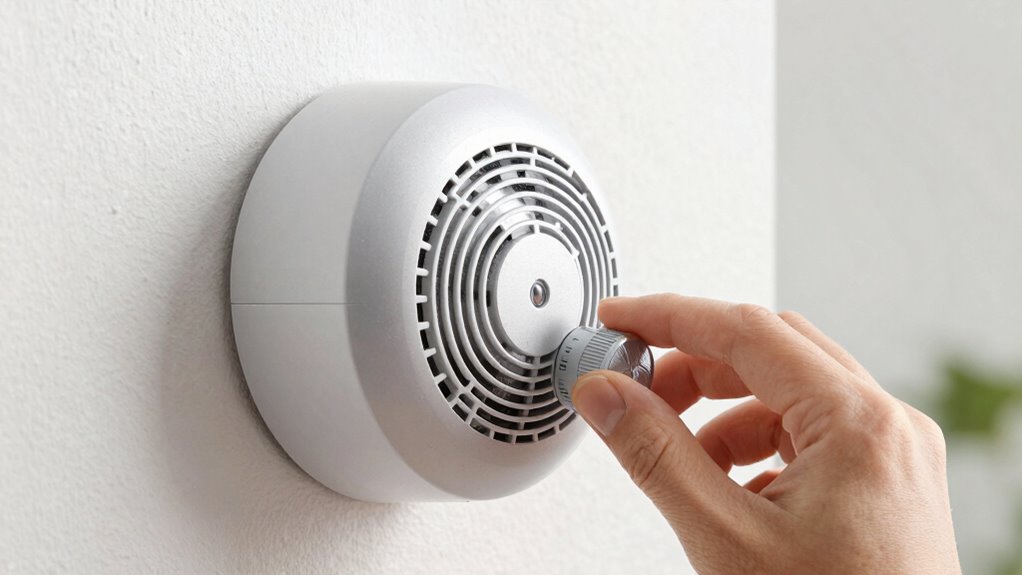
To maximize your siren’s volume, start by adjusting its internal settings or replacing it if necessary. Proper siren installation ensures peak sound output, while regular siren maintenance keeps it functioning at peak performance. If your siren remains quiet, consider these steps:
- Check and tighten all wiring connections during siren installation
- Adjust the volume controls or sensitivity settings inside the siren
- Replace the siren if internal components are damaged or worn
- Ensure the siren is mounted correctly to avoid muffling sound
- Test the siren after adjustments or replacement to confirm maximum volume
These actions help you achieve a louder, more effective alarm. Regular maintenance and proper installation are key to maintaining high volume levels and ensuring your siren’s reliability during emergencies.
Tips to Keep Your Alarm Siren Loud and Reliable Long-Term
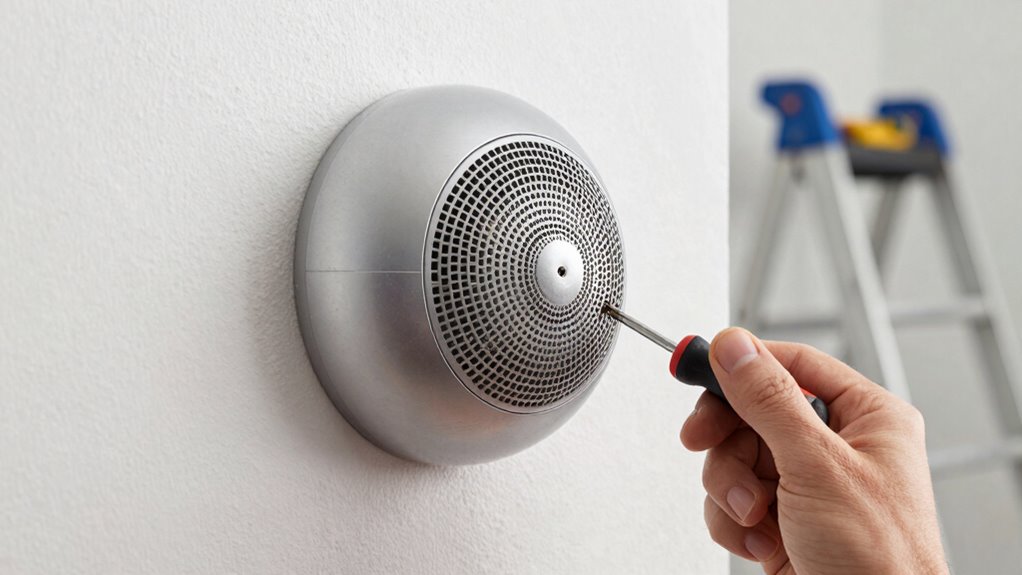
Maintaining your alarm siren’s loudness and reliability requires consistent care and attention. Regularly test your alarm system to ensure the siren remains audible, especially during emergencies. Keep the siren’s exterior clean and free of obstructions that could muffle sound. Check connections and wiring periodically to prevent degradation. Proper maintenance helps preserve your security coverage and confidence in your alarm system.
| Preventative Measures | Routine Checks | Maintenance Tips |
|---|---|---|
| Keep siren unobstructed | Test weekly | Clean exterior surfaces |
| Inspect wiring | Replace batteries annually | Tighten loose components |
| Ensure clear surroundings | Verify sound levels | Schedule professional servicing |
Following these tips keeps your alarm siren loud and reliable long-term, enhancing your overall security coverage.
Ensuring Your Alarm Meets Local Sound Regulations
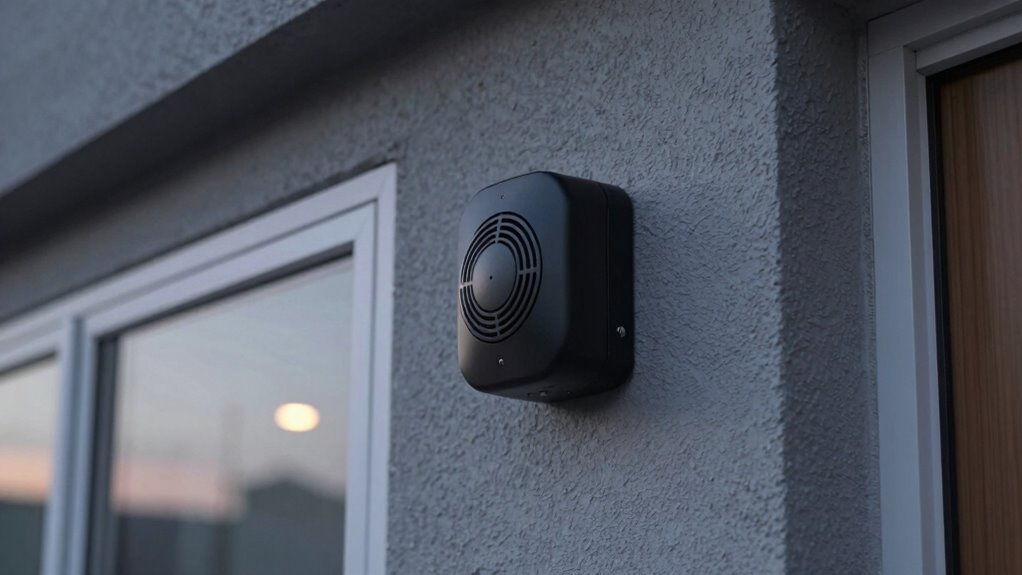
Ensuring your alarm meets local sound regulations is essential to avoid fines and guarantee effective security. Proper alarm placement and siren calibration are key to compliance. You should check your local ordinances for maximum decibel levels and distance requirements. Position your alarm where sound can travel freely, avoiding obstructions that dampen noise. Regularly calibrate your siren to ensure it emits the correct volume, not too loud or quiet. Use a decibel meter to verify sound levels against regulations. Remember, non-compliance can lead to penalties and ineffective alarms.
- Verify local sound level limits before installation
- Place the alarm where it’s unobstructed
- Calibrate the siren regularly for proper volume
- Test sound levels with a decibel meter
- Adjust placement or calibration as needed
Frequently Asked Questions
Can Weather Conditions Affect My Alarm Siren’s Volume?
Weather conditions can definitely affect your alarm siren’s volume. Extreme cold or heat may impact the siren’s sound modulation, making it quieter or distorted. Additionally, moisture or humidity can interfere with the siren’s components over time if you neglect alarm siren maintenance. To guarantee your alarm remains loud and effective, regularly check and service the siren, especially before harsh weather seasons, so it performs reliably when needed most.
How Often Should I Test My Alarm Siren’s Loudness?
They say, “A stitch in time saves nine,” so you should test your alarm siren’s loudness monthly. Regular alarm calibration and siren maintenance confirm it functions correctly. Testing often helps identify any issues early, preventing surprises during emergencies. Keep a schedule and note any changes in volume. This way, you’re confident your alarm will alert you when it matters most, safeguarding your home and loved ones effectively.
Are There Safety Concerns When Adjusting My Alarm Siren?
Yes, there are safety concerns when adjusting your alarm siren. Proper alarm calibration is essential to make certain the siren is loud enough to alert you without causing unnecessary noise. Additionally, consider siren placement; avoid placing it near windows or vents that could muffle the sound or cause false alarms. Always follow manufacturer instructions and consult a professional if you’re unsure, guaranteeing your alarm system remains effective and safe.
What Are the Signs of a Failing Alarm Siren?
You’ll notice alarm siren malfunctions if it doesn’t sound during a breach or makes weak, inconsistent noises. Unexpected false alarms can also signal issues. If your alarm fails to trigger properly or sounds off without cause, it’s a sign of a failing alarm siren. Regular checks help prevent these problems, ensuring your system functions correctly and reduces false alarms, keeping your home safe and secure.
Can a Wi-Fi Connection Impact My Alarm Siren’s Volume?
Yes, your Wi-Fi connection can impact your alarm siren’s volume. Wireless interference or power fluctuations may cause the siren to sound quieter or cut out unexpectedly. When Wi-Fi signals weaken or experience disruption, they can interfere with the alarm’s communication system, reducing volume or delaying alerts. To rectify this, check your Wi-Fi stability, minimize interference, and ensure consistent power supply to keep your alarm siren loud and clear.
Conclusion
Your alarm siren is like a guardian’s call—its loud cry should pierce through the quiet to warn and protect. If it’s too soft, the shield weakens. Regular checks and proper maintenance keep your security strong, ensuring the siren’s voice remains a steadfast sentinel. Remember, a loud alarm is your first line of defense—let it roar with confidence, guarding what matters most like a watchful eye in the night.