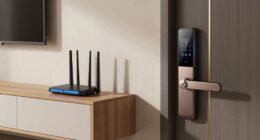

To create a smarter alarm response checklist, start by integrating your alarm system with security cameras, access controls, and automation for real-time alerts. Clearly define roles, responsibilities, and communication protocols, including backup options, to prevent confusion during emergencies. Regularly test your systems with scenario drills to identify weaknesses and update procedures accordingly. Focusing on seamless coordination and quick response helps minimize damage and enhances safety—if you want to learn how to optimize this process further, keep exploring.
Key Takeaways
- Integrate alarm systems with security components for real-time alerts and automated responses.
- Establish clear communication channels and protocols for swift, coordinated emergency responses.
- Assign specific roles and responsibilities to team members to ensure efficient incident management.
- Regularly test and update the checklist through drills to identify and address gaps.
- Incorporate system compatibility and scenario-based planning to enhance response speed and accuracy.

When an alarm goes off, your response can make all the difference between quickly resolving an issue or letting it escalate. That’s why creating a smarter alarm response checklist is essential. A well-designed checklist ensures you react promptly and effectively, minimizing damage and stress. To start, focus on alarm system integration. Your alarm system should connect seamlessly with other security components—like cameras, access controls, and automation systems. This integration allows you to gather thorough information at a glance, making it easier to determine the severity of the situation. When your alarm system is integrated, you can receive real-time alerts on your mobile device or security panel, helping you stay informed no matter where you are. Additionally, incorporating security system integration into your planning can streamline your entire response process, reducing the chances of overlooked or misinterpreted information. Regularly reviewing these integrations can also help ensure they remain effective as your security needs evolve. Emphasizing system interoperability can further enhance your ability to respond swiftly and accurately. Ensuring that your alarm system is compatible with other devices and platforms is a crucial aspect of this process.
Next, prioritize emergency communication. Clear, immediate communication channels are indispensable for coordinating your response. Make sure your checklist includes steps to confirm the alarm’s authenticity before dispatching emergency services. For example, verify whether the alarm was triggered by a false alarm or a genuine threat. If it’s genuine, your checklist should guide you to contact the appropriate emergency responders—police, fire department, or medical services—while providing them with critical information collected through your integrated systems. This might include live video feeds, sensor data, or access logs, which can be essential for a swift response. Establishing reliable communication methods and backup options can prevent delays if primary channels fail. In your checklist, include specific roles and responsibilities. Know who contacts emergency services, who checks surveillance footage, and who communicates with other team members or property occupants. Clear delegation prevents confusion during high-stress moments. Also, plan your communication strategy carefully. Use reliable channels—such as dedicated radios, secure messaging apps, or a centralized emergency communication platform—to ensure everyone stays connected. Keep a record of all communications and actions taken for future review and improvement. Establishing a robust communication protocol can greatly enhance your team’s coordination during critical incidents.
Another key to a smarter response is regular testing and updating of your checklist. Conduct drills to practice each step, identify gaps, and refine procedures. Test your alarm system integration and emergency communication systems periodically to ensure they work flawlessly when needed. The goal is to streamline your response so that every team member knows exactly what to do, reducing delays and errors. Including scenarios that test your alarm system integration can help identify potential issues before an emergency occurs.
Ultimately, a well-crafted alarm response checklist that emphasizes alarm system integration and emergency communication helps you react confidently and efficiently. It transforms a potentially chaotic situation into a managed response, protecting your property and everyone inside it. When every second counts, your preparedness can make all the difference in minimizing damage and ensuring safety.

Ring Alarm 14-Piece Kit (newest model), Wireless smart home or business security system, expandable, easy setup, Mobile App Control, 24/7 Professional Monitoring, Alexa Compatible
- Complete 14-Piece Security Kit: Includes base station, sensors, keypads, and extender
- Easy-to-Use Keypad: Arm and disarm system effortlessly
- Expandable System: Add sensors and accessories anytime
As an affiliate, we earn on qualifying purchases.
As an affiliate, we earn on qualifying purchases.
Frequently Asked Questions
What Tools Are Best for Monitoring Alarm Responses?
You should use reliable alarm monitoring tools like security software, surveillance systems, and real-time alert platforms to track responses effectively. These tools guarantee you stay updated on response protocols and help identify any delays or issues promptly. By integrating alarm monitoring with your response protocols, you can streamline your reaction process, improve response times, and maintain a high level of security. Choose tools that are user-friendly and offer detailed reporting features to optimize your alarm responses.
How Often Should the Checklist Be Reviewed and Updated?
Think of your checklist as a living document that needs regular tending. You should review your checklist regularly—at least quarterly—and update it as needed, especially after incidents or changes in procedures. The update frequency depends on how dynamic your environment is. Keeping it current guarantees your team responds effectively, like a well-pruned garden, ready to handle any alarm with confidence and precision.
Who Should Be Responsible for Managing the Checklist?
You should assign a designated team member or manager to oversee the alarm response checklist. They’ll be responsible for managing alarm escalation procedures and guaranteeing effective crisis communication. This person must regularly review and update the checklist, incorporating lessons learned from past incidents. By centralizing responsibility, you guarantee clear accountability, streamline alarm responses, and maintain readiness for emergencies, ultimately protecting your organization and minimizing response times during crises.
How Can Technology Improve Alarm Response Efficiency?
You can boost alarm response efficiency through technology by leveraging sensor integration and automated alerts. Sensor integration guarantees real-time data collection, allowing you to detect issues instantly. Automated alerts notify you immediately when a sensor detects a problem, reducing response time. This combination streamlines your alarm management, minimizes false alarms, and helps you act swiftly, ultimately improving safety and operational efficiency.
What Training Is Needed for Effective Alarm Response?
You need thorough training on alarm protocols, guaranteeing you understand the proper steps to follow during an alert. Regular training drills help reinforce your response skills, keeping you prepared for various scenarios. Focus on effective communication, quick decision-making, and familiarity with the alarm system. Continuous education ensures you stay updated on new protocols and technology, making your alarm response more efficient and reducing risks during emergencies.
Ring Alarm 14-Piece Kit (newest model), Wireless smart home or business security system, expandable, easy setup, Mobile App Control, 24/7 Professional Monitoring, Alexa Compatible
- Complete 14-Piece Security Kit: Includes base station, sensors, keypads, and extender
- Easy-to-Use Keypad: Arm and disarm system effortlessly
- Expandable System: Add sensors and accessories anytime
As an affiliate, we earn on qualifying purchases.
As an affiliate, we earn on qualifying purchases.
Conclusion
Creating a smarter alarm response checklist ensures you’re prepared for emergencies, reducing chaos and confusion. By investigating the truth behind common assumptions—like the idea that alarms always signal immediate danger—you can develop more effective, nuanced responses. Remember, not every alarm means disaster; some are false or minor. Embracing this mindset helps you stay calm, evaluate situations accurately, and respond appropriately, ultimately saving time and lives. A well-crafted checklist makes all the difference when it counts most.

LogicMark Freedom Alert, Landline Personal Emergency Device, 2-Way Call with Family and Police for Home Safety, Device for Seniors and The Elderly
- Home Safety Communication: Connects with family and emergency services
- Landline Compatibility: Uses existing landline for reliable connection
- Two-Way Voice Pendant: Allows direct communication with loved ones and responders
As an affiliate, we earn on qualifying purchases.
As an affiliate, we earn on qualifying purchases.

Arlo Home Security System – Wired Keypad Sensor Hub, (2) 8-in-1 Sensors, 24/7 Professional Monitoring- No Contract Required, DIY Installation, Alarm System for Home Security – SS1201, White
- Easy DIY Installation: Plug-in keypad and wireless sensors
- All-in-One Sensor: Detects motion, water leaks, smoke, and more
- Comprehensive Control: Built-in siren and emergency response buttons
As an affiliate, we earn on qualifying purchases.
As an affiliate, we earn on qualifying purchases.