
Tracking for recovery focuses on long-term patterns and progress, helping you understand habits and make informed adjustments over time. In contrast, real-time intervention reacts instantly to crises, offering immediate support to stabilize emotions and prevent escalation. Both approaches serve different needs—tracking builds awareness, while real-time support offers urgent relief. Knowing when to use each can improve your overall recovery strategy. Keep exploring how combining these methods could enhance your progress even more.
Key Takeaways
- Tracking for recovery focuses on long-term data collection to recognize patterns and support sustained progress, while real-time intervention provides immediate crisis response.
- Recovery tracking emphasizes personalized insights and ongoing awareness, whereas real-time support aims to stabilize emotions instantly during emergencies.
- Technological tools for tracking include advanced diagnostics and data analysis; real-time intervention relies on instant alerts and auditory or sensory cues.
- Both approaches require secure data handling, but tracking prioritizes continuous monitoring, while intervention emphasizes rapid, moment-to-moment reactions.
- Effective integration of behavioral data enhances both long-term recovery insights and immediate crisis response capabilities.

Smart Bracelet, Health Activity Fitness Trackers with Heart Rate Sleep Monitor, 24/7 Blood Oxygen/Calorie/Stress/Step Tracker, Health Fitness Bands, 170+ Sports Modes Smart band with Free APP, 2 Bands
【24/7 Comprehensive Health Tracker】This smart bracelet offers all essential monitoring for daily wellness. Sync with the companion APP,…
As an affiliate, we earn on qualifying purchases.
As an affiliate, we earn on qualifying purchases.
How Tracking for Recovery Differs From Real-Time Intervention

While both tracking for recovery and real-time intervention aim to support you through challenges, they serve different purposes and operate at different stages. Tracking for recovery focuses on long-term monitoring, helping you understand patterns and progress over time. It often uses personalization strategies to tailor insights and recommendations to your unique situation. Data privacy is vital here, ensuring your information remains secure as you build awareness of your habits. In contrast, real-time intervention reacts instantly to immediate needs, providing urgent support when you’re facing a crisis. It may involve notifications or alerts that prompt you to take action. Both approaches depend on sensitive data, but their goals differ: one emphasizes ongoing insight, the other immediate response. Additionally, advancements in automotive repair technology, such as high-tech tools, enable both precise diagnosis and effective long-term monitoring for vehicle maintenance. Recognizing the importance of privacy safeguards ensures that your personal information is protected throughout both processes. Moreover, implementing secure data practices is essential to maintain trust and compliance in these monitoring systems. It is also crucial that these systems incorporate trustworthy data handling to foster user confidence. Furthermore, incorporating advanced diagnostic tools can enhance the accuracy and reliability of these monitoring solutions.

Medical Alert System for Seniors – Advanced Mini Device with Automatic Fall Detection, 24/7 Monitoring, GPS Tracking, Emergency Alert Pendant Necklace, SOS Button, Caregiver App, Waterproof | Black
EASY ACTIVATION + MONTHLY SUBSCRIPTION: Elevate your safety and security with our straightforward medical alert pendants. For just…
As an affiliate, we earn on qualifying purchases.
As an affiliate, we earn on qualifying purchases.
What Are the Benefits and Challenges of Tracking for Long-Term Recovery
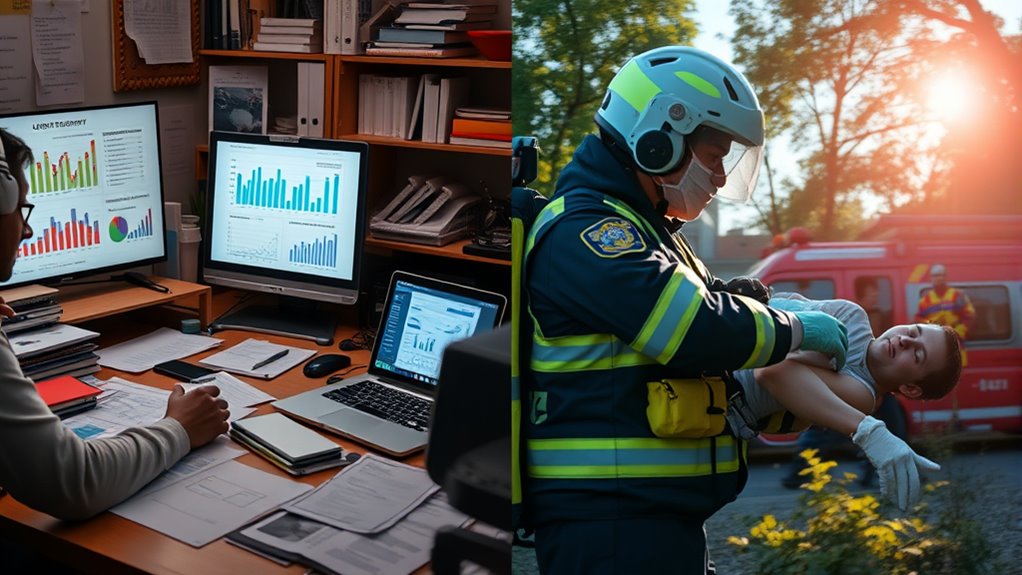
Tracking for long-term recovery offers significant benefits by giving you a clear view of your progress over time. It empowers you with greater patient autonomy, allowing you to make informed decisions about your journey. Seeing consistent data can boost motivation and help you identify patterns that need attention. Additionally, tracking over long periods can sometimes lead to data fatigue or anxiety if progress stalls. Incorporating long-term data analysis can help you interpret your results more effectively and adjust your recovery plan accordingly. Balancing the benefits of insight and motivation with the responsibility of protecting your personal data is vital. When used thoughtfully, long-term tracking becomes a valuable tool for sustained recovery, but it requires careful management of privacy concerns and your engagement level. Understanding net worth and other personal metrics can also provide motivation and a sense of achievement during your recovery journey. Incorporating data privacy measures can help mitigate concerns and foster trust in your tracking process. Moreover, understanding water safety principles can be crucial if your recovery involves aquatic therapy or swimming activities, ensuring safety while benefiting from water-based exercises.

Motorcycle Trickle Charger – Digital LCD Monitoring System, Intelligent Voltage Detection Technology, Automatic Battery Maintenance Charging, Smart Automotive Power Recovery | Long Term Garage Battery
Seamless Charging Experience: Enjoy a rich display of your battery's charging process and status on the clear digital…
As an affiliate, we earn on qualifying purchases.
As an affiliate, we earn on qualifying purchases.
How Real-Time Intervention Supports Immediate Crisis Response

Real-time intervention plays a vital role when immediate action is needed during a crisis. It helps you stabilize intense emotions by guiding emotional regulation strategies right when they’re most needed. When you’re overwhelmed, real-time support can connect you with peers who understand your experience, offering reassurance and practical advice. This instant connection fosters a sense of community, making it easier to navigate difficult moments. By addressing emotions as they arise, real-time intervention prevents escalation and promotes safety. It also incorporates auditory processing techniques which can further support emotional regulation by enhancing listening and comprehension skills. These techniques are based on neuroscience principles, which show how targeted auditory training can improve emotional responses. Incorporating precious metals into your investment portfolio can serve as a hedge during uncertain times, providing additional stability. This approach encourages you to practice coping skills in the moment, reducing the risk of long-term harm. Recognizing the importance of electric power generation with bike generators highlights how sustainable energy solutions can be integrated into daily life to support resilience during crises. Whether through messaging, calls, or face-to-face support, this approach guarantees you’re not alone when facing a crisis, enabling swift, effective responses that can make all the difference. Incorporating emotional regulation strategies can further enhance your ability to manage intense feelings in real-time.

HTWO Emotional Support Plush with Positive Crochet Design, Funny Desk Buddy for Stress Relief, for Friends and Coworkers (Set-A)
😊 Emotional Support Crochet Doll: Meet your new emotional support crochet buddy! Whenever you feel stressed, overwhelmed, or…
As an affiliate, we earn on qualifying purchases.
As an affiliate, we earn on qualifying purchases.
When to Use Tracking Versus Real-Time Support: Making the Right Choice

Deciding whether to rely on tracking or real-time support depends on your current situation and needs. If you prioritize patient privacy, tracking offers a less intrusive option that gathers data discreetly, reducing concerns about sensitive information exposure. However, tracking may be limited by technology constraints, such as inconsistent data accuracy or connectivity issues, making it less effective during urgent situations. Additionally, the effectiveness of tracking can be impacted by technology reliability, which varies based on the system used and environmental factors. Reliable data collection is essential for effective monitoring and decision-making. Furthermore, the accuracy of data collected through tracking plays a crucial role in ensuring appropriate responses and outcomes. When implementing privacy safeguards, it’s important to balance data collection with user trust. Conversely, real-time support provides immediate assistance when quick intervention is essential, but it requires robust technology and raises privacy considerations. Use tracking when ongoing monitoring suffices and privacy is a priority. Opt for real-time support during crises or when timely responses are vital. Ultimately, assess your technological capabilities and privacy requirements to make the best choice for your circumstances. Understanding safety limitations helps ensure you choose the right approach.
Combining Tracking and Real-Time Strategies for Better Outcomes

Integrating tracking and real-time strategies can substantially enhance recovery outcomes by leveraging the strengths of both approaches. Behavioral monitoring helps you identify patterns and triggers, while real-time intervention offers immediate support during crises. This combined approach allows for more personalized care, tailoring responses to individual needs. When combined, these methods allow you to anticipate issues before they escalate and respond effectively. This synergy improves crisis prediction and personalizes care, making your recovery more proactive. Here’s a simple comparison:
| Tracking | Real-Time Strategies |
|---|---|
| Monitors behaviors daily | Offers immediate support during crises |
| Identifies patterns | Prevents escalation through quick intervention |
| Data-driven insights | Crisis prediction improves |
| Supports personalized care | Enhances overall outcomes |
| Incorporates power management to optimize resource use | Enables rapid response to urgent situations. Additionally, integrating behavioral data can further refine intervention timing. Recognizing the importance of European cloud innovation can also support secure and sustainable data management in these strategies. |
Frequently Asked Questions
How Do Privacy Concerns Influence Tracking and Intervention Strategies?
Privacy concerns heavily influence your tracking and intervention strategies. You prioritize data encryption to protect sensitive information and implement strict consent protocols, ensuring users understand how their data is used. By doing so, you build trust and comply with legal standards, which encourages user participation. Balancing effective monitoring with respect for privacy helps you develop responsible approaches that safeguard individual rights while supporting recovery or timely intervention.
What Technological Tools Are Most Effective for Each Approach?
You find that for recovery tracking, reliable tools like wearable devices and mobile apps guarantee data accuracy and foster user engagement. For real-time intervention, instant messaging platforms and AI-driven alerts are most effective, providing immediate responses. Both approaches rely on accurate data to motivate users and adapt strategies, but real-time tools demand higher responsiveness. Prioritizing user privacy and data security enhances trust and guarantees sustained engagement across both methods.
Can These Strategies Be Integrated in a Single Program?
Yes, you can blend strategies into a hybrid model like a skilled conductor harmonizing different instruments. Integrated approaches let you weave Tracking for Recovery and Real-Time Intervention into a seamless symphony, adapting to each individual’s needs. By combining these tools, you create a dynamic program that responds in real-time while supporting long-term recovery. This fusion transforms your efforts into a powerful, adaptable system, guiding users through their journey with precision and care.
How Do Patient Preferences Impact the Choice Between Tracking and Real-Time Support?
Your patient preferences greatly influence whether you choose tracking or real-time support, respecting their autonomy and cultural considerations. If they value independence and privacy, tracking might suit them best, allowing self-monitoring. Conversely, if they prefer immediate assistance and cultural norms favor direct support, real-time intervention could be more effective. Tailoring your approach based on these preferences ensures better engagement, adherence, and overall success in their recovery journey.
What Are the Cost Differences Between Tracking and Intervention Methods?
The cost comparison shows that tracking methods typically cost less upfront, as they involve continuous data collection without immediate resource deployment. Real-time interventions, however, require more resources for immediate response, which can increase expenses. You should consider how resource allocation impacts your budget, balancing the lower ongoing costs of tracking with the potentially higher, but more targeted, expenses of real-time support.
Conclusion
Understanding the differences between tracking for recovery and real-time intervention helps you choose the right approach. Did you know that early intervention can reduce relapse rates by up to 60%? By combining both strategies, you give yourself the best chance for long-term success and immediate support when needed. Stay proactive, stay informed, and remember that your commitment to both tracking and intervention can make all the difference in your journey to recovery.