
TL;DR

Get privacy and security gear delivered free — and shop member deals
- Fast, free delivery on millions of items
- Access to Prime Big Deal Days deals on October 6–7
- Prime Video, Amazon Music and more included
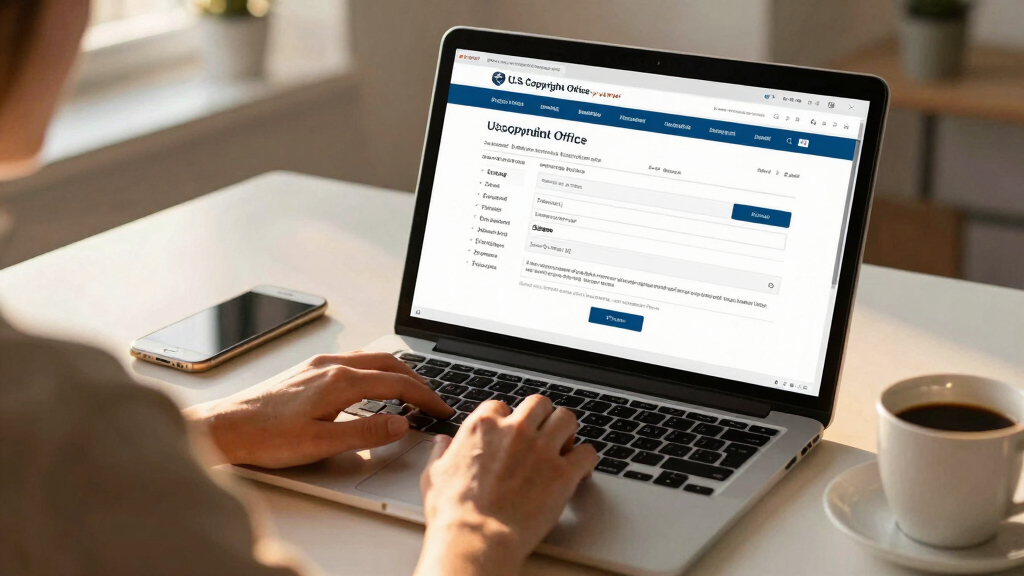
The House of Representatives has passed H.R. 6028, a bill that would significantly alter the structure and oversight of the U.S. Copyright Office. The legislation moves authority away from the Library of Congress and makes the Register of Copyrights a presidential appointee, raising concerns about politicization and reduced public oversight.
The House of Representatives has approved H.R. 6028, a bill that would fundamentally change the governance and appointment process of the U.S. Copyright Office, shifting control from the Library of Congress to a presidential appointee confirmed by the Senate.
H.R. 6028, titled the ‘Legislative Branch Agencies Clarification Act,’ was passed by a voice vote in the House earlier this week. While officially described as a technical reorganization, it would strip the Copyright Office of its current supervisory role under the Library of Congress. Instead, it would transfer key powers—such as rulemaking authority over digital rights management—to the Register of Copyrights, who would become a presidential appointee confirmed by the Senate. This change could increase political influence over copyright policy, which has historically been shaped by a more independent office. Critics, including the Electronic Frontier Foundation (EFF), warn that these reforms could weaken checks and balances designed to serve the public interest, especially given the Copyright Office’s influential role in copyright law and policy debates affecting free expression, technology, and access to knowledge. The bill was introduced and pushed through Congress without hearings or extensive debate, raising concerns about transparency and public oversight.
Implications of Increased Political Control Over Copyright Policy
This legislation could significantly shift the balance of power in copyright policymaking, making the Copyright Office more susceptible to political and industry influence. Moving authority away from the Library of Congress and appointing the Register as a presidential nominee could lead to policies favoring industry interests over public rights, affecting free speech, innovation, and access to knowledge. The change raises questions about accountability and the role of the Office in safeguarding the public interest amid evolving digital rights issues.
As an affiliate, we earn on qualifying purchases.
Background on the Structure and Influence of the Copyright Office
The U.S. Copyright Office has historically operated under the supervision of the Library of Congress, serving as an administrative and advisory body responsible for registering copyrights and providing expertise to Congress. Over the past two decades, it has gained influence in shaping copyright policy, notably through its reports and participation in rulemaking under the DMCA. Critics have argued that its positions have sometimes favored industry interests over public rights, exemplified by its support for controversial legislation like SOPA and its handling of AI and fair use issues. The proposed bill, H.R. 6028, aims to reconfigure this structure by removing the Office’s supervisory link to the Library and making the Register a presidential appointee, a move opposed by many public interest advocates.
“The bill’s passage marks a significant shift toward politicizing an office that has traditionally maintained a degree of independence, which could have long-term implications for copyright policy.”
— an anonymous researcher
As an affiliate, we earn on qualifying purchases.
Unclear Impacts and Next Steps for the Bill
It is not yet clear how the Senate will respond to H.R. 6028, or whether amendments will be proposed to address concerns about politicization and oversight. The long-term effects on copyright policy and public access remain uncertain, pending further legislative debate and potential judicial challenges.
As an affiliate, we earn on qualifying purchases.
Next Steps for Legislation and Public Oversight
The Senate is expected to review H.R. 6028 in the coming weeks. Advocacy groups and public interest organizations are urging senators to oppose the bill or seek amendments that preserve the Office’s independence and oversight functions. The outcome will significantly influence the future of copyright policy and the balance of power between industry interests and the public.
As an affiliate, we earn on qualifying purchases.
Key Questions
What are the main changes proposed by H.R. 6028?
The bill would remove the Copyright Office’s supervisory link to the Library of Congress, transfer rulemaking authority over digital rights management to the Office, and make the Register of Copyrights a presidential appointee confirmed by the Senate.
Why are critics concerned about this bill?
Critics argue it could politicize copyright policymaking, weaken public oversight, and favor industry interests over public rights, potentially impacting free expression and access to knowledge.
Has the bill been debated publicly?
No. The bill was fast-tracked through Congress without hearings or extensive debate, raising concerns about transparency and public engagement.
What is the role of the Library of Congress in copyright matters?
Traditionally, the Library supervises the Copyright Office, ensuring it aligns with public interests and knowledge preservation. The proposed changes would sever this connection.
What happens next in the legislative process?
The Senate will review H.R. 6028, with possible amendments or rejection. Advocacy groups are urging opposition to prevent further politicization of the Copyright Office.
Source: Hacker News
Halloween Picks
halloween
As an affiliate, we earn on qualifying purchases.