TL;DR

Get privacy and security gear delivered free with Prime
- Fast, free delivery on millions of items
- Prime Video, Amazon Music and more included
- Member-only deals all year
Nikkei Asia reports that Japan’s Self-Defense Forces used USB drives infected with a virus linked to Chinese hackers for nearly a year. The force chose not to disclose this despite widespread availability of similar drives online. The development raises serious cybersecurity and national security concerns.
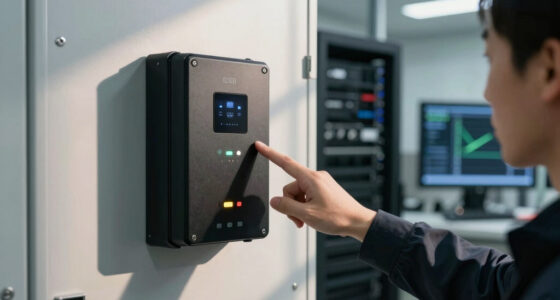
Japan’s Self-Defense Forces used USB drives containing a virus linked to Chinese hackers on computers with access to classified information for nearly a year, according to a Nikkei investigation. The force did not disclose this security breach despite the availability of similar infected drives online, raising concerns over cybersecurity practices and national security.
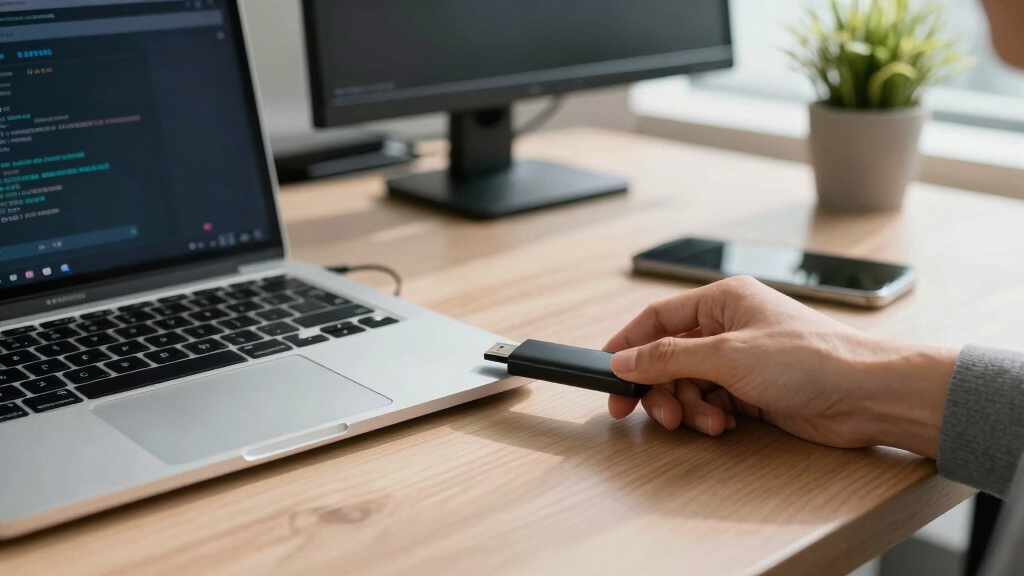
The investigation by Nikkei Asia found that the Ground Self-Defense Force utilized USB memory sticks infected with a virus believed to be connected to Chinese cyber espionage efforts. These drives were used on computers that handled sensitive, classified data for approximately 12 months before the issue was identified. Despite the known risks and the widespread availability of similar drives on the open market, the Self-Defense Forces opted not to inform the public or relevant authorities about the infection during that period.
Sources within the defense sector indicated that the infected USB drives were part of routine operational procedures, but the specific origin and nature of the virus remain under investigation. The virus is believed to have been capable of exfiltrating data or providing backdoor access to cyber actors aligned with Chinese interests, according to cybersecurity experts consulted by Nikkei Asia. The Defense Ministry has yet to officially comment on the incident or confirm the infection’s scope and impact.
Implications for Japan’s Cybersecurity and National Security
This incident underscores vulnerabilities within Japan’s defense cybersecurity protocols, especially regarding the use of external storage devices. The potential compromise of classified information could have serious national security implications, including espionage or data theft by foreign actors. It also raises questions about transparency and risk management within Japan’s defense agencies amid increasing cyber threats from state-linked actors.
USB drives with encryption for security
As an affiliate, we earn on qualifying purchases.
As an affiliate, we earn on qualifying purchases.
Background of Cybersecurity Concerns in Japan’s Defense Sector
Japan has faced rising cyber threats from China and other nations, with several past incidents involving espionage and cyber espionage campaigns targeting government and military networks. The use of infected USB drives in a defense context is part of a broader pattern of vulnerabilities exploited by advanced persistent threats (APTs). This incident adds to the ongoing concerns about the adequacy of Japan’s cybersecurity defenses, especially in sensitive areas such as military operations.
“The use of infected USB drives on classified systems indicates serious lapses in security protocols and highlights the need for stricter controls and monitoring.”
— an anonymous cybersecurity expert
Secure USB flash drives for sensitive data
As an affiliate, we earn on qualifying purchases.
As an affiliate, we earn on qualifying purchases.
Scope of the Infection and Official Response Still Unclear
It is not yet clear how many systems were affected, the full extent of data compromised, or whether the virus was actively used for espionage. The Defense Ministry has not issued detailed statements, and investigations are ongoing to determine the full scope and impact of the infection.
Cybersecurity USB protection tools
As an affiliate, we earn on qualifying purchases.
As an affiliate, we earn on qualifying purchases.
Ongoing Investigations and Potential Security Reforms
Authorities are expected to conduct a comprehensive review of cybersecurity protocols within Japan’s defense forces. Further disclosures may follow as investigations clarify the scope of the breach and assess potential damages. Enhanced security measures and stricter controls on external devices are likely to be prioritized to prevent recurrence.
USB drives with hardware encryption
As an affiliate, we earn on qualifying purchases.
As an affiliate, we earn on qualifying purchases.
Key Questions
How did the USB drives become infected?
It is currently unknown how the USB drives were infected or whether they were intentionally compromised. Investigations are ongoing to determine the origin of the virus.
Could this have led to a security breach?
Yes, if the virus was capable of exfiltrating data, it could have compromised sensitive information or provided backdoor access to cyber actors linked to China. The full extent remains under review.
Will Japan strengthen its cybersecurity measures?
It is expected that Japan’s defense agencies will implement stricter controls on external devices and enhance cybersecurity protocols in response to this incident.
Has the government commented on the incident?
The Defense Ministry has not yet issued a detailed public statement regarding the scope or impact of the infection, but investigations are ongoing.
Source: Nikkei Asia
Halloween Picks
halloween
As an affiliate, we earn on qualifying purchases.