TL;DR
A new inspector general report exposes significant cybersecurity weaknesses within the Secret Service, including the use of insecure personal phones by agents. These vulnerabilities could enable foreign adversaries to intercept sensitive information and threaten US officials’ safety.
Recent findings from the Department of Homeland Security inspector general reveal that Secret Service agents have engaged in poor cybersecurity practices, leaving their phones vulnerable to hacking and risking the safety of US officials they are tasked with protecting.
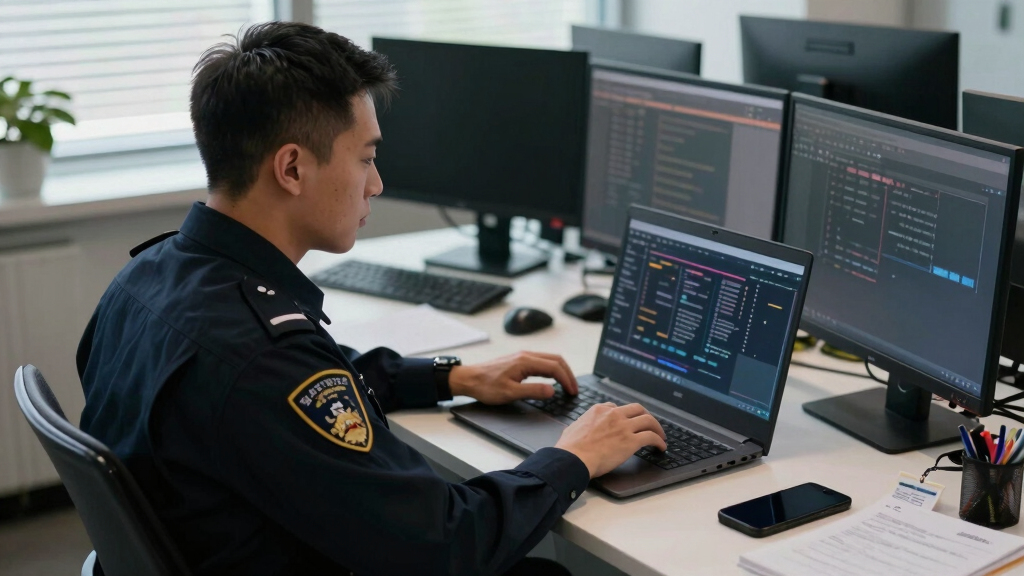
The inspector general’s report states that Secret Service personnel often use personal mobile devices instead of official government phones during protective missions. This practice exposes sensitive mission-related data—such as contacts, geolocation, and photos—to potential interception by foreign adversaries, including spies and terrorists.
The report emphasizes that such vulnerabilities could be exploited to plan attacks against protectees or Secret Service employees. It also notes that the agency has failed to wipe employees’ phones after international travel and lacks a formal policy for testing software before deployment on these devices.
Specifically, the report cites a July 13, 2024, incident in Butler, Pennsylvania, where a Secret Service agent used a personal device to receive critical information about an assassination attempt, due to reliability issues with their government-issued phone. At that time, intelligence indicated a separate plot by Iran to target then-President Donald Trump, with Iran known for cyber-espionage activities.
The incident in Butler involved a suspect, Thomas Crooks, who was able to fly a drone undetected and climb onto a rooftop with a rifle, despite being observed by law enforcement. Failures in communication, partly attributed to phone issues, hindered timely response and contributed to the security lapse. The agency has since begun deploying mobile cell coverage at similar events to address connectivity issues.
The Secret Service acknowledged the report’s findings and stated it has taken or is in the process of implementing measures to enhance communication security. However, the agency declined to comment directly on the report, directing inquiries to a letter from Director Sean Curran, which outlines ongoing security improvements.
Implications for US National Security
The report underscores systemic cybersecurity vulnerabilities within the Secret Service, raising concerns about the potential for foreign adversaries to intercept sensitive communications and plan attacks. These weaknesses threaten the safety of high-level officials and could undermine national security if exploited by hostile entities.
Given the Secret Service’s critical role in protecting the President, Vice President, and other senior officials, these lapses highlight urgent needs for security reforms and stricter device management protocols. The findings also revive longstanding concerns about the agency’s technological readiness and operational security.

Gemaxvoled Cell Phone Jail Lock Box, Mobile Phones Prison Lockable Cage for Classroom Family Time Party
- Enhances Face-to-Face Interaction: Encourages real communication during family time
- Reduces Phone Addiction: Locks away phones to promote focus and self-control
- Spacious Design: Holds up to six mobile phones, 5.9×5.12×7.48 inches
As an affiliate, we earn on qualifying purchases.
As an affiliate, we earn on qualifying purchases.
Background on Secret Service Communication Challenges
The Secret Service has faced ongoing criticism over its communication and cybersecurity practices, especially following the 2024 Butler incident, which exposed vulnerabilities in its protective operations. For years, agents have reported limitations with government-issued phones, including restrictions on certain apps used to coordinate with foreign counterparts. The agency’s reliance on personal devices and inconsistent security policies have been longstanding issues, compounded by recent incidents involving drone surveillance and delayed response times.
Previous investigations have highlighted similar concerns about the agency’s cybersecurity posture, with some pointing to a lack of comprehensive device management and testing protocols. The recent IG report consolidates these issues, emphasizing the need for urgent reforms to prevent future security breaches.
“The vulnerabilities identified could be exploited by foreign adversaries to gain access to sensitive information, posing a serious threat to national security.”
— an anonymous researcher

Military-Grade AES 256 Hardware Encrypted Earbuds 2-Pack – Off-Grid Secure
- Military-Grade Voice Encryption: Local onboard encryption chip
- Off-Grid Operation: Works without internet or cloud
- Cellular & VOIP Compatibility: Encrypted calls over standard networks
As an affiliate, we earn on qualifying purchases.
As an affiliate, we earn on qualifying purchases.
Unresolved Questions About Security Reforms
It is not yet clear how quickly the Secret Service will implement the recommended security measures or whether these changes will fully mitigate the identified vulnerabilities. Details about ongoing testing protocols and the scope of device security upgrades remain undisclosed, and it is uncertain if further breaches have occurred since the report’s publication.

Cybersecurity Analyst Because Badass Isn't an Official Job Case for iPhone 11
- Express Your Cybersecurity Passion: Bold statement for digital defenders
- Dual-Layer Protection: Scratch-resistant polycarbonate and shock-absorbent TPU
- Made in the USA: Printed domestically for quality
As an affiliate, we earn on qualifying purchases.
As an affiliate, we earn on qualifying purchases.
Next Steps for Securing Secret Service Communications
The Secret Service is expected to accelerate the deployment of enhanced security protocols, including stricter device management and software testing procedures. Congressional oversight and further investigations are likely to scrutinize the agency’s progress in addressing these vulnerabilities. Additionally, lawmakers may push for legislative or budgetary measures to ensure tighter cybersecurity standards across federal protective services.
McAfee Total Protection 2026 Antivirus Software for 5 Devices | Auto-Renews
- Device Security: Protects multiple devices with real-time threat detection
- Scam Detector: Identifies risky texts, emails, and videos
- Secure VPN: Private, unlimited VPN for safe browsing
As an affiliate, we earn on qualifying purchases.
As an affiliate, we earn on qualifying purchases.
Key Questions
What specific cybersecurity vulnerabilities were found in the Secret Service?
The report identified that agents frequently use personal phones with inadequate security, fail to wipe devices after international travel, and lack policies for testing software before deployment, all of which increase hacking risks.
Could these vulnerabilities have led to an attack on US officials?
While no direct attack has been confirmed, the vulnerabilities could have been exploited by foreign adversaries to intercept communications or plan attacks, as exemplified by past incidents involving drone surveillance and delayed response during the Butler rally.
What measures is the Secret Service taking to improve cybersecurity?
The agency has announced it is implementing security enhancements, including better device management, security protocols, and deploying mobile coverage at events, though details remain limited.
Will this report lead to legislative action or reforms?
It is likely that Congress will scrutinize the Secret Service’s cybersecurity practices further and consider legislative or budget measures to strengthen protections for officials and sensitive communications.
Are similar issues present in other federal agencies?
Yes, cybersecurity vulnerabilities related to mobile device security are common across various federal agencies, highlighting a broader need for systemic reforms in government cybersecurity practices.
Source: Google Trends