
TL;DR

Get privacy and security gear delivered free with Prime
- Fast, free delivery on millions of items
- Prime Video, Amazon Music and more included
- Member-only deals all year
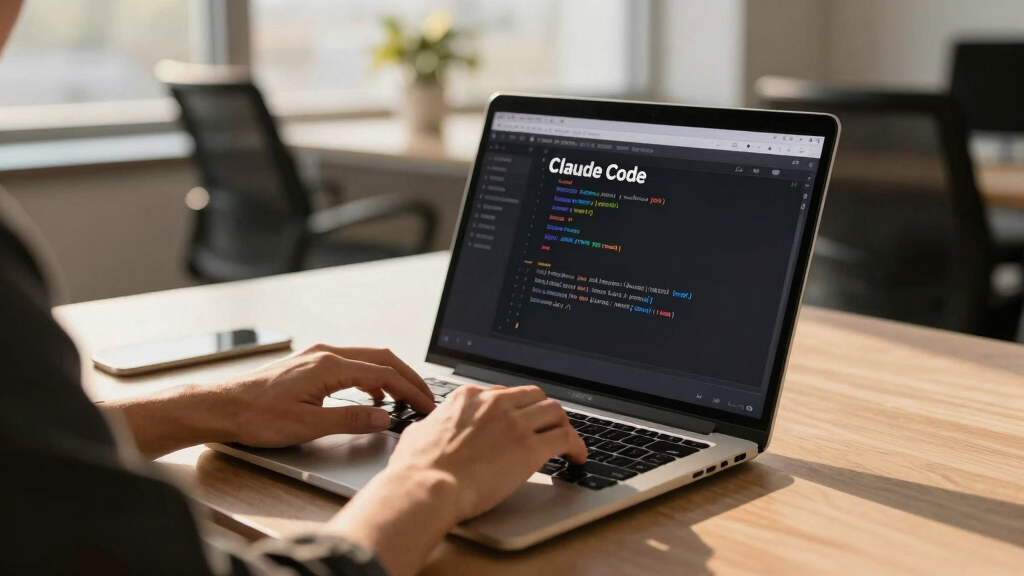
Alibaba is reportedly set to prohibit the use of Claude Code within its operations over security concerns related to potential backdoor vulnerabilities. The decision underscores ongoing risks associated with AI coding tools.
Alibaba is preparing to ban the use of Claude Code in its workplace due to concerns about potential backdoor vulnerabilities, a source familiar with the matter said. The move highlights increasing scrutiny of AI coding tools amid security fears, especially in large tech firms handling sensitive data.
The decision to prohibit Claude Code, an AI-powered coding assistant developed by Anthropic, is reportedly driven by Alibaba’s internal security assessments. The source indicated that the company identified possible backdoor risks associated with the tool, which could potentially allow unauthorized access or data leaks.
Alibaba has not officially confirmed the ban but is said to be in the process of implementing restrictions on AI coding tools across its divisions. The source emphasized that this step is precautionary, aiming to mitigate security vulnerabilities linked to external AI services.
Implications for AI Security in Major Tech Firms
This development signals heightened caution among leading technology companies regarding the security of AI tools. The move by Alibaba reflects broader concerns about backdoor vulnerabilities in AI software, which could pose risks to corporate data, intellectual property, and user privacy. As AI adoption accelerates, firms may increase scrutiny and impose restrictions, impacting how AI is integrated into enterprise workflows.AI coding assistant security software
As an affiliate, we earn on qualifying purchases.
As an affiliate, we earn on qualifying purchases.
Over the past year, several reports have highlighted potential security flaws in AI systems, including backdoors that could be exploited by malicious actors. Major companies, including Microsoft and Google, have conducted internal security reviews of their AI tools but have yet to implement widespread bans.
Claude Code, developed by Anthropic, is among the popular AI coding assistants used by tech firms for automating programming tasks. However, concerns about its security implications have grown amid increased scrutiny of AI vulnerabilities.
“The company is taking a cautious approach and is considering banning Claude Code due to potential backdoor risks that could compromise sensitive data.”
— anonymous source close to Alibaba
As an affiliate, we earn on qualifying purchases.
Details of the Backdoor Risks and Official Confirmation
It is not yet clear whether Alibaba’s ban will be fully implemented or if other AI tools will face similar restrictions. The company has not officially confirmed the decision, and the specifics of the alleged backdoor vulnerabilities remain undisclosed. Further details about the security assessment are still emerging.
AI backdoor vulnerability detection
As an affiliate, we earn on qualifying purchases.
As an affiliate, we earn on qualifying purchases.
Alibaba’s Next Steps in AI Security Policy
Alibaba is expected to finalize its decision on banning Claude Code within the coming weeks. The company may also review other AI tools and implement stricter security protocols. Industry observers will be watching to see if other firms follow suit or introduce new security measures for AI coding assistants.
As an affiliate, we earn on qualifying purchases.
Key Questions
Why is Alibaba considering banning Claude Code?
According to a source, Alibaba is concerned about potential backdoor vulnerabilities in Claude Code that could compromise security and data integrity.
What are backdoor vulnerabilities in AI tools?
Backdoor vulnerabilities are hidden features or flaws in software that can be exploited by malicious actors to gain unauthorized access or control.
Has Alibaba officially confirmed the ban?
No, Alibaba has not officially announced the ban; the information comes from an anonymous source and is still being evaluated.
Could this affect other companies’ use of AI coding tools?
Yes, increased security concerns may lead other firms to review or restrict their use of AI coding assistants, especially those with potential vulnerabilities.
What is the significance of this development for AI security?
This move highlights growing awareness and caution around AI vulnerabilities, especially in large organizations handling sensitive information, potentially shaping future AI security policies.
Source: hn
Fall Picks
fall essentials
As an affiliate, we earn on qualifying purchases.