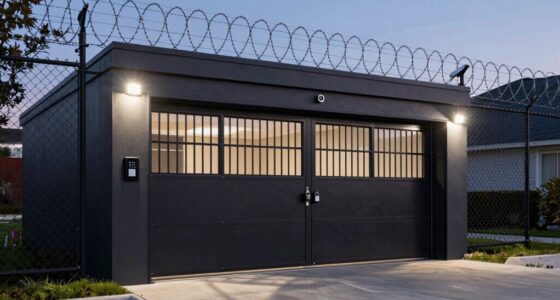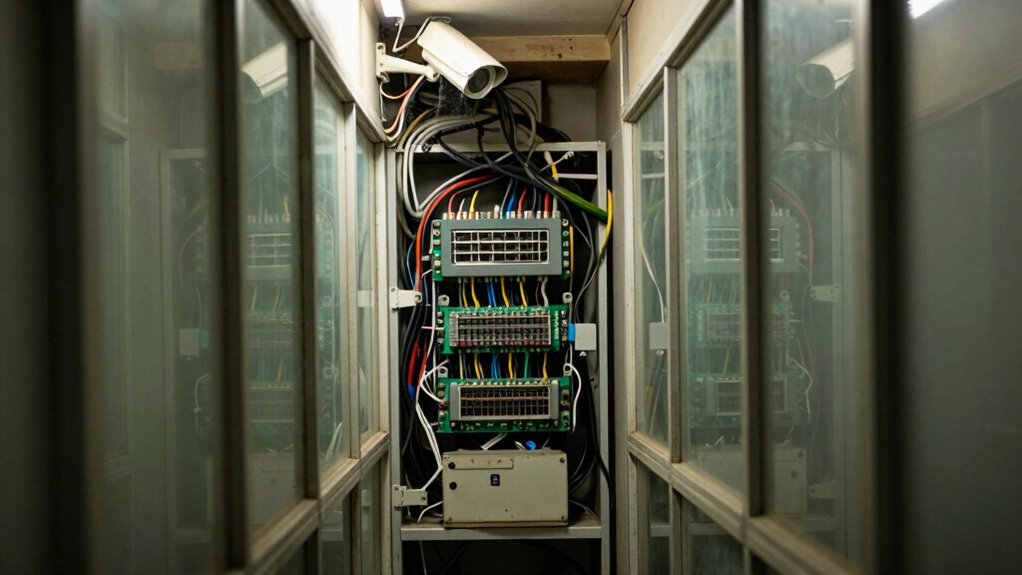

The most overlooked security problem in mixed-use buildings is insufficient management of access control and emergency protocols. You might focus on routine security but neglect key areas like shared spaces, emergency exits, and communication systems. Without strict access measures and well-practiced emergency plans, vulnerabilities increase, risking theft, injury, or chaos during crises. Making sure these aspects are covered is essential, and there’s more to reflect on to keep everyone safe.

Get privacy and security gear delivered free with Prime
- Fast, free delivery on millions of items
- Prime Video, Amazon Music and more included
- Member-only deals all year
Key Takeaways
- Inconsistent access control across tenant and shared areas creates security vulnerabilities.
- Emergency protocols are often outdated or poorly communicated, risking occupant safety during crises.
- Shared amenities and spaces frequently lack proper security measures and access restrictions.
- Security technology may be unevenly implemented, leaving some areas vulnerable to exploitation.
- Regular security audits and staff training are often neglected, reducing overall preparedness.
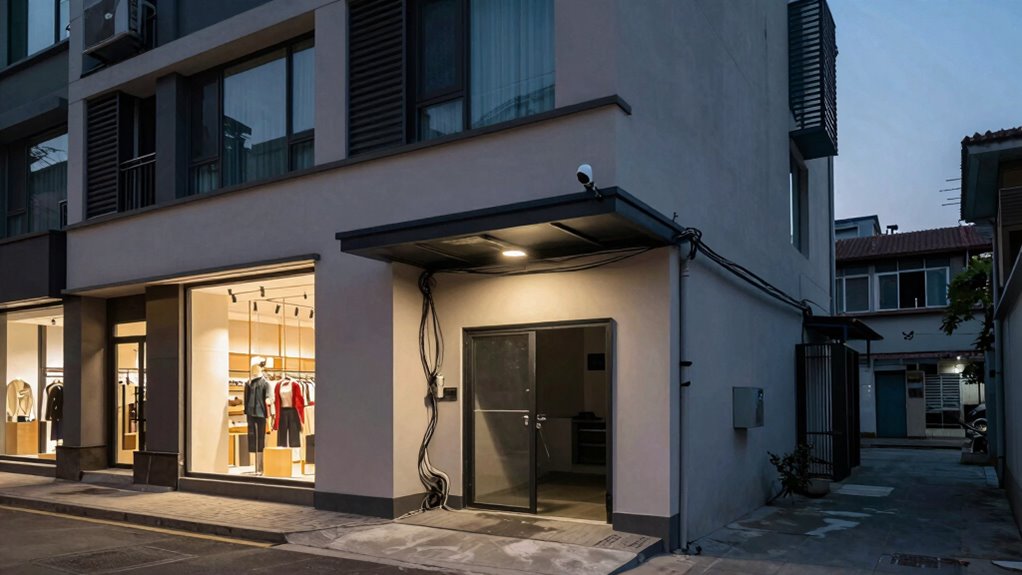
Mixed-use buildings offer convenience and efficiency, but they also pose a hidden security risk that many overlook. These structures combine residential, commercial, and sometimes even industrial spaces, creating a complex environment that demands robust security measures. One of the most neglected issues is the inconsistency and gaps in access control. When different tenants or property managers handle access differently, it creates vulnerabilities that can be exploited. For instance, shared entry points like lobbies, elevators, or stairwells often lack strict access control measures, allowing unauthorized individuals to gain entry easily. If you don’t have a clear, centralized system for managing who can enter specific areas, you’re leaving the building open to potential threats, from theft to unwanted intrusion.
Another key oversight involves emergency protocols. Many building managers focus on routine security, but neglect to develop or regularly update plans for emergencies. In a mixed-use setting, the diversity of occupants—residents, shoppers, employees—means that emergency responses must be well-coordinated and tailored to different scenarios. When protocols aren’t clearly communicated or tested, chaos can ensue during a crisis. For example, if residents are unaware of evacuation procedures or if emergency exits aren’t properly marked and accessible, the risk of injury or confusion rises considerably. Proper emergency protocols should include clear signage, regular drills, and designated assembly points, but these are often overlooked or inadequately implemented. Effective communication is essential to ensure everyone understands their role during emergencies and to minimize confusion.
You might also underestimate how overlapping spaces and shared amenities complicate security efforts. Common areas like parking garages, rooftops, or laundry rooms can become weak points if access isn’t carefully controlled. Without strict protocols, unauthorized individuals could access these spaces, increasing the risk of theft, vandalism, or worse. Additionally, if emergency protocols are not adapted to cover these shared spaces, occupants might not know how to respond effectively during an incident, prolonging danger or confusion. Implementing security technology such as surveillance cameras and integrated alarm systems can help monitor these areas more effectively. Moreover, regular security audits can identify vulnerabilities in these shared zones before they are exploited. Failing to consider the security implications of shared amenities leaves gaps that could be exploited during emergencies or criminal activities. Recognizing the importance of consistent access management across all shared spaces can significantly enhance overall security.
To truly secure a mixed-use building, you need to pay attention to how access is managed and guarantee your emergency protocols are all-encompassing and practiced. Implementing advanced access control systems—such as keycards, biometric scanners, or digital entry logs—can considerably reduce vulnerabilities. Equally important is establishing clear, rehearsed emergency procedures that accommodate the building’s diverse population. When these elements are overlooked, the building remains an inviting target for threats that could otherwise be mitigated with proper planning. Security isn’t just about prevention; it’s about creating a resilient environment where everyone knows how to respond swiftly and safely.
access control system for mixed-use buildings
As an affiliate, we earn on qualifying purchases.
As an affiliate, we earn on qualifying purchases.
Frequently Asked Questions
How Do Security Protocols Differ Between Residential and Commercial Areas?
You need to tailor security protocols to each area’s needs. In residential zones, focus on access control through keycards or biometric systems and prioritize emergency planning that guarantees residents’ safety. Commercial spaces require stricter access control, often with security personnel, and thorough emergency plans for evacuations or potential threats. Balancing these protocols helps protect both residents and businesses effectively, addressing unique risks in each area.
What Are Common Security Vulnerabilities Unique to Mixed-Use Buildings?
In mixed-use buildings, security vulnerabilities are like tangled vines—hard to spot but risky. You often overlook access control between residential and commercial zones, creating gaps for intruders. Emergency planning can also fall through the cracks, leaving residents and tenants vulnerable. Strengthening access control systems and rehearsing emergency plans guarantee everyone’s safety, effectively cutting through the tangled vines and creating a secure, harmonious environment for all.
How Can Technology Improve Security in These Buildings?
You can improve security in mixed-use buildings by implementing smart surveillance systems that provide real-time monitoring and alerts, helping you quickly identify suspicious activity. Access control technologies, like biometric scanners or digital key cards, restrict entry to authorized individuals only. Together, these tools create a layered security approach, ensuring residents and tenants feel safe while making it easier for you to manage security efficiently.
Who Is Responsible for Security Oversight in Mixed-Use Properties?
You’re the hero—or villain—when it comes to security oversight in mixed-use buildings. Tenant responsibilities include staying alert and reporting suspicious activity, while management handles emergency preparedness plans. Ultimately, property managers coordinate security efforts and guarantee compliance, but as a tenant, your vigilance keeps the whole system afloat. Remember, neglecting your role could turn a secure building into chaos—so stay engaged, prepared, and proactive in safeguarding your shared space.
What Are the Cost-Effective Security Measures for Such Buildings?
You can implement cost-effective security measures like access control systems to monitor entry points and restrict unauthorized access. Combining this with emergency preparedness plans guarantees quick response during crises. Regularly train staff on safety procedures and conduct drills to boost readiness. These affordable steps enhance security without overspending, helping protect residents, employees, and visitors while maintaining a safe environment in your mixed-use building.
emergency exit signage and lighting
As an affiliate, we earn on qualifying purchases.
As an affiliate, we earn on qualifying purchases.
Conclusion
Don’t dismiss the danger of disorganized access in your diverse domes. By diligently designing, detailing, and deploying dedicated security measures, you prevent potential perils. Prioritize proper planning, proactive placement, and persistent patrols to protect residents, renters, and visitors alike. Recognize the overlooked, often underestimated, security snares lurking within mixed-use marvels. Ultimately, a vigilant, well-ventured vision vanquishes vulnerabilities, ensuring your building’s safety stays steadfast, secure, and sound.
security cameras for shared spaces
As an affiliate, we earn on qualifying purchases.
As an affiliate, we earn on qualifying purchases.
As an affiliate, we earn on qualifying purchases.
Fall Picks
fall essentials
As an affiliate, we earn on qualifying purchases.