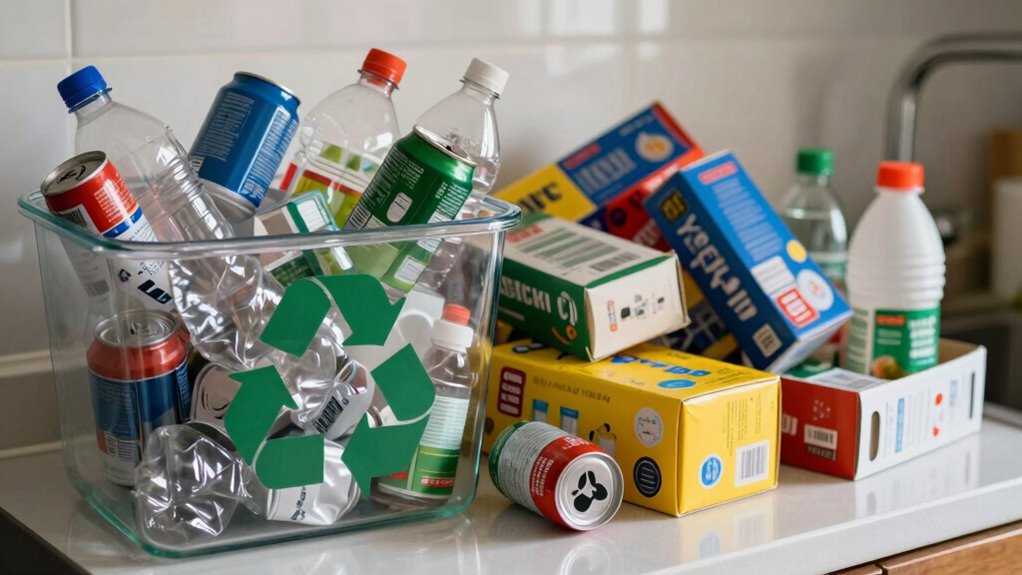

When you buy new plastics without checking if they’re recyclable, you risk increasing waste and undermining your recycling efforts. Many new packages look appealing but may not be accepted in your local recycling program, leading to contamination or rejection. Ignoring recyclability can cause more plastics to end up in landfills, nullifying your eco-friendly choices. If you keep exploring, you’ll discover how staying informed about recycling symbols and guidelines can help you make smarter, more sustainable purchases.
Key Takeaways
- Purchasing new plastics without checking their recyclability can lead to contamination and improper disposal.
- Recycling symbols on packaging indicate whether items are recyclable, guiding smarter buying decisions.
- Buying non-recyclable plastics increases waste and hampers effective recycling efforts.
- Ignoring recycling guidelines for new products can cause them to be rejected or landfilled.
- Mindful purchasing of recyclable packaging supports sustainable waste management practices.
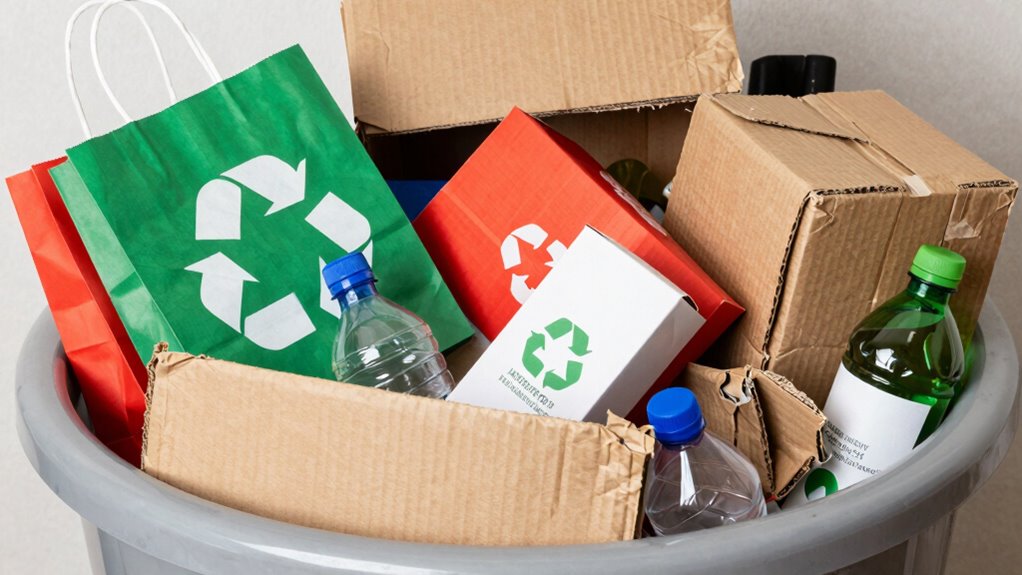
Many people assume that tossing items into the recycling bin automatically helps the environment, but making a common recycling mistake can actually cause more harm than good. One of the biggest issues is plastic contamination. When you toss plastics that aren’t properly cleaned or are mixed with other materials, it can disrupt the entire recycling process. Recycling facilities are strict about what they accept because plastic contamination can damage machinery or lower the quality of recycled materials. If your plastics aren’t rinsed and sorted correctly, they might be rejected, which means your effort ends up in the landfill anyway.
Understanding recycling regulations is vital to avoiding this mistake. Different areas have specific rules about what can and cannot be recycled, and ignoring these can lead to contamination. For example, some communities don’t accept plastic bags in curbside recycling because they can clog sorting machines. Others might have strict rules about labeling and types of plastics accepted. When you don’t follow these regulations, your recycled items may be considered non-recyclable and discarded, wasting resources and effort. Even well-intentioned recycling can backfire if you’re not aware of local rules, turning your recycling efforts into a new purchase habit rather than a sustainable practice.
What’s more, recycling regulations are constantly evolving, and it’s easy to get confused. You might assume that throwing in plastic containers without checking if they’re recyclable in your area is fine, but many plastics require specific handling. For instance, some plastics marked with certain numbers are recyclable, while others aren’t. If you ignore these distinctions, you risk contaminating the recycling stream. This can lead to recyclable plastics being diverted to landfills, negating your efforts to reduce waste and promote sustainability. Staying informed about recycling guidelines is crucial for effective waste management. Additionally, being aware of plastic types common in packaging can help you make smarter choices about your purchases.
Another aspect to bear in mind is that when you see new plastic products or packaging, it can tempt you to buy more, thinking you’re doing the right thing by recycling. But if these new purchases are made without evaluating their recyclability or if they contribute to plastic contamination, you’re unintentionally undermining your environmental goals. It’s helpful to learn about recycling symbols to quickly identify what can be recycled at a glance. Recycling is most effective when combined with mindful consumption—buying products with minimal or recyclable packaging and understanding local regulations to guarantee your recycling efforts aren’t wasted. Furthermore, staying updated on recycling regulations can help you adapt your habits as rules change, ensuring ongoing compliance.
In the end, making sure your plastics are clean, sorted correctly, and compliant with local recycling regulations is essential. It’s a small effort that makes a big difference, preventing contamination and ensuring your recycling truly contributes to a healthier planet. Avoiding this common mistake helps guarantee your recycling efforts are effective and that new purchases don’t inadvertently undo your sustainability goals.

Magnet Illustration Icons Recycling Symbols of Various Materials. Ideal for catalogs, Information and Recycling Guides. Magnetic Vinyl Sticker 5"
Size 5" – Premium high-quality magnets. Crafted to withstand the elements and maintain their vibrant appeal, these magnets…
As an affiliate, we earn on qualifying purchases.
As an affiliate, we earn on qualifying purchases.
Frequently Asked Questions
How Can I Identify Recyclable Packaging From Non-Recyclable?
You can identify recyclable packaging by checking the packaging symbols and recycling labels. Look for the recycling symbol, usually a triangle with arrows, which indicates recyclability. Some labels specify the material, like PET or HDPE, confirming if it’s recyclable. Always read the symbols carefully—if it’s marked with a “widely recyclable” label or similar, you can confidently recycle it. When in doubt, check local recycling guidelines.
What Are the Environmental Impacts of False Recycling Advertising?
False recycling advertising, fueled by greenwashing practices, can cause environmental chaos! When companies falsely claim their products are recyclable, it tricks you into tossing non-recyclables into the bin, contaminating recycling streams and overwhelming waste management systems. This recycling myth wastes resources, increases landfill overflow, and undermines genuine sustainability efforts. By falling for these false claims, you inadvertently support environmental harm, making it essential to verify recycling labels and combat misleading greenwashing practices.
How Does Recycling Affect the Lifespan of New Products?
Recycling can extend the lifespan of new products by promoting reuse and reducing waste. However, frequent recycling may lead to material degradation, affecting product durability over time. As you recycle, the quality of materials might decline, making products less durable and more prone to damage. To maximize lifespan, guarantee proper recycling practices, and consider the effects of material degradation on the long-term durability of your goods.
Are There Legal Consequences for Companies Promoting False Recycling Claims?
You should know that false advertising about recycling can lead to serious legal penalties. When companies promote false recycling claims, they risk legal consequences like fines and lawsuits. This deception not only misleads consumers but also damages trust, much like a fragile product that appears durable. You’re responsible for ensuring honesty in marketing, and false advertising can backfire, highlighting the importance of transparency for sustainable, trustworthy business practices.
What Steps Can Consumers Take to Verify Recycling Claims?
To verify recycling claims, you should research the company’s certifications and look for credible labels like the Green Seal or EcoLabel. Be aware of recycling myths that can mislead consumers, and stay informed through consumer awareness resources. Check official recycling guidelines from local authorities to see if the product aligns with accepted practices. Asking questions or contacting the company directly can also help confirm if their claims are truthful and trustworthy.

50-Pack Reusable Meal Prep Containers Microwave Safe Food Storage Containers with Lids, 28 oz – 1 Compartment Take Out Disposable Plastic Bento Lunch Box To Go, BPA Free – Dishwasher & Freezer Safe
🍱SINGLE 1 COMPARTMENT MEAL PREP CONTAINERS, LEAK PROOF, STRONG DURABLE CONSTRUCTION – Advance meal prep containers, diet portion…
As an affiliate, we earn on qualifying purchases.
As an affiliate, we earn on qualifying purchases.
Conclusion
Remember, recycling isn’t just about sorting waste—it’s about making smarter choices. Did you know that nearly 30% of recyclable items are contaminated by improper disposal? That’s like tossing away potential new purchases by mistake! By avoiding common recycling errors, you not only protect the environment but also help guarantee your efforts lead to real benefits. So, next time you recycle, double-check those items—you might just be saving money and supporting a greener future at the same time.
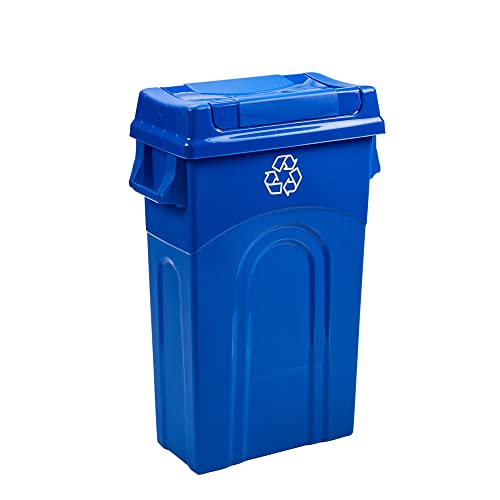
United Solutions 23 Gallon Highboy Plastic Recycling Bin Kitchen Trash Can with Lid, Pass Through Handles, and Dustpan Edge, Blue
Space Saving Profile – The Highboy bin is perfect for tight or compact spaces; its narrow design and…
As an affiliate, we earn on qualifying purchases.
As an affiliate, we earn on qualifying purchases.

Recycling Rules Poster Paper Plastic Metal Glass Sorting Guide
Recycling Rules Poster Paper Plastic Metal Glass Sorting Guide
As an affiliate, we earn on qualifying purchases.
As an affiliate, we earn on qualifying purchases.