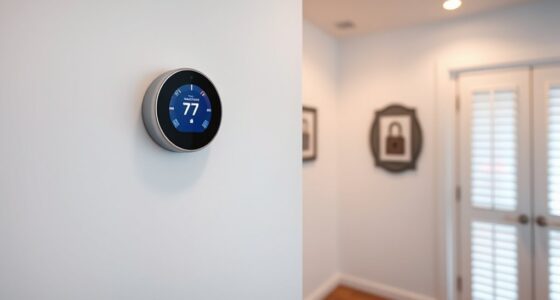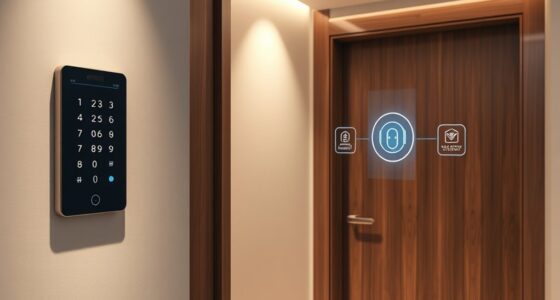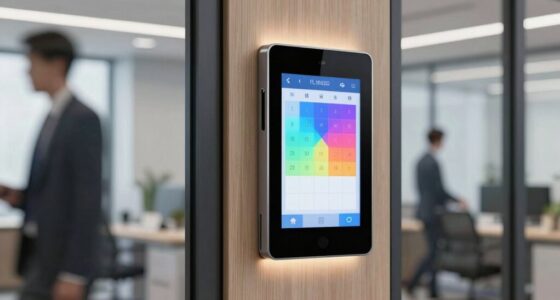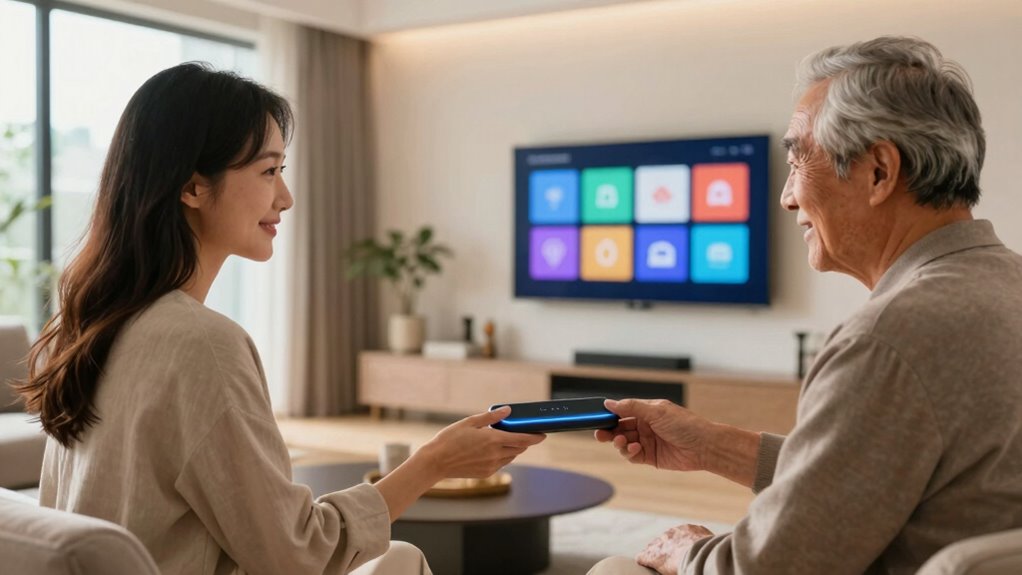

To switch control between family members safely, clearly identify each user and communicate control transfers explicitly. Use authentication methods like biometrics or multi-factor verification to confirm identities during hand-offs. Manage permissions carefully, assigning roles based on needs, and regularly review access rights. Log all control activities for accountability. These steps help protect privacy and prevent unauthorized access—continue to explore how proper management enhances safety and ease in your smart home.
Key Takeaways
- Clearly identify and communicate control transfer to prevent confusion among users.
- Use secure authentication methods like biometrics or multi-factor verification during hand-offs.
- Log and audit control activities to maintain accountability and detect unauthorized access.
- Assign role-based permissions tailored to each family member’s needs and review regularly.
- Guide new controllers through setup, verify permissions with tests, and monitor for security during transition.

Evanshow Fingerprint Door Lock Biometric Door Knob with Keypad Keyless Entry, Door Locks for Bedrooms, Home Hotel Office Apartment Black
4-IN-1 Smart Lock: Fingerprint + Password + 2 Mechanical Keys +4 IC Card; Our door lock provides add…
As an affiliate, we earn on qualifying purchases.
As an affiliate, we earn on qualifying purchases.
What Are the Steps for Safe Control Transfer in a Smart Home?

To guarantee a smooth and secure control transfer in a smart home, you should start by clearly identifying the current controller and the new one. This helps prevent confusion and unauthorized access. Next, communicate the transfer clearly—using voice commands makes this easier and more natural for users during onboarding. Make certain the new controller understands how to operate the system by guiding them through initial setup steps, like linking devices and setting preferences. Confirm that the user has the necessary permissions before proceeding. It’s vital to verify the transfer with a quick voice command test to ensure the new controller can manage the system effectively. Proper onboarding and clear communication establish a seamless, safe control transfer for all family members. Additionally, understanding system permissions and access levels is essential for maintaining security and preventing unauthorized control. Incorporating local automation and routines can further enhance safety by automating certain controls during the hand-off process. Recognizing the importance of color accuracy in projectors can also be relevant if visual confirmation or display calibration is part of the transfer process. Furthermore, being aware of cloud security standards helps ensure that control transfers are protected against potential cyber threats. A comprehensive understanding of security protocols is key to safeguarding the system during the transition.

Yubico – YubiKey 5C NFC – Multi-Factor authentication (MFA) Security Key and passkey, Connect via USB-C or NFC, FIDO Certified – Protect Your Online Accounts
POWERFUL SECURITY KEY: The YubiKey 5C NFC is the most versatile physical passkey, protecting your digital life from…
As an affiliate, we earn on qualifying purchases.
As an affiliate, we earn on qualifying purchases.
How Do Authentication Methods Secure User Control Transfers?
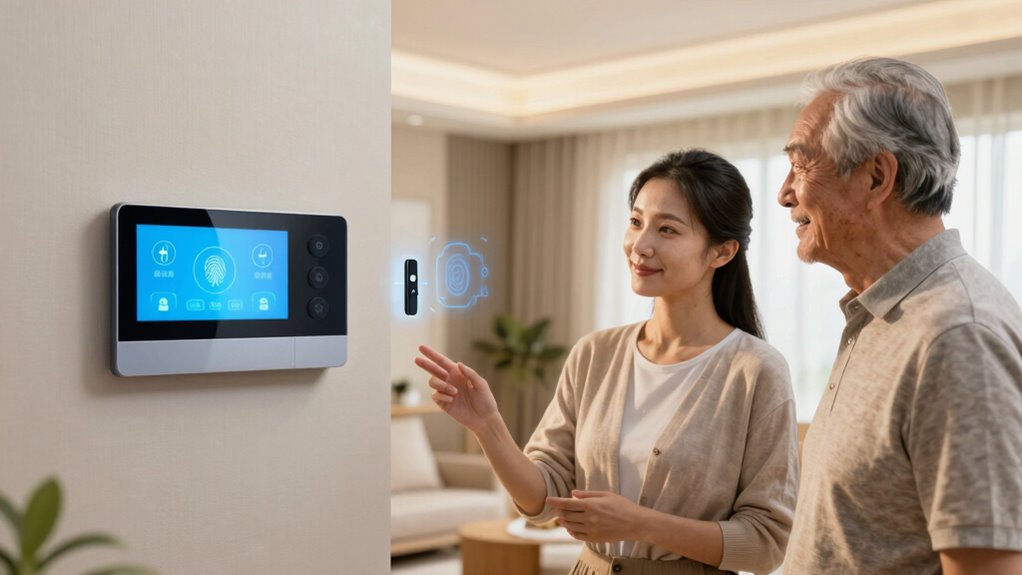
Authentication methods play a vital role in safeguarding user control transfers within a smart home. They guarantee that only authorized family members can take control, preventing unauthorized access. Biometric authentication, like fingerprint or facial recognition, provides a quick and secure way to verify identities during hand-offs. Multi-factor security combines multiple verification methods—such as biometrics plus a PIN or voice command—to add an extra layer of protection. This approach makes it harder for intruders to impersonate users or hijack control. When you transfer control, these authentication methods confirm your identity, maintaining a secure environment. Employing biometric authentication and multi-factor security is especially important in personalized settings, reducing the risk of unauthorized access and guaranteeing control transfers happen safely and seamlessly. Additionally, implementing real-time monitoring can help detect any suspicious activities during control hand-offs, further enhancing security.

Smart Door Access Control System with Tuya APP Remote Video Intercom & Monitoring, Built-in Camera, 600lbs Magnetic Lock, IP68 Metal Keypad, Fingerprint/Password/ID Card Unlock
[3-in-1 Unlocking + Tuya Smart APP Control] Metal access keypad supports fingerprint, password, and 125KHz ID card unlocking….
As an affiliate, we earn on qualifying purchases.
As an affiliate, we earn on qualifying purchases.
How Does Smart Home Hand-Off Protect User Privacy and Security?
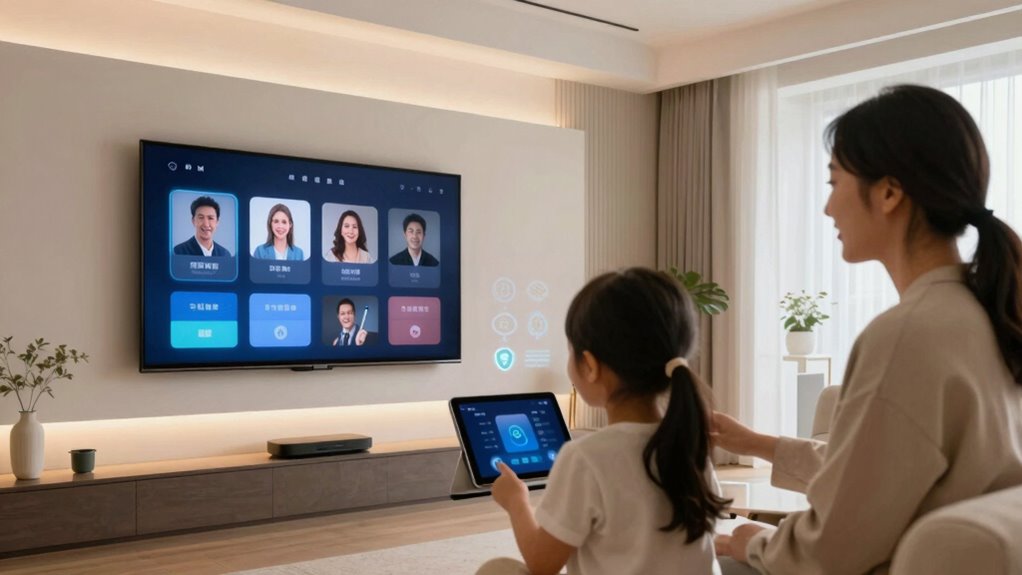
Smart home hand-off systems actively protect your privacy and security by ensuring that control transfers are authorized and secure. They incorporate robust privacy safeguards, such as strict access controls and user verification, to prevent unauthorized control. Data encryption plays an essential role, securing your data during transmission and storage. This encryption ensures that even if data is intercepted, your personal information remains confidential. Additionally, these systems regularly update security protocols to stay ahead of potential threats. Imagine control hand-offs being like guarded doorways, where only trusted individuals gain access. Key features include:
- Privacy safeguards that restrict access to authorized users
- Data encryption that secures information during transfers
- Continuous security updates to defend against emerging threats
- Environmental considerations are also integrated into the system design to manage environmental factors that could impact signal security and reliability. Incorporating robust security measures ensures that environmental factors do not compromise system integrity. Moreover, implementing comprehensive security strategies helps maintain user trust and system resilience in various conditions.
Together, these measures create a safer environment, protecting your privacy every time control switches hands.

GHome Smart Plug, WiFi Smart Plugs Work with Alexa and Google Home, Smart Outlet Timer with APP Remote Control, 2.4GHz Wi-Fi Only, No Hub Required, ETL FCC Listed
Stability Upgrade Quick Connection:Supports Bluetooth or WiFi connection.The improved WiFi technology let you quick connection and stay stable,no…
As an affiliate, we earn on qualifying purchases.
As an affiliate, we earn on qualifying purchases.
Common Challenges When Sharing Smart Home Access: And How to Fix Them
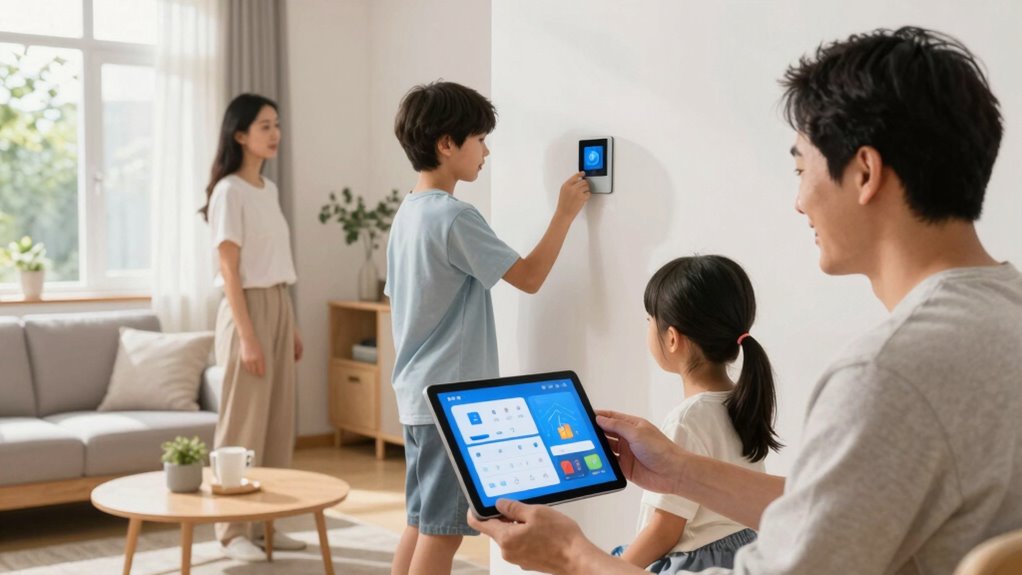
Sharing smart home access can lead to issues with managing permissions and ensuring that everyone’s identity is clear. You might find it tricky to set the right access levels or prevent conflicts when users have similar profiles. Addressing these challenges quickly helps keep your smart home secure and running smoothly.
Managing Access Permissions
Managing access permissions can be tricky because it’s easy to lose track of who has access to your smart home devices and what level of control they have. You need to balance convenience with security, especially with guest access and permission hierarchies. Without careful oversight, you risk unauthorized control or accidental lockouts. To keep things clear, consider these points:
- Set clear permission levels for each user, from guests to family members
- Use permission hierarchies to prioritize control, ensuring trusted users can manage others
- Regularly review and update access rights as household members change or roles shift
This approach helps you maintain control, prevent conflicts, and ensure everyone has appropriate access without compromising security. Proper management creates a safer, more seamless smart home experience.
Handling User Identity Conflicts
When multiple users have similar or overlapping access rights, user identity conflicts can arise, causing confusion and potential security risks. These user identity conflicts create authentication ambiguity, making it unclear who is controlling the smart home system at any given moment. To prevent this, guarantee each user has a unique login or profile, and implement multi-factor authentication where possible. Clear labeling of user profiles and access logs helps distinguish actions taken by different family members, reducing confusion. You should also set up user-specific permissions to limit access based on individual needs. Regularly review and update user profiles to eliminate outdated or conflicting access rights. By addressing authentication ambiguity, you minimize security risks and ensure smooth, safe control hand-offs within your smart home. Additionally, leveraging secure authentication protocols can further enhance user verification.
Managing User Permissions: Best Practices for a Safe and User-Friendly Smart Home
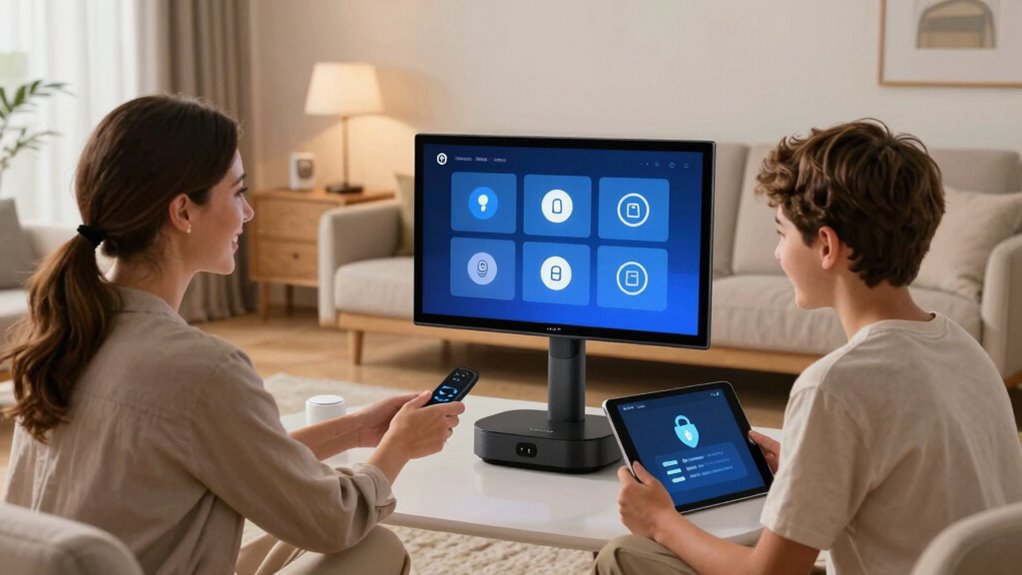
Managing user permissions effectively is key to keeping your smart home safe and easy to use. You should set clear permission levels, review access regularly, and assign roles based on each person’s needs. These best practices help prevent security issues and guarantee everyone has appropriate control. Additionally, implementing connected devices with proper management can further enhance safety and usability for all family members. Incorporating aquatic exercise principles such as controlled access and safety protocols can also contribute to a secure environment, especially when managing shared spaces.
Clear Permission Settings
Clear permission settings are essential for maintaining a secure and user-friendly smart home environment. Proper permission management ensures each family member has appropriate access based on their user roles, reducing security risks and confusion. To achieve this, you should:
- Define specific user roles, like parent, teen, or guest, with tailored permissions
- Clearly assign device controls and settings to each role
- Use intuitive labels and permissions to prevent accidental access or changes
Regular Access Reviews
Regularly reviewing user access permissions helps keep your smart home secure and easy to manage. You should check who has guest access and whether any temporary permissions are still necessary. Guests often need limited, time-bound access, so removing or updating these permissions prevents unauthorized control. Also, verify that family members’ access levels match their current needs, especially after changes like new devices or role shifts. Regular reviews help identify outdated or unused accounts, reducing security risks. Set a schedule—monthly or quarterly—to audit permissions, ensuring only trusted users have control. Keeping permissions current minimizes potential vulnerabilities and guarantees that everyone has the appropriate level of access, making your smart home safer and more user-friendly for everyone involved. Additionally, understanding the importance of proper access management can help you implement more effective security practices.
Role-Based Access Control
Implementing role-based access control (RBAC) is one of the most effective ways to guarantee your smart home remains secure and user-friendly. It allows you to assign specific permissions based on each user’s role, reducing the risk of accidental or malicious actions. With RBAC, you can easily set guest access, giving temporary permissions to visitors without granting full control. This way, guests can operate certain devices without compromising security or privacy. You can also create roles for family members, such as parents or children, with tailored permissions that match their needs. Visualize your smart home as a hierarchy:
- Family members with full or limited control
- Guests with temporary permissions
- Service providers with restricted access
This structure helps maintain safety while ensuring everyone can perform their tasks comfortably. Incorporating role-based access control can also help prevent digital distractions by limiting device usage to designated users.
Tracking Control Transfers: Logging and Auditing for Safety and Accountability

Tracking control transfers in smart home systems is essential for ensuring safety and accountability. By maintaining access logs and audit trails, you can see who controlled what, when, and how. This transparency helps prevent unauthorized access and quickly identifies issues if safety is compromised. Imagine having a clear record of every hand-off, giving you peace of mind and a way to verify that controls are used responsibly. Here’s a snapshot of the importance:
| Who | When | Action Taken |
|---|---|---|
| Mother | 7:00 AM | Adjusted thermostat |
| Child | 8:15 PM | Locked front door |
| Guest | 9:30 PM | Accessed security |
These logs provide emotional reassurance, knowing your home is safe and accountable at all times. Audit trails help improve the overall security and reliability of your smart home system. Maintaining detailed records is also a key part of security best practices, ensuring your system remains trustworthy and resilient. Regularly reviewing these logs can also help identify suspicious activity before it leads to a problem. Incorporating logging procedures into your routine further enhances your ability to respond effectively to potential issues. Just as Ziva David evolved from a Mossad agent to a multifaceted character, maintaining detailed records ensures your smart home can adapt and respond to various situations with confidence.
Frequently Asked Questions
How Can I Prevent Unauthorized Access During Hand-Offs?
To prevent unauthorized access during hand-offs, you should disable guest access when switching control and verify each family member’s identity through multi-factor authentication. Additionally, establish emergency protocols that restrict control transfer during critical situations. Always update passwords regularly and monitor device activity logs. By combining secure authentication, controlled guest access, and clear emergency procedures, you guarantee a safe hand-off process that minimizes security risks.
What Are the Best Devices for Secure Control Transfer?
Think of secure control transfer devices as the fortress guarding your smart home. Look for gadgets with robust device encryption and user authentication, like fingerprint or voice recognition, to keep intruders out. Devices such as Nest Secure or August Smart Lock excel at this, ensuring only trusted family members can take the reins. These tools act as your digital gatekeepers, making hand-offs safe and seamless.
How Often Should User Permissions Be Reviewed?
You should review user permissions regularly, ideally every three to six months. Conduct permission audits to identify outdated or unnecessary access, and update user roles as needed. Frequent reviews help prevent security lapses and guarantee each family member has appropriate control. Stay proactive by maintaining current user role updates, which keeps your smart home safe and functioning smoothly. Consistent checks are key to effective and secure device management.
Can Control Transfers Be Automated Based on User Location?
Yes, control transfers can be automated using location-based automation and user presence detection. You can set your smart home system to recognize when a family member arrives or leaves a designated area, automatically adjusting control permissions accordingly. This guarantees seamless transitions without manual intervention, enhancing safety and convenience. By leveraging these technologies, you create a more responsive and personalized smart home environment that adapts to your family’s routines.
What Legal Considerations Exist for Shared Smart Home Control?
You face an epic legal challenge when sharing smart home control—think privacy policies that could swallow you whole and legal liabilities lurking like monsters. You must guarantee everyone’s data is protected and clear consent is obtained. Familiarize yourself with privacy policies, and establish agreements to limit liability. Ignoring these legal considerations risks costly disputes, so prioritize transparent, documented control sharing to keep your smart home safe and legally sound.
Conclusion
Guiding smart home control is like steering a ship through calm waters—you need clear signs and steady hands. By following proper transfer steps, using strong authentication, and managing permissions carefully, you guarantee everyone stays safe and connected. Keep track of who controls what, like a lighthouse guiding your way. With these practices, your smart home remains a secure harbor, where family trust flows smoothly and securely, lighting your way forward.