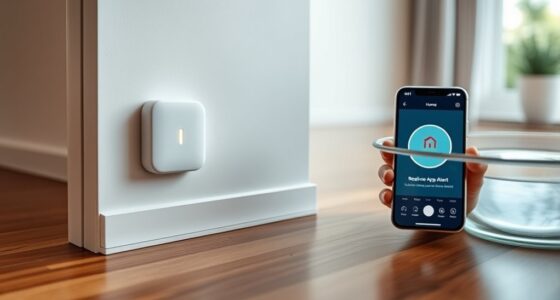
A wearable panic button for women’s safety can mean a loud local alarm, a phone-linked alert, or a monitored device that calls for help. My best overall pick is the Silent Beacon Panic Button for its two-way calling and multiple alert options; Safety+ 4G stands out for GPS and 24/7 monitoring, while Tecknet offers a simpler siren-and-strobe approach. The main tradeoff is between a device that draws attention nearby and one that contacts someone remotely, which may depend on a phone, cellular coverage, or a service plan. Jewelry-style devices favor discreet wear, while medical alert bands are built around monitoring and fall detection. Read on for the full comparison and guidance on matching a device to your routine.

Get privacy and security gear delivered free with Prime
- Fast, free delivery on millions of items
- Prime Video, Amazon Music and more included
- Member-only deals all year
Key Takeaways
- Silent Beacon has the broadest listed communication mix—two-way calls, texts, and email—while its Bluetooth connection means buyers should check how it works with their phone and when the phone is out of reach.
- Safety+ 4G and Seculife are the strongest fits for shoppers prioritizing GPS and fall detection, but their medical-alert focus may be more than someone seeking only a discreet personal alarm.
- Tecknet, Vantamo, and She’s Birdie 3.0 rely on a loud siren and visible strobe rather than listed remote monitoring, making them simpler choices for drawing nearby attention.
- InvisaWear’s charm and necklace and the ResQ Maitri bracelet put discreet, jewelry-like wear first; shoppers should verify exactly how alerts are sent and what phone or service requirements apply.
- The lineup separates into three distinct needs—local noise, remote contacts, and monitored medical support—so choosing by alarm volume alone can leave a buyer with the wrong kind of help.


| wearable panic button for women safety | Dimensions | Battery life |
|---|---|---|
| Tecknet Rechargeable Personal | 1.26 x 0.49 x 3.94 in | — |
| Vantamo Personal Alarm for Sel | 0.98 x 0.66 x 3.81 in | — |
| Personal Alarm with 130dB Sire | 1.25 x 0.6 x 3.7 in | — |
| Safety+ 4G Medical Alert Syste | — | Up to 6 days per charge |
| She’s Birdie 3.0 Personal Safe | 1.25 x 0.6 x 3.7 in | — |
| Invisawear Safety Charm | — | Up to one year; varies by use |
| ResQ Smart Safety Jewelry Mait | — | — |
| InvisaWear Smart Jewelry | — | Up to one year; potentially close to two years |
| Seculife Medical Alert Smartba | — | About one day |
| Silent Beacon Panic Button | 1.41 x 1.69 x 0.62 inches | 42 days average |
More Details on Our Top Picks
Tecknet Rechargeable Personal Safety Alarm for Women, 130dB Self Defense Keychain Alarm with SOS Strobe Light
The Tecknet is a straightforward pick for someone who wants a loud alarm close at hand without relying on a phone connection or monitoring service. Its 130dB siren and strobe light combine sound and visibility to help draw attention, while the low-battery indicator gives a reminder to recharge before carrying it. The listed standby time of up to 500 days is a particular advantage for people who may not remember frequent charging. Compared with the Vantamo Personal Alarm, Tecknet’s listed specs make its battery and compact keychain format especially clear, while Vantamo includes a carabiner as well as a keyring. This is still an alerting device, not a way to contact emergency services, and its loud siren may be uncomfortable indoors. I’d choose it for simple, portable deterrence rather than connected help.
Pros:- 130dB siren and strobe provide both audible and visual signals.
- Listed standby time of up to 500 days can reduce routine charging.
- Low-battery indicator gives a prompt to recharge.
- Compact 28 g design with a hanging keychain format.
Cons:- Does not provide phone alerts, GPS, or professional monitoring.
- The siren may be too loud for some indoor settings.
- Rechargeable battery still needs periodic checking and charging.
Best for: People who want a compact alarm for keys or a bag and prefer a long stated standby time over phone-linked alerts.
Not ideal for: Buyers who want automatic calls to contacts or monitored emergency response, or who expect to use the siren often indoors.
- Audible noise:130 dB
- Power source:Lithium-ion battery
- Battery included:Yes
- Standby time:Up to 500 days
- Dimensions:1.26 x 0.49 x 3.94 in
- Weight:28 g
- Color:Blue
- Warranty:36 months
Our verdict“Choose the Tecknet if you want a lightweight, self-contained alarm with a long stated standby time rather than connected emergency support.”
Vantamo’s distinguishing advantage is how easily it can be carried: the keyring and carabiner let you move it between keys, a belt loop, or a bag. That flexibility can matter more than a small difference in size when an alarm needs to stay within quick reach. Like the Tecknet, it pairs a 130dB alarm with a strobe and a low-battery notice; unlike the Tecknet, its listed package emphasizes two attachment options rather than a stated long standby time. The rechargeable design is suited to everyday carry, but the product data also describes a C battery as included, so buyers should check the charging and battery instructions before relying on it. It can attract attention, but it does not call contacts or connect to monitored responders, and its activation may take practice.
Pros:- Keyring and carabiner offer multiple ways to keep the alarm accessible.
- 130dB sound and strobe provide audible and visual alerts.
- Low-battery notice can help prompt charging or battery checks.
- Compact dimensions suit everyday carry.
Cons:- Product data is unclear about the relationship between its rechargeable design and included C battery.
- Activation may feel less intuitive until the user practices it.
- Does not send phone alerts or provide professional monitoring.
Best for: Commuters, runners, and travelers who want to clip an alarm to different bags or clothing rather than keep it only on a keychain.
Not ideal for: People who want a clearly specified battery routine, a phone-connected alert, or an activation method that requires no familiarization.
- Audible noise:130 dB
- Power source:Battery powered; described as rechargeable
- Battery description:Lithium polymer
- Batteries listed:1 C battery required; included
- Compatible charging devices:USB-C charger, power bank
- Attachment:Keyring and carabiner
- Dimensions:0.98 x 0.66 x 3.81 in
- Color:Charcoal
Our verdict“Pick Vantamo if adaptable clipping options matter most, but choose Tecknet instead if its stated long standby time is your priority.”
Personal Alarm with 130dB Siren, Rechargeable Wearable SOS Safety Device, One-Key Panic Button, Sends Calls and Texts to Phone, for Women, Elderly, Kids (Rose Gold)
This rose-gold alarm adds a feature the Tecknet and Vantamo do not list: a one-key trigger that sends calls and texts to contacts through Bluetooth. That makes it a better fit for someone who wants a person they know notified, not only a loud siren to attract nearby attention. The 130dB alarm also gives it a local alert, so the device offers two kinds of response when paired and configured with a compatible smartphone. The tradeoff is dependence on that Bluetooth connection; the product data does not specify how alerts behave when the phone is out of range or how long the battery lasts. Compared with the Safety+ 4G system, this is a simpler contact-alert device rather than a monitored service with GPS and fall detection. I’d favor it for phone-carrying users willing to keep the connection ready.
Pros:- One-key panic button is designed to send calls and texts to contacts over Bluetooth.
- 130dB siren can attract attention nearby.
- Rechargeable and sized for daily carry.
- Combines contact notification with an audible alarm.
Cons:- Full alert function depends on a Bluetooth connection to a smartphone.
- Battery-life details are not provided.
- Does not list GPS tracking or professional emergency monitoring.
Best for: People who carry a compatible smartphone and want a wearable button that can alert chosen contacts as well as sound a siren.
Not ideal for: Users who may leave their phone behind, need cellular-independent monitoring, or want clearly stated battery-life expectations.
- Audible noise:130 dB
- Power source:Battery powered
- Battery description:Lithium-ion
- Battery count:1
- Connectivity:Bluetooth connection to smartphone
- Alert functions:One-key alarm, calls, and texts to contacts
- Dimensions:1.25 x 0.6 x 3.7 in
- Weight:1.92 oz
- Color:Rose gold
Our verdict“Choose this model over the Tecknet or Vantamo if notifying personal contacts by phone is more important than a self-contained alarm.”
Safety+ 4G Medical Alert System – Fall Detection, GPS Location, 24/7 Monitoring, Mobile Caregiver App, Small Lightweight Wearable Panic Button
The Safety+ 4G is the most service-oriented choice here: pressing its wearable button can connect the user with 24/7 monitored emergency support, while GPS and fall detection add help beyond the siren-based alarms in this roundup. That difference makes it more suitable for someone whose safety plan includes caregiver visibility or who may need help after a fall, not just a way to make noise. The caregiver app also shares battery status and activity information. Compared with the Bluetooth-linked rose-gold alarm, Safety+ uses nationwide 4G rather than depending on a nearby phone, though it still needs cellular coverage. The main tradeoff is an ongoing subscription after the first month, plus charging every few days. I’d choose it for monitored support, not for a simple, subscription-free keychain alarm.
Pros:- 24/7 access to trained emergency monitoring operators.
- GPS location and automatic fall detection add support beyond a siren.
- Caregiver app shares alerts, activity, step count, and battery status.
- Water-resistant for showers and rain, with lanyard and belt-clip wear options.
Cons:- Requires an ongoing subscription after the first month.
- Cellular coverage may be limited in remote locations.
- Up to six days of battery life means regular charging is part of ownership.
Best for: Older adults or people with fall concerns whose family wants location updates and access to monitored emergency responders.
Not ideal for: Buyers seeking a low-maintenance, subscription-free alarm for commuting, or anyone who spends time beyond reliable cellular coverage.
- Connectivity:Nationwide 4G
- Battery life:Up to 6 days per charge
- Fall detection:Yes
- Location:GPS
- Monitoring:24/7 trained operators
- Water resistance:Usable in showers and rain
- Wear options:Lanyard or belt clip
- Included items:Device, charging dock with power adapter, lanyard, belt clip, caregiver app access
Our verdict“Choose Safety+ if monitored response, fall detection, and caregiver location access justify a subscription and regular charging.”
She’s Birdie 3.0 Personal Safety Alarm for Women – Metallic Rose Pink
She’s Birdie 3.0 keeps the safety routine simple: attach it to keys or a bag, then use its siren and flashing light to signal distress. Its compact format is a natural fit for daily walks and commutes when the goal is quick, local attention rather than a phone-based emergency system. Compared with the Tecknet, Birdie offers a distinctive metallic rose-pink finish, but the supplied specifications conflict on sound output: the description and pros say 130dB, while the spec field lists 90dB. I would verify the stated alarm level before choosing it for loudness. The listed 120 minutes of use per charge also gives less battery reassurance than Tecknet’s stated standby time. Like Vantamo, it lacks contact alerts and monitoring, so its value is in a portable alarm-and-light combination.
Pros:- Compact design attaches to keys or bags for everyday carry.
- Flashing light adds a visible signal alongside the siren.
- Rechargeable lithium-ion battery avoids disposable battery changes.
- Metallic rose-pink finish offers a distinctive appearance.
Cons:- Sound level is inconsistent in the supplied product data: 90dB in specs versus 130dB in the description and pros.
- Listed use time of 120 minutes per charge calls for attention to recharging.
- Does not provide phone contact alerts, GPS, or monitored response.
Best for: Women who want a compact, easy-to-carry siren and flashing light for walks, travel, or everyday commuting.
Not ideal for: Buyers who need a confirmed alarm-volume rating, longer stated battery endurance, or alerts sent to contacts or responders.
- Audible noise:90 dB in specs; description states 130 dB
- Power source:Battery powered
- Battery description:Lithium-ion
- Battery count:1
- Listed use time:120 minutes per charge
- Control method:Touch
- Dimensions:1.25 x 0.6 x 3.7 in
- Color:Metallic rose pink
Our verdict“Consider Birdie for a simple alarm and flashing light, but verify its sound rating and charging expectations before buying.”
Invisawear Safety Charm – Personal Safety Device
The Invisawear Safety Charm is the most jewelry-like choice in this group: it is designed as a charm for necklaces, bracelets, or keychains, so the alert device can blend into everyday accessories. Through its smartphone app, it can send emergency alerts and location information, with trained safety agents available through the response service. That combination suits someone who wants more than a loud alarm, unlike the Tecknet Rechargeable Personal Safety Alarm, which focuses on an audible siren and strobe.
The tradeoff is reliance on a compatible phone and a subscription for emergency response services. Battery life can reach up to a year but varies with use, so this is not a set-and-forget substitute for checking device readiness. I’d choose it for discreet app-connected support, not for someone who wants an independent alarm or avoids recurring service requirements.
Pros:- Jewelry and keychain formats make it less conspicuous than a dedicated wearable alarm.
- App-based emergency alerts include location sharing.
- Trained safety agents are available through the emergency response service.
- The stated battery life can reach up to one year, depending on use.
Cons:- Emergency response services require a subscription.
- A compatible smartphone is required for app-connected functions.
- Battery life varies with use and the device will need attention as its battery runs down.
Best for: Women who want a low-profile jewelry-style alert with app-based location sharing and access to trained safety agents.
Not ideal for: People without a compatible iOS or Android smartphone, or anyone who wants emergency response features without a subscription.
- Brand:invisaWear
- Item type:Safety charm
- Colors:Silver, gold
- Compatible operating systems:iOS 13.0+; Android 9.0+
- Battery life:Up to one year; varies by use
- Emergency response service:Subscription required
- Included component:1 invisaWear Safety Charm
- Warranty:1-year manufacturer warranty
Our verdict“Choose the Invisawear Safety Charm if discreet jewelry and app-connected response matter more to you than an independent siren.”
ResQ Smart Safety Jewelry Maitri Bracelet (Silver)
The ResQ Maitri Bracelet earns its place for buyers who want more than a single SOS action: its listed options include silent and loud alerts, live location sharing, and audio recording. That choice of alert style can help match a response to the setting, while the silver bracelet is less overt than the larger Seculife Medical Alert Smartband. Bluetooth links the bracelet to the ResQ app, though that connection is also a dependency: GPS features require a smartphone, so it is not a standalone tracker.
Compared with the Invisawear Safety Charm, the Maitri emphasizes configurable alerts and location features, while the Invisawear has a clearer stated connection to trained safety agents. The ResQ listing includes one month of safety enrollment, but ongoing service terms should be checked before buying. Audio recording also depends on phone capabilities, and the product is specified for adult users only.
Pros:- Offers both silent and loud alert options for different situations.
- Live location sharing and GPS geotagging add context to an SOS.
- Bracelet styling is more discreet than a medical-alert watch.
- Includes one month of safety enrollment.
Cons:- GPS functionality depends on a connected smartphone.
- Audio recording depends on phone capabilities.
- Specified for adult users, limiting its suitability for children.
Best for: Adult women who want a discreet bracelet with multiple alert styles and live location sharing through a connected phone.
Not ideal for: People seeking a standalone GPS wearable, a device for children, or recording features that work independently of a smartphone.
- Material:Silver
- Connectivity:Bluetooth, GPS
- Supported application:ResQ App
- SOS:Yes
- Real-time tracking:Yes
- Built-in microphone:Yes
- Clasp type:Lobster claw
- Safety enrollment:One month included
Our verdict“Pick the ResQ Maitri if you want alert-style flexibility in bracelet form and are comfortable keeping your phone connected.”
InvisaWear Smart Jewelry – Personal Safety Device Necklace
This InvisaWear necklace makes the alert process specific and easy to understand: a double-click on the concealed button sends a text with live location to as many as five chosen contacts, and the ADT response service can alert police. That combination gives it a more clearly defined contact path than the ResQ Maitri Bracelet, whose alert options are broader but whose recording features depend on the phone. The necklace’s gold-plated brass charm is intended to look like ordinary jewelry rather than a dedicated safety gadget.
There are meaningful limits. The phone must be compatible and connected, and the ADT emergency response service requires a subscription. The battery is listed for up to a year, potentially close to two in some conditions, but it eventually needs replacement or a charm swap. I’d favor this model for someone who values discreet wear and a clear escalation route over a loud local alarm like the Tecknet.
Pros:- Concealed double-click button keeps the alert control unobtrusive.
- Can text live location to up to five pre-selected contacts.
- ADT 24/7 response service can alert police.
- Battery life is listed at up to one year, potentially longer.
Cons:- A subscription is required for emergency response services.
- Requires a compatible smartphone and Bluetooth pairing.
- The battery eventually needs replacement or the charm may need swapping.
Best for: Women who want a necklace-style SOS button that can notify selected contacts and access an ADT response service.
Not ideal for: Buyers who do not carry a compatible smartphone, do not want a subscription, or prefer a loud alarm that works without app-based response.
- Material:Gold-plated brass
- Chain type:Cable
- Clasp type:Hook and eye
- Alert action:Double-click
- Contact alerts:Live-location SMS to up to five pre-selected contacts
- Compatibility:iOS 11.0+; Android 9.0+
- Battery life:Up to one year; potentially close to two years
- Emergency response service:ADT 24/7 service; subscription required
Our verdict“Choose this InvisaWear necklace if you want a hidden SOS button with contact alerts and are willing to pay for the response service.”
Seculife Medical Alert Smartband for Seniors with Fall Detection & GPS
The Seculife is the most medical-alert-oriented option here, pairing a large SOS control with fall detection, GPS, two-way calling, and health readings. That makes it a better match for older women who may need caregiver communication or help after a fall than the jewelry-focused Invisawear Safety Charm. Its waterproof design and silicone band suit routine wear, while the display and watch-like shape make the device more visible than a charm or slim bracelet.
That visibility comes with a major daily-use compromise: the listed battery life is about one day, so it needs frequent charging. Premium safety features also require a monthly subscription, and the product offers fewer general smartphone functions than a full smartwatch. I’d choose it for senior-focused monitoring and calling, not for someone seeking a discreet personal panic button for outings or a long interval between charges.
Pros:- Automatic fall detection can support users who may not be able to press SOS after a fall.
- GPS tracking and two-way calling help connect wearers with caregivers.
- Large SOS button and intuitive interface suit users who prefer simple controls.
- Waterproof construction is rated to a depth of one meter.
Cons:- Battery life is about one day, requiring frequent charging.
- Premium safety features require a monthly subscription.
- The watch-style design is more noticeable and less jewelry-like than the InvisaWear models.
Best for: Older women and caregivers who prioritize fall detection, two-way calling, GPS, and health monitoring over jewelry-like discretion.
Not ideal for: Women seeking a subtle accessory, a long-lasting battery, or safety features without a recurring subscription.
- Operating systems:iOS, Android
- Water resistance:Waterproof; rated to 1 meter
- Battery capacity:680 mAh
- Battery life:About one day
- Display size:2 inches
- Band material:Silicone
- Health monitoring:Heart rate, blood oxygen, and body temperature
- Calling:Two-way calling
Our verdict“Choose the Seculife for senior-focused fall and caregiver support if daily charging and a visible medical-alert watch are acceptable.”
Silent Beacon Panic Button – Bluetooth Emergency Alert with 2-Way Calls, Text, Email and Wearable Rechargeable Design
Silent Beacon stands apart from the jewelry-style InvisaWear devices by prioritizing communication: it can place calls, share GPS location through texts, emails, or push notifications, and support two-way hands-free conversation. Five customizable alert modes, including silent and check-in options, give it more flexibility than a basic siren such as the Tecknet Rechargeable Personal Safety Alarm. For someone who wants a wearable button that can help start a live conversation as well as send an alert, that is the central advantage.
The tradeoff is a more gadget-like design, and some features require a paid subscription. Its rechargeable battery is rated for an average of 42 days, shorter than the up-to-one-year figures listed for the InvisaWear models, though it avoids their jewelry-first approach. IPX4 water resistance is useful for splashes, but it is not described as waterproof. This suits buyers who prioritize direct contact over discreet styling.
Pros:- Two-way hands-free calling supports direct communication during an alert.
- Shares real-time GPS location through text, email, and push notifications.
- Five customizable modes include silent and check-in options.
- Rechargeable battery is rated for an average of 42 days.
Cons:- Some features require a paid subscription.
- The device is more visibly gadget-like than the InvisaWear jewelry options.
- IPX4 protects against splashes but does not make it waterproof.
Best for: Women who want a wearable alert button with two-way calling, multiple notification routes, and customizable alert modes.
Not ideal for: People who want an ordinary-looking jewelry charm, waterproof protection, or no subscription-dependent features.
- Model number:SB2.0
- Connectivity:Bluetooth
- Battery life:42 days average
- Battery capacity:180 mAh
- Water resistance:IPX4
- Dimensions:1.41 x 1.69 x 0.62 inches
- Weight:19.01 g
- Warranty:1 year
Our verdict“Pick Silent Beacon if direct calling and flexible notifications matter more than jewelry-like discretion or a year-long battery interval.”

How We Picked
I ranked these devices by how directly their listed functions support a wearable emergency response: how an alert is triggered, who receives it, and what happens after activation. I also weighed wearability, visibility, communication features, and whether a product’s focus is a simple siren, phone-connected outreach, or professional monitoring. These distinctions matter because a loud alarm can attract nearby attention but does not provide the same response path as GPS-enabled monitoring or two-way calling.
The order favors versatility for general personal safety, then options that serve a clearly defined need. Silent Beacon leads for its stated range of alert channels, while Safety+ 4G ranks highly for monitored and location-aware support. Siren-only alarms remain useful, straightforward picks but rank lower for buyers who need remote contact; jewelry devices prioritize discreet wear, and medical alert bands are best matched to users who need fall detection or ongoing support. I treated product names and listed features as the basis for comparison, not as proof of response speed, coverage, or compatibility; buyers should confirm those details before relying on any device.
Factors to Consider When Choosing Wearable Panic Button For Women Safety
Before choosing, decide what kind of help you want the button to summon. A siren, a phone alert, and a monitored response are different tools, even when each is described as a panic button. These factors can help you compare them beyond appearance and headline features.
Choose the response path before the form factor
Start by asking what should happen after you press the button: make noise nearby, contact people you choose, or reach a monitoring service. A siren may be useful when someone is within earshot, but it does not by itself tell a trusted contact where you are. A phone-linked device can extend that reach, though its usefulness depends on the connection and alert setup. Monitored systems add a staffed response path but may involve service requirements that a standalone alarm does not. A common mistake is buying a device because it looks wearable before checking who actually receives its alert. Match the response path to the situations you want to prepare for.
Check phone, network, and subscription dependencies
Product descriptions can mention calling, texting, GPS, or monitoring without making every dependency obvious. Before buying, check whether the device needs a nearby phone, a compatible app, cellular service, a paid monitoring plan, or a specific network connection. Ask what happens if the phone battery is dead, Bluetooth disconnects, or cellular coverage drops. Do not assume that GPS location automatically means someone is watching or responding to it. A device that sends alerts to contacts may require you to configure those contacts and permissions in advance. These checks help separate an appealing feature list from a response chain you can actually use.
Balance discreet wear with easy access
A charm or bracelet may fit everyday clothing better than a visible keychain alarm, but discreet design is useful only if you can reach and activate it quickly. Consider whether the button is easy to find by touch, whether it could be pressed accidentally, and whether the device suits your usual bag, clothing, or work routine. A keychain alarm can be simple to grab, yet it may be less convenient if you often leave your keys behind. A wearable band may stay on more consistently but can feel conspicuous or less suited to personal style. Think through your normal day rather than choosing by appearance alone. The best form is the one you are likely to keep accessible and charged.
Treat battery life and charging as part of readiness
A rechargeable alarm is only useful when it has power at the moment you need it. Check how charging is done, whether low-battery notices are provided, and how often the maker says the device needs charging under your expected use. If it connects to a phone or uses GPS and cellular features, ask whether those functions affect battery life. Decide where charging will fit into your routine; a device kept in a drawer to avoid forgetting it may not be ready when needed. Low-battery alerts, such as the feature listed for Vantamo, can help prompt upkeep, but they do not replace a charging habit. Include battery care in your choice, not as an afterthought.
Separate personal-safety alarms from medical alert needs
Some products in this lineup are aimed at personal safety, while others add fall detection, GPS, and ongoing monitoring. Those capabilities may suit someone who wants support for falls or health-related emergencies, but they can add setup, service, and ongoing-use requirements. A loud siren may be a more direct fit for someone whose main goal is to attract attention in a nearby public setting. Do not treat fall detection as a substitute for a manually triggered safety alert, or assume every panic button includes medical response. If both needs matter, verify that the device supports each one and learn how the service handles each alert type. Paying for capabilities you will not use can add complexity without improving your particular response plan.
Plan for the people and places around the device
Personal alarms work within a wider plan: who will see an alert, how they can reach you, and what they should do next. If a device contacts selected people, choose contacts who can respond at the times you use it and tell them what an alert means. If you rely on a siren, consider whether nearby people are likely to hear it and whether you can access the alarm without fumbling. A remote alert may be less helpful if its recipient cannot identify your location or act on the message. Test setup and alert delivery with trusted contacts according to the maker’s instructions, without creating a real emergency call. A device should support your safety plan, not stand in for one.
Frequently Asked Questions
Is a loud personal alarm or a GPS panic button a better choice?
They address different parts of an emergency. A loud alarm such as Tecknet, Vantamo, or She’s Birdie 3.0 is designed to draw attention nearby, while GPS and communication features can help convey an alert or location remotely. A GPS feature alone does not confirm that anyone is monitoring the signal or able to respond. Choose a siren when nearby attention is your priority; favor a connected or monitored device when remote contact matters more. Check the phone, network, and service requirements before relying on remote features.
Can a phone-linked panic button work if I leave my phone behind?
Do not assume it can. Some wearable devices use a phone connection to send alerts, so leaving the phone behind, losing Bluetooth, or running out of phone battery may limit their function. The Silent Beacon listing describes Bluetooth and several alert channels, but buyers should confirm its precise operating range and behavior when disconnected. Ask the maker whether the device can call or message independently and what cellular service it needs. If phone-free operation is a must, choose only after that detail is confirmed.
Do monitored medical alert devices make sense for someone who wants personal-safety protection?
They can, especially if GPS, fall detection, or a 24/7 response service is part of the person’s needs. Safety+ 4G and Seculife are more closely aligned with medical-alert use than a basic siren alarm. That focus can mean extra service steps and a different everyday experience from a small personal alarm or jewelry-style button. Check whether the monitoring service supports the kind of emergency you are preparing for and what setup or subscription it requires. If your only goal is to make noise nearby, the added monitoring may not be necessary.
How can I tell whether a discreet safety charm or bracelet is practical for daily wear?
Look beyond the jewelry appearance and check how the alert is activated, what device receives it, and whether a phone or service plan is required. Consider whether the button is reachable while worn and whether you can recognize its operation without looking. A discreet device may be easier to wear consistently, but it may not provide the audible warning of a dedicated siren alarm. Confirm charging needs and test the alert setup with the maker’s recommended procedure. If you want noise as well as discreet remote alerts, verify that the specific model provides both.
What should I check before relying on a wearable panic button outside my home?
Confirm that its alert method works where you plan to use it, including phone compatibility, cellular coverage, Bluetooth range, and any service limits. Learn whether it sends a location, calls a contact, reaches a monitoring center, or only sounds an alarm. Set up emergency contacts and explain what they should do when an alert arrives. Keep the device charged and check that it is comfortable enough to wear consistently. No listed feature guarantees that help will arrive, so use the device as one part of a broader safety plan.
Conclusion
For a general-purpose choice, I’d start with Silent Beacon because its listed two-way calls, texts, and email provide more communication options than a siren-only alarm; confirm its phone and connection requirements first. Best value in simplicity goes to Tecknet for shoppers who want a rechargeable siren and strobe without a monitoring-focused setup, while best for beginners is She’s Birdie 3.0 for buyers who prefer a straightforward personal alarm format. For a premium monitored option, Safety+ 4G is the better fit for GPS, fall detection, and 24/7 monitoring, provided its service terms suit you. Choose Seculife if a medical alert band and fall detection are the priority; choose InvisaWear or ResQ Maitri when discreet jewelry-style wear matters most. The right pick depends on whether you need nearby attention, remote contact, or monitored support—not on the word “panic button” alone.