In 2026, I recommend four top personal safety devices with two-way talk: the CallToU Wireless Caregiver Pager, ideal for reliable communication and discreet alerts; the Hosmart Wireless Intercom, perfect for home safety and outdoor use; Invisawear Smart Jewelry, combining style with quick emergency access; and AngelSense GPS Tracker, offering real-time location sharing and two-way voice. If you’re curious about making safety more seamless and discreet, keep exploring—there’s more to discover.
Key Takeaways
- Devices like AngelSense GPS Tracker and Hosmart Wireless Intercom offer reliable two-way communication over extensive ranges, ideal for various environments.
- Discreet, stylish designs such as Invisawear Smart Jewelry provide two-way talk features without compromising user privacy or aesthetics.
- Long battery life and user-friendly controls ensure quick, dependable communication during emergencies.
- Compatibility with smartphones and safety apps enhances device functionality and seamless connectivity.
- Rugged, waterproof models ensure durability and reliable two-way communication in outdoor or challenging conditions.
| CallToU Wireless Caregiver Pager and Intercom System | 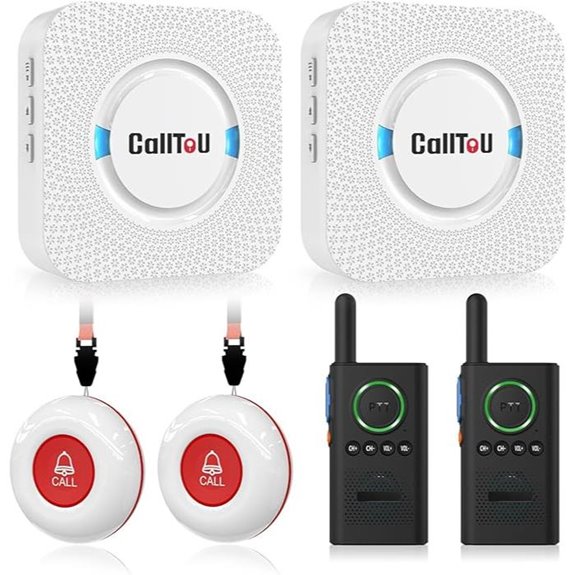 | Reliable Range | Communication Range: 500 feet (open), under 300 feet (indoor) | Power Source: Plug-in outlets | Two-Way Communication: Yes (walkie-talkies) | VIEW LATEST PRICE | See Our Full Breakdown |
| Hosmart Wireless Intercom for Home & Senior Safety | 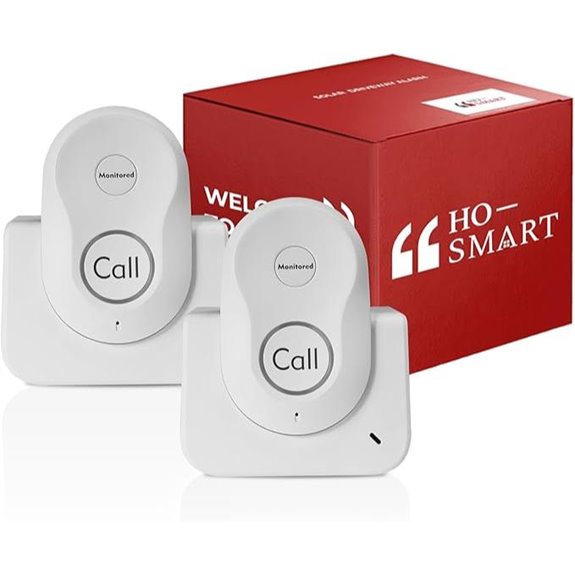 | Long-Distance Communication | Communication Range: 1000 feet (open), up to 300 feet (indoor) | Power Source: Rechargeable battery & charging base | Two-Way Communication: Yes (full duplex talk) | VIEW LATEST PRICE | See Our Full Breakdown |
| invisawear Smart Jewelry – Personal Safety Device – Necklace | 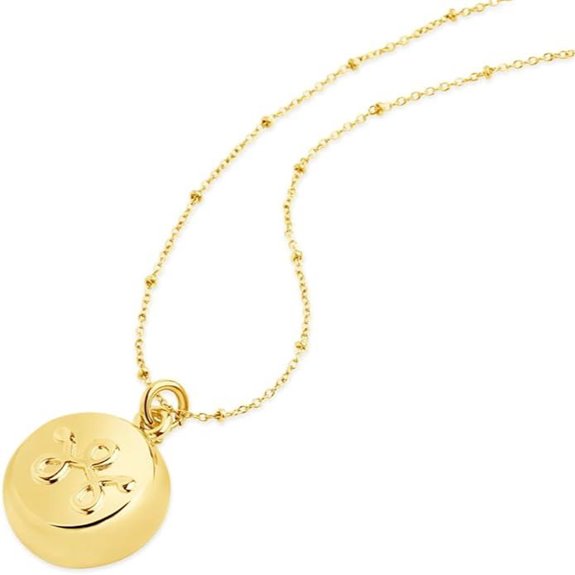 | Discreet Security | Communication Range: Not specified (discreet, app-based) | Power Source: Bluetooth-connected smartphone | Two-Way Communication: Yes (discreet button & app) | VIEW LATEST PRICE | See Our Full Breakdown |
| AngelSense GPS Tracker for Kids & Seniors with SOS | 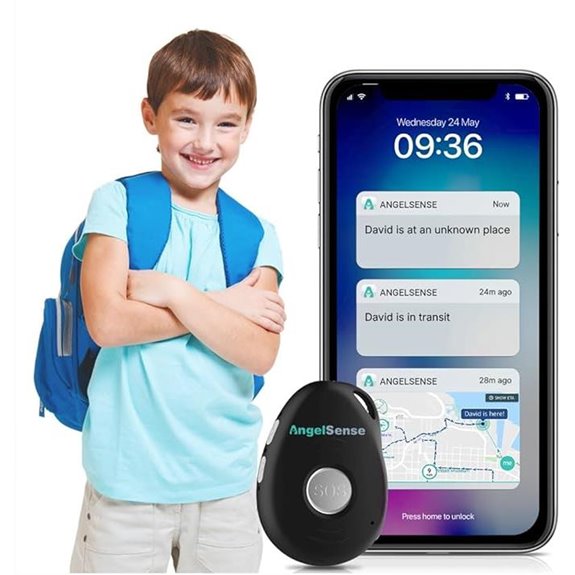 | Trusted Monitoring | Communication Range: Not specified (GPS/phone-based, variable) | Power Source: Rechargeable battery & subscription service | Two-Way Communication: Yes (voice & speakerphone) | VIEW LATEST PRICE | See Our Full Breakdown |
More Details on Our Top Picks
CallToU Wireless Caregiver Pager and Intercom System
If you’re looking for a reliable way to stay connected with loved ones or caregivers, the CallToU Wireless Caregiver Pager and Intercom System is an excellent choice. It includes two receivers, call buttons, and walkie talkies, making communication straightforward. The call buttons can be worn around your neck, secured with a bracket, or taped for quick access. Both the waterproof, dustproof receivers and buttons are perfect for indoor and outdoor use. With a 500-foot range in open areas, adjustable volume, and 55 ringtone options, this system ensures you can easily alert and communicate with caregivers, providing peace of mind in daily caregiving situations.
- Communication Range:500 feet (open), under 300 feet (indoor)
- Power Source:Plug-in outlets
- Two-Way Communication:Yes (walkie-talkies)
- Discreetness/Ease of Use:Waterproof, portable, wearable options
- Emergency Alert:Call button triggers alerts
- Target Users:Caregivers, elderly, disabled
- Additional Feature:Waterproof and dustproof design
- Additional Feature:Portable receiver units
- Additional Feature:55 ringtone options
Hosmart Wireless Intercom for Home & Senior Safety
The Hosmart Wireless Intercom is an excellent choice for caregivers and family members who need reliable, real-time communication with elderly or vulnerable loved ones. Its user-friendly design requires no complex setup, making it ideal for anyone. With two-way talk and a range of up to 1000 feet outdoors and 300 feet indoors, you can easily monitor and communicate across multiple rooms or even outside. The device is portable, lightweight, and can be worn around the neck or carried in a pocket. Its rechargeable battery ensures all-day use, while the monitor function adds an extra layer of safety. Overall, it’s a practical, straightforward solution for home and senior safety.
- Communication Range:1000 feet (open), up to 300 feet (indoor)
- Power Source:Rechargeable battery & charging base
- Two-Way Communication:Yes (full duplex talk)
- Discreetness/Ease of Use:Portable, handheld, wearable
- Emergency Alert:Push button for help, monitoring
- Target Users:Elderly, pregnant women, kids
- Additional Feature:Rechargeable battery included
- Additional Feature:Plug-and-play setup
- Additional Feature:Monitor function built-in
invisawear Smart Jewelry – Personal Safety Device – Necklace
Invisawear Smart Jewelry stands out as an ideal choice for individuals who want safety without sacrificing style. This discreet safety device is available as a necklace, bracelet, keychain, or even a hair scrunchie, all crafted from elegant gold-plated brass. Its hidden button allows for quick, discreet help requests—double-clicking alerts contacts or police with your live location. Backed by ADT, it offers 24/7 safety support, video streaming, voice activation, and chat features. With up to a year of battery life and easy Bluetooth connectivity to both iOS and Android, Invisawear seamlessly combines fashion and security for anyone on the go.
- Communication Range:Not specified (discreet, app-based)
- Power Source:Bluetooth-connected smartphone
- Two-Way Communication:Yes (discreet button & app)
- Discreetness/Ease of Use:Discreet, stylish jewelry or accessories
- Emergency Alert:Hidden button for discreet help request
- Target Users:Women, students, seniors, online safety
- Additional Feature:Stylish jewelry design
- Additional Feature:Discreet help button
- Additional Feature:Connects via Bluetooth app
AngelSense GPS Tracker for Kids & Seniors with SOS
For families seeking reliable safety solutions for their kids or elderly loved ones, the AngelSense GPS Tracker stands out thanks to its real-time location updates and two-way communication features. It provides accurate, all-day GPS tracking and advanced safeguards to quickly detect elopements and locate loved ones. The built-in SOS button and assistive speakerphone enable direct contact, automatically answering calls when needed. Safety tools like live map sharing, location alarms, and customizable geofences offer thorough oversight. Easy to use with smartphones and tablets, the device includes a guardian kit, waterproof options, and support for special needs communities, giving families peace of mind.
- Communication Range:Not specified (GPS/phone-based, variable)
- Power Source:Rechargeable battery & subscription service
- Two-Way Communication:Yes (voice & speakerphone)
- Discreetness/Ease of Use:Wearable with optional accessories, discreet
- Emergency Alert:SOS button, live location sharing
- Target Users:Elderly, autism, special needs, children
- Additional Feature:Real-time GPS tracking
- Additional Feature:Optional waterproof accessories
- Additional Feature:Supports autism & special needs
Factors to Consider When Choosing a Personal Safety Device With Two-Way Talk
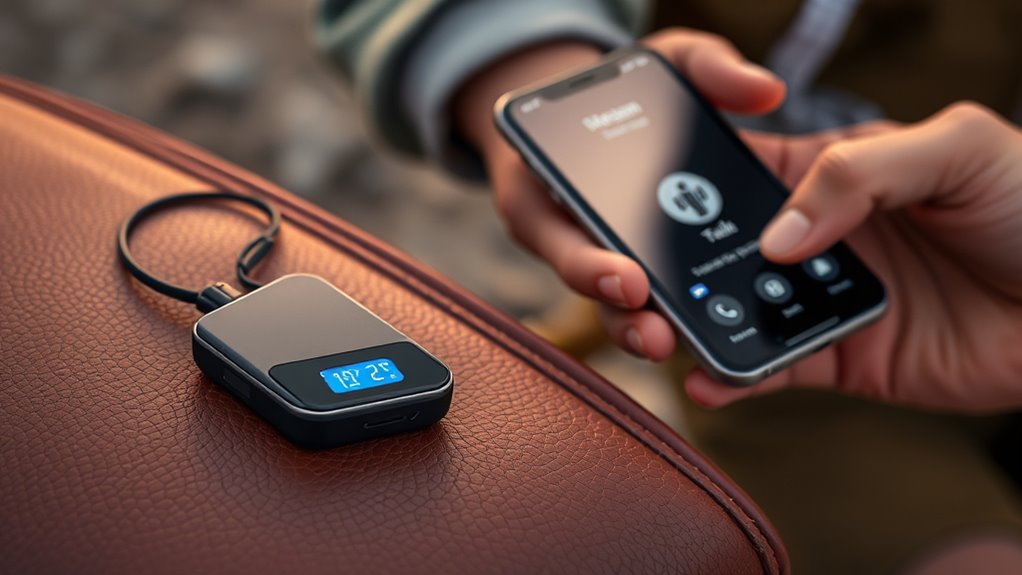
When selecting a personal safety device with two-way talk, I consider factors like its range and connectivity to guarantee I stay connected when needed. I also look for discreet designs and long-lasting batteries to keep the device practical and unobtrusive. Finally, I prioritize easy-to-use features and robust emergency options for quick access during critical moments.
Range and Connectivity
Choosing a personal safety device with two-way talk hinges largely on its range and connectivity. The effective range can vary from about 300 feet indoors to over 1,000 feet outdoors, making the right choice vital for your environment. Longer-range devices ensure reliable communication across large properties or open spaces, reducing the risk of signal loss. Keep in mind, obstacles like walls and furniture can cut down the device’s effective distance, so testing in your typical setting is wise. Devices that support higher maximum ranges are better suited for multi-room use or outdoor activities. Connectivity technology—such as Bluetooth, Wi-Fi, or dedicated radio frequencies—also influences stability and communication distance. Selecting a device with ideal range and connectivity helps guarantee you stay connected when it matters most.
Device Discreteness
Selecting a personal safety device with two-way talk isn’t just about range and connectivity—it’s also about how discreetly you can carry and use it. A compact, stylish design that blends seamlessly with your accessories helps keep the device inconspicuous. Look for features like hidden buttons or subtle indicators that won’t draw attention when you need to activate it. Materials such as jewelry-grade metals or soft fabrics can enhance discretion while ensuring durability. Lightweight construction and small size mean you can wear it comfortably all day without feeling burdened or alerting others. Many discreet devices also incorporate silent or low-profile alert mechanisms, so you can notify contacts without making a scene. Prioritizing discreteness ensures your safety tool remains as unobtrusive as it is effective.
Battery Longevity
Long-lasting battery life is vital for guaranteeing your personal safety device stays operational when you need it most. A device with extended battery life, like one that lasts up to a year, minimizes the risk of losing connection during critical moments. High-capacity rechargeable batteries, such as those with 600 mAh or more, are key to maintaining reliable two-way talk over extended periods. Keep in mind that your usage patterns can impact battery life, so choosing a device with efficient power management features can help prolong its operational time. Regularly checking and maintaining the battery health is also indispensable to ensure your device is always ready for emergencies. Ultimately, a long-lasting battery provides peace of mind, knowing your safety device will work when it matters most.
Ease of Use
A device with a long-lasting battery only serves its purpose if it’s easy to operate when needed. I look for simple, intuitive controls that can be quickly activated during an emergency. Clear visual indicators and minimal setup steps make the device accessible to users of all ages and tech skills. Features like one-touch call or help buttons are vital, as they allow for immediate action without fumbling through complicated menus. I also prioritize devices that don’t require complex pairing or configuration, reducing the chance of user error and frustration. Portability and ergonomic design are equally important, ensuring I can handle the device comfortably and confidently in high-stress situations. Ultimately, ease of use makes the difference between preparedness and hesitation in critical moments.
Emergency Features
When choosing a personal safety device with two-way talk, it’s *essential* to evaluate how effectively its emergency features can be activated in high-stress situations. I look for devices with quick-access SOS buttons that summon help instantly or alert trusted contacts without delay. Two-way talk capabilities are *crucial*—they allow immediate communication, providing reassurance and enabling quick assessment of the situation. Advanced features like automatic alerts for unusual activity or leaving safe zones add an extra layer of protection. Live location sharing and real-time monitoring are also *indispensable*, as they help emergency responders locate and assist quickly. Above all, reliable emergency features should be simple to activate, with clear instructions and minimal steps, ensuring help is always just a moment away when it’s needed most.
Compatibility Options
Choosing a personal safety device with two-way talk isn’t just about its features—it’s also about ensuring it works smoothly with your existing technology. First, check that the device’s Bluetooth or Wi-Fi compatibility matches your smartphone’s operating system, whether iOS or Android. Confirm it supports the necessary protocols, like Bluetooth 4.0 or higher, for easy pairing. It’s also important to see if the device works with your preferred apps or platforms used for emergency alerts and communication. Additionally, consider whether it can connect with multiple devices simultaneously, which is useful if caregivers need access too. Finally, look for devices that support updates or integration with other safety tools, ensuring your setup stays current and adaptable as technology evolves.
Durability and Waterproofing
Durability and waterproofing are vital factors to take into account because your personal safety device needs to withstand the rigors of daily life. Look for a device rated IP67 or higher, guaranteeing it’s dustproof and waterproof enough for rain or dusty environments. Check that the materials are rugged and resistant to impact, drops, and scratches, so it can handle daily bumps and rough handling. Verify that waterproofing doesn’t compromise the device’s electronics or battery life when exposed to water. Sealed ports and minimal exposed openings are essential to prevent water ingress and maintain durability. For added protection, consider devices with reinforced casings or protective covers, especially if you’re outdoors or active. These features help guarantee your device remains reliable when you need it most.
Cost and Subscription
The cost and subscription plans of a personal safety device with two-way talk play a crucial role in determining its overall value. When choosing, I consider the initial purchase price and whether it includes all necessary features or if I need extra accessories. I also evaluate ongoing costs, which often cover GPS tracking, safety monitoring, and emergency support. It’s important to check if the subscription is a one-time fee or a recurring monthly or annual expense. I compare the services offered—like live monitoring and location updates—to ensure they match my needs. Additionally, I review the contract for any cancellation policies, potential price increases, and commitment lengths. This way, I can select a device that offers the best balance between cost and reliable safety features.
Frequently Asked Questions
What Is the Typical Battery Life for These Devices?
The typical battery life for these devices usually ranges from 24 to 72 hours on a single charge. I find that many models are designed to last through daily use, but heavy users might need to recharge more frequently. It’s a good idea to choose a device with a rechargeable battery and easy charging options so you’re always prepared. This way, you won’t worry about losing power when it matters most.
Are These Devices Waterproof or Water-Resistant?
Like a trusty sailor’s gear, many of these safety devices are water-resistant or waterproof, ready to handle rain or splashes. I always look for models with an IPX7 or higher rating, ensuring durability in wet conditions. You can confidently carry them during outdoor adventures or rainy days. Just remember, some devices are only water-resistant, so avoiding full submersion is wise to keep them functioning perfectly.
How Secure Is the Two-Way Communication?
I find the two-way communication on these safety devices quite secure. They use encrypted channels that protect your conversations from eavesdropping, so you can speak freely without worries. The connection is stable, even in areas with weaker signals, thanks to advanced technology. I trust these devices to keep my communication private and reliable, giving me peace of mind whenever I need to reach out quickly.
Can These Devices Be Used Internationally?
Yes, many personal safety devices with two-way talk can be used internationally, but it depends on the device and the network compatibility. I recommend checking the device’s specifications to see if it supports global networks or if it requires specific carriers. Also, consider potential roaming charges. I always make sure my device is compatible before traveling abroad to stay connected and safe wherever I go.
Do These Devices Require a Monthly Subscription Fee?
You often get what you pay for, and with these safety devices, some do require a monthly subscription. It’s like locking your doors—paid features often enable extra security and peace of mind. However, not all models charge a fee; some offer basic communication at no cost. I recommend checking each device’s details before buying to guarantee it fits your needs and budget, so you stay protected without surprises.
Conclusion
Imagine a future where personal safety devices are so advanced, they almost anticipate your needs. I believe that with the rapid tech evolution, these devices will become even smarter and more intuitive, almost like a trusted guardian by your side. As we embrace innovations like two-way talk, safety becomes seamless and reassuring. The right device can truly empower you, making everyday moments safer and more confident—proof that technology’s best purpose is to protect us.