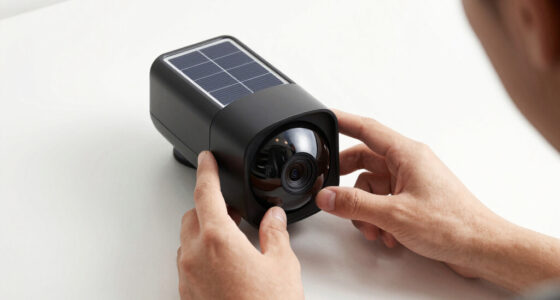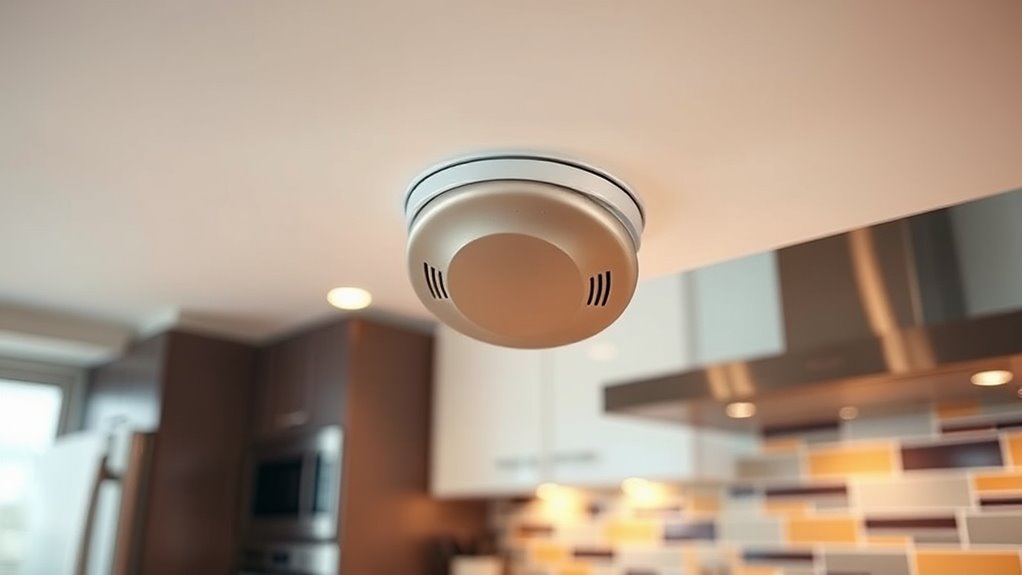

Choosing a heat detector for kitchen fire safety means balancing false-alarm control, household warning coverage, and installation demands. My leading pick is the Kidde hardwired detector with battery backup, because its backup power and broad interconnection support make it the most complete fit of these three for a kitchen-adjacent alarm plan. The System Sensor 5600 is the better choice for buyers who want a mechanical fixed-temperature and rate-of-rise detector with flexible mounting, while the Kidde HD135F suits homes that need a compact, hardwired heat alarm linked to compatible alarms.

Get privacy and security gear delivered free with Prime
- Fast, free delivery on millions of items
- Prime Video, Amazon Music and more included
- Member-only deals all year
These are not interchangeable devices: the System Sensor is a detector, while the Kidde products are presented as residential heat alarms. None should replace smoke alarms elsewhere in the home, and the supplied descriptions do not establish that every model is approved for every kitchen installation. I rank them by how clearly their stated features support practical residential fire warning, while weighing backup power, interconnectivity, mounting, and installation limits. Buyers should check local code and manufacturer instructions before choosing a location.
Key Takeaways
- Kidde with battery backup offers the broadest stated household integration, including interconnection with up to 24 compatible smoke, heat, and carbon monoxide alarms.
- System Sensor 5600 stands apart for mechanical fixed-temperature and rate-of-rise detection plus flush or surface mounting; it does not list wireless or smart features.
- Kidde HD135F is the compact hardwired option, but its supplied details do not mention battery backup, so power-outage coverage is unclear.
- A heat alarm may reduce nuisance alerts from ordinary cooking compared with a smoke alarm in the same spot, but it does not detect smoke and should not replace required smoke alarms.
- Before installation, confirm the device’s permitted location, wiring and interconnection compatibility, and applicable local requirements with the manual or a qualified installer.
| Kidde Heat Detector, Hardwired with Battery Backup & 2 LEDs, Interconnect Capability, Ideal for Garages |  | Best Overall for Connected Coverage and Backup Power | Power: 120V AC with 9V battery backup | Temperature threshold: 135°F | Alarm sound: 85 decibels | VIEW ON AMAZON | See Our Full Breakdown |
| System Sensor 5600 135 Degree Fixed Temperature Rate-of-Rise Mechanical Heat Detector |  | Best for Flexible Mounting and Mechanical Detection | Model number: 5601P | Detection method: Fixed temperature and rate-of-rise | Activation: Mechanical heat | VIEW ON AMAZON | See Our Full Breakdown |
| Kidde Hardwire Interconnectable 135-Degree Heat Alarm HD135F |  | Best Compact Option for Existing Hardwired Alarm Systems | Model: HD135F | Alarm type: Heat alarm | Power: Corded electric / hardwired | VIEW ON AMAZON | See Our Full Breakdown |
| heat detector for kitchen fire safety | Power | Interconnection | Warranty |
|---|---|---|---|
| Kidde Heat Detector | 120V AC with 9V battery backup | Up to 24 devices, including smoke, heat, and CO alarms | 5 years |
| System Sensor 5600 135 Degree | Corded electric | — | 3-year limited |
| Kidde Hardwire Interconnectabl | Corded electric / hardwired | Interconnectable with other alarms; compatibility details should be verified | — |
More Details on Our Top Picks
Kidde Heat Detector, Hardwired with Battery Backup & 2 LEDs, Interconnect Capability, Ideal for Garages
This Kidde is my best overall pick because it combines hardwired operation with a 9V battery backup, addressing the power-outage gap left unclear in the HD135F listing. Its stated interconnection capacity—up to 24 devices, including smoke, heat, and carbon monoxide alarms—also makes it the strongest option here for extending a household warning network. The green and red LEDs provide visual power and operating/status cues, a practical addition when checking a unit installed away from everyday sight.
For kitchen fire safety, the key distinction is that this unit detects a 135°F heat threshold, not smoke. That can make a heat detector a more suitable candidate for some locations where cooking activity could cause nuisance smoke-alarm alerts, but it does not provide early warning for smoke before the area heats up. I would use it as part of a broader alarm plan rather than as a substitute for smoke alarms in required locations. The supplied description also warns that high heat sources or steam may trigger it, so placement still matters.
Compared with the System Sensor 5600, this Kidde provides more explicit household integration and power-backup details; the System Sensor instead offers mechanical rate-of-rise detection and multiple mounting styles. Compared with the HD135F, this model has the clearer backup-power specification and stated interconnection scale. Its tradeoffs are a threshold-only description, garage-oriented positioning, and the need to confirm compatibility with the alarms already installed. The quick-connect harness may help installation, but buyers should follow the instructions and local electrical requirements rather than assume wiring is universal.
Pros:- 9V battery backup supplements 120V AC power during outages.
- Interconnects with up to 24 compatible smoke, heat, and CO alarms.
- Green and red LEDs provide visible power and status cues.
- Quick-connect harness is listed as an installation feature.
Cons:- The listed 135°F threshold does not describe rate-of-rise detection.
- Garage-focused positioning may not suit every kitchen location; check the manual and local rules.
- High heat sources or steam may trigger an alarm, according to the supplied description.
Best for: Households seeking a hardwired heat alarm with battery backup and a stated path to interconnect with compatible smoke, heat, and CO alarms.
Not ideal for: Buyers who need a smoke-sensing device at the installation point, a smart or wireless alarm, or a detector with a clearly stated rate-of-rise mode.
- Power:120V AC with 9V battery backup
- Temperature threshold:135°F
- Alarm sound:85 decibels
- Indicators:Green power LED and red operation/status LED
- Interconnection:Up to 24 devices, including smoke, heat, and CO alarms
- Certification:UL Certified, as stated in supplied specifications
- Warranty:5 years
Our verdict“I would choose this Kidde first when backup power and interconnection matter more than flexible detection modes.”
System Sensor 5600 135 Degree Fixed Temperature Rate-of-Rise Mechanical Heat Detector
The System Sensor 5600 earns my best for flexible mounting designation. It supports both flush and surface mounting, and its stated detection method combines fixed temperature with rate-of-rise operation. That gives it a different job from the two Kidde products, whose supplied details emphasize residential alarm functions and interconnection. For a buyer matching a detector to an existing installation plan, those mounting choices and clear identification markings may be more useful than a compact consumer-style package.
Its mechanical heat detection is the defining tradeoff. The product description lists no wireless, smart, or household interconnection features, and the specifications say it requires corded electrical power. Unlike the Kidde model with battery backup, no backup battery is listed here. The HD135F also has an interconnection feature, while this System Sensor’s information centers on detector configuration and installation rather than linking multiple alarms. Buyers should confirm what additional alarm equipment, wiring, or monitoring arrangement their use case requires.
For kitchen fire safety, rate-of-rise detection may be relevant when a rapid temperature increase is part of the intended detection strategy, while the fixed-temperature element provides a stated threshold-based approach. The supplied title identifies a 135-degree version, but a buyer should verify the exact model and installation instructions before purchase. This is not a smoke detector, and it should not be treated as a standalone replacement for required smoke alarms. I rank it below the backup-equipped Kidde for a typical household warning plan, but ahead of the HD135F for buyers who specifically value the stated detection modes and mounting options.
Pros:- Combines fixed-temperature and rate-of-rise heat detection.
- Supports flush and surface mounting.
- Clear markings and a post-activation indicator are described.
- The 5600 series is described as offering configurations for different applications.
Cons:- No wireless or smart features are listed.
- No battery backup or interconnection details are provided in the supplied information.
- Requires electrical power and may call for installation planning beyond a simple battery-operated device.
Best for: Buyers who need a mechanical fixed-temperature and rate-of-rise heat detector with flush or surface mounting options.
Not ideal for: People seeking a wireless or smart alarm, stated battery backup, or a clearly described household interconnection system.
- Model number:5601P
- Detection method:Fixed temperature and rate-of-rise
- Activation:Mechanical heat
- Mounting:Flush or surface
- Power:Corded electric
- Operating humidity:95%, as listed
- Dimensions:4.57 × 4.57 × 1.69 inches
- Warranty:3-year limited
Our verdict“I recommend the System Sensor when its mechanical detection modes and mounting flexibility fit the installation better than household backup or interconnection features.”
Kidde Hardwire Interconnectable 135-Degree Heat Alarm HD135F
The Kidde HD135F makes the most sense when a buyer wants a compact, hardwired heat alarm and already has a compatible interconnected system. Its standout advantage over the System Sensor 5600 is the stated ability to interconnect with other alarms, which can help a warning reach beyond the room where heat is detected. Its compact, unobtrusive design may also be easier to accommodate where a larger or more application-focused detector is not wanted.
The limitation is how little power and compatibility detail the supplied listing provides. It says hardwired, but does not mention battery backup; compared with the other Kidde, that leaves outage operation uncertain. The description also says professional installation may be needed for wiring. The System Sensor offers flush and surface mounting plus a rate-of-rise feature, while the HD135F is presented as a simpler 135-degree heat alarm. Buyers should check the model manual and existing alarm system before assuming the interconnect wiring or alarm behavior will match.
A heat-only alarm can be useful in a location where cooking-related smoke might make a smoke alarm prone to nuisance alerts, but it cannot detect smoke. That distinction matters: a kitchen heat alarm can add a layer to a home’s safety plan, not replace smoke alarms elsewhere or any device required by local code. I rank the HD135F third because its compact form and interconnection are useful, yet the provided details leave more unanswered questions about backup power and installation than the backup-equipped Kidde. Choose it for system fit, not on the assumption that all hardwired alarms are interchangeable.
Pros:- Designed to interconnect with other alarms.
- Hardwired power avoids relying only on a replaceable battery during normal operation.
- Compact, unobtrusive design is listed.
- Provides heat detection for locations where a smoke alarm may produce nuisance alerts.
Cons:- The supplied details do not mention battery backup.
- Wiring may require professional installation.
- The listing describes heat detection only, not smoke detection.
Best for: Homeowners with a compatible hardwired alarm network who want a compact heat alarm and can verify wiring and interconnection requirements.
Not ideal for: Buyers who want clearly specified battery backup, detailed detection modes, or an alarm that also senses smoke.
- Model:HD135F
- Alarm type:Heat alarm
- Power:Corded electric / hardwired
- Temperature designation:135-degree, as stated in product title
- Interconnection:Interconnectable with other alarms; compatibility details should be verified
- Design:Compact
- Color:White
- Weight:10.56 ounces
Our verdict“I would pick the HD135F when compact size and compatibility with an existing hardwired alarm network are the main priorities.”

How We Picked
I compared these three products on the factors that change a kitchen-area safety decision: what they detect, how they connect to other alarms, how they receive power, and how much installation flexibility their descriptions provide. I gave the lead position to the Kidde model with battery backup because its listed 120V AC and 9V backup arrangement addresses a meaningful weakness in mains-only devices, and its stated capacity to interconnect with up to 24 compatible alarms gives it a clear role in a coordinated home system.
The System Sensor 5600 ranks next, not because it offers the same residential integration, but because its stated fixed-temperature and rate-of-rise mechanical detection and flush-or-surface mounting make it the most adaptable detector in this group for applications where those installation choices matter. The HD135F earns a place for its compact form and interconnection feature, yet the product information gives less detail about backup power and technical compatibility. I do not treat missing information as proof of a defect; I treat it as something a buyer must verify.
I also considered limits that matter specifically around kitchens. Each option detects heat rather than smoke, so none supplies complete fire warning alone. The supplied information does not establish a universal kitchen placement approval, and installation rules can vary. My ranking is a comparison of the stated features, not a claim that any model suits every kitchen, wiring system, or local code. I favor products with clear information, useful warning-system integration, and power details, while calling out where buyers should consult the manual or an installer.
| heat detector for kitchen fire safety | Interconnection |
|---|---|
| Kidde Heat Detector | Up to 24 devices, including smoke, heat, and CO alarms |
| System Sensor 5600 135 Degree | — |
| Kidde Hardwire Interconnectabl | Interconnectable with other alarms; compatibility details should be verified |
Factors to Consider When Choosing Heat Detector For Kitchen Fire Safety
I would choose a kitchen-area heat detector by starting with the warning job it needs to do, then checking whether the device fits the home’s wiring and alarm plan. A feature that sounds useful on its own can fall short if the detector cannot connect to the other alarms or is installed where the manufacturer does not allow it.
Heat detection is not smoke detection
All three picks are heat-focused, so they respond to temperature conditions rather than smoke particles. That can make a heat alarm worth considering in some areas where cooking activity could cause nuisance alerts from smoke detection, but it also means the device may not warn as early as a smoke alarm during a smoldering fire. I would treat a heat detector as one part of a layered plan, keeping required smoke alarms in their specified locations. Check local fire-safety rules and the product manual before using any heat detector in or near a kitchen.
Compare threshold and rate-of-rise information
The Kidde battery-backup model lists a 135°F threshold, and the HD135F is identified as a 135-degree alarm. The System Sensor 5600 is described as combining fixed-temperature and rate-of-rise detection. A threshold tells you about a listed activation temperature, while a rate-of-rise feature focuses on a quick temperature increase. Do not assume the products behave identically because they share a temperature designation; verify exact model specifications, permitted environments, and operating conditions in manufacturer documentation.
Check backup power and interconnection
The most direct difference in this lineup is power resilience. The Kidde with battery backup lists 120V AC plus a 9V battery; the HD135F and System Sensor list hardwired or corded electric power, with no backup battery described in the supplied information. Interconnection also varies: the backup-equipped Kidde states support for up to 24 compatible alarms, and the HD135F is described as interconnectable without a specific capacity. The System Sensor listing gives no household interconnection details. Confirm model-to-model compatibility before tying any devices together.
Match mounting and installation to the location
The System Sensor provides the clearest mounting choice, with flush and surface installation listed. The Kidde HD135F is compact, while the other Kidde includes a quick-connect harness. Those details do not remove the need to follow wiring diagrams, mounting guidance, and local electrical rules. Hardwired installation may call for a qualified installer, particularly when replacing an existing alarm or connecting multiple units. A detector should not be placed merely because it fits physically; the manual and local requirements govern placement.
Plan for nuisance alerts without losing coverage
Heat detectors are often considered for spaces where smoke alarms may be affected by ordinary cooking, but these listings also point to possible triggers from high heat sources or steam for the Kidde battery-backup model. Clearances from cooking appliances, ventilation conditions, and the exact approved location can affect whether a device is suitable. I would not disable or remove an existing required alarm to solve nuisance alerts. Instead, check the alarm manufacturer’s guidance and ask a qualified fire-safety or electrical professional about compliant placement.
Frequently Asked Questions
Can a heat detector replace a smoke alarm in a kitchen?
No. These products detect heat, not smoke, so they do not provide the same warning for smoke-producing fires that may not quickly raise the temperature. I would use a heat alarm only as part of a wider fire-safety setup and keep smoke alarms wherever local rules and manufacturer instructions require them. Confirm the permitted device and location for your home with the relevant guidance.
Which option has battery backup?
The Kidde heat detector identified as ideal for garages lists 120V AC power with a 9V battery backup. The supplied details for the System Sensor 5600 and Kidde HD135F do not list battery backup. That does not settle every model or installation detail, so check current manufacturer documentation before buying, especially if the device must keep operating during a power outage.
Which detector offers rate-of-rise detection?
The System Sensor 5600 is the only one of these three whose supplied description explicitly lists both fixed-temperature and rate-of-rise detection. The two Kidde products are presented as 135-degree heat alarms or detectors, without a rate-of-rise mode in the provided specifications. If this distinction affects your application, verify the exact model number and its technical documentation rather than relying on the series name alone.
Will a heat detector prevent cooking-related false alarms?
It may be a useful alternative for some locations where smoke from ordinary cooking can cause nuisance alerts, because a heat detector responds to temperature rather than smoke. It cannot guarantee that nuisance alarms will stop: the Kidde battery-backup description warns that high heat sources or steam may trigger it. Proper placement matters, and I would follow the manufacturer’s instructions rather than position a detector based on convenience alone.
Can I interconnect any of these alarms with the devices already in my home?
No compatibility assumption is safe from the supplied product descriptions. The battery-backup Kidde lists interconnection with up to 24 compatible devices, and the HD135F is described as interconnectable, but wiring and supported alarm models may differ. The System Sensor listing does not give household interconnection details. Check the exact manuals and existing alarm models, or consult a qualified installer before connecting units.
Conclusion
For most buyers comparing these three, I would start with the Kidde model with battery backup: its stated 9V backup and broad interconnection capacity give it the clearest advantage for a coordinated home warning plan. Choose the System Sensor 5600 if flush-or-surface mounting and mechanical rate-of-rise detection are the features your application calls for, and you can confirm the required wiring and alarm arrangement. Pick the Kidde HD135F when a compact hardwired alarm needs to fit an existing compatible network and backup power is not a deciding requirement—or after verifying its power details for your installation.
None of these heat-only options replaces smoke alarms or overrides local installation requirements. My final recommendation is to match the device to the location, confirm its compatibility and power behavior, and follow the manufacturer’s placement guidance before installation.