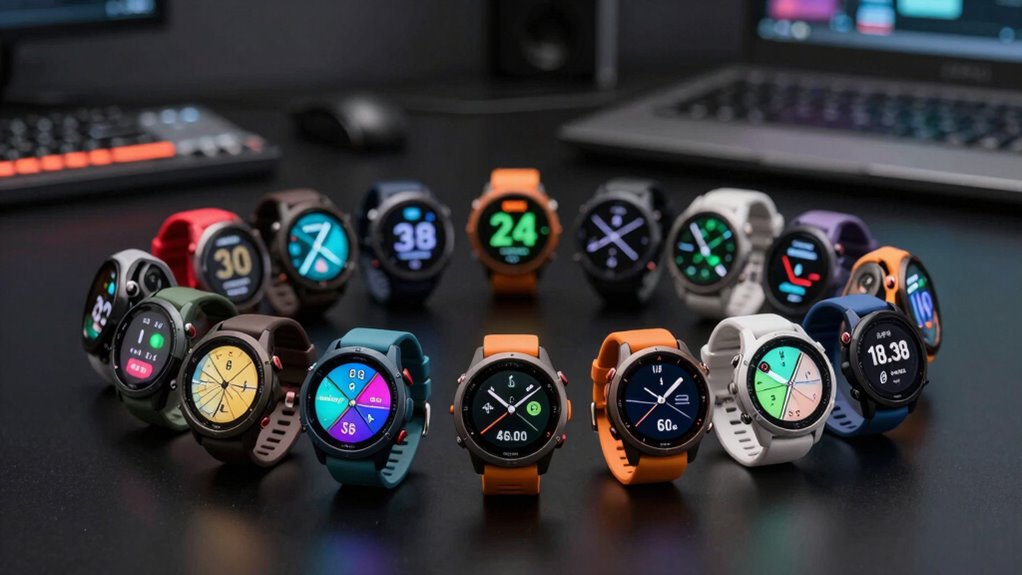

The Garmin Venu 3 is my best overall pick for shoppers seeking a Garmin watch with incident detection, thanks to its balance of everyday smartwatch features and fitness tools. For a smaller wrist, the Venu 3S offers a more compact alternative, while the Instinct 3 Solar suits buyers who prioritize rugged construction and long battery life. Incident detection is not a standalone emergency service: availability depends on the activity, compatible phone connection, and setup. I’ll explain those tradeoffs and compare all 12 models so you can find the right fit for how you exercise and stay connected.

Get privacy and security gear delivered free with Prime
- Fast, free delivery on millions of items
- Prime Video, Amazon Music and more included
- Member-only deals all year
Key Takeaways
- Incident detection depends on more than the watch. A compatible paired phone and a configured emergency contact are part of the safety setup, so check connection requirements before relying on the feature.
- The Venu 3 is the strongest all-rounder in this lineup. It balances daily smartwatch use, fitness features, and a screen that is easier to read than the smaller Lily 2.
- The Venu 3S is the compact alternative, not a different safety tier. Its smaller case may suit narrower wrists, while the 45 mm Venu 3 gives more screen space.
- Ruggedness and battery priorities point to the Instinct 3 models. The Solar version favors reduced charging, while the AMOLED version trades that focus for a more vivid display.
- Running-focused models are not interchangeable. The Forerunner 55 keeps things simple, while newer options such as the Forerunner 165 and 570 offer a more feature-rich running experience.
| Garmin Lily 2 Small Smartwatch, 35 mm, Coconut |  | Best Compact Style Pick | Case size: 35 mm | Color: Coconut | Battery life: Up to 5 days | VIEW ON AMAZON | See Our Full Breakdown |
| Garmin Forerunner 70 GPS Running Smartwatch, 43 mm, Black |  | Best for Phone-Carrying Runners | Display: 1.2-inch AMOLED, 390 × 390 | GPS: Built-in | Battery life: Up to 13 days in smartwatch mode; up to 23 hours in GPS mode | VIEW ON AMAZON | See Our Full Breakdown |
| Garmin vívoactive 5 GPS Smartwatch, 42 mm, Black |  | Best Balanced Everyday Fitness Pick | Case size: 42 mm | Display: AMOLED touchscreen | GPS: Built-in | VIEW ON AMAZON | See Our Full Breakdown |
| Garmin Venu 3S GPS Fitness Smartwatch, 41 mm, French Gray | 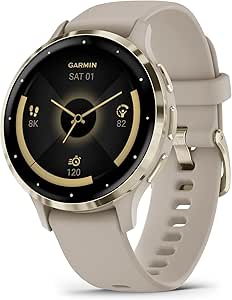 | Best for Accessibility and Daily Wellness | Case size: 41 mm | Display: Bright, colorful display | GPS: Built-in | VIEW ON AMAZON | See Our Full Breakdown |
| Garmin vívoactive 5 GPS Health and Fitness Smartwatch, 42 mm, Ivory |  | Best for Long Battery Life with Always-On Display Choice | Case size: 42 mm | Color: Ivory | Display: AMOLED touchscreen | VIEW ON AMAZON | See Our Full Breakdown |
| Garmin Venu 3 Fitness Smartwatch, 45 mm, Black |  | Best for Everyday Health and Safety | Case size: 45 mm | Display: Bright color display | Battery life: Up to 14 days in smartwatch mode | VIEW ON AMAZON | See Our Full Breakdown |
| Garmin Instinct 3 AMOLED Rugged GPS Smartwatch, 45 mm, Black |  | Best Rugged Pick for Phone-Linked Incident Detection | Case size: 45 mm | Display: 1.2-inch AMOLED | Battery life: Up to 18 days in smartwatch mode | VIEW ON AMAZON | See Our Full Breakdown |
| Garmin Forerunner 165 GPS Running Smartwatch, 43 mm, Black |  | Best for Runners Who Want Safety and Training Guidance | Case size: 43 mm | Display: AMOLED touchscreen with button controls | GPS: Built-in | VIEW ON AMAZON | See Our Full Breakdown |
| Garmin fēnix 9 Pro Multisport GPS Smartwatch, Titanium, 51 mm, Graphite/Black |  | Best Premium Pick for Off-Grid Emergency Communication | Case size: 51 mm | Display: 1.5-inch AMOLED | Case material: Titanium | VIEW ON AMAZON | See Our Full Breakdown |
| Garmin Forerunner 55 GPS Running Smartwatch, Black |  | Best Simple Running Pick | Display size: 1.04 inches | Weight: 37 g | Dimensions: 1.65 x 1.65 x 0.47 inches | VIEW ON AMAZON | See Our Full Breakdown |
| Garmin Instinct 3 Solar GPS Smartwatch, 45 mm, Black |  | Best for Remote Outdoor Safety | Case size: 45 mm | Display: 0.9 inches | Case material: Fiber-reinforced polymer | VIEW ON AMAZON | See Our Full Breakdown |
| Garmin Forerunner 570 GPS Running Smartwatch, 47mm, Aluminum, Black |  | Best for Runners Who Want Safety and Training Tools | Case size: 47 mm | Case material: Aluminum | Display: AMOLED touchscreen | VIEW ON AMAZON | See Our Full Breakdown |
| garmin watch with incident detection | Case size | Display | GPS | Battery life |
|---|---|---|---|---|
| Garmin Lily 2 Small Smartwatch | 35 mm | Touchscreen | Connected GPS through a compatible phone | Up to 5 days |
| Garmin Forerunner 70 GPS Runni | 43 mm | 1.2-inch AMOLED, 390 × 390 | Built-in | Up to 13 days in smartwatch mode; up to 23 hours in GPS mode |
| Garmin vívoactive 5 GPS Smartw | 42 mm | AMOLED touchscreen | Built-in | Up to 11 days in smartwatch mode |
| Garmin Venu 3S GPS Fitness Sma | 41 mm | Bright, colorful display | Built-in | Up to 10 days in smartwatch mode |
| Garmin vívoactive 5 GPS Health | 42 mm | AMOLED touchscreen | Built-in | Up to 11 days in smartwatch mode; up to 5 days with always-on display |
| Garmin Venu 3 Fitness Smartwat | 45 mm | Bright color display | Built-in | Up to 14 days in smartwatch mode |
| Garmin Instinct 3 AMOLED Rugge | 45 mm | 1.2-inch AMOLED | — | Up to 18 days in smartwatch mode |
| Garmin Forerunner 165 GPS Runn | 43 mm | AMOLED touchscreen with button controls | Built-in | Up to 11 days smartwatch mode; up to 19 hours GPS mode |
| Garmin fēnix 9 Pro Multisport | 51 mm | 1.5-inch AMOLED | — | — |
| Garmin Forerunner 55 GPS Runni | — | — | — | — |
| Garmin Instinct 3 Solar GPS Sm | 45 mm | 0.9 inches | Multi-band GPS with SatIQ; GPS, GLONASS, and Galileo | — |
| Garmin Forerunner 570 GPS Runn | 47 mm | AMOLED touchscreen | Multi-band GPS | — |
More Details on Our Top Picks
Garmin Lily 2 Small Smartwatch, 35 mm, Coconut
The Lily 2 is the smallest, most discreet choice here, but its incident-detection appeal comes with a phone-dependent condition: safety features require pairing with a compatible smartphone. That makes it a better fit for people who carry their phone on walks than for anyone seeking a watch that can handle safety and location sharing on its own. Compared with the Forerunner 70, it gives up built-in GPS and detailed running emphasis in favor of a compact 35 mm case and everyday health tracking. Its sleep, heart-rate, stress, Body Battery, and women’s health metrics broaden its usefulness beyond workouts, while up to 5 days of battery life means less frequent charging than many small smartwatches. The tradeoff is clear: this is a low-profile lifestyle watch, not the lineup’s strongest choice for phone-free tracking.
Pros:- Compact 35 mm case with a patterned lens and touchscreen
- Tracks sleep, heart rate, stress, Body Battery, and women’s health
- Up to 5 days of battery life
- Provides smartphone notifications and connected safety features
Cons:- GPS depends on a compatible smartphone
- Safety features and many connected functions require phone pairing
Best for: Buyers who want a small, understated watch for daily health tracking and will keep a compatible smartphone with them during walks or runs.
Not ideal for: Runners who want built-in GPS or anyone who needs safety and location features to work without a paired phone.
- Case size:35 mm
- Color:Coconut
- Battery life:Up to 5 days
- Weight:0.8 ounces
- Display:Touchscreen
- GPS:Connected GPS through a compatible phone
- Health tracking:Sleep, heart rate, stress, Body Battery, menstrual cycle, pregnancy, and hydration
- Sports tracking:Yoga, Pilates, cardio, dance fitness, mindful breathing, walks, and runs
Our verdict“Choose the Lily 2 for a small, style-focused watch if you carry your phone; pick the Forerunner 70 instead for built-in GPS and a running-first design.”
Garmin Forerunner 70 GPS Running Smartwatch, 43 mm, Black
The Forerunner 70 is the clearest running-focused option in this group: built-in GPS, wrist-based heart rate, personalized training plans, and recovery insights make it more useful for planned workouts than the lifestyle-oriented vívoactive 5. It also has a 1.2-inch AMOLED touchscreen plus buttons, giving runners another way to operate it during activity. For incident detection, though, GPS on the watch does not remove the phone requirement: safety and location sharing need a paired smartphone and network coverage. That is the central limitation for runners who leave their phones behind. Battery life is a strong point at up to 13 days in smartwatch mode and 23 hours in GPS mode, but its training emphasis and 43 mm case make it less discreet than the Lily 2. I’d choose it for running data, not phone-free safety.
Pros:- Built-in GPS and wrist-based heart-rate monitoring
- Personalized training plans and recovery insights
- Up to 13 days in smartwatch mode and 23 hours in GPS mode
- More than 80 activity profiles with touchscreen and button controls
Cons:- Safety and location sharing require a paired smartphone and network coverage
- Running-focused features may be unnecessary for casual users
- The 43 mm case is larger than the Lily 2’s 35 mm case
Best for: Runners who want built-in GPS, structured training and recovery guidance, and are willing to carry a compatible phone for safety sharing.
Not ideal for: Phone-free runners or buyers seeking a compact everyday watch with minimal training focus.
- Display:1.2-inch AMOLED, 390 × 390
- GPS:Built-in
- Battery life:Up to 13 days in smartwatch mode; up to 23 hours in GPS mode
- Water resistance:5 ATM; rated to 50 meters
- Activity profiles:More than 80
- Weight:1.4 ounces
- Band material:Silicone
- Case size:43 mm
Our verdict“Pick the Forerunner 70 for running plans and built-in GPS, provided you will carry a phone when relying on safety sharing.”
Garmin vívoactive 5 GPS Smartwatch, 42 mm, Black
The black vívoactive 5 balances daily health tracking and workout features without leaning as heavily into running as the Forerunner 70. Its built-in GPS, more than 30 sports apps, sleep and health tracking, music storage, and Garmin Pay make it a versatile option for someone who wants one watch for exercise and errands. For incident detection, the provided details list smartphone notifications and say some functions require a phone, so buyers should not assume the watch can independently contact help or share location. Compared with the Venu 3S, this model offers a similar everyday fitness mix but has a 42 mm case and up to 11 days of smartwatch battery life. The tradeoff is that health readings are estimates, and some connected features still depend on a smartphone. It is a strong generalist, not a dedicated safety device.
Pros:- Built-in GPS with more than 30 sports apps
- Up to 11 days of battery life in smartwatch mode
- Supports music storage, smartphone notifications, and Garmin Pay
- Tracks health, sleep, stress, and workouts
Cons:- Some features require a smartphone
- Health metrics are estimates
- Provided product details do not establish phone-free incident detection
Best for: Everyday fitness users who want built-in GPS, broad activity tracking, music and payment features, and already carry a compatible smartphone.
Not ideal for: Buyers who need confirmed phone-free incident detection or a watch tailored specifically to structured running plans.
- Case size:42 mm
- Display:AMOLED touchscreen
- GPS:Built-in
- Battery life:Up to 11 days in smartwatch mode
- Sports apps:More than 30
- Connectivity:Bluetooth, USB, and Wi-Fi
- Music storage:Supported
- Contactless payments:Garmin Pay
Our verdict“Choose the black vívoactive 5 for broad everyday fitness and connected convenience, but look to a running-focused Forerunner if training is your priority.”
Garmin Venu 3S GPS Fitness Smartwatch, 41 mm, French Gray
The Venu 3S earns its place through a more wellness- and accessibility-focused feature mix than the running-oriented Forerunner 70. It combines built-in GPS with sleep coaching, health monitoring, workout tracking, and wheelchair-specific activity features, making it a more tailored choice for users who want activity tracking that reflects how they move. For incident detection, the product information does not specify the safety feature’s phone or network requirements, so I would not treat it as a standalone emergency device; check Garmin’s current compatibility details before relying on it. Compared with the vívoactive 5, the Venu 3S adds a stated emphasis on calls and wheelchair activity, while retaining up to 10 days of smartwatch battery life. Calls, music, and payments depend on compatible devices or services, and its health metrics are estimates.
Pros:- Wheelchair-specific activity features and workouts
- Built-in GPS with health, sleep, and workout tracking
- Up to 10 days of battery life in smartwatch mode
- Supports calls and music storage with compatible devices
Cons:- Some features depend on a compatible smartphone, payment network, or music subscription
- Health metrics are estimates
- Provided details do not clarify incident-detection phone or network requirements
Best for: Buyers seeking wellness and workout tracking with wheelchair-specific activity support, plus a compatible smartphone for connected functions.
Not ideal for: People who need verified phone-independent incident detection or prefer a watch whose main focus is running plans and performance data.
- Case size:41 mm
- Display:Bright, colorful display
- GPS:Built-in
- Battery life:Up to 10 days in smartwatch mode
- Case material:Fiber-reinforced polymer
- Band material:Silicone
- Sports:Walking, running, cycling, swimming, and wheelchair sports
- Compatibility:Compatible with iPhone and Android smartphones
Our verdict“Choose the Venu 3S for its wellness breadth and wheelchair-specific tracking, but verify safety-feature requirements before relying on it for incident detection.”
Garmin vívoactive 5 GPS Health and Fitness Smartwatch, 42 mm, Ivory
This Ivory vívoactive 5 suits buyers who want an everyday fitness watch with a light-colored finish and the option to keep its AMOLED display always on. Its core feature set closely matches the black vívoactive 5: built-in GPS, more than 30 sports apps, health monitoring, sleep coaching, music storage, and Garmin Pay. The key battery detail is easy to miss: it lasts up to 11 days in smartwatch mode, but up to 5 days with the always-on display. Compared with the Venu 3S, it offers a longer stated maximum battery life, while the Venu 3S calls out wheelchair-specific activity features and calls. For this roundup’s safety focus, the listed specs do not confirm incident-detection behavior or phone independence. I’d treat smartphone notifications as connected convenience, not proof of emergency coverage.
Pros:- Up to 11 days of battery life in smartwatch mode
- Built-in GPS and more than 30 sports apps
- Includes health monitoring, sleep coaching, and training features
- Supports music storage, Garmin Pay, and smartphone notifications
Cons:- Always-on display reduces stated battery life to up to 5 days
- Health metrics are estimates
- Provided details do not confirm incident-detection requirements
Best for: Buyers who want a light-colored, GPS-equipped fitness smartwatch with broad sports tracking and the choice of an always-on screen.
Not ideal for: Anyone who prioritizes longer battery life while keeping the display always on, or needs confirmed standalone incident detection.
- Case size:42 mm
- Color:Ivory
- Display:AMOLED touchscreen
- GPS:Built-in
- Battery life:Up to 11 days in smartwatch mode; up to 5 days with always-on display
- Water resistance:50 meters
- Sports apps:More than 30
- Connectivity:Bluetooth
Our verdict“Choose the Ivory vívoactive 5 for versatile fitness features and display flexibility, but verify incident-detection support and phone requirements before treating it as a safety pick.”
Garmin Venu 3 Fitness Smartwatch, 45 mm, Black
The Venu 3 is my pick for buyers who want incident detection as part of an everyday health smartwatch, rather than a rugged outdoor tool. Its built-in GPS and broad activity tracking support workouts, while sleep coaching and up to 14 days of smartwatch battery life make it practical to wear around the clock. Compared with the Forerunner 165, it puts more emphasis on general wellness and supports calls and voice responses when paired with a compatible phone. That phone dependency matters: incident detection and related safety features need a compatible smartphone connection and network coverage, so this is not a standalone emergency communicator. The 45 mm case may also feel large on smaller wrists, and health readings are estimates, not medical measurements.
Pros:- Up to 14 days of battery life in smartwatch mode supports continuous wear
- Sleep coaching and health tracking suit everyday wellness use
- More than 30 indoor and GPS sports apps cover varied activities
- Supports calls and voice responses with a compatible paired smartphone
Cons:- Safety features depend on a compatible smartphone and network coverage
- Calling and messaging functions require the paired phone
- Some health metrics are estimates rather than medical measurements
Best for: Everyday smartwatch buyers who want health and sleep tracking, built-in GPS, and phone-linked safety features for walks and workouts
Not ideal for: Hikers or runners who need emergency communication without a phone, or buyers seeking a compact watch for a small wrist
- Case size:45 mm
- Display:Bright color display
- Battery life:Up to 14 days in smartwatch mode
- GPS:Built-in
- Sports apps:More than 30
- Water resistance:50 meters
- Connectivity:Bluetooth, Wi-Fi
- Compatibility:iPhone and Android smartphones
Our verdict“Choose the Venu 3 if you want a wellness-focused daily smartwatch with phone-dependent safety features, not a standalone SOS device.”
Garmin Instinct 3 AMOLED Rugged GPS Smartwatch, 45 mm, Black
For buyers who take trails, weather, and rough handling seriously, the Instinct 3 AMOLED offers a sturdier setting for phone-linked incident detection than the more fitness-focused Venu 3. Its 10 ATM water rating, metal-reinforced bezel, multi-band GPS, compass, and barometric altimeter suit outdoor routes where navigation and durability matter. The built-in flashlight adds practical visibility after dark, and up to 18 days of smartwatch battery life reduces charging stops. Its limits are just as relevant: the provided product details do not list satellite SOS or independent emergency messaging, so incident detection should not be mistaken for a rescue service. It also has less storage than the Venu 3, and Pulse Ox availability varies by country.
Pros:- Rugged build with a metal-reinforced bezel and 10 ATM water rating
- Multi-band GPS, compass, and altimeter support outdoor navigation
- Built-in LED flashlight adds utility in low light
- Up to 18 days of battery life in smartwatch mode
Cons:- Product details do not specify standalone satellite SOS or emergency messaging
- Phone-linked safety features depend on a compatible phone and network coverage
- Pulse Ox is unavailable in some countries, and health metrics are estimates
Best for: Outdoor walkers and hikers who want a rugged watch with navigation tools and phone-connected safety features when carrying a smartphone
Not ideal for: People who need satellite SOS without a phone, or buyers who prefer a slim, polished everyday smartwatch
- Case size:45 mm
- Display:1.2-inch AMOLED
- Battery life:Up to 18 days in smartwatch mode
- Navigation:Multi-band GPS with SatIQ, 3-axis compass, barometric altimeter
- Health tracking:Heart rate, sleep monitoring, Pulse Ox, stress
- Storage:4 GB
- Connectivity:Bluetooth, USB, Wi-Fi
Our verdict“Pick the Instinct 3 if ruggedness and navigation matter more than standalone emergency communication.”
Garmin Forerunner 165 GPS Running Smartwatch, 43 mm, Black
The Forerunner 165 makes the most sense for runners who want incident detection alongside structured training, rather than the broader wellness emphasis of the Venu 3. Built-in GPS, wrist-based heart rate, more than 25 activity profiles, and adaptive training guidance help runners plan sessions and follow recovery. Its AMOLED touchscreen plus button controls gives runners two ways to navigate the watch, including when touch is less convenient mid-workout. Battery life reaches up to 11 days in smartwatch mode, though GPS use cuts that to up to 19 hours. Safety features require a compatible paired phone and network coverage; this is not a substitute for an independent emergency communicator. Garmin Pay availability also depends on country and supported payment networks.
Pros:- Built-in GPS and wrist-based heart rate tracking support run monitoring
- Adaptive training guidance and recovery insights help structure workouts
- AMOLED touchscreen is paired with button controls
- Up to 11 days of battery life in smartwatch mode
Cons:- Safety features require a compatible paired smartphone and network coverage
- GPS battery life is up to 19 hours, shorter than smartwatch-mode endurance
- Garmin Pay availability depends on location and supported payment networks
Best for: Recreational runners who want adaptive training and recovery guidance alongside phone-connected incident detection
Not ideal for: Runners who train far from phone coverage and need independent SOS, or buyers prioritizing long smartwatch battery life over running tools
- Case size:43 mm
- Display:AMOLED touchscreen with button controls
- GPS:Built-in
- Battery life:Up to 11 days smartwatch mode; up to 19 hours GPS mode
- Activity profiles:More than 25
- Water resistance:50 meters
- Storage:4 GB
- Compatibility:Android and iPhone
Our verdict“Choose the Forerunner 165 if running plans and recovery tools matter as much as phone-linked safety.”
Garmin fēnix 9 Pro Multisport GPS Smartwatch, Titanium, 51 mm, Graphite/Black
The fēnix 9 Pro stands apart from the other watches here because its emergency story can extend beyond a paired phone: it offers inReach satellite messaging and SOS with an active plan, alongside LTE calls and messaging. That makes it the strongest match in this batch for remote users who want a route to communicate when cellular service is unavailable. Compared with the Instinct 3 AMOLED, it adds satellite and LTE options, a sapphire lens, titanium construction, and more than 100 activity profiles. Those capabilities bring real conditions: satellite SOS needs an active plan, coverage and availability vary, and LTE still needs network service. Its 51 mm case is also substantially larger than the 43–45 mm alternatives, making it a poor fit for buyers seeking a discreet everyday watch.
Pros:- Satellite messaging and SOS available through inReach with an active plan
- LTE supports calls and messaging when network service is available
- Titanium case and scratch-resistant sapphire lens suit demanding use
- More than 100 activity profiles and stamina tracking support multisport training
Cons:- Satellite messaging and SOS require an active plan and may have coverage limits
- LTE features require a network connection
- 51 mm case may be cumbersome for smaller wrists or discreet daily wear
Best for: Remote-area hikers and multisport athletes who want satellite SOS and messaging options and are prepared to maintain an active inReach plan
Not ideal for: Small-wrist buyers, people who do not want plan-dependent emergency services, or anyone expecting LTE to work without network coverage
- Case size:51 mm
- Display:1.5-inch AMOLED
- Case material:Titanium
- Lens:Scratch-resistant sapphire
- Connectivity:LTE and inReach satellite connectivity
- Emergency SOS:Available through inReach with an active plan
- Activity profiles:More than 100
- Flashlight:Built-in LED with white, red, and green settings
Our verdict“Choose the fēnix 9 Pro if you need plan-dependent satellite SOS for remote use and can accommodate its large case and service requirements.”
Garmin Forerunner 55 GPS Running Smartwatch, Black
The Forerunner 55 is the straightforward choice for runners who want GPS and training prompts without the richer screens and broader feature set of the Forerunner 165. Its 37 g build and clear 1.04-inch display keep the watch lightweight and simple, while multi-satellite GPS and personalized suggestions help guide regular runs. For this roundup, the key caveat is safety: the supplied product details do not confirm incident detection, so I would not choose it on that feature alone. Its Bluetooth connectivity also points to a more basic connected-watch setup than the Venu 3, which supports calls and voice responses with a paired phone. The Forerunner 55 suits runners who value uncomplicated training support, but its smaller display and 17 activity profiles limit its appeal beyond that role.
Pros:- Lightweight 37 g design with a silicone band
- GPS, GLONASS, and Galileo satellite support
- Personalized daily training suggestions and free race-distance plans
- 50-meter water resistance
Cons:- Product details do not confirm incident detection
- Small 1.04-inch display offers a simpler viewing experience than the Forerunner 165 AMOLED
- Bluetooth connectivity and listed features are more basic than the Venu 3’s connected functions
Best for: New or casual runners who want a lightweight GPS watch with training suggestions and do not rely on confirmed incident detection
Not ideal for: Buyers specifically seeking verified incident detection or standalone emergency communication, and runners who want an AMOLED display or broader activity coverage
- Display size:1.04 inches
- Weight:37 g
- Dimensions:1.65 x 1.65 x 0.47 inches
- Water resistance:50 meters
- Satellite support:GPS, GLONASS, Galileo
- Activity profiles:17
- Connectivity:Bluetooth
- Band material:Silicone
Our verdict“Pick the Forerunner 55 for simple, lightweight run tracking, but choose another model if incident detection is a must-have.”
Garmin Instinct 3 Solar GPS Smartwatch, 45 mm, Black
For buyers focused on incident detection during outdoor activity, I’d put the Instinct 3 Solar ahead of the Forerunner 570 when ruggedness and time away from a charger matter most. Its 10 ATM water rating, MIL-STD-810 thermal and shock resistance, and multi-band GPS suit hikes and multisport outings where dependable tracking and a durable case are useful companions. Solar charging can support unlimited smartwatch-mode battery life under specified light and wear conditions, reducing charging interruptions on long outdoor stretches.
The tradeoff is a small 0.9-inch display rather than the Forerunner 570’s AMOLED screen, and the solar claim depends on enough exposure to suitable light. Incident detection and safety tracking also depend on a compatible paired phone and available connectivity; the watch should not be treated as a standalone emergency service. Choose this over the Forerunner 570 for rugged endurance, not for a brighter display or running-focused training tools.
Pros:- Rugged construction with 10 ATM water resistance and stated thermal and shock resistance
- Solar charging can extend smartwatch-mode battery life substantially in suitable outdoor conditions
- Multi-band GPS, compass, and barometric altimeter support outdoor navigation and activity tracking
- Built-in flashlight adds practical visibility during early starts or low-light outings
Cons:- Unlimited smartwatch-mode battery life depends on substantial exposure to specified light conditions
- Small 0.9-inch display is less suited to users who prefer large, vivid on-watch visuals
- Some health features have availability or compatibility limitations, and safety features rely on phone connectivity
Best for: Hikers and multisport users who want a rugged watch, strong GPS capability, and fewer charging stops on outdoor trips.
Not ideal for: Runners who prioritize a bright touchscreen and advanced training guidance, or anyone expecting incident detection to work without a compatible phone connection.
- Case size:45 mm
- Display:0.9 inches
- Case material:Fiber-reinforced polymer
- Battery:Unlimited smartwatch-mode battery life with solar charging under specified conditions
- Water resistance:10 ATM; 100 meters
- GPS:Multi-band GPS with SatIQ; GPS, GLONASS, and Galileo
- Sensors and tracking:Heart rate, sleep, Pulse Ox, calories, hydration, and stress
- Band material:Silicone
- Connectivity:Bluetooth, USB, and Wi-Fi
Our verdict“Choose the Instinct 3 Solar if rugged outdoor use and reduced charging needs matter more than an AMOLED display or running-first features.”
Garmin Forerunner 570 GPS Running Smartwatch, 47mm, Aluminum, Black
The Forerunner 570 is the more training-centered choice here: Training Readiness, HRV status, Garmin Coach plans, and multi-band GPS make it better suited than the Instinct 3 Solar to runners who want feedback that shapes their next workout. Its bright AMOLED touchscreen, backed by buttons, also makes information easier to read at a glance than the Instinct’s compact display. The listed safety tracking features can add reassurance during runs, while the microphone and speaker support phone calls from the watch.
That convenience comes with limits: safety features and some advanced tools need a paired phone, and network coverage can matter. The Forerunner 570 is rated to 50 meters, below the Instinct 3 Solar’s 10 ATM rating, and its battery is specified at up to 11 days in smartwatch mode rather than offering conditional solar endurance. Pick it for running guidance and a vivid screen; choose the Instinct for harsher outdoor use and longer stretches between charging.
Pros:- Training Readiness, HRV status, and Garmin Coach plans support structured running
- Bright AMOLED touchscreen with button controls offers flexible viewing and operation
- Multi-band GPS supports accurate route and pace tracking
- Built-in microphone and speaker allow phone calls when connected
Cons:- Safety tracking and some advanced functions require smartphone pairing and may depend on network coverage
- 50-meter water resistance is below the Instinct 3 Solar’s 10 ATM rating
- Training metrics are estimates and may vary in accuracy
Best for: Road and trail runners who want training guidance, multi-band GPS, a vivid display, and phone-connected safety tracking in one watch.
Not ideal for: Remote-area adventurers who need the Instinct 3 Solar’s tougher build and solar charging, or buyers who need safety tracking without a paired phone and network coverage.
- Case size:47 mm
- Case material:Aluminum
- Display:AMOLED touchscreen
- Battery life, smartwatch mode:Up to 11 days
- Battery life, GPS mode:Up to 18 hours
- Water resistance:50 meters
- GPS:Multi-band GPS
- Band material:Silicone
- Connectivity:Bluetooth and USB
Our verdict“Pick the Forerunner 570 if you want running-focused coaching and phone-connected safety features more than ruggedness or solar endurance.”

How We Picked
I ranked these watches around the buyer’s central question: how practical is a model for someone who wants incident detection as part of a broader fitness or outdoor setup? I weighed the stated feature set, the role each watch serves, everyday usability, case size, display type, battery approach, and how well the model suits its likely wearer. A watch’s incident-detection feature should be treated as a support tool, not a replacement for a phone or dedicated emergency beacon.
The ranking favors versatile models that can serve as daily watches as well as activity companions, followed by picks with a clear advantage for a specific buyer, such as smaller wrists, running, or rugged outdoor use. Color variants of the same watch are grouped by their shared capabilities rather than treated as meaningfully different safety choices. I also distinguish feature-rich watches from entry-level models instead of assuming that a higher-tier watch automatically makes incident detection more dependable.
| garmin watch with incident detection | GPS | Connectivity |
|---|---|---|
| Garmin Lily 2 Small Smartwatch | Connected GPS through a compatible phone | — |
| Garmin Forerunner 70 GPS Runni | Built-in | — |
| Garmin vívoactive 5 GPS Smartw | Built-in | Bluetooth, USB, and Wi-Fi |
| Garmin Venu 3S GPS Fitness Sma | Built-in | — |
| Garmin vívoactive 5 GPS Health | Built-in | Bluetooth |
| Garmin Venu 3 Fitness Smartwat | Built-in | Bluetooth, Wi-Fi |
| Garmin Instinct 3 AMOLED Rugge | — | Bluetooth, USB, Wi-Fi |
| Garmin Forerunner 165 GPS Runn | Built-in | — |
| Garmin fēnix 9 Pro Multisport | — | LTE and inReach satellite connectivity |
| Garmin Forerunner 55 GPS Runni | — | Bluetooth |
| Garmin Instinct 3 Solar GPS Sm | Multi-band GPS with SatIQ; GPS, GLONASS, and Galileo | Bluetooth, USB, and Wi-Fi |
| Garmin Forerunner 570 GPS Runn | Multi-band GPS | Bluetooth and USB |
Factors to Consider When Choosing Garmin Watch With Incident Detection
Before choosing a watch, check how its safety features fit into your actual routine. A good match depends on phone access, activity type, comfort, and whether you value a simple alert tool or a broader training and outdoor watch.
Check the phone and setup requirements
Incident detection on a watch should not be read as automatic rescue coverage. Check the specific model’s requirements for a paired phone, compatible app, connectivity, and emergency-contact setup before you buy. A watch that can send an alert through a phone may not help if you leave that phone behind or lose service. Configure contacts and permissions before your first solo outing, rather than waiting until an emergency. If you regularly exercise beyond phone coverage, compare the watch’s limits with a dedicated satellite communicator or another independent safety device.
Match the feature to the activity you do
Safety features may depend on starting a supported activity, so a buyer should check which activities trigger incident detection on the exact model. Do not assume an everyday walk, gym session, or casual bike ride is handled identically. Think through your most common solo activities and whether you remember to start a tracking mode each time. A sports-focused Forerunner may fit structured runs, while a multisport or outdoor watch may better suit varied outings. If you want protection during ordinary daily wear, verify that the feature applies outside tracked activities.
Choose case size for reliable everyday wear
A watch worn consistently is more useful than one that feels bulky and stays at home. Compare case diameter and wrist fit, but also think about sleeve clearance, sleep comfort, and whether you can read alerts at a glance. The Lily 2 and Venu 3S are smaller options in this group; the 45 mm Venu 3 and larger fēnix are better suited to buyers comfortable with a larger watch. Avoid choosing only by appearance: a cramped display can make notifications harder to read, while an oversized case may be uncomfortable during sleep or all-day wear. Try to balance discreet fit with screen legibility.
Decide what battery approach suits your routine
Battery life varies with display, GPS use, sensors, and settings, so advertised endurance is not a guarantee for every routine. Solar charging on the Instinct 3 Solar may appeal to someone spending time outdoors, but it still depends on suitable light and does not remove the need to manage power. AMOLED models offer a vivid, easy-to-read screen, while their battery behavior can differ from watches built around less power-hungry displays. Consider how often you record GPS activities and whether you are willing to charge on a regular schedule. Frequent long outings make battery strategy more important than a feature list alone.
Pay for the watch you will use, not the largest feature list
A premium multisport watch can bring advanced training and outdoor tools, but those extras do not automatically improve incident detection. If your main use is simple running and basic tracking, an entry-level Forerunner may be easier to live with. A Venu model makes more sense if you want a general-purpose smartwatch alongside fitness features; an Instinct model fits buyers who value a tougher outdoor style. Think about whether you will use maps, training metrics, or multisport profiles before choosing a more specialized model. Spending more is most defensible when its extra functions solve a regular need.
Treat alerts as one layer of a safety plan
Fall or incident alerts can be useful, but no wrist device detects every emergency or sends every alert successfully. Set emergency contacts, keep the paired phone charged, and learn how to cancel a false alert before relying on the feature. For solo activities, tell someone your route and expected return time, especially when connectivity may be limited. A watch should complement sensible planning rather than replace it. Buyers heading into remote areas should assess whether they need a communication device that works beyond ordinary phone coverage.
Frequently Asked Questions
Does a Garmin watch send an incident alert without my phone nearby?
Do not assume it can. Incident detection on many Garmin watches relies on a paired compatible phone and a connection that can send a message to your emergency contacts. If your phone is out of range, switched off, or without service, an alert may not reach anyone. Check the exact model’s current requirements and test the setup before relying on it. For routes beyond phone coverage, consider a separate emergency communication device.
Will incident detection work during every workout or while I am wearing the watch normally?
Not necessarily. Availability can depend on the activity being recorded and the watch’s supported activity profiles, so everyday wear should not be treated as equivalent to a tracked workout. Check Garmin’s feature details for the specific model and the activities you do most often. Get into the habit of starting the relevant activity before heading out if detection requires it. If you need protection during a type of activity that is not supported, this feature may not meet your needs on its own.
Which is a better safety-oriented choice: Venu 3 or Instinct 3?
That depends on where and how you exercise, not just the incident-detection label. I’d favor the Venu 3 for a balanced daily smartwatch with fitness features and a bright, readable display. The Instinct 3 is the more natural fit for buyers who prioritize a rugged outdoor build, with the Solar version appealing to those who want a different battery approach. Neither should be treated as a substitute for independent communication when phone coverage is unavailable. Compare activity support, phone dependence, and wearing comfort before choosing.
Is the smaller Venu 3S a meaningful compromise compared with the Venu 3?
The Venu 3S is mainly a compact-fit choice, not a guarantee of better or worse incident detection. A smaller case can feel more comfortable on a narrow wrist, while the Venu 3’s larger screen may be easier to read quickly. Choose based on fit, display preference, and the other features you plan to use. Confirm the specific model’s safety and activity details rather than assuming every capability is identical across sizes. Comfort matters because a watch is only useful if you wear it consistently.
Should I choose a Forerunner or a Venu if running is my main activity?
Pick a Forerunner if running tools and training use are your main priorities; the models in this roundup range from the simpler Forerunner 55 to more feature-rich options such as the 165 and 570. The Venu line is a better match if you want a more general-purpose smartwatch alongside fitness tracking. For incident detection, verify supported activities and phone requirements on the exact model rather than choosing by product family alone. Also consider whether you prefer a running-focused interface or a broader everyday display and feature set.
Conclusion
For most buyers, I recommend the Garmin Venu 3 as the best overall: it pairs everyday smartwatch use with a broad fitness role. The Forerunner 55 is my best value-style pick for beginners who want a straightforward running watch, while the Venu 3S is best for smaller wrists. Choose the Instinct 3 Solar for rugged outdoor use and a solar-charging approach, or look to the fēnix 9 Pro as the premium multisport choice if you will use its broader outdoor and training tools. Whichever model you choose, verify activity support, pair and configure your phone, and do not rely on watch-based incident detection as your only safety plan.