
TL;DR

Get privacy and security gear delivered free — and shop member deals
- Fast, free delivery on millions of items
- Access to Prime Big Deal Days deals on October 6–7
- Prime Video, Amazon Music and more included
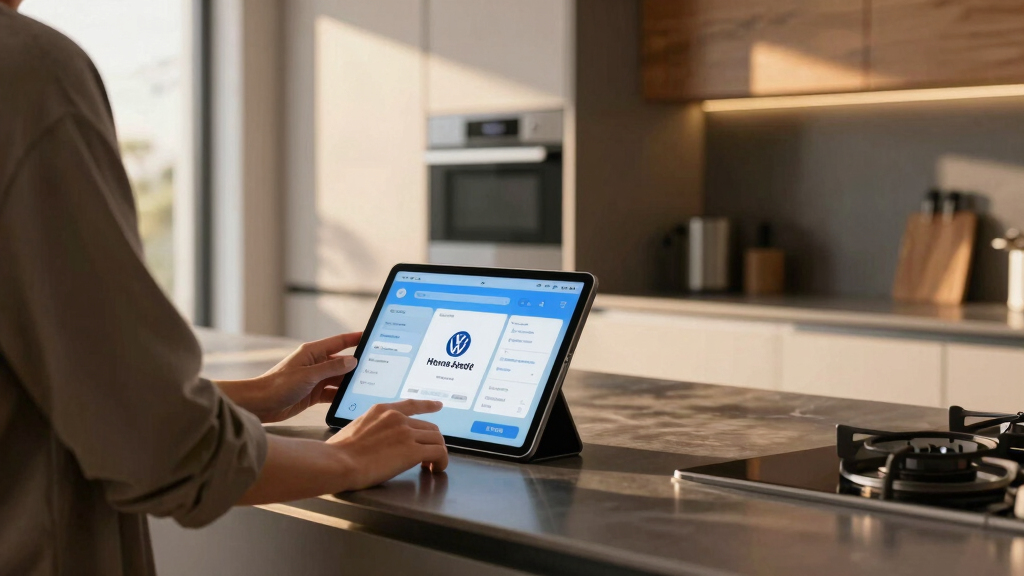
Volkswagen has introduced a new security requirement that prevents Home Assistant from connecting to VW Connect services. This change is confirmed and affects vehicle integrations for users relying on automation platforms.
Volkswagen has recently mandated a new security protocol requiring client assertion, which has resulted in blocking access to VW Connect services from Home Assistant, affecting vehicle automation users.
According to reports from users and developers, Volkswagen’s latest update to its API authentication process now requires client assertion, a security measure that verifies client identity through a specific token. This change has been confirmed by ongoing user experiences, with many reporting that their Home Assistant integrations are no longer functioning. The issue appears tied to the VW Connect service and impacts users who rely on third-party platforms to automate vehicle functions.
Developers and users noted that previous authentication methods, such as OAuth tokens, are insufficient under the new protocol. The change was observed after a recent VW Connect environment update, which coincides with the timing of the reported disruptions. VW has not officially announced this change, but the implementation is evident from the error responses received during login attempts, which indicate a rejection due to missing or invalid client assertion tokens.
Why It Matters
This development is significant for users who depend on vehicle automation platforms like Home Assistant, as it effectively blocks their ability to integrate and control VW vehicles remotely. It raises broader concerns about third-party access to vehicle data and control, and could influence the future of vehicle connectivity and security standards. For developers, it presents a technical challenge to adapt to VW’s new security requirements.
vehicle remote control automation devices
As an affiliate, we earn on qualifying purchases.
As an affiliate, we earn on qualifying purchases.
Background
Volkswagen has historically supported third-party integrations via APIs, enabling features like remote start, status monitoring, and automation through platforms like Home Assistant. Recently, automakers have increased security measures to protect user data and prevent unauthorized access. The move to enforce client assertion aligns with industry trends toward stricter authentication protocols, but it has caught some third-party developers and users unprepared, leading to disruptions.
Prior to this, VW Connect API access relied on OAuth tokens, which were easier to implement but less secure. The current change appears to be part of VW’s broader effort to tighten security, though details about the specific implementation and whether it is temporary or permanent remain unclear.
“Since the latest update, our Home Assistant integrations are failing because VW now requires client assertion tokens, which we do not yet support.”
— a developer involved in the issue
“I can no longer log into VW Connect through Home Assistant, but the app and website still work fine.”
— a VW Connect user
smart car integration accessories
As an affiliate, we earn on qualifying purchases.
As an affiliate, we earn on qualifying purchases.
What Remains Unclear
It is not yet clear whether VW’s requirement for client assertion is a temporary security measure or a permanent change. VW has not issued an official statement explaining the rationale behind the update or providing guidance for developers. The exact technical specifications of the new authentication process are still emerging, and it remains uncertain how third-party platforms can adapt to this change.
As an affiliate, we earn on qualifying purchases.
What’s Next
Developers and users will likely await official guidance from Volkswagen on supporting client assertion. Meanwhile, efforts are underway to modify existing integrations or develop new authentication methods compatible with VW’s updated security protocols. Monitoring VW’s communications and API documentation will be crucial for those affected.
As an affiliate, we earn on qualifying purchases.
Key Questions
What is client assertion in the context of VW Connect?
Client assertion is a security mechanism that verifies the identity of the client application requesting access to VW’s API, often involving specific tokens or credentials that prove the client’s authenticity.
Does this change affect all VW Connect users?
It primarily affects users relying on third-party integrations like Home Assistant. Standard app and web access remain functional for most users, but automation and remote control via third-party platforms are impacted.
Will VW provide a way to support third-party integrations in the future?
There has been no official announcement yet. Developers and users are awaiting further guidance from VW regarding support for third-party access under the new security protocol.
Source: Hacker News
Evergreen bestsellers Picks
bestsellers
As an affiliate, we earn on qualifying purchases.