
TL;DR
A user has identified a hidden encrypted vault on their USB drive, confirmed by their own testing. The discovery highlights potential security features in storage devices, but details remain unclear. This development could impact data security practices.
A user has confirmed the presence of a hidden encrypted vault on their USB drive, raising questions about the device’s security features and potential for protecting sensitive data. The discovery was made through personal testing and has prompted discussions about data security practices among users and security experts.
The user, who requested anonymity, reported that they found a concealed partition on their USB drive that was not visible through standard file browsing. Upon further investigation, they confirmed that the partition was encrypted and required a password or key to access. The user stated that they did not intentionally set up such a vault but discovered it after attempting to recover lost files.
Security researcher Dr. Emily Carter from TechSecure Labs explained that some modern USB drives include hidden or encrypted partitions as a security feature, often used by manufacturers to protect sensitive data or for device recovery purposes. However, the presence of such a vault without user knowledge raises concerns about transparency and security risks, especially if malicious actors exploit similar features.
The user shared their findings with cybersecurity forums, prompting other users to examine their drives for similar hidden partitions. Manufacturers have not yet responded to inquiries about whether this feature is common or intentional in specific models.
Implications for Data Security and User Awareness
This discovery underscores the importance of understanding the security features embedded in storage devices. Hidden encrypted vaults can serve as a safeguard for sensitive data but may also pose risks if users are unaware of their existence. It highlights the need for manufacturers to disclose such features clearly and for users to regularly check their devices for hidden partitions that could contain encrypted data.
Security experts warn that malicious actors could potentially exploit similar features to hide malicious payloads or encrypted malware, making it harder for users and security tools to detect threats. As such, this incident may prompt a review of security standards and practices for portable storage devices.
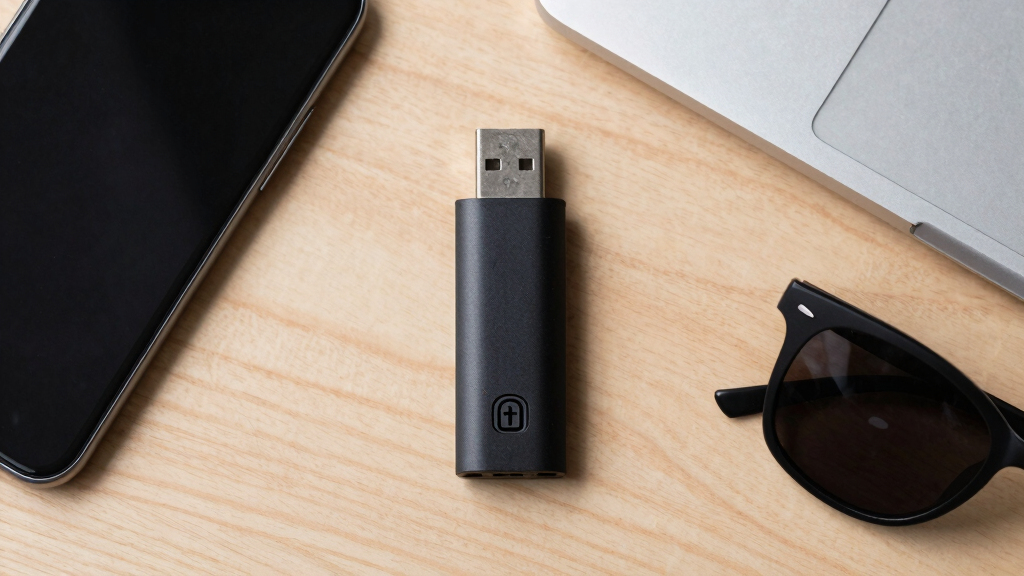
encrypted USB flash drives with hidden vault
As an affiliate, we earn on qualifying purchases.
As an affiliate, we earn on qualifying purchases.
Security Features in USB Devices and User Discoveries
Recent years have seen increased integration of security features into consumer electronics, including USB drives, to protect sensitive data. Manufacturers sometimes include hidden partitions for recovery or encryption, but these are rarely advertised or explained to users. Past incidents have involved devices with pre-installed encryption or hidden areas, often raising privacy and security concerns.
This particular discovery follows reports from other users who have found unusual partitions or encrypted sections on their drives, sometimes linked to third-party security software or manufacturer-specific tools. The trend reflects a broader move toward integrated security but also highlights the need for transparency and user control.
“Some modern USB drives include hidden or encrypted partitions designed for security or recovery, but users should be aware of these features to avoid surprises.”
— Dr. Emily Carter, TechSecure Labs
As an affiliate, we earn on qualifying purchases.
Extent of Manufacturer Use and User Awareness
It is not yet clear how widespread the inclusion of hidden encrypted vaults is across different USB models or brands. Manufacturers have not publicly acknowledged whether this feature is standard or optional, and user awareness of such features varies widely. The potential for malicious exploitation of similar hidden partitions remains an open concern.
As an affiliate, we earn on qualifying purchases.
Investigation and Manufacturer Clarifications Expected
Cybersecurity experts and affected users will likely examine other USB drives for similar hidden features. Manufacturers may be prompted to clarify whether such vaults are intentional and how they should be managed. Further investigations could lead to updates in security guidelines and user education about portable storage devices.
best encrypted portable storage devices
As an affiliate, we earn on qualifying purchases.
As an affiliate, we earn on qualifying purchases.
Key Questions
Are hidden encrypted vaults common on USB drives?
It is not confirmed how widespread this feature is. Some drives may include such vaults as security measures, but manufacturers have not universally disclosed this.
Can malicious actors hide malware in such encrypted vaults?
Potentially, yes. Hidden encrypted sections could be exploited to conceal malicious payloads, which underscores the importance of security scans and awareness.
How can I check if my USB drive has a hidden vault?
Use disk management tools or specialized software to examine partitions. If you find encrypted or hidden sections, consider using security software or consulting a cybersecurity expert.
Should I be worried about privacy or security risks?
While such features can protect sensitive data, lack of transparency may pose risks. Regularly check your devices and stay informed about their features.
What should manufacturers do about hidden vaults?
Manufacturers should clearly disclose security features and provide guidance on managing hidden partitions to ensure user awareness and safety.
Source: hn